
REVIEW · ITALY
Franciacorta: visit the vineyard, cellar, and enjoy an Edea To tasting
Franciacorta’s story begins in the vineyard, but at Mirabella you also get to see where the wine is made. This visit pairs a walk through a Pinot Blanc collection vineyard with the winery’s original 1942 cellar, where concrete tanks are still used for first fermentation.
I like the clear link between land and bottle, and I like the tasting at the end: three Mirabella Franciacorta wines served with simple artisanal snacks. The cellar can be chilly, and the experience is best for anyone who enjoys a measured winery visit rather than a full-day food-and-wine outing.
Key points to know before you book
- Pinot Blanc has a special role here: Mirabella is presented as Franciacorta’s first producer of Pinot Blanc, and the vineyard collection lets you see different grape varieties up close.
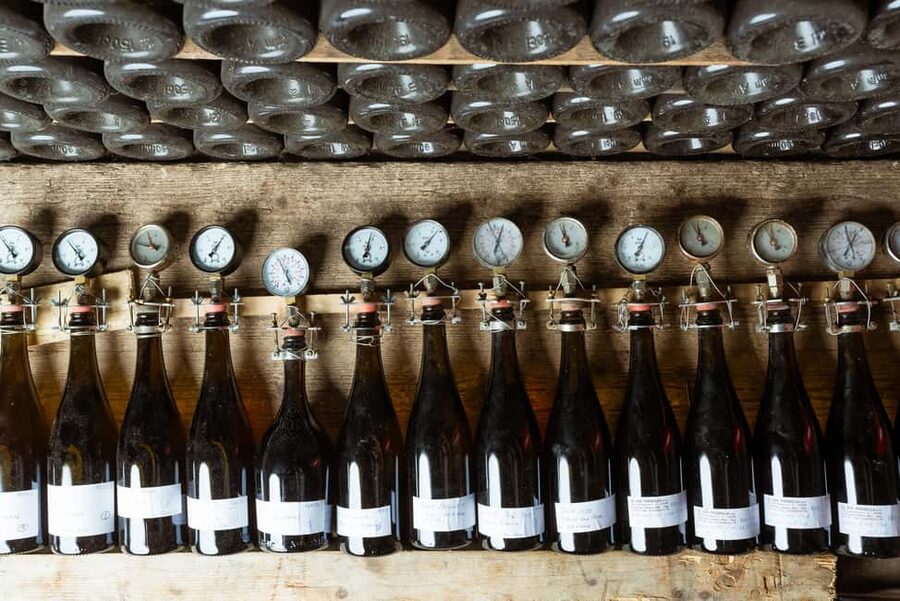
- The 1942 cellar still has working concrete tanks: This is not just a polished display room. First fermentation continues in the original tanks.
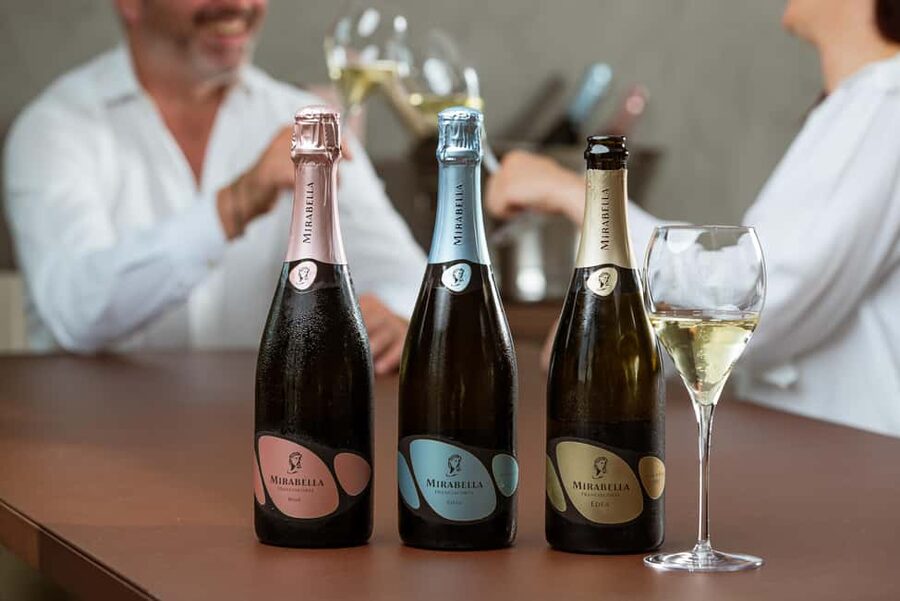
- The tasting covers three distinct styles: You try Edea Brut Blanc de Blanc, Satèn Brut Millesimato, and Rosé Brut.
- The visit lasts about two hours: The booking information lists availability across a day, but the actual winery visit is a compact half-day activity.
- Bring a jacket and sensible shoes: The cellar is cooler than outdoors, and heels or unstable shoes are discouraged.
- The guide matters: Chiara has led the visit with warmth and technical detail, and the staff are described as professional and friendly.
Why this Mirabella visit is different
Many winery visits give you a quick look at the vines, a cellar walk, and a tasting. Mirabella adds a useful point of focus: Pinot Blanc. That makes the opening walk more than a pleasant stroll between rows.
Pinot Blanc is central to the estate’s identity, and Mirabella is known here as Franciacorta’s first producer of the grape. In the collection vineyard, your guide explains the varieties and the production approach while you walk among the vines. You are not simply looking at a large field of grapes. You are seeing the plant material that helps shape the wines in your glass later.
I like this order. Starting outside gives you a basic sense of place before the technical part begins. You can connect the vineyard’s rows, grape choices, and cultivation methods with the bottles served at the tasting.
The visit also suits different levels of wine interest. If you already know Franciacorta, you can pay attention to grape varieties, fermentation, and aging. If you are new to sparkling wine, the guide gives you a framework without requiring a specialist vocabulary.
More Wine Cellar Visits in Italy
- Montepulciano: Wine Tasting and Cellar Tour
★ 4.8 · 545 reviews - Modena: Balsamic Lunch with Vinegar Cellar Tour and Tasting
★ 5.0 · 395 reviews - Tasting Tour in One of The Most Beautiful Cellars in the World
★ 5.0 · 278 reviews
Starting at V. Cantarane, 2
The meeting point is the outdoor square at V. Cantarane, 2. Park there, then go to the reception area of the Enoteca to announce your arrival.
That instruction is worth taking seriously. Do not walk directly into the winemaking area or enter the cellar on your own. The reception desk is the proper starting point, and the staff will direct you from there.
The visit is available in English and Italian. A live guide leads the tour, so you can ask questions as you go rather than relying only on signs or prerecorded information. The booking information also says the experience is wheelchair accessible.
The exact group size is not provided, so I would not assume a private visit. The experience is designed as a guided winery tour, and the quality of your visit will depend partly on the pace and size of the group on your date.
Walking through the Pinot Blanc collection vineyard
The first main stop is the vineyard collection. You walk through rows of Pinot Blanc vines while the guide explains cultivation techniques, the origins of Franciacorta, and Mirabella’s approach to production.
This section gives the tour its sense of place. Sparkling wine can feel abstract when you encounter it only in a glass. Seeing the vines helps you understand that the final drink begins with choices made outdoors: which grapes are planted, how they are grown, and how the estate connects the fruit to its winemaking methods.
The Pinot Blanc focus is also a useful contrast to a generic vineyard tour. You are given a specific grape to watch for and a reason to care about it. Ask the guide how Pinot Blanc contributes to the wines you will taste later, especially the Edea Brut Blanc de Blanc.
There is a practical point here. The tour includes a walk through the rows, so wear closed, comfortable shoes. The winery specifically advises against heels or unstable footwear. You do not need hiking boots, but elegant shoes that are awkward on uneven ground are a poor choice.
The outdoor portion may also be affected by the season and weather, though no alternate plan is specified. Bring a light jacket regardless. You will want it later in the cellar, and it is useful if the vineyard is cool.
Inside the historic 1942 winery
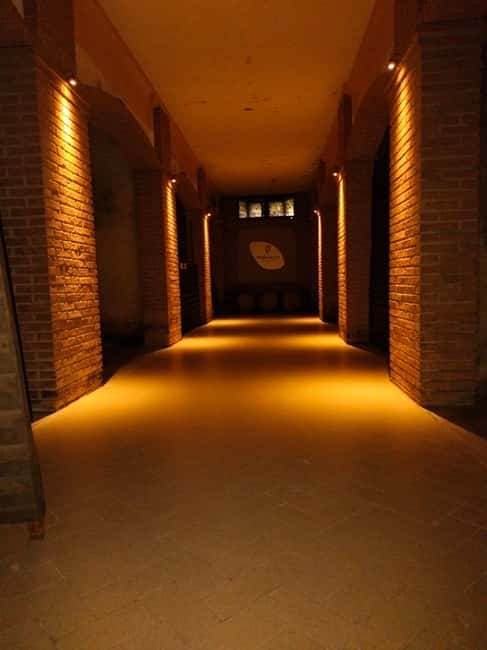
The historic winery is the tour’s strongest stop for anyone interested in how wine is made. The cellar dates to 1942, and the original concrete tanks are still used for first fermentation.
That detail gives the building real purpose. You are not visiting an old room that has been preserved only for atmosphere. You can see a traditional part of the production system still connected to the wine being made today.
Your guide explains fermentation and aging, along with the way Mirabella combines older methods with current production. This is where the visit moves beyond a scenic walk and becomes a proper introduction to Franciacorta winemaking.
The technical content can be as light or detailed as your questions make it. A guide can explain what happens during first fermentation, how aging affects sparkling wine, and why cellar conditions matter. The visit is suitable for curious first-time tasters, but it also has enough production detail to interest serious wine drinkers.
The cellar is cooler than the vineyard and tasting room. Bring a coat or jacket, even in warm weather. This is one of those small details that can affect your enjoyment more than you expect. A cold cellar may be good for wine, but it is less pleasant when you arrive in summer clothing.
Same wine country, a different day out:
- Tuscany Day Trip from Florence: Siena, San Gimignano, Pisa and Lunch at a Winery
★ 5.0 · 21,634 reviews - Florence: Chianti Wineries Tour with Wine Tasting
★ 4.5 · 10,071 reviews - From Florence: Siena, San Gimignano, Pisa & Lunch at Winery
★ 4.8 · 4,538 reviews - Half day Chianti Vineyard Escape from Florence with Wine Tastings
★ 4.5 · 2,196 reviews
Three Mirabella wines at the tasting table
The tour finishes with a guided tasting of three representative Mirabella wines. Each one offers a different style, so the tasting works as a small lesson in Franciacorta rather than three similar pours.
Edea Brut Blanc de Blanc is described as elegant and mineral. This is the wine to consider if you prefer freshness and a clean, precise character. The Blanc de Blanc name signals a white sparkling wine made from white grapes, which fits naturally with the Pinot Blanc discussion earlier in the tour.
Satèn Brut Millesimato is creamy and refined. Satèn is a Franciacorta style known for a softer impression of bubbles, and the millesimato designation indicates a vintage wine. Here, the contrast with the Edea gives you something useful to taste: one wine may feel more mineral and direct, while the other comes across as rounder and smoother.
Rosé Brut is intense and fruity. It gives the tasting a different color, aroma, and overall mood. If you prefer sparkling wines with more fruit character, this may be the bottle that catches your attention.
The tasting is served with artisanal taralli and breadsticks. These are simple foods, but they have a job to do. Their salt and crunch give you something to eat between wines and help prevent the tasting from feeling too austere. They also keep the focus on the wine rather than turning the final stop into a full meal.
Do not expect a large lunch or a broad regional food spread. The supplied snacks are modest. That is fine if you arrive having eaten, but plan your meal separately if you need more than a light accompaniment.
What the guide adds to the visit
The guide is important here because the tour combines history, vineyard work, and wine production. A short walk and cellar visit can feel flat without a good explanation. With a strong guide, the same stops become connected parts of one story.
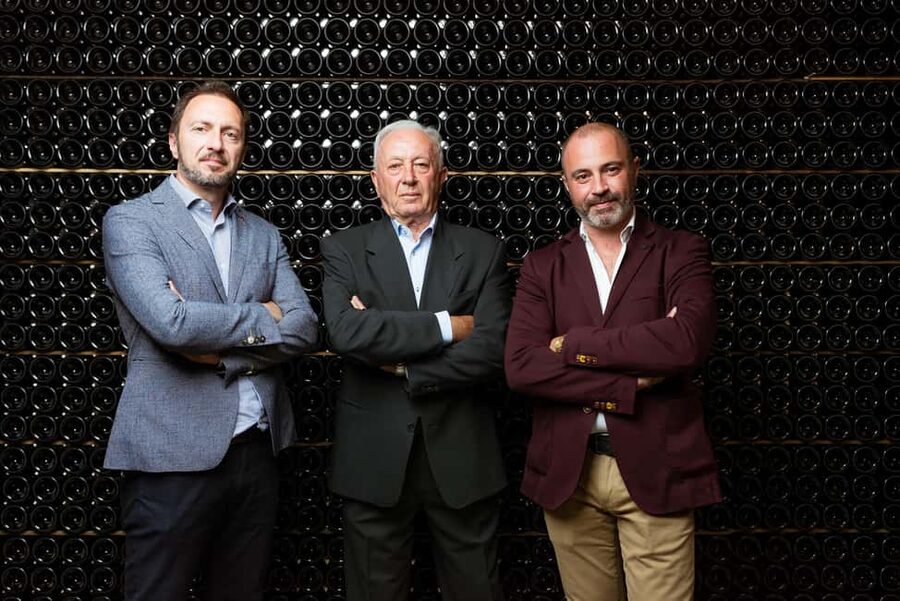
Chiara has led the visit with clear enthusiasm for the family story, Mirabella’s beginnings, and the technical side of winemaking. Her approach is described as both passionate and technically strong. She has also helped make the tasting useful enough to encourage bottle purchases, which suggests that the wines receive proper attention rather than being rushed through.
That does not mean every date will have Chiara. Guide assignments can vary, and English and Italian are the stated tour languages. Still, her involvement gives you a sense of the standard to hope for: friendly presentation, family background, and enough production detail to satisfy questions.
I appreciate that the experience is not framed only as a sales stop. Shopping is included as part of the winery visit, but the tasting comes after the vineyard and cellar sections. You get context before deciding if you want to buy anything.
Is $38 a fair price?
At $38 per person, the value is solid if you want a focused introduction to Franciacorta. You receive a vineyard walk, a guided look at a historic working cellar, three wine samples, and small snacks. The visit also includes a live guide in English or Italian.
The price makes the most sense for you if transportation to the winery is already arranged. The experience begins and ends at V. Cantarane, 2, and no transfer service is listed. If you are staying nearby or have a car, the cost is easier to judge. If you need to organize separate transportation, add that time and expense to your plan.
The visit is also good value for a first taste of the area because it avoids the commitment of a full-day wine itinerary. You get the essential elements in about two hours. That leaves room for another stop, a meal, or time in the surrounding area.
The main limitation is scope. This is not a long vineyard excursion, a multi-estate comparison, or a substantial food pairing. If you want several producers and a full day of tastings, you need a broader wine plan. If you want one well-organized estate visit, $38 is reasonable.
Who will enjoy this experience most?
I would recommend it to anyone who wants a gentle but informative introduction to Franciacorta. It suits couples, families, wine enthusiasts, and curious visitors who want something more grounded than a tasting room visit alone.
Families can bring children, and pets are also welcome if you mention them when booking. The wine tasting is for adults, of course, but the vineyard walk and cellar visit give younger visitors something to see. The experience is also wheelchair accessible, according to the activity information.
It is a particularly good match for you if you care about:
- The connection between vineyard and bottle
- Traditional winery equipment still used in production
- A short visit with a clear beginning, middle, and end
- Learning through conversation with a live guide
- Tasting several styles from one producer
I would be more cautious if you want a large meal, a long countryside walk, or a tasting built around many producers. The snacks are taralli and breadsticks, and the itinerary centers on Mirabella rather than the whole Franciacorta region.
Practical advice for a smoother visit
Arrive at the outdoor parking area and check in at the Enoteca reception. The winery asks you not to enter the production area directly, so give the staff a moment to receive you and start the visit properly.
Wear closed shoes with a stable sole. The tour includes vineyard rows, and the cellar may have surfaces where heels are inconvenient. A light coat or jacket is essential for the cooler indoor section.
Eat something before you arrive if you expect a full meal. Taralli and breadsticks accompany the tasting, but they are not presented as lunch.
Keep some flexibility in your schedule. The booking information presents the experience as a one-day activity with starting times to check, while the detailed itinerary gives roughly two hours at the winery. In practical terms, plan on a compact visit and confirm the available start time when booking.
Cancellation is flexible up to 24 hours in advance for a full refund, and you can reserve now and pay later. Those terms are useful if your plans around Lombardy are still shifting.
Should you book the Mirabella Edea Tour?
Book it if you want an affordable, well-shaped introduction to Franciacorta with a real production focus. The Pinot Blanc collection vineyard and the 1942 cellar give the visit more substance than a simple tasting, while the three wines make the final stop easy to follow.
I especially like it for travelers who want to understand what they are drinking. You see the vines, learn how fermentation and aging fit into the process, then taste Edea, Satèn, and Rosé with small local snacks. That sequence gives your glass a story.
Skip it if you are looking for a full-day wine route, a large meal, or several estates in one outing. But if two hours, three wines, an historic working cellar, and a $38 price suit your plans, Mirabella is a sensible choice. Bring a jacket, wear proper shoes, and leave room in your bag in case the tasting persuades you to take home a bottle.
FAQ
Where does the Mirabella winery visit begin?
The meeting point is at V. Cantarane, 2. Park in the outdoor square and report your arrival at the reception area of the Enoteca.
How long does the winery visit last?
The detailed itinerary describes about two hours at the winery, including the vineyard, cellar, guided visit, tasting, and shopping time.
Which wines are included in the tasting?
You taste Edea Brut Blanc de Blanc, Satèn Brut Millesimato, and Rosé Brut from the Mirabella line.
What food is served with the wine?
The tasting includes artisanal taralli and breadsticks.
Is the tour available in English?
Yes. Live guided visits are offered in English and Italian.
Should I bring a jacket?
Yes. The cellar is cooler than the outdoor areas, and a coat or jacket is recommended.
What shoes should I wear?
Wear closed, comfortable shoes. Heels and unstable shoes are not recommended.
Are children and pets allowed?
Yes. Children and pets are welcome, but you should mention them when booking.
More Food and Drink Experiences in Italy
- From Florence: Private Chianti Hills Tour with Tasting
★ 4.3 · 809 reviews - Lucca: Guided Winery Tour with Wine Tasting
★ 4.7 · 611 reviews - Olbia: Gallura Winery Guided Tour with Tasting
★ 4.7 · 451 reviews - Private 6-Hour Tour of Three Etna Wineries with food&wine tasting
★ 5.0 · 417 reviews
Just added around Italy
- Vineyard Tour and Tasting of Lugana Wines★ 4.5 · 6 reviews
- Picnic and Lugana Tour at Perla del Garda winery★ 5.0 · 6 reviews
- Visit winery and vineyards, tasting 4 wines with 3 matching dishes★ 5.0 · 3 reviews
- Winery tours and tastings in Bolgheri with Wine Guide★ 5.0 · 16 reviews
- Guided tour of vineyards and winery with tasting 4 wines★ 4.5 · 12 reviews
- Private Chianti and SuperTuscan Tour 2 wineries with Light Lunch from Livorno★ 4.5 · 5 reviews
- Winery Tour & Tasting in Pisa Countryside★ 5.0 · 2 reviews
- Pisa, Lucca, and Lunch at a Tuscan Winery from Livorno★ 5.0 · 5 reviews
Italy Vineyard Tours, compared.
Tuscany Day Trip from Florence: Siena, San Gimignano, Pisa and Lunch at a Winery
Read our review →
Half day Chianti Vineyard Escape from Florence with Wine Tastings
Read our review →
Tuscany Wine Tour: 2 Wineries & San Gimignano from Florence
Read our review →
Chianti Wineries Tour with Tuscan Lunch and San Gimignano
Read our review →
Private Self-Guided E-Bike Ride in Tuscany with Vineyard Visit
Read our review →
Browse the lists this tour appears in