REVIEW · ITALY
Duca di Salaparuta Winery : Tour Doc Sicily
Duca di Salaparuta’s Sicilia DOC tour is really two experiences in one: a look at a winery that helped move Sicilian wine into the modern era, followed by a focused tasting of Grillo and Nero d’Avola. The story begins in 1824, when Giuseppe Alliata bottled wines inspired by the elegance of French wine.
I like the clear focus on two signature Sicilian grapes, and I like that five small food pairings turn the tasting into a proper introduction to local flavors. The main limitation is simple: you do not visit the vineyards, so this is a cellar and tasting experience rather than a full estate tour.
Key points to know before booking
- A 200-year-old family wine story: Giuseppe Alliata began bottling distinctive white and red wines in 1824 after feudal privileges were abolished.
- Two classic Sicilian grapes: The tasting centers on Grillo, a white grape, and Nero d’Avola, a red grape.
- Five wines and five food pairings: Small Sicilian snacks help you compare the wines with local flavors.
- A concise 90-minute visit: The format works well for a half-day plan in Sicily and does not take over your schedule.
- English guidance with a personal touch: Laura has led sessions described as fun, clear, and engaging, including a last-minute private booking.
- A wine shop at the end: You can browse bottles after the tasting, though vineyard visits are not part of the experience.
Why the 1824 story matters in the tasting room
The most useful part of this tour is not simply hearing that Duca di Salaparuta is old. It is understanding the choice that shaped the winery from the beginning.
In 1824, Giuseppe Alliata turned his attention to his vineyards in Casteldaccia after the end of feudal privileges. He bottled a white wine and a red wine that differed from the Sicilian wines of his time. His model was the elegance of French wine, and that decision required a fair bit of nerve in an era when local production followed more established habits.
That gives the cellar tour a clear subject. You are not just walking past barrels and hearing dates. You are hearing about a deliberate attempt to change how Sicilian wine was made and presented. The winery frames this as part of the first pages of modern Sicilian winemaking.
I find that context useful because it gives the tasting a purpose. Grillo and Nero d’Avola are not introduced as random bottles from a large catalog. They are part of a conversation about Sicily finding its own modern wine identity while still using native grapes.
The story also helps you understand why the tour places such weight on elegance and experimentation. You can listen for the contrast between traditional Sicilian production and Alliata’s outward-looking approach. The visit is short, so do not expect a long academic lecture, but the historical thread gives the 90 minutes shape.
A few more vineyard days around Italy worth a look
- Tuscany Day Trip from Florence: Siena, San Gimignano, Pisa and Lunch at a Winery
★ 5.0 · 21,634 reviews - Florence: Chianti Wineries Tour with Wine Tasting
★ 4.5 · 10,071 reviews - From Florence: Siena, San Gimignano, Pisa & Lunch at Winery
★ 4.8 · 4,538 reviews
Inside the cellar: a compact route with a clear focus
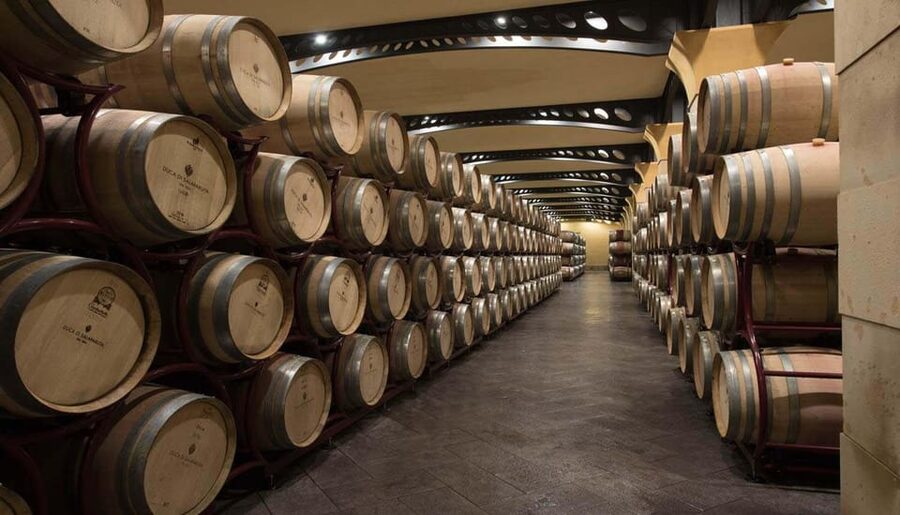
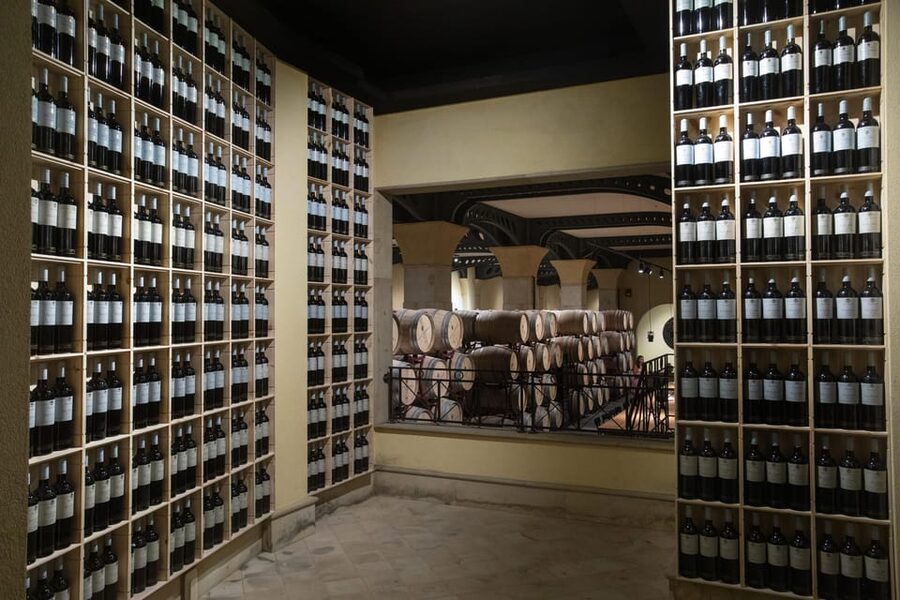
The included cellar visit is the first part of the experience. The available information does not set out a room-by-room route, so I would not book this expecting a technical tour of every production stage. Instead, think of it as an introduction to the winery, its story, and the wines you are about to taste.
That format suits you if you want useful context without spending half a day on wine production. A 90-minute visit can fit before lunch, between sightseeing stops, or into a broader day in Sicily. It is long enough to give the wines meaning, but short enough to keep your plans flexible.
The English-speaking guide matters here. A good cellar visit depends on explanation, not just scenery. Laura has been described as fun and well informed, and she has handled a last-minute booking even when only one booking was scheduled for the time slot. That suggests the visit can retain a personal feel instead of becoming a stiff, one-size-fits-all presentation.
Still, keep your expectations in the right place. The vineyards are not included. You will not walk among the vines or see the countryside where the grapes grow as part of this booking. If vineyard rows and a broad estate visit are essential to your idea of a winery tour, you will need to check for a different experience.
For many people, that tradeoff is reasonable. The cellar and tasting are the heart of the visit, and the shorter schedule makes this a practical choice for a first look at Sicilian wine.
Grillo: a useful introduction to Sicilian white wine

Grillo is one of the two grape varieties given center stage. The supplied details do not specify the exact bottles or tasting notes, so I would avoid arriving with a fixed expectation about sweetness, acidity, or fruit character. The point is to meet the grape through the winery’s own interpretation.
The tasting gives you a chance to pay attention to how the white wine changes beside food. That is important because wine can taste quite different on its own compared with a small savory bite. The five pairings should help you notice how Sicilian snacks affect the wine’s freshness, weight, and finish.
I like this kind of structure for anyone who is still learning wine. You do not need to know how to taste, and you do not need to memorize grape-growing regions before arriving. Start with a simple question: do you prefer the Grillo alone, or with one of the foods? Then ask what changes.
The guide can also place Grillo within the wider story of Sicilian winemaking. Because the experience focuses on native grapes rather than a long list of international varieties, you leave with a clearer sense of place. The tasting is not trying to cover every wine Sicily produces. It gives you two firm reference points.
Nero d’Avola: Sicily’s red counterpart
Nero d’Avola provides the red half of the experience. Again, the activity information does not name specific vintages or describe the exact wine profile, so the best approach is to let the tasting show you the style rather than assuming every Nero d’Avola tastes the same.
The five-wine format gives the guide room to make comparisons. You may taste different expressions from the winery, or you may taste a selection that places Grillo and Nero d’Avola alongside other bottles. The exact lineup can depend on availability, so consider the tasting a guided overview rather than a fixed technical flight.
The food pairings are especially useful with the red wines. Small bites can show you how the wine behaves with salt, herbs, richness, or other local flavors. You do not need a large meal to learn something. In fact, small portions keep the attention on the wine and let you compare without becoming too full.
I also appreciate that the tasting is not presented as a stand-alone drinking session. The story of Duca di Salaparuta, the cellar visit, the two grape varieties, and the snacks all connect. If you listen for those links, the tasting feels more like a lesson in Sicilian food and wine than a simple sample of five bottles.
Same wine country, a different day out:
- Half day Chianti Vineyard Escape from Florence with Wine Tastings
★ 4.5 · 2,196 reviews - Tuscany Wine Tour: 2 Wineries & San Gimignano from Florence
★ 5.0 · 1,007 reviews - From Florence: Private Chianti Hills Tour with Tasting
★ 4.3 · 809 reviews - Chianti Wineries Tour with Tuscan Lunch and San Gimignano
★ 5.0 · 793 reviews
Five wines and five Sicilian pairings
The food pairing is one of the strongest practical reasons to choose this tour. You receive five small typical Sicilian snacks alongside the wines. The information does not name each dish, so do not book it expecting a particular local recipe. What you can count on is a tasting designed to connect the wines with Sicilian flavors.
For you, the benefit is comparison. A sip of wine tells you one thing. A sip after a bite of food tells you something else. You can watch for whether the wine feels softer, sharper, fuller, or more balanced with the snack.
The five-pairing structure also spreads the tasting across the full visit. You are not rushed through one welcome glass and then sent to the shop. Each pairing gives the guide another chance to explain the bottle and gives you a reason to slow down.
This is a good feature for couples and small groups with different levels of wine interest. The person who already knows Sicilian wine can focus on differences between bottles. The beginner can use the food as a simple guide and decide what tastes best.
Keep in mind that this is a tasting, not lunch. The snacks are small, and the package does not promise a full meal. If you arrive hungry, plan food before or after the visit.
How much value do you get for $34?
At $34 per person, this tour sits in the reasonable range for a guided winery visit with five wines and food pairings. The value depends on what you want from the experience.
If you are mainly looking for a cheap drink, the price may feel high. You are paying for more than the liquid in the glasses. The fee covers an English-guided cellar visit, the winery’s historical story, five wines, five Sicilian snacks, and access to the wine shop afterward.
I think the price works best for you if you value explanation. A bottle shop can sell you wine, but it cannot give you the same context about Giuseppe Alliata, the winery’s early direction, and the relationship between Grillo and Nero d’Avola.
The 90-minute length also helps the value. You are not committing an entire day, and the activity can fit neatly into a wider Sicily itinerary. That matters if you are moving between towns or planning several cultural stops.
There are two limits to keep in mind. First, the vineyards are excluded, so you are not paying for a full countryside estate visit. Second, the available information does not confirm the exact wine lineup, snack menu, or group size. If those details matter to your decision, check the available date and ask the provider before booking.
The free cancellation window adds practical value. You can cancel up to 24 hours before the activity for a full refund, and the reserve-now, pay-later option lets you hold a place without paying immediately. Those terms are useful when your Sicily plans are still shifting.
The wine shop is part of the experience
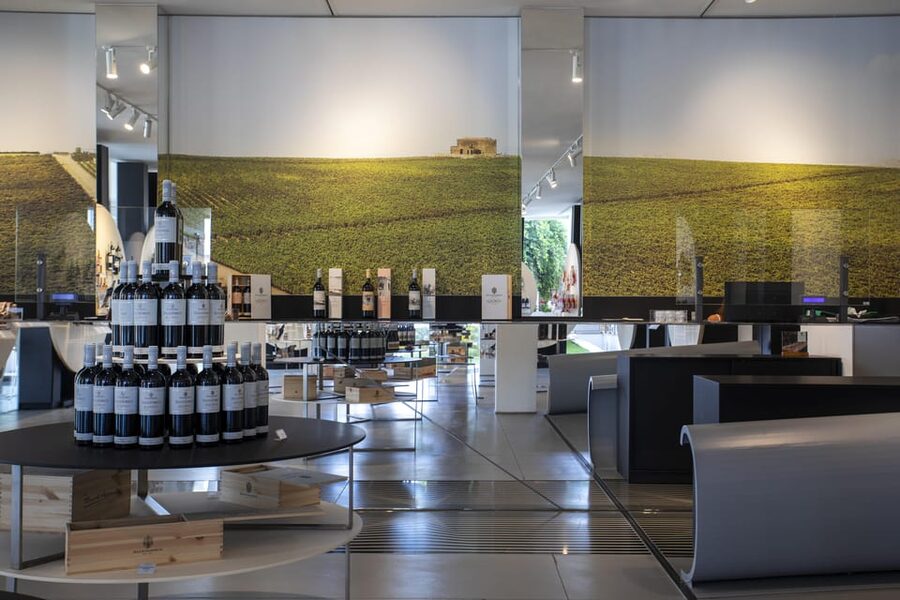
The visit ends with access to a wine shop. This is more useful than a generic souvenir stop because you have just tasted the bottles and heard the winery’s story. You can make a purchase based on something you actually tried, rather than guessing from a label.
I would wait until the end before deciding what to buy. Take a mental note of which wine worked best with the food, which bottle you preferred on its own, and whether you liked the white or red style more. The shop gives you time to browse after the formal tasting has finished.
The provided information does not say whether shipping is available, so do not assume you can send bottles home. If you buy wine, ask about local transport, packaging, and any restrictions that apply to your onward journey.
The shop also gives the tour a natural finish. You can leave with a bottle, or simply leave with a better idea of what to look for when ordering Sicilian wine elsewhere.
Who will enjoy this 90-minute visit?
I would recommend this experience to you if you want a short, focused introduction to Sicilian wine rather than a large estate production tour. It suits couples, small groups, and anyone who wants an English-language activity with a mix of history, tasting, and local food.
It is also a good fit if you are new to wine. The two-grape focus keeps the subject manageable, and the five food pairings give you an easy way to compare what you taste.
You should also consider it if you are already interested in Sicilian wine but want a structured tasting. The winery’s 1824 origin story provides a useful starting point, while the shop lets you continue the subject after the tour.
I would be more cautious if your priority is seeing vineyards. Since the visit does not include them, it will not satisfy someone looking for vine-to-bottle scenery or a walk through the growing grounds.
The activity is wheelchair accessible, which makes it easier for more people to consider. English is the listed tour language, so confirm that this works for your group before reserving.
Practical planning for your visit
The tour lasts 1.5 hours, and starting times depend on availability. Check the schedule before building the rest of your day around it. A morning or afternoon slot could work well, but leave enough space for transportation and any extra time you want at the wine shop.
Because the exact group size is not provided, you should not assume the visit will be private. Still, the experience can feel personal in a smaller group, and Laura has led an English visit for a last-minute booking with only one booking in that time slot.
The reserve-now, pay-later option is helpful if you are still arranging transport or coordinating several stops. You can book without paying today, while cancellation up to 24 hours before the visit provides a useful safety margin.
The winery is called Cantine Duca di Salaparuta. The supplied details identify the location only as Sicily, Italy, so check the precise meeting point and transport instructions when you reserve. Do not assume that vineyard access, transportation to the winery, or a meal is included.
Should you book Duca di Salaparuta’s Sicilia DOC tour?
Book it if you want a well-paced English introduction to Sicilian wine, with a clear focus on Grillo, Nero d’Avola, five wines, and five small local pairings. The 1824 story gives the tasting substance, while the wine shop lets you continue the experience at your own pace.
Skip it if walking through vineyards is the main reason you visit a winery. This is a cellar-and-tasting tour, not a vineyard excursion.
At $34, the package offers fair value for a 90-minute guided visit with food and wine. For me, its best feature is the balance: enough history to make the bottles meaningful, enough tasting to keep the visit lively, and not so much time that it crowds out the rest of your Sicily plans.
FAQ
How long does the Duca di Salaparuta tour last?
The tour lasts 1.5 hours. Starting times vary, so check availability when booking.
What wines are included?
The experience focuses on two Sicilian grape varieties, Grillo and Nero d’Avola. You taste five wines in total.
Is food included?
Yes. The tour includes five small typical Sicilian snacks for pairing with the wines.
Is the tour available in English?
Yes. The activity includes a live English-speaking guide.
Does the tour include a vineyard visit?
No. The included visit covers the cellar, while the vineyards are not part of the experience.
Can I cancel or pay later?
You can cancel up to 24 hours in advance for a full refund. The reserve-now, pay-later option allows you to book without paying immediately.
Just added around Italy
- Vineyard Tour and Tasting of Lugana Wines★ 4.5 · 6 reviews
- Picnic and Lugana Tour at Perla del Garda winery★ 5.0 · 6 reviews
- Visit winery and vineyards, tasting 4 wines with 3 matching dishes★ 5.0 · 3 reviews
- Winery tours and tastings in Bolgheri with Wine Guide★ 5.0 · 16 reviews
- Guided tour of vineyards and winery with tasting 4 wines★ 4.5 · 12 reviews
- Private Chianti and SuperTuscan Tour 2 wineries with Light Lunch from Livorno★ 4.5 · 5 reviews
- Winery Tour & Tasting in Pisa Countryside★ 5.0 · 2 reviews
- San Gimignano and Winery Experience with Lunch from Livorno★ 5.0 · 3 reviews
Italy Vineyard Tours, compared.

Tuscany Day Trip from Florence: Siena, San Gimignano, Pisa and Lunch at a Winery
Read our review →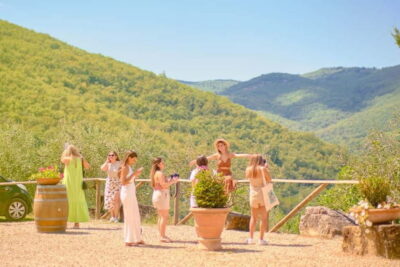

Half day Chianti Vineyard Escape from Florence with Wine Tastings
Read our review →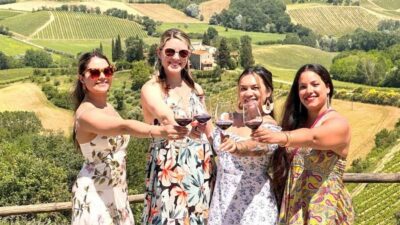
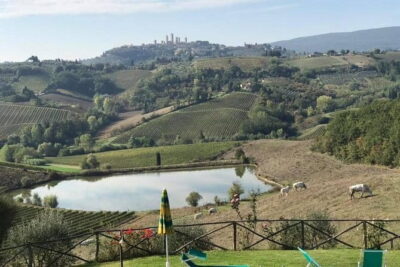
Tuscany Wine Tour: 2 Wineries & San Gimignano from Florence
Read our review →
Chianti Wineries Tour with Tuscan Lunch and San Gimignano
Read our review →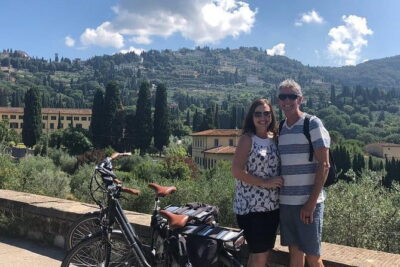
Private Self-Guided E-Bike Ride in Tuscany with Vineyard Visit
Read our review →