
REVIEW · FRANCE
Discovery of a Champagne from Vintner, from the cellar to the tasting
Champagne Rémy Massin et fils gives you a close look at how a family producer turns grapes into sparkling wine, from the loading dock and pneumatic press to tanks, bottle storage, and riddling racks. The tour takes place in an above-ground workshop, not a romantic underground chalk cellar, so expectations matter.
I like the human scale of this visit and the chance to taste a varied selection rather than only one house style. I also like the 90-minute format: long enough to explain production, short enough to fit neatly into a day of exploring the Côte des Bar.
The main drawback is the uneven English support. Marion, Isabelle, or another member of the family may guide or translate, but the amount of detail in English can depend on who leads the visit. If you want technical explanations, ask questions as you go.
- Production from grape to bottle: See the pneumatic press, steel tanks, automatic sloping racks, and bottle storage room.
- Family-run Champagne house: The visit has a personal feel, with hosts such as Marion and Isabelle welcoming and guiding visitors.
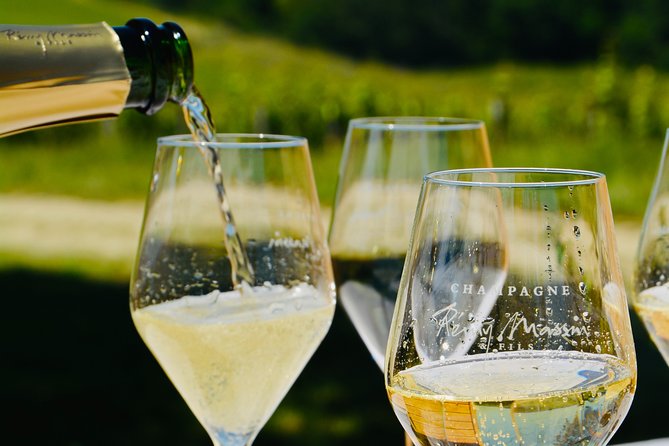
- Four-cuvée tasting: A tasting can include four different Champagnes, with extra attention to grape varieties, aromas, and notes.
- Above-ground facilities: You will not walk through a traditional underground cellar, and the producer explains this clearly.
- Small group size: A maximum of 12 people keeps the visit more manageable than a large commercial tour.
- Good short stop: The one-hour-30-minute visit works well as part of a driving day through the Champagne area.
A family Champagne house in Ville-sur-Arce
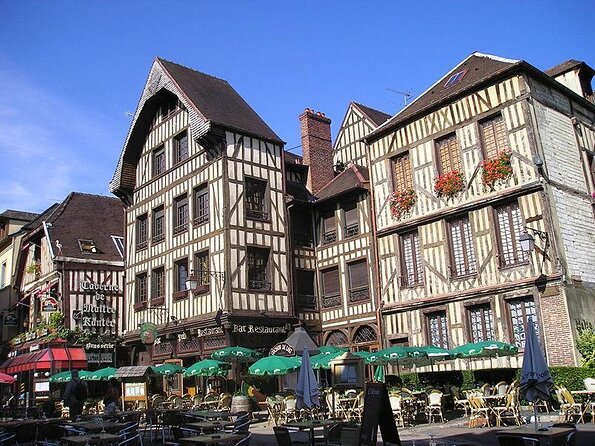
Ville-sur-Arce sits in the Côte des Bar, the southern part of Champagne. This area has a strong connection to Pinot Noir, and smaller growers often offer a different feel from the famous names around Reims and Épernay.
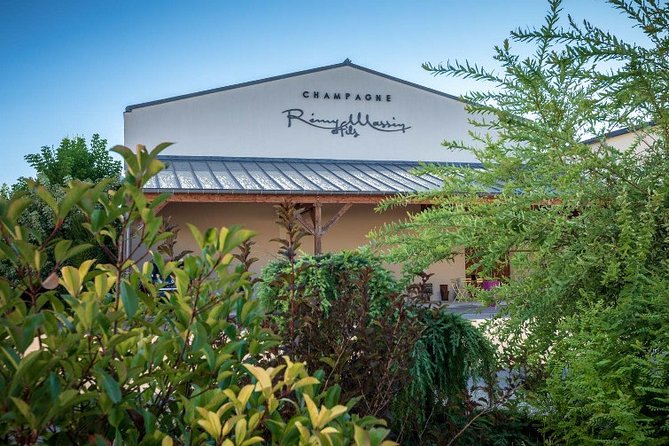
At 34 Grande Rue, Champagne Rémy Massin et fils presents the working side of production. You are not simply led into a polished tasting room, handed a glass, and sent on your way. The visit explains how grapes arrive, how juice is pressed, how wine is stored, and how bottles are handled before sale.
That family connection shapes the mood. The hosts are described as warm and direct, and the names Marion and Isabelle come up in connection with welcoming and guiding the visit. An owner may also help translate the tour into English. You get the sense of a producer who wants to talk about its own wines, not deliver a memorized sales pitch.
I would choose this kind of stop if you are curious about grower Champagne and want to spend time with a smaller operation. It is less suited to someone expecting grand architecture, elaborate underground tunnels, or a large museum-style presentation.
The 45-minute production visit
The first 45 minutes focus on Champagne making. The tour covers the grapes arriving at the property, the pneumatic press, the winery’s stainless steel tanks, automatic riddling equipment, and bottle storage.
That sequence gives you a useful outline of the process. Grapes must be pressed gently, the juice is fermented, and the wine is later bottled and handled in ways that create the familiar bubbles and sediment-free finish. The equipment helps make those steps easier to understand than a purely verbal explanation.
The pneumatic press is one of the practical details worth noticing. Champagne grapes need careful pressing because the producer wants clean juice while limiting unwanted color and harshness. The winery tanks then provide controlled spaces for fermentation and storage.
You also see automatic sloping racks, the equipment used to position bottles during the riddling stage. Traditionally, bottles were turned and angled by hand to move sediment toward the neck. Automation does the same basic job more efficiently, though it makes the process feel more industrial than a hand-riddled cellar.
Bottle storage is another useful stop. Champagne is not finished when the first fermentation ends. The bottles need time and careful handling before they are ready to drink. Seeing the storage room helps explain why a bottle’s price reflects more than the grapes and the glass.
The producer’s workshop is above ground, using artificial cooling rather than an underground cellar. That point deserves a clear warning. If your mental picture of Champagne involves cool tunnels cut into chalk, this visit will not provide it. The house explains that its facilities were built above ground, and the tour instead shows the working rooms and equipment used to make the wine.
I consider that a fair trade for a smaller family operation, but it is not a detail to overlook. You are coming here to understand the production process and taste the wines, not to admire historic caverns.
More Wine Cellar Visits in France
- Epernay: Guided Tour of Champagne Cellar with Tastings
★ 4.7 · 507 reviews - Paris Art of Pairing Cheese and Wine Tasting in a Cheese Cellar
★ 5.0 · 386 reviews - Paris – Guided Visit & Tasting in a Royal Wine Cellar
★ 4.5 · 221 reviews
How much English will you hear?
The experience is offered in English, but the level of English explanation may vary. One English-language visit received a much shorter explanation than the French presentation, while another was translated throughout by one of the owners.
That difference is important if you are booking specifically for wine education. The basic Champagne-making information should be covered, but the depth may depend on the guide, the group, and the questions you ask.
I would use a simple strategy: tell the guide at the start that you want the full explanation in English, then ask about any step that is unclear. The staff has indicated that they can provide a more detailed document when needed and answer questions during the visit.
Marion and Isabelle are both associated with especially friendly, attentive visits. You may not get the same person every time, so I would treat the names as useful possibilities rather than a guarantee.
This is not a silent audio-guide experience. The quality depends partly on the conversation in the room. That can be a strength if you enjoy asking questions, but it can frustrate you if you expect a polished bilingual script.
The 45-minute tasting
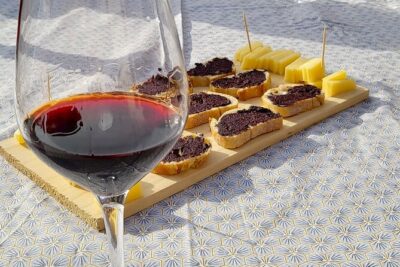
The second half moves to the tasting room. A standard tasting can include four varieties, giving you a chance to compare styles instead of judging the producer from a single bottle.
The tasting is not only about deciding which Champagne you like best. A good comparison helps you notice how grape variety, sweetness, blending, and aging change the wine. One especially positive account singled out the rosé, while another preferred a Pinot Noir expression for its easy-drinking character.
You may be offered explanations of the notes and character of each wine as you taste. This is where the personal approach works well. Instead of treating the bottles as interchangeable, the host can tell you what you are drinking and how it reflects the house.
The range appears broad enough to include different expressions of the producer’s style. Pinot Noir is important in the southern Champagne area, and tasting several cuvées lets you compare a fuller red-fruit character with lighter or more delicate wines.
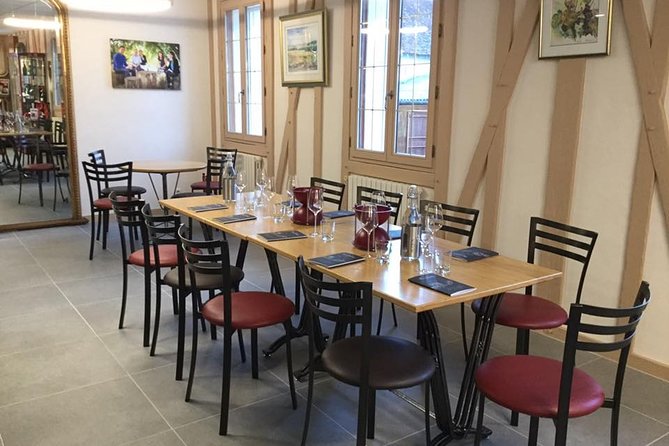
The tasting room itself is described as pleasant and comfortable. You should expect a seated tasting rather than a walk around the production floor with a glass in hand. The atmosphere is friendly, and the tasting may naturally lead to buying a bottle or two.
A small note on price: the current activity information gives a price of about $14.44 per person and lists both the cellar visit and tasting as included. An older account refers to an €8 charge for tasting four varieties, so inclusion may have changed or may depend on the booking arrangement. Check the exact terms shown when you reserve, especially if tasting fees are important to your budget.
At the listed price, the experience offers good value if you want both instruction and wine. A private tasting alone can cost a similar amount in a well-known Champagne town, while this visit adds a production tour and direct contact with the maker.
Why the above-ground cellar matters
The word cellar can create a particular expectation. In Champagne, many famous houses lead you through long underground galleries cut into chalk. Rémy Massin et fils does not offer that type of setting.
The production area is above ground and cooled by equipment. Some people will find that disappointing, especially if they booked mainly for the atmosphere of a historic cellar. You will not get the echoing tunnels, stacked bottles disappearing into the distance, or dramatic underground setting.
Still, an above-ground workshop can make the production easier to follow. You see the practical equipment at closer range, including the loading area, tanks, riddling racks, and storage rooms. For me, that is more useful than a grand cellar if your main goal is to understand how the wine is made.
The right question is not whether the property has an underground cellar. Ask yourself if you prefer working production details or historic cellar scenery. This house is better for the first.
More Champagne House Tours in France:
- Champagne Day Trip with 6 Tastings, Reims and Winery from Paris
★ 5.0 · 902 reviews - From Reims: Champagne and Family-Run Wineries Tour
★ 4.8 · 671 reviews - Champagne Area Small-Group Tour including a Top Champagne house & Family Winery
★ 4.0 · 78 reviews - Paris: Champagne Cellars Tour and Tastings with a Sommelier
★ 4.9 · 74 reviews
Timing, group size, and the practical feel
The visit lasts about one hour and 30 minutes, split into two equal parts. That division gives the tour a natural rhythm: learn first, taste second.
The group is limited to 12 people. That is small enough for questions and personal attention, though the experience will still depend on who else is booked. A full group may feel more social, while a smaller group may allow more time with the host.
The meeting point and return point are the same: 34 Grande Rue in Ville-sur-Arce. This is convenient if you are driving between villages and vineyards because you do not need to arrange a separate pickup or finish somewhere else.
Confirmation is sent within 48 hours, subject to availability. I would not build a tightly timed chain of reservations around this visit until your booking is confirmed.
The activity is available in English and allows service animals. Most people can participate. Because the stop includes walking through production areas and standing or moving between rooms may be involved, ask the producer directly if you have a specific mobility concern. That is more useful than assuming every part of the facility will suit every need.
Free cancellation is available if you cancel at least 24 hours before the start time. Changes or cancellations inside that window are not accepted for a refund.
Who will enjoy this Champagne visit?
This is a good match for you if you want a small producer experience rather than a famous-brand tour. It also suits anyone who likes to compare wines and learn how the equipment works.
I would recommend it to:
- Couples planning a self-drive route through the Côte des Bar.
- Wine drinkers who want to taste several house styles.
- Visitors who prefer family contact over a large commercial operation.
- People with about 90 minutes to spare between vineyard stops.
- Curious beginners who want a plain explanation of Champagne production.
You may want another type of tour if underground cellars are essential to your plans. You should also think twice if you need a highly technical English lecture with consistent translation from start to finish.
The experience works particularly well for mixed groups. A serious wine drinker can ask about pressing, tanks, riddling, and grape varieties, while a newcomer can focus on the basic steps and the tasting. The group size keeps the visit from feeling like a large bus stop.
Is the price worth it?
At $14.44 per person, the value is strong if the listed price includes the 45-minute tour and 45-minute tasting. You are paying for access to a working producer, an explanation of production, and several Champagnes to compare.
The direct tasting matters. Buying a bottle without understanding the house style is guesswork. Here, you can taste first, ask about the differences, and decide if a bottle suits you.
The value is less clear if your main goal is spectacle. You are not paying for a grand cellar, a major-brand visitor center, or a long historical display. You are paying for a straightforward visit to a family producer.
I would also budget a little extra flexibility in case you want to buy wine. The tasting is designed to introduce you to the range, and leaving without a bottle may be difficult if you find a favorite. There is no pressure implied by the format, but direct sales are part of the traditional small-producer experience.
My advice before you book
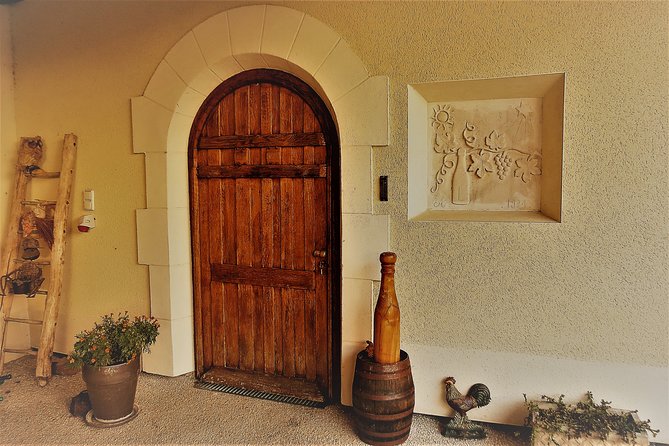
Keep your expectations precise. This is a friendly, educational visit at a family Champagne house, not a polished show built around underground tunnels.
Ask for the English explanation you need. If a technical point matters to you, raise it during the production tour. Ask which grapes are used, how the bottles are handled, and what makes one cuvée different from another. A conversational visit rewards curiosity.
Also confirm what the price includes when you book, since tasting arrangements have not always been described the same way. The current details indicate that the tasting is included, but a quick check can avoid confusion.
Should you book Champagne Rémy Massin et fils?
Book it if you want a personal introduction to a smaller Champagne producer, a look at real production equipment, and a four-wine tasting in a manageable 90-minute visit. The friendly hosts, family setting, Pinot Noir focus, and good price make it an appealing stop in Ville-sur-Arce.
Skip it if the main reason you are visiting Champagne is to walk underground through historic chalk tunnels. Also consider another option if you need a fully detailed English presentation every time.
For most wine-curious visitors with realistic expectations, I would choose this tour. It gives you the useful parts of a cellar visit, adds a tasting, and keeps the experience direct and human.
FAQ
Where does the Champagne tour begin?
It begins at Champagne Rémy Massin et fils, 34 Grande Rue, 10110 Ville-sur-Arce, France.
Where does the activity end?
The activity ends back at the same meeting point.
How long does the experience last?
The experience lasts approximately one hour and 30 minutes.
How is the time divided?
The cellar and production visit lasts about 45 minutes, followed by a Champagne tasting lasting about 45 minutes.
Is the tour offered in English?
Yes, the activity is offered in English. The amount of detailed English explanation can vary, and an owner may help translate.
How many people can join?
The maximum group size is 12 people.
Is the tasting included?
The current activity information lists the Champagne tasting as included in the admission. Check the exact booking terms because tasting arrangements have also been offered separately in the past.
Is there an underground cellar?
No. The producer’s workshop is above ground and uses artificial cooling. The tour shows the loading docks, pneumatic press, steel tanks, automatic sloping racks, and bottle storage room.
Can I cancel for a full refund?
Yes, if you cancel at least 24 hours before the experience begins. Cancellations or changes made less than 24 hours before the start time are not refunded.
More Food and Drink Experiences in France
- Medoc or Saint Emilion Wine Tasting and Chateau from Bordeaux
★ 5.0 · 1,415 reviews - Saint-Émilion: Grand Cru Classé Winery Visit and Tasting
★ 4.6 · 1,118 reviews - Saint Emilion Half-Day Trip with Wine Tasting & Winery Visit from Bordeaux
★ 4.5 · 1,034 reviews - Saint-Émilion: Bordeaux Vineyard Tour and Wine Tasting
★ 4.8 · 578 reviews
Just added around France
- 3-Hour Private Painting tuition in a beautiful Cognac vineyard★ 3.5 · 2 reviews
- 4×4 tour in a winery followed by a tasting★ 5.0 · 46 reviews
- Winery Visit with Food and Wine in Carcassonne★ 5.0 · 59 reviews
- Walk in the vineyards of Chablis Grands Crus★ 4.5 · 7 reviews
- Wine Getaway with Tasting in the Chablis Vineyard★ 5.0 · 3 reviews
- Winery Tour & Wine Tasting – Deli Plate & 3 Wines★ 5.0 · 72 reviews
- Visit to the Faugères Vineyards with Picnic from Béziers★ 5.0 · 7 reviews
- Languedoc Vineyard Tours★ 5.0 · 25 reviews
France Vineyard Tours, compared.
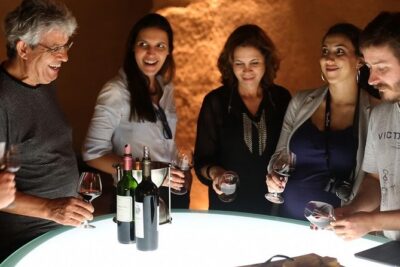
Medoc or Saint Emilion Wine Tasting and Chateau from Bordeaux
Read our review →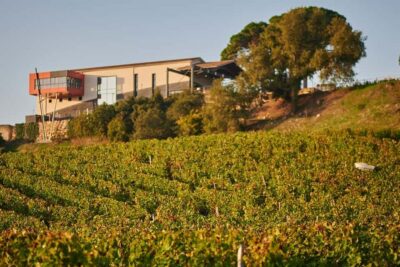
Saint-Émilion: Grand Cru Classé Winery Visit and Tasting
Read our review →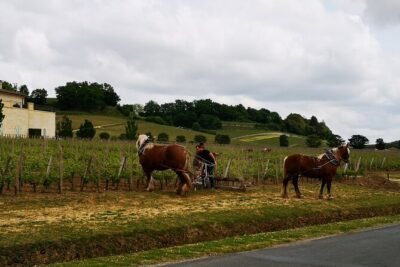
Saint Emilion Half-Day Trip with Wine Tasting & Winery Visit from Bordeaux
Read our review →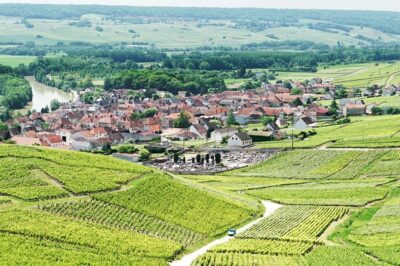
Champagne Day Trip with 6 Tastings, Reims and Winery from Paris
Read our review →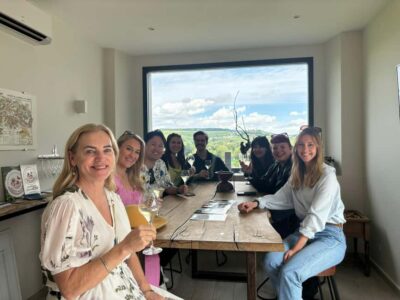
Saint-Emilion Afternoon Wine Tour – 2 Wineries & delicacies
Read our review →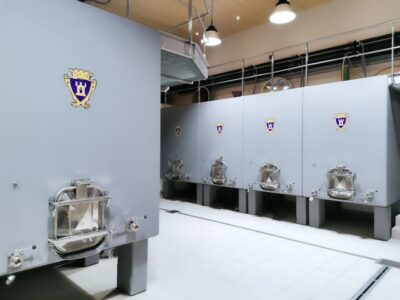
Saint-Émilion: Bordeaux Vineyard Tour and Wine Tasting
Read our review →
Browse the lists this tour appears in