
REVIEW · FRANCE
Château de Luc: Unique visit and wine tasting
The best part of Château de Luc is the trip below the old house, into its 14th-century underground cellar. This is not just a quick tasting room stop. You first follow the story of the estate and the wider Languedoc wine trade, then sample organic wines in a former stable. I like the family connection and the way the tour links wine to the great events of the Midi, including the 1907 winegrowers’ revolt.
I also like the price: $15 per person includes the historical visit and 3 to 6 wines, while children under legal drinking age enter free. Jeanne has guided some visits with warmth and clear explanations, and the tour is offered in French, English, and Spanish. The main drawback is that the visit may feel short if you want a technical winery tour, and one recent tasting found the wines underwhelming. Wheelchair users should also choose another activity.
Key points to know before you go
- The cellar is the star: Walk beneath the historic château into a 14th-century underground wine cellar.
- The story goes beyond the family: The tour explains the rise of the Midi wine trade and the 1907 revolt.
- You taste organic wines: Sample 3 to 6 bottles from IGP Pays d’Oc, AOC Languedoc, Corbières, and Minervois.
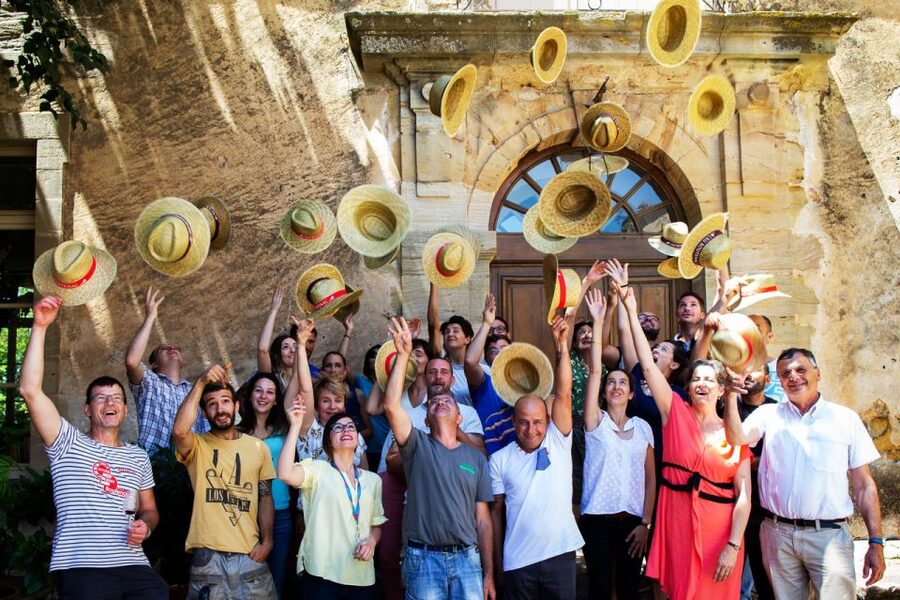
- The setting is personal: Château de Luc is part of the Fabre family wine business, not a large commercial attraction.
- Language is flexible: Live guiding is available in French, English, and Spanish.
- The price is modest: At $15, the visit offers good value if you enjoy both regional history and wine.
Why Château de Luc feels different from a standard tasting
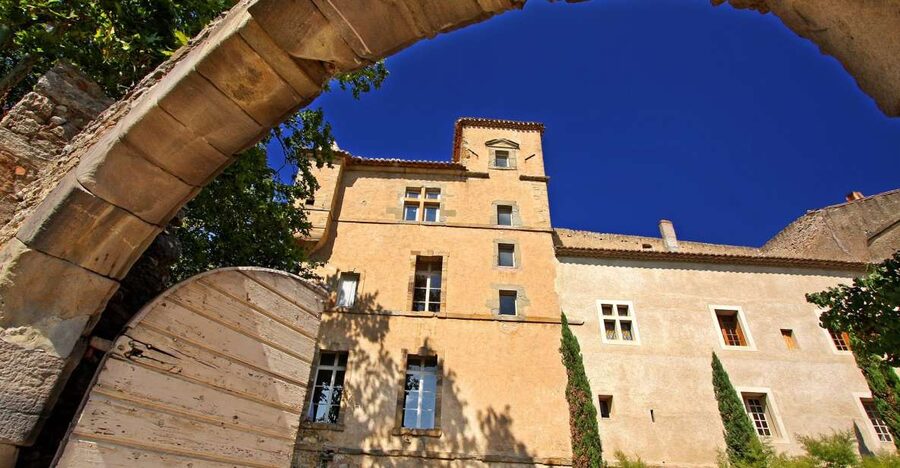
Many winery visits begin and end with a glass in a polished tasting room. Château de Luc takes a more useful route. You begin with the building, the family, and the forces that shaped wine production in southern France. Only then do you taste the finished product.
That order matters. A bottle of Corbières or Minervois means more when you understand the people and work behind it. The visit presents wine as part of the life of the Midi, not simply as a product on a shelf.
This is a family-run operation, and that changes the tone. You are not being passed through a large facility on a fixed script. The guides discuss the estate’s ongoing work, vineyard management, winemaking, and nearby places worth seeing. Jeanne, who has led some visits, is described as sharing her expertise with simplicity and enthusiasm.
You should not expect a grand palace tour with rooms full of furnishings or an elaborate food pairing menu. The appeal is more direct: an old château, a working wine family, an underground cellar, and a tasting that puts local bottles in context.
More Food and Drink Experiences in France:
- Medoc or Saint Emilion Wine Tasting and Chateau from Bordeaux
★ 5.0 · 1,415 reviews - Saint-Émilion: Grand Cru Classé Winery Visit and Tasting
★ 4.6 · 1,118 reviews - Saint Emilion Half-Day Trip with Wine Tasting & Winery Visit from Bordeaux
★ 4.5 · 1,034 reviews
Starting in the historic rooms of the château
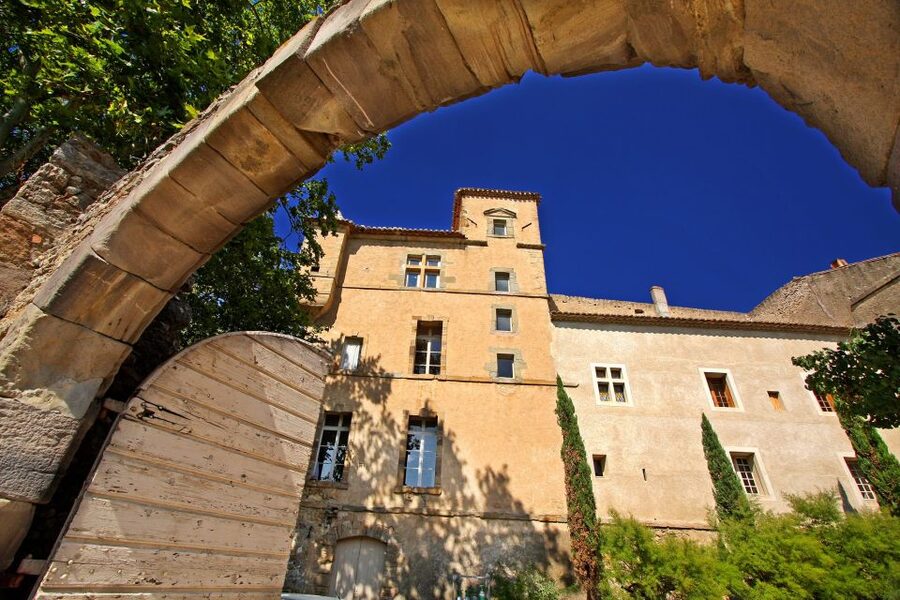
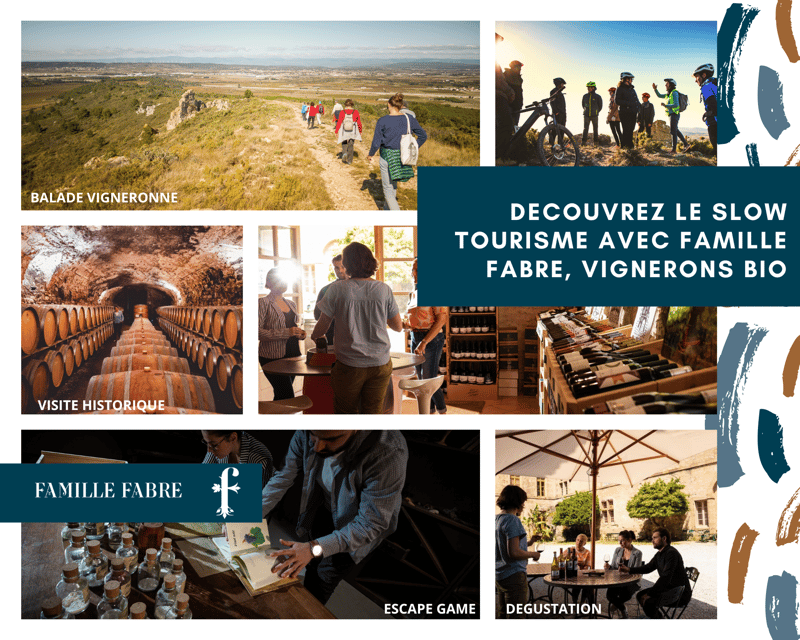
The tour begins in the historic rooms of Château de Luc. This part gives you a sense of the property through several periods and introduces the family story behind the estate.
The emphasis is on the people who lived and worked here, along with the changes that affected wine production in the region. That makes the rooms more than a decorative prelude. They help explain why the château became part of the local wine story.
The tour also looks at the great 19th-century period of wine production in the Midi. This was a time when vineyards played a major role in the economy and daily life of southern France. You then move toward the difficult events that led to the winegrowers’ revolt of 1907.
That historical thread is one of the strongest reasons to book this visit. If you only want to taste wine, you can find simpler options. If you want to understand why wine matters so much in this part of France, the château visit gives your glass a wider setting.
The presentation is available in French, English, and Spanish. That is especially useful here because the history involves regional terms, social movements, and changes in farming. A guide who can explain those details clearly adds real value.
Going underground to the 14th-century cellar
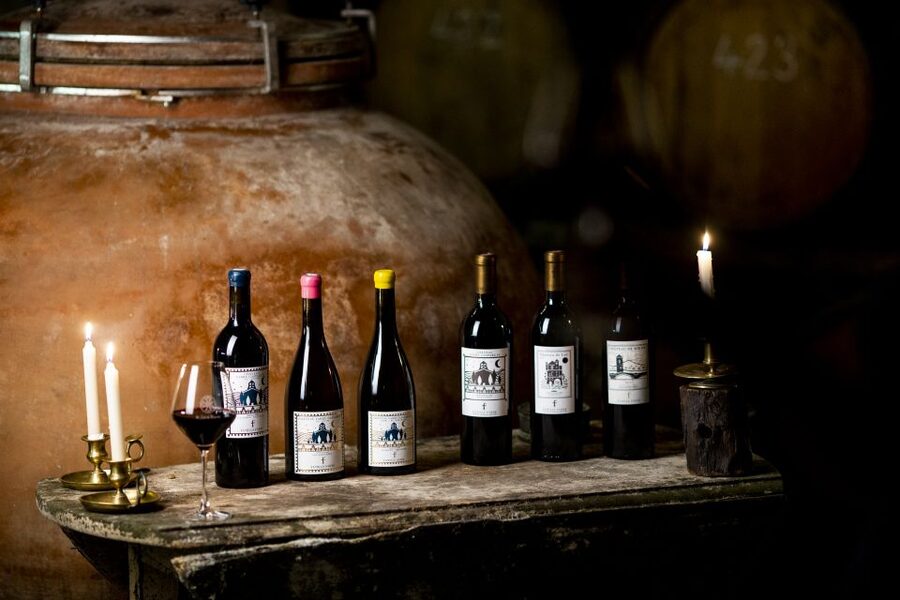
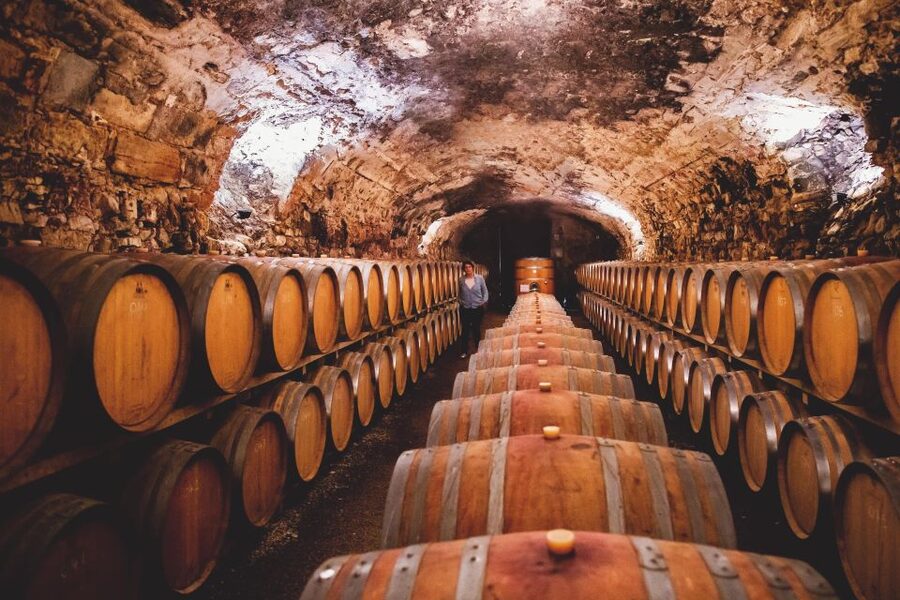
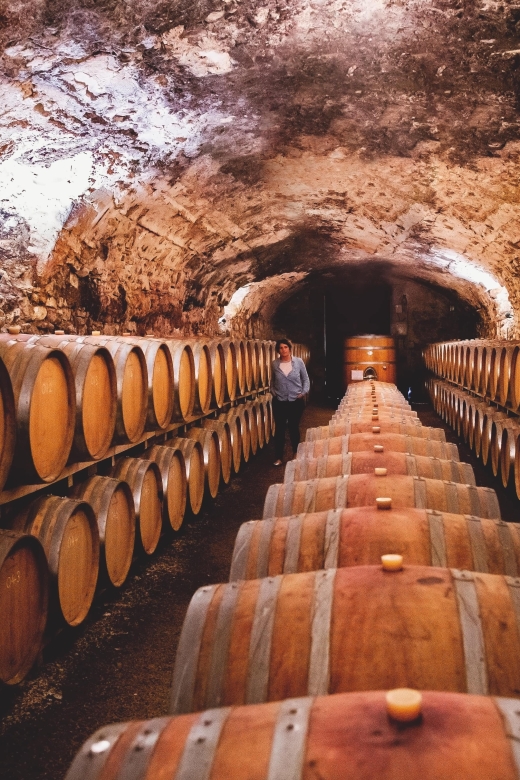
The most unusual stop is the underground cellar, dating from the 14th century. You go beneath the old home to see the space where wine continues to age in barrels.
This is the point where the age of the property becomes physical. Instead of simply hearing that Château de Luc has centuries of history, you are standing inside an old working space. The cellar connects the medieval building to the estate’s present-day wine production.
I would give this portion your full attention. The rooms above tell the story, but the cellar gives you a strong sense of place. It is also the kind of stop that makes the visit worthwhile for people who have already toured modern wineries and want something less polished and more rooted in the building itself.
Access is not suitable for wheelchair users, so check your mobility needs before booking. The available information does not describe every stair, surface, or passage, but an underground cellar in a historic building is unlikely to offer the same ease of access as a modern tasting facility.
The cellar is also a good reason to wear sensible shoes. That is practical advice rather than a promise about the exact floor surface. Historic underground spaces can be uneven, and you will enjoy the visit more if you are not worrying about your footing.
Understanding the Midi wine story
The historical section focuses on the epic of the Midi wine region, especially the rise of wine in the 19th century and the revolt of 1907. This is more than background decoration. It explains the pressure placed on winegrowers and the importance of wine to southern French communities.
The revolt is an especially useful subject because it shows that wine production has always involved more than vines and barrels. Prices, harvests, trade, regulation, and the livelihoods of farming families all matter. The tour presents the region through those human and economic pressures.
You do not need to be a wine historian to follow it. The point is not to memorize dates. The point is to see how a family estate fits into a much larger regional story.
This is also where the visit will appeal to people who do not normally choose wine tours. Someone interested in Occitan history, old buildings, or rural life can still get something worthwhile from the visit, even if tasting is not the main attraction.
At the same time, I would keep your expectations sensible. The tour is a compact introduction rather than a full academic lecture. If you want detailed information about every grape variety, soil type, harvest method, or barrel schedule, you may find the historical emphasis broader than the technical one.
A few more vineyard days around France worth a look
- Champagne Day Trip with 6 Tastings, Reims and Winery from Paris
★ 5.0 · 902 reviews - From Reims: Champagne and Family-Run Wineries Tour
★ 4.8 · 671 reviews - Saint-Emilion Afternoon Wine Tour – 2 Wineries & delicacies
★ 5.0 · 614 reviews - Saint-Émilion: Bordeaux Vineyard Tour and Wine Tasting
★ 4.8 · 578 reviews
Tasting organic wines in the former stable
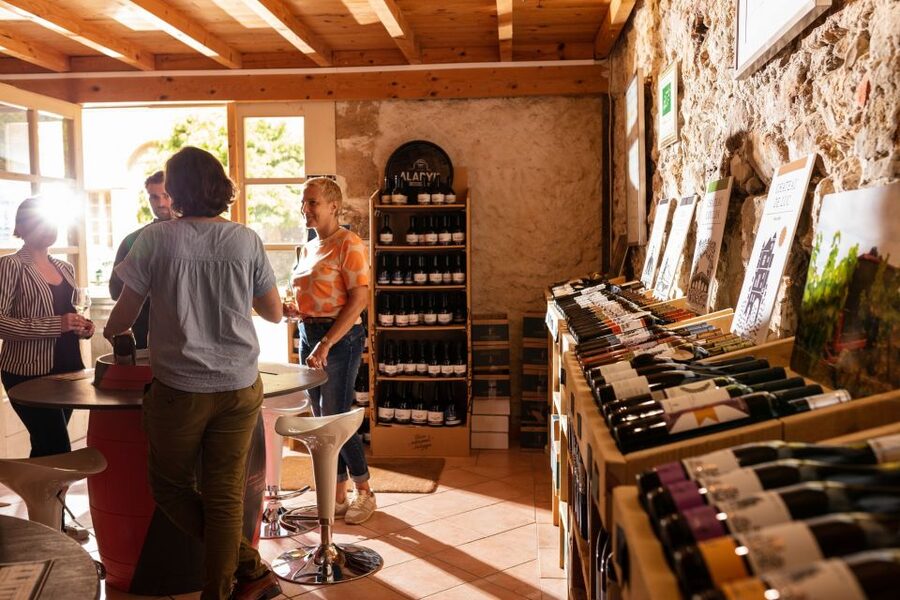
After the château and cellar, you move to a tasting cellar housed in an old stable. This is where the visit shifts from history to the practical pleasure of wine.
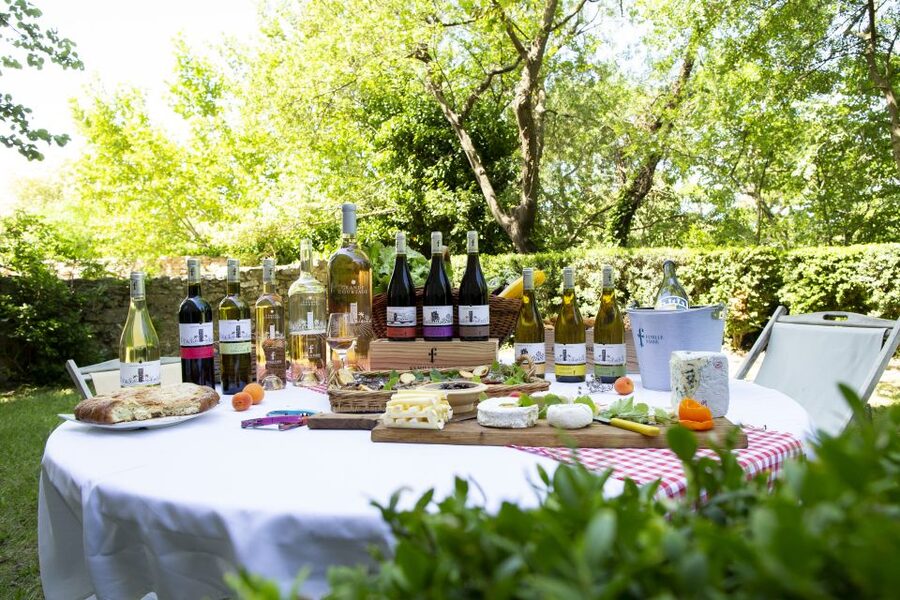
You taste a selection of 3 to 6 organic wines. The range can include IGP Pays d’Oc as well as AOC Languedoc, Corbières, and Minervois wines. That spread gives you a chance to compare different labels and levels within the estate’s production.
The organic approach is important for visitors who care about vineyard practices. The tour can also answer questions about managing the vines and making the wine, so this is a good time to ask how the estate works rather than simply waiting for the next glass.
The tasting is not presented as a formal food-pairing session. No food menu is specified, so do not book expecting lunch or a series of elaborate pairings. Think of it as a focused sampling of the family’s wines, with explanations and conversation.
The quality question deserves an honest answer. Most of the available feedback is strongly positive, and several tastings describe the wines as varied, excellent, and reasonably priced. One recent participant found the wines low in quality and felt the visit lacked interest. Wine is personal, and this disagreement is a useful reminder not to assume every bottle will match your taste.
The broad selection helps. You do not have to like every wine to find one that suits you. You may prefer one of the estate’s bottles enough to buy it, and the estate’s own shop prices have been described as reasonable. Buying wine is optional, of course. The tasting should help you decide rather than pressure you.
What the guide adds to the visit
A good guide matters in a small estate, and the strongest feedback centers on the welcome and explanations. Jeanne has led visits with a clear sense of the family’s work and a personal connection to the property.
Her role is not only to identify bottles. She can explain the château, the family, the cellar, vineyard care, and the region’s wine traditions. That personal connection gives the visit a warmer tone than a generic audio guide.
The tour is led in French, English, or Spanish. If you have detailed questions, ask them during the tasting. The listed subjects include vineyard management, winemaking, and nearby places to visit, so the conversation can move beyond the basic tour.
Flexibility has also been part of the welcome. One booking arrived later because of a time problem and was still accommodated. I would not treat that as a guaranteed policy, but it suggests that contacting the estate is sensible if your schedule changes.
The experience may be particularly good for couples, families with older children, and small groups who want a calm cultural stop. Children under legal drinking age can visit free, though the wine tasting itself is for adults. Anyone hoping for a noisy party atmosphere or a large group event should choose something else.
Is $15 a good value?
At $15, this is an easy activity to justify if you have an interest in wine, architecture, or southern French history. The ticket combines access to the château’s historic rooms, the 14th-century cellar, a guided explanation, and 3 to 6 organic wines.
The value is strongest because the visit covers more than one subject. You are not paying only for the number of pours. You are also paying for the guide’s time, the old building, the cellar, and the story of the Midi wine trade.
The value is less certain if you judge a wine tour only by the quality of the bottles. One negative tasting found the wines disappointing, and personal taste can never be removed from that judgment. If you are a serious wine buyer, treat the tasting as a chance to compare rather than a promise that every bottle will suit you.
For families, the free admission for under-age children improves the calculation. You can bring children into the historical part without paying adult tasting prices for them.
The booking terms are useful for a flexible itinerary. You can cancel up to 24 hours in advance for a full refund, and you can reserve now and pay later. The booking is valid for one day, with start times based on availability.
Practical points that can affect your visit
Plan enough time to find the visitor area. One person found the directions could have been clearer, so do not rely on arriving at the last second. The estate is a working family business rather than a major museum complex, and signs may not be as obvious as those at a large tourist attraction.
The exact visit length is not given, so check the available start time and allow room for the tour, cellar visit, questions, and tasting. The activity is listed as valid for one day, but that refers to the booking date rather than a promise of an all-day guided program.
The tour is not suitable for wheelchair users. If you have limited mobility but do not use a wheelchair, ask the provider about access before booking, since the route includes historic rooms and an underground cellar.
The guides speak French, English, and Spanish. That makes the experience practical for international visitors, especially since the tour covers both local history and wine terms.
If you are driving, remember that the tasting includes multiple wines. Choose a designated driver or plan your transport accordingly. The supplied information does not state that transport is included, so arrange your own way to and from Château de Luc.
Who should book Château de Luc?
You should book if you want a small-scale wine visit with a strong historical side. The old cellar is the key attraction, and the story of the Midi wine region gives the tasting more substance.
It is a good match for:
- Wine drinkers who want organic bottles from several Languedoc appellations
- History lovers interested in the 19th-century wine trade and the 1907 revolt
- Visitors who prefer family-run estates to large commercial wineries
- Couples and families seeking a modestly priced cultural stop
- English- or Spanish-speaking visitors who want a live guide
- People who enjoy asking practical questions about vineyard work and winemaking
You may want to skip it if you need full wheelchair access, want a long technical winery tour, or care only about high-end wine tasting. The visit is designed as a blend of history, place, and wine, not as a specialist certification course.
Should you book this wine and history visit?
I would book Château de Luc if you are already in the area and want more than another bottle tasting. The combination of the historic rooms, the 14th-century underground cellar, the family story, and the organic wines gives you a useful sense of how wine shaped the Midi.
The $15 price is fair, especially with free admission for children and the chance to taste up to six wines. Go with open-minded expectations: you may find a bottle you want to take home, but the real strength is the setting and the connection between local history and present-day wine work.
Check the directions, confirm the start time, and ask about access if needed. For an affordable and personal introduction to Château de Luc, this is a solid choice.
FAQ
How much does the Château de Luc visit cost?
The visit costs $15 per person.
What is included in the price?
The price includes the guided visit and a tasting of 3 to 6 organic wines.
Are children allowed to join the visit?
Yes. The visit is free for under-age children.
Which languages are available?
The live tour is available in French, English, and Spanish.
What will I see at Château de Luc?
You will see historic rooms in the château, an underground 14th-century cellar, and a tasting cellar located in an old stable.
Which wines can I taste?
The selection may include organic wines from IGP Pays d’Oc, AOC Languedoc, Corbières, and Minervois.
Is this activity suitable for wheelchair users?
No. The activity is listed as not suitable for wheelchair users.
Can I cancel my booking?
Yes. You can cancel up to 24 hours in advance for a full refund.
Do I have to pay when I book?
No. You can reserve your place and pay later.
Can I ask questions about winemaking?
Yes. The hosts can answer questions about vineyard management, winemaking, and nearby places to visit.
Just added around France
- Day Trip to the Sancerre and Pouilly Vineyards★ 5.0 · 20 reviews
- 3-Hour Private Painting tuition in a beautiful Cognac vineyard★ 3.5 · 2 reviews
- 4×4 tour in a winery followed by a tasting★ 5.0 · 46 reviews
- Winery Visit with Food and Wine in Carcassonne★ 5.0 · 59 reviews
- Walk in the vineyards of Chablis Grands Crus★ 4.5 · 7 reviews
- Wine Getaway with Tasting in the Chablis Vineyard★ 5.0 · 3 reviews
- Winery Tour & Wine Tasting – Deli Plate & 3 Wines★ 5.0 · 72 reviews
- Visit to the Faugères Vineyards with Picnic from Béziers★ 5.0 · 7 reviews
France Vineyard Tours, compared.
Medoc or Saint Emilion Wine Tasting and Chateau from Bordeaux
Read our review →
Saint-Émilion: Grand Cru Classé Winery Visit and Tasting
Read our review →
Saint Emilion Half-Day Trip with Wine Tasting & Winery Visit from Bordeaux
Read our review →
Champagne Day Trip with 6 Tastings, Reims and Winery from Paris
Read our review →
Saint-Emilion Afternoon Wine Tour – 2 Wineries & delicacies
Read our review →
Saint-Émilion: Bordeaux Vineyard Tour and Wine Tasting
Read our review →
Browse the lists this tour appears in