
REVIEW · ITALY
Boutique Winery Tour with Wine & Food Tasting near Cagliari
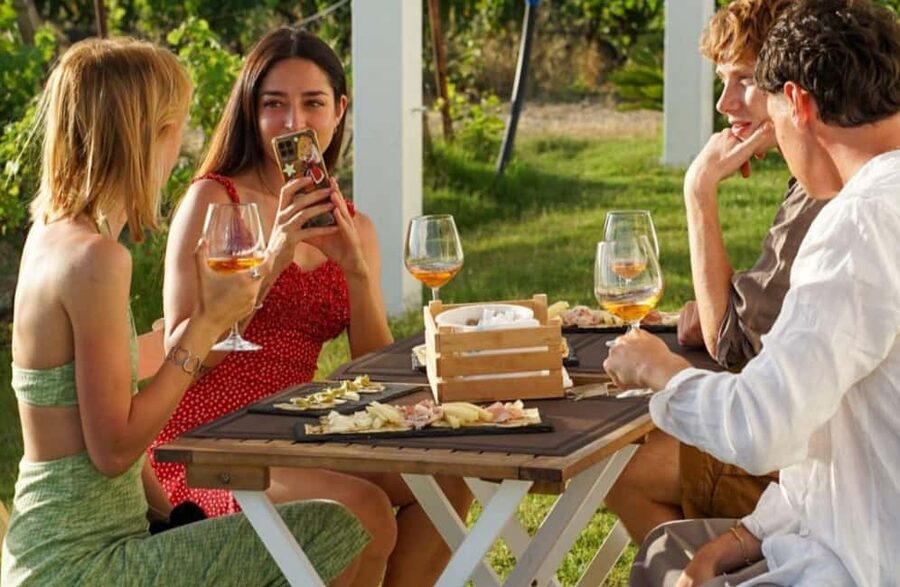
Sant’Antioco’s bush-pruned vines give this small winery visit its character. You walk among the vineyard, see where the grapes begin, then sit down for four Sardinian wines with pane carasau, Pecorino Sardo, olives, cured meats, and marmalade. Luca’s enthusiasm is a big part of the visit, and he explains wine in clear terms even if you are new to tasting.
I like the small groups of up to 10, which leave room for questions rather than a rushed pour-and-go routine. I also like the range of wines, from Nuragus and Cannonau to Carignano and Sardinian orange wine. The main consideration is practical: transportation is not included, and the meeting address may need confirming directly with the owner.
Key points
- Four Sardinian wines: Taste a serious selection that may include Nuragus, orange wine, Cannonau, Carignano, and IGT Rosso.
- Sant’Antioco vineyard walk: Spend about 15 minutes among bush-pruned vines before entering the winery.
- Local food pairing: Pane carasau, fresh Pecorino, olives, cured meats, and marmalade turn the tasting into a light regional meal.
- Personal guide: Luca leads the visit and speaks English, Italian, French, and Spanish.
- Small-group setting: A maximum of 10 people makes it easier to ask about grapes, production, and local traditions.
- Weather matters: Rain or poor conditions can remove the outdoor vineyard walk from the program.
Why this Sardinian winery visit feels personal
Many winery stops give you a quick look at the cellar and a few sips before sending you on your way. This one is built around a small producer, the land, and the person making the wine. That changes the tone. You are not simply checking off a tasting. You are spending time with a local craft business connected to Sant’Antioco and Sardinia’s food traditions.
The visit lasts 90 minutes, which is long enough to include a short vineyard walk, a winery tour, and a proper tasting without taking half a day. I see this as a good fit if you want a focused food-and-wine stop rather than a large estate visit with a long formal presentation.
The setting also gives the wines some context. Carignano and Vermentino are closely tied to Sardinia, and the vineyards here use bush-pruned vines. You will hear about how the grapes are grown and how the wine moves from the vineyard into production. The conversation also touches on the island’s culture, artisans, and traditions, so the visit reaches beyond tasting notes.
More Winery Tours in Italy
- Lucca: Guided Winery Tour with Wine Tasting
★ 4.7 · 611 reviews - Olbia: Gallura Winery Guided Tour with Tasting
★ 4.7 · 451 reviews - Bolgheri: Classic Wine Tasting with Winery Tour
★ 4.5 · 325 reviews
Starting at Cantina Mulleri, Tenuta Chiaroscuro
The tour begins and ends at Cantina Mulleri, Tenuta Chiaroscuro. Since transportation is not included, you need to arrange your own way to the winery. Check the exact meeting details carefully after booking. One important practical point is that the address supplied through the booking system may not always be correct, so I recommend messaging the owner, Luca, for the right directions as soon as your reservation is confirmed.
That small bit of preparation matters. A winery outside a town center is not the place to discover that your navigation app has sent you to the wrong gate. Confirm the location, allow time to arrive, and wear shoes that work on uneven ground.
The meeting point can vary according to the option you choose, although Cantina Mulleri, Tenuta Chiaroscuro is the named starting and ending location. The booking includes free cancellation up to 24 hours before the visit, and you can reserve now and pay later, useful if your Sardinia plans are still shifting.
A 15-minute walk through Sant’Antioco vines
The vineyard portion takes about 15 minutes. It is a short walk, not a long country hike, but it gives you a useful first look at the setting and the vines before the tasting begins. You will learn about the vineyard and the winemaking process while seeing the source of the grapes in place.
The bush-pruned vines are one of the more distinctive details here. Instead of being trained along tall wires in the style common in many modern vineyards, bush vines grow in a lower, more compact form. That makes the vineyard feel closely tied to older farming methods and the dry island setting.
You should wear comfortable shoes and comfortable clothes. The outdoor portion can be affected by the weather. In rain or other poor conditions, the vineyard walk may be left out, while the winery and tasting can still form the main part of your visit.
This is also where you get the best sense of the connection between wine and place. The tour is not trying to turn Sant’Antioco into a backdrop. It explains how local grapes, island traditions, and small-scale production fit together. If you like knowing why a bottle tastes the way it does, this short walk adds useful meaning.
Inside the winery for another 15 minutes
After the vineyard, you spend about 15 minutes inside the winery with a guided explanation of production. This section is brief but important. It connects the vines you have just seen with the work required to turn grapes into finished bottles.
The focus is on traditional, small-producer methods and respect for the surrounding area. You will hear about the role of grapes such as Carignano and Vermentino, as well as other Sardinian varieties included in the tasting. The exact bottle selection can vary, but the listed possibilities include Nuragus, Sardinian orange wine, Cannonau, Carignano, and IGT Rosso.
That variety gives the visit more range than a tasting built around one grape. Nuragus lets you try a local white variety. Cannonau brings a major Sardinian red into the picture. Carignano connects directly to the vineyards of Sant’Antioco, while orange wine offers a different style of winemaking and color than most visitors expect from a white grape.
The winery visit is also a good time to ask questions. Luca has been praised for taking time to explain how to perceive and appreciate wine, even for people who do not consider themselves wine experts. You do not need a polished vocabulary. You can ask what you are smelling, why one wine feels different from another, or how a grape fits into Sardinian wine culture.
More Boutique and Family Wineries in Italy:
- Florence: Siena & San Gimignano with Dinner in a Boutique Winery
★ 4.5 · 199 reviews - Wine and food tasting in an organic family winery
★ 5.0 · 170 reviews - Small Group Prosecco Experience from Venice – Boutique Winery
★ 5.0 · 116 reviews - San Gimignano: Wine and Food Tasting in a Family Winery
★ 4.9 · 29 reviews
The four-wine tasting and Sardinian food
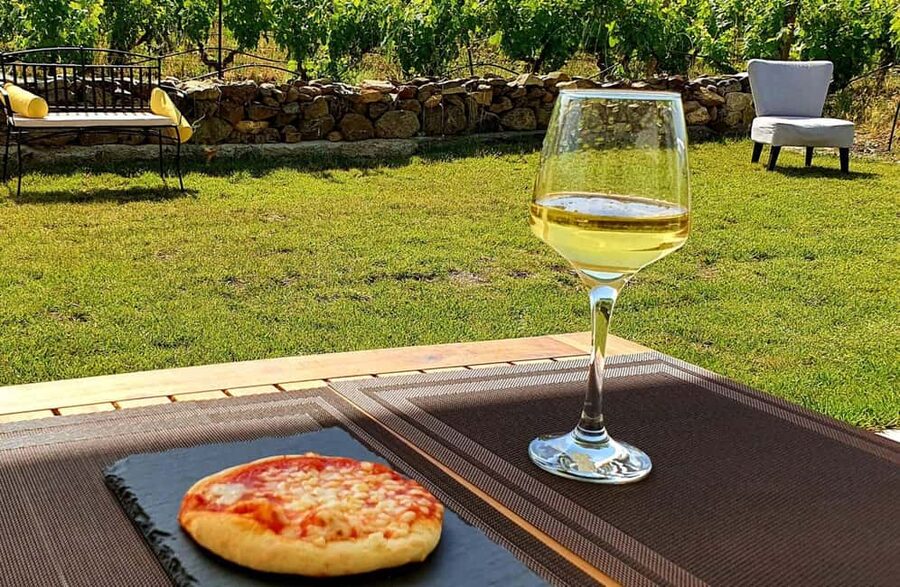
The final hour is the heart of the visit. You sit down for an advanced tasting of four selected Sardinian wines, paired with a generous aperitif of local foods. The word advanced here should not worry beginners. It suggests a more thoughtful tasting, not a test you need to pass.
You will likely be guided through the appearance, aroma, taste, and finish of each wine. The real value is the chance to compare styles side by side. You can notice how a white differs from a red, how orange wine changes your expectations, or how Carignano compares with Cannonau.
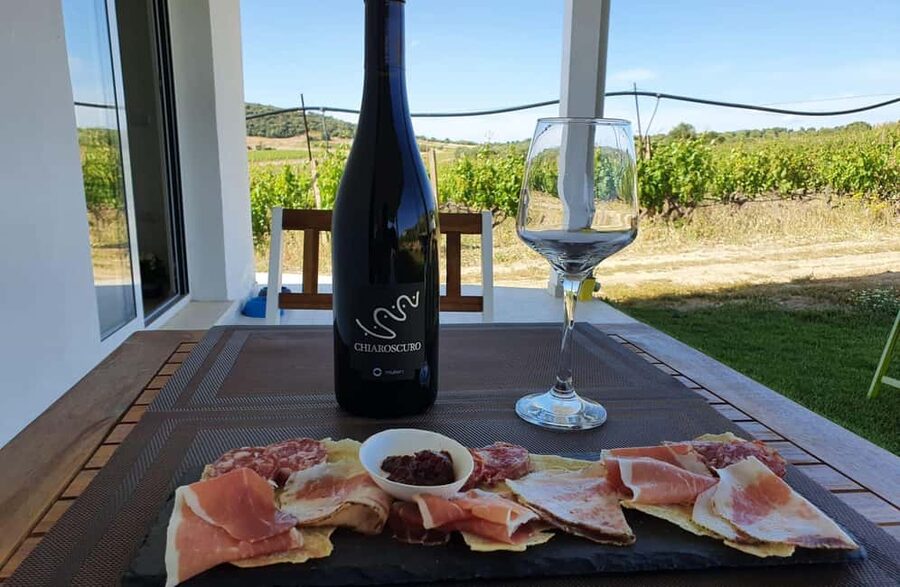
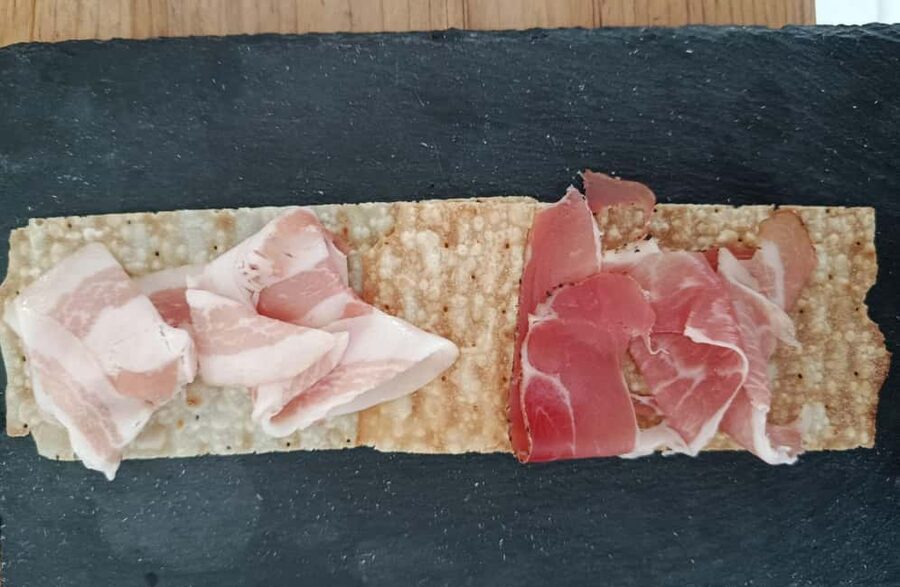
The food is just as important as the wine. Pane carasau is Sardinia’s famously thin, crisp flatbread. Fresh Pecorino Sardo brings the island’s sheep’s-milk cheese to the table. Sardinian olives, traditional cured meats, and marmalade round out the spread with salty, savory, creamy, and sweet notes.
This is not a generic cheese board assembled anywhere in Italy. The ingredients help explain the region through taste. Pane carasau has a light crunch that works well with wine. Pecorino adds firmness and salt. Olives and cured meats make the pairing more substantial, while marmalade offers a sweet contrast to the reds and cheese.
I would think of the food as a substantial aperitif rather than a full lunch or dinner. It should satisfy you during the 90-minute visit, but do not book it as your only meal of the day unless you know that this amount of food works for you.
Meeting Luca and the human side of the visit
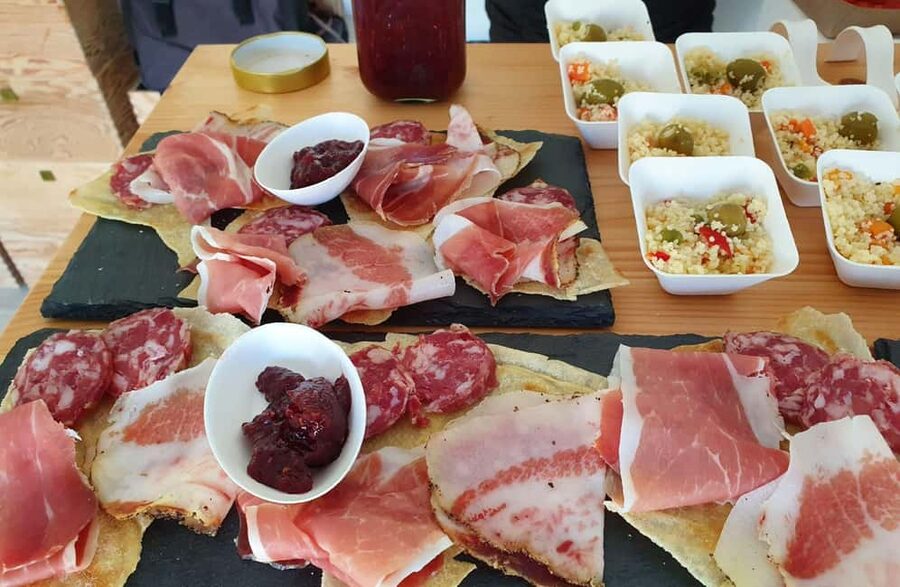
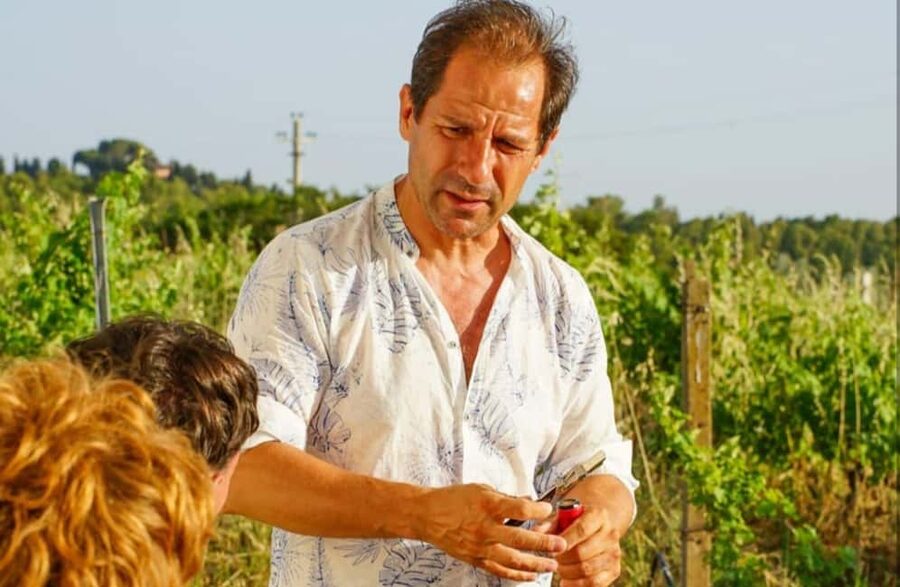
The guide can make or break a winery tour, and Luca seems to be the center of this one. He leads the visit with passion and speaks English, Italian, French, and Spanish. French-speaking visitors can communicate comfortably, and English is available for international groups.
The tone is personal rather than formal. Luca shares his own experience, talks about his products and land, and explains wine in a way that welcomes people with different levels of interest. If you already know Sardinian grapes, you can ask detailed questions. If you are still learning the difference between a red, white, and orange wine, you can start there without feeling out of place.
The small group limit of 10 supports that style. You have a better chance of hearing the guide clearly and getting an answer to your own question. It also keeps the tasting from feeling like a crowded commercial stop.
There are a few small environmental details to keep in mind. Bees have been noticed around the setting, which some people may find bothersome. This is a working agricultural property, not a sealed indoor tasting room. If you are uneasy around bees, mention it to the guide and take sensible care around food and outdoor areas.
Is $60 a fair price?
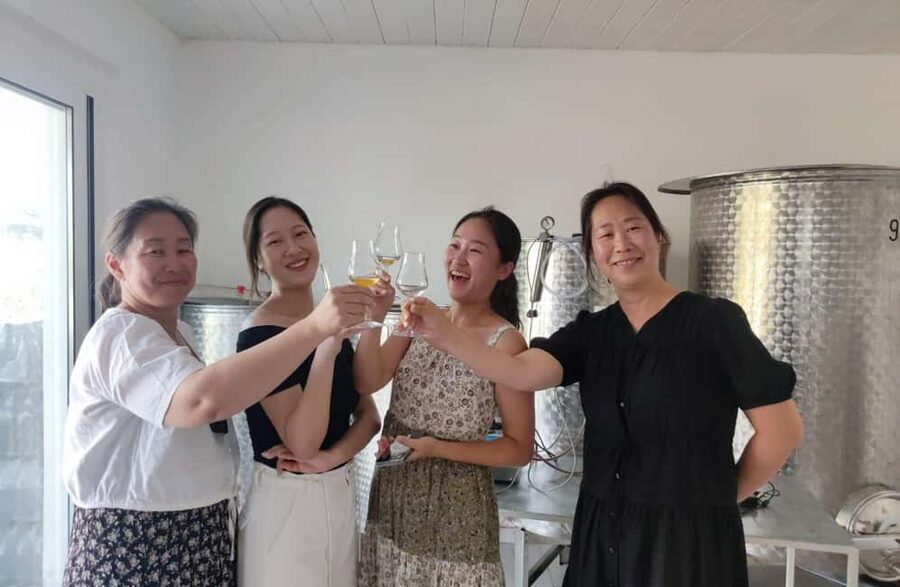
At $60 per person, the cost is reasonable if you value a personal visit, four wines, and a full spread of Sardinian food. You are paying for more than the liquid in the glasses. The price includes a guided vineyard walk, a winery explanation, the tasting, and a small-group format with a multilingual guide.
The value is strongest for people who would otherwise pay separately for a meal, a wine tasting, and a short cultural activity. You get all three elements in 90 minutes. It is also a good use of time if rain ruins outdoor plans. One visit took the place of canceled hiking plans during a major Mediterranean rainstorm, and the winery portion still provided a worthwhile way to spend the time.
The value is weaker if you expect transportation, a long vineyard tour, or a full meal. None of those is included. You must get to the winery yourself, and the vineyard walk is only about 15 minutes. The food is a generous aperitif, but it is not advertised as lunch or dinner.
The strong five-star rating from seven published ratings suggests a consistently positive early record, but the sample is small. I would treat that as encouraging rather than definitive. The most repeated strengths are the guide’s warmth, his clear explanations, the peaceful setting, and the care put into the local products.
Who should book this visit
I would recommend it to wine drinkers who want to understand Sardinia through small-scale production and regional food. It also suits beginners. The tasting is explained rather than left as a guessing game, and the food gives you something familiar to focus on while you learn.
It works well for couples, small groups of friends, and solo visitors who prefer a quiet setting. The limit of 10 people keeps the mood intimate without making the visit private or expensive.
This is also a strong choice for a flexible day near Cagliari or Sant’Antioco when you want something cultural but not physically demanding. The walk is short, the main visit takes place at the winery, and wheelchair access is listed as available.
I would be more cautious if you need a full meal, do not have your own transportation, or want a large modern winery with extensive facilities. Pregnant women should not book this activity, and underage participants receive fruit juice and water instead of wine.
Small details that can improve your visit
A few simple choices will make the stop easier:
- Wear comfortable shoes for the vineyard and comfortable clothes for the outdoor portion.
- Confirm the exact address with Luca after booking, especially if the booking confirmation gives unclear directions.
- Ask about the day’s four wines if you have a strong preference for white, red, or orange wine.
- Tell the guide if you are new to wine tasting. The format allows time for explanation.
- Plan your own transport to and from Cantina Mulleri, since transfers are not included.
- Check the weather before you go, knowing the vineyard walk may be removed in rain.
- If you are sensitive to bees, be aware that this is a working outdoor setting.
Should you book this Sardinian wine tour?
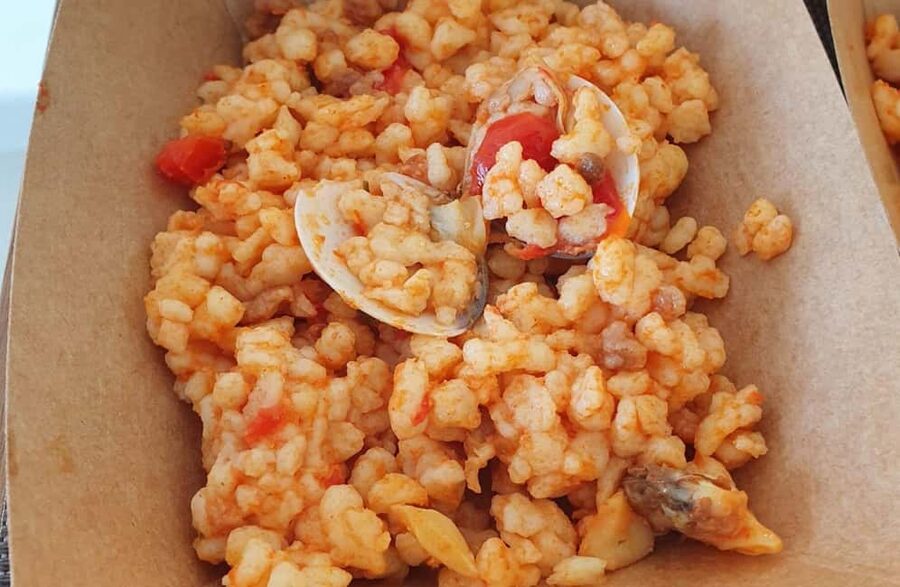
Book it if you want a personal introduction to Sardinian wine, food, and small-producer traditions rather than a long estate tour. The combination of bush-pruned vines, four regional wines, local foods, and Luca’s friendly instruction gives the visit a clear sense of place.
Skip it if transport is a problem, you need a full meal, or your main goal is a long walk through vineyards. For everyone else, $60 buys a focused 90-minute taste of Sant’Antioco, with enough food and explanation to make the bottles mean more when you see them later in Sardinia.
FAQ
Where does the winery tour take place?
The named starting and ending location is Cantina Mulleri, Tenuta Chiaroscuro, in the Sant’Antioco area of Sardinia. The exact meeting point can depend on the option booked.
How long does the activity last?
The full visit lasts 90 minutes. About 15 minutes are used for the vineyard walk, about 15 minutes for the winery visit, and about one hour for the wine and food tasting.
How many wines are included?
The tasting includes four selected Sardinian wines. Possible styles and varieties include Nuragus, Sardinian orange wine, Cannonau, Carignano, and IGT Rosso.
What food is served?
The tasting includes pane carasau, fresh Pecorino Sardo cheese, Sardinian olives, traditional cured meats, and marmalade.
Is transportation included?
No. You must arrange your own transportation to and from the winery.
What languages does the guide speak?
The tour is available in English, Italian, Spanish, and French.
Can children or people under 18 join?
People under 18 can participate, but they receive fruit juice and water instead of wine.
Is the winery wheelchair accessible?
Yes, the activity is listed as wheelchair accessible.
What happens if it rains?
In rain or other poor weather, the vineyard walk may not take place. The winery visit and tasting are the main indoor parts of the activity.
More Food in Italy
- Lazise: Winery Tour with Garda Wines and Food Tasting
★ 4.8 · 278 reviews - Bardolino: Vineyard Tour with Wine, Olive Oil & Food Tasting
★ 4.6 · 221 reviews - Private tour of Etna and Winery Visit with Food and Wine Tasting from Taormina
★ 5.0 · 221 reviews - Roman countryside Food & Wine Tasting in a medieval winery
★ 4.5 · 220 reviews
More Food and Drink Experiences in Italy
- Florence: Chianti Wineries Tour with Wine Tasting
★ 4.5 · 10,071 reviews - From Florence: Private Chianti Hills Tour with Tasting
★ 4.3 · 809 reviews - Montepulciano: Wine Tasting and Cellar Tour
★ 4.8 · 545 reviews - Private 6-Hour Tour of Three Etna Wineries with food&wine tasting
★ 5.0 · 417 reviews
Just added around Italy
- Primitivo and Negroamaro wine tour: a visit to two wineries and typical lunch. From Lecce★ 5.0 · 19 reviews
- Visit to a Winery in Salento with Wine tasting and light lunch. From Lecce★ 4.5 · 10 reviews
- Discover the best cellars of Salento★ 5.0 · 30 reviews
- Full Day Tour to Gallipoli, Galatina, Coast, Beaches and Winery★ 5.0 · 39 reviews
- “Between Langhe and Monferrato” – Wine Tasting and Cellar Visit★ 5.0 · 86 reviews
- Visit among vineyards and wine cellar with wine tasting in Nizza Monferrato★ 5.0 · 10 reviews
- Barolo Tasting and Vineyard Tour and Winery Visit★ 4.5 · 2 reviews
- Guided Walk and Lunch in the Vineyard in Alba★ 4.5 · 2 reviews
Italy Vineyard Tours, compared.
Tuscany Day Trip from Florence: Siena, San Gimignano, Pisa and Lunch at a Winery
Read our review →
Half day Chianti Vineyard Escape from Florence with Wine Tastings
Read our review →
Tuscany Wine Tour: 2 Wineries & San Gimignano from Florence
Read our review →
Chianti Wineries Tour with Tuscan Lunch and San Gimignano
Read our review →
Private Self-Guided E-Bike Ride in Tuscany with Vineyard Visit
Read our review →
Browse the lists this tour appears in