
REVIEW · FRANCE
Bordeaux: Explore an Organic Family Vineyard with Tasting
Pestoury Vineyard gives you something many grand château visits cannot: a close look at a working family farm. Marie, Isabelle, or Bertrand guides you through five generations of winemaking, from the vines and soil to tanks, barrels, bottles, and the tasting table. The tour stays small, with no more than 10 people.
I like the personal family connection and the clear explanation of organic farming, especially how vineyard choices affect biodiversity. I also like the generous tasting, which can include up to 10 wines across several styles, plus grape juice when available.
The main consideration is transport. You must arrange your own way to the vineyard, and 90 minutes goes quickly if you want a long cellar visit, a leisurely tasting, and lots of questions.
Key points at a glance
- Five generations at one vineyard: Meet a family member and hear how Pestoury has changed over time.
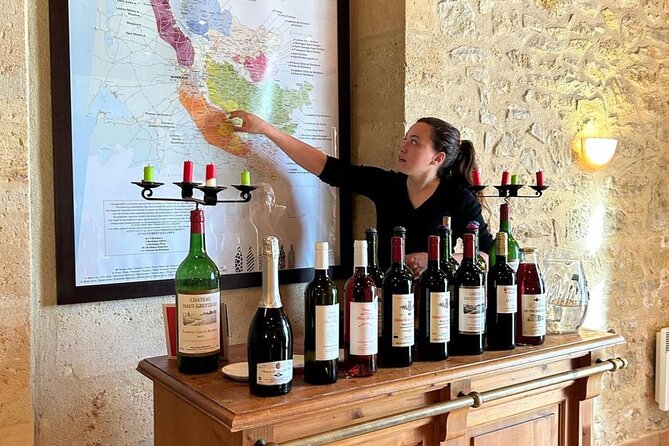
- Bordeaux made understandable: Start with a map of the region’s 65 appellations before tasting its wines.
- Organic farming since 2020: Learn how the family is changing vineyard work and supporting biodiversity.
- A full wine-making walk-through: Follow grapes from harvest and fermentation to aging and bottling.
- Up to 10 wines for $21: Taste dry and sweet whites, rosé, reds, sparkling wine, and sometimes grape juice.
- Small and accessible: The group is limited to 10, the tour is offered in French or English, and the vineyard is wheelchair accessible.
A family vineyard, not a polished wine theme park
Pestoury Vineyard is best understood as a family workplace that opens its doors to you. This is not a grand production designed only for formal tastings. It is a smaller operation where the person leading the tour can explain the work from firsthand experience.
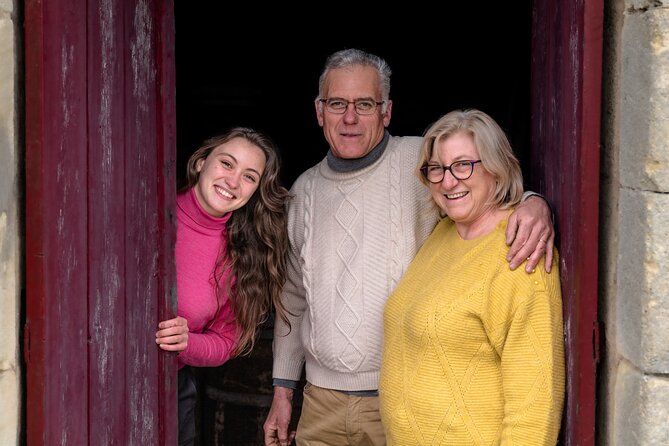
The vineyard has been in the family for five generations. Marie often leads the visit, with Isabelle or Bertrand also serving as guides. That family link shapes the tone. You get the story of a business handed down through generations, along with the practical choices required to keep it going.
I appreciate that the tour begins with context rather than rushing straight to the wine. Bordeaux can be confusing at first. The region has 65 appellations, and the names on a bottle may refer to a village, a larger wine area, or a style shaped by local rules and conditions.
A map helps put all of this in place. Before you taste, you get a simple sense of how Bordeaux is divided and why the region produces such a wide range of wines. That short introduction makes the later tasting more useful. You are not just sampling one wine after another. You are starting to understand where different styles fit.
More Organic and Biodynamic Wineries in France:
- Small Group Guided E-bike Tour in Nice’s Organic Vineyard
★ 5.0 · 220 reviews - Saint-Didier: visit a vineyard & taste organic wines
★ 5.0 · 15 reviews - Small Group Guided E-Bike Tour in Nice’s Organic Vineyard
★ 4.9 · 10 reviews
Starting with Bordeaux and its 65 appellations
The first part of the 90-minute visit takes place around a detailed map of Bordeaux. Marie or another family member explains the region’s history, its growing areas, and the differences between its appellations.
This is a good feature for anyone who knows the basic names of Bordeaux but wants a clearer picture. You will encounter the broad categories of Bordeaux wine, including dry white, sweet white, rosé, red, and sparkling styles. The goal is not to turn you into a wine student in one afternoon. It is to give you enough structure to taste with more confidence.
The map also gives the family a way to explain why Bordeaux is not one single wine style. Soil, grape varieties, climate, and local traditions all affect what reaches your glass. That is useful preparation for a tasting that may include both fresh white wine and fuller red wines from the Côtes de Bordeaux.
If your group has particular interests, bring questions early. The tour is personalized, and the guides adjust the conversation to the people in front of them. Beginners can ask basic questions without feeling out of place, while experienced wine drinkers can focus on production methods, varieties, or the differences between wines.
Walking the vines and learning about organic farming
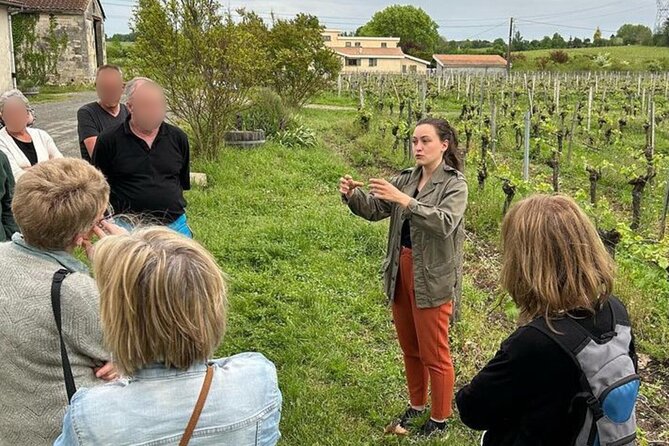
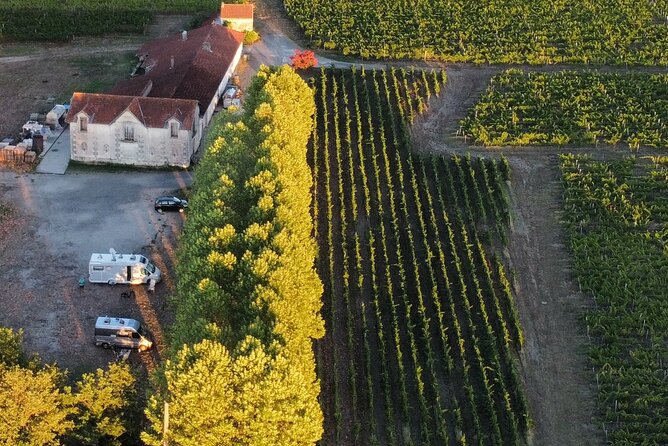
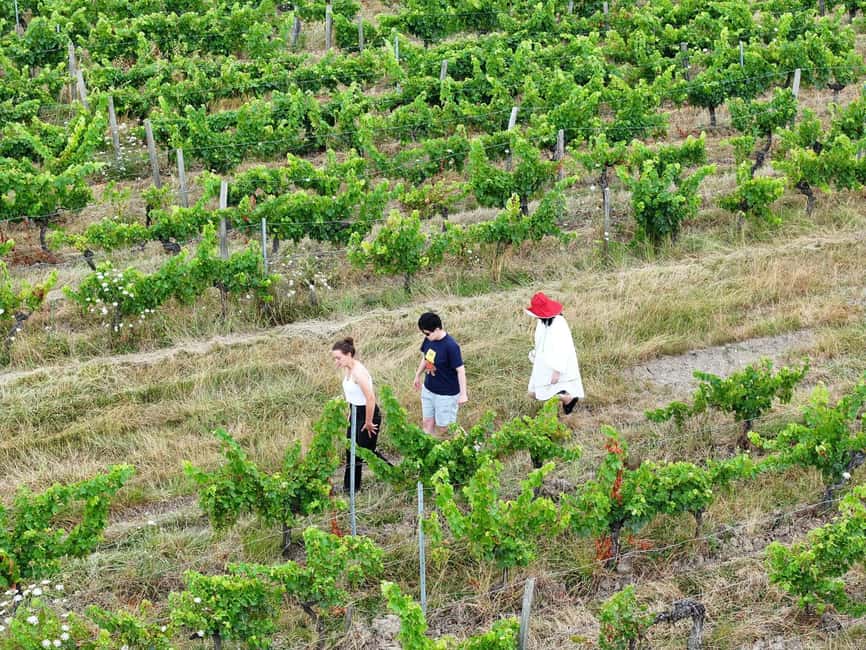
When weather allows, the tour moves outside to the vines. This is where the family explains how wine begins long before fermentation. You look at the grapevines, discuss the soils and grape varieties, and learn how the seasons affect the work.
The useful point here is that organic farming is not treated as a label alone. Since 2020, the family has been working toward organic practices and explaining what that means for the vineyard. You learn how farming methods can affect biodiversity, the health of the soil, and the wider environment around the vines.
That conversation adds substance to the visit. Wine tasting often focuses on aroma and flavor, but this section asks you to think about the source of those qualities. The condition of the vines, the soil, the weather, and the timing of vineyard work all help shape the final wine.
Weather matters. If it rains, the outdoor portion may be limited or adapted, so wear comfortable shoes and clothing suited to the forecast. A rainy day does not necessarily spoil the visit. One family group visited during wet off-season weather and still found the experience engaging, but you should expect less time among the vines when conditions are poor.
The vineyard walk is also a good moment to ask about seasonal work. The family can explain how the year changes what they do, from watching the vines develop to deciding when grapes are ready for harvest. You see that winemaking is not a single event in autumn. It is a year-round process of observation and decision-making.
Inside the cellar, from grape to bottle
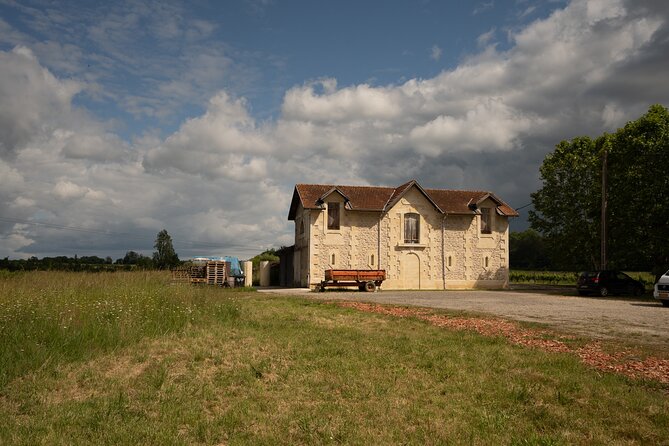
The cellar section follows the grapes into production. You learn about fermentation, aging, and bottling, while seeing the tanks and barrels used for different wines.
This part is especially valuable if you want to understand why white, rosé, and red wines do not all follow the same path. The family explains how equipment and timing influence flavor and texture. You also hear about decisions such as when to harvest and when to bottle.
The cellar visit connects the technical side of wine with the earlier discussion of nature. The vineyard provides the grapes, but the family still has many choices to make after harvest. Fermentation needs attention. Aging affects the finished wine. Bottling must happen at the right time.
You do not need prior wine knowledge to follow the explanation. The guides make the process practical and direct, and the small group leaves room for questions. That is one advantage of a limit of 10 people. You are less likely to feel like one face in a large crowd, and the guide can spend time on the points that interest you.
The cellar is also where the family story becomes most tangible. Rather than hearing only about a brand, you see the tools and spaces used to make the wines. For me, that makes the visit feel more connected to actual work than a tasting room presentation alone.
More Food and Drink Experiences in France:
- Medoc or Saint Emilion Wine Tasting and Chateau from Bordeaux
★ 5.0 · 1,415 reviews - Saint-Émilion: Grand Cru Classé Winery Visit and Tasting
★ 4.6 · 1,118 reviews - Saint Emilion Half-Day Trip with Wine Tasting & Winery Visit from Bordeaux
★ 4.5 · 1,034 reviews - Saint-Émilion: Bordeaux Vineyard Tour and Wine Tasting
★ 4.8 · 578 reviews
The tasting: up to 10 wines and grape juice
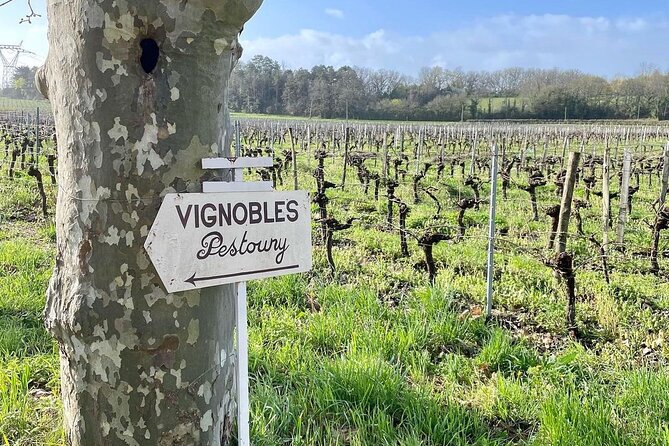
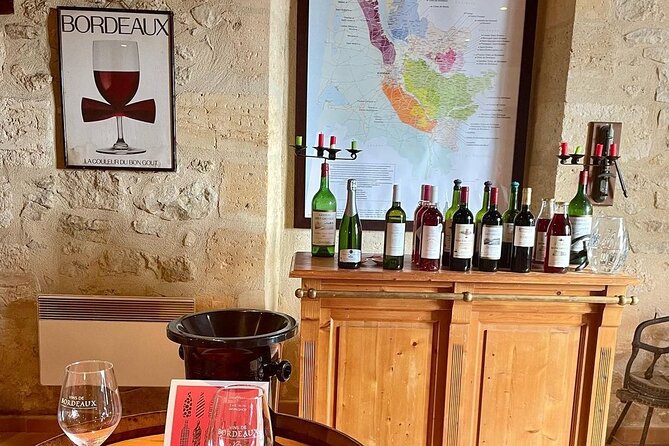
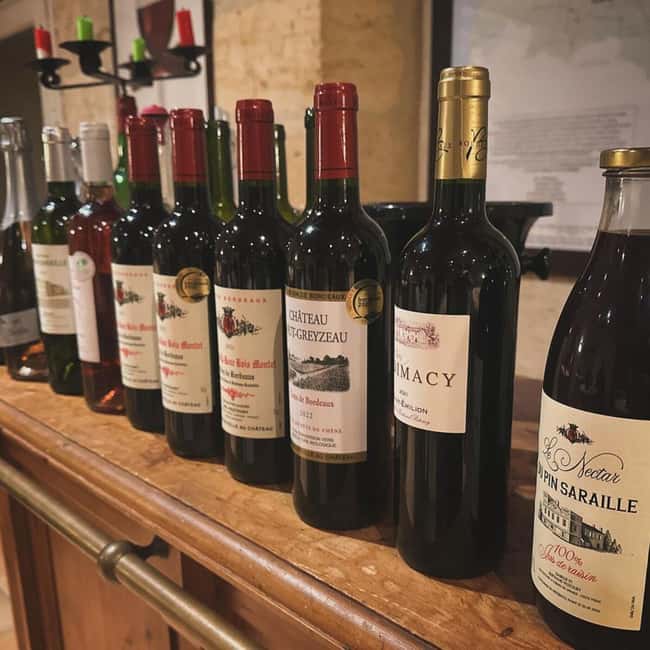
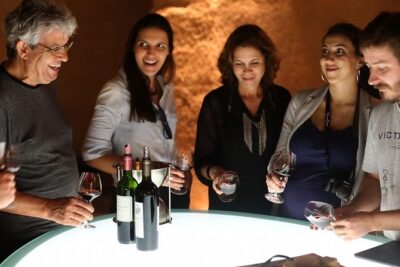
The tasting is the grand finale, and it is unusually broad for a 90-minute visit. Depending on availability, you may try Bordeaux Blanc Sec, sweet white wine, Bordeaux Rosé, several Côtes de Bordeaux reds, and sparkling wines. House-made grape juice may also be available.
The number of samples can vary, but the full range may reach 10 wines. Several people found themselves tasting seven or even 10 different wines, so you should arrive ready for more than a token sip or two. The family explains how to look at the wine, smell it, and taste it, making the session useful for complete beginners.
I like the way the tasting follows the tour. You have already discussed the vineyard and cellar, so you can connect the glass to the production choices. A dry white might lead to a discussion of freshness and timing. A red from the Côtes de Bordeaux can open the conversation about grape varieties, structure, and aging. Sparkling rosé offers a different style again.
The range also makes this a good choice for mixed groups. A couple who prefers white wine and red wine may both find something to enjoy. A person who does not drink wine can still take part in the vineyard and cellar portions, and grape juice may be available as an alternative.
Do not assume every bottle will be available on every date. The selection depends on current stock, and grape juice is specifically subject to availability. Still, the tasting is designed to show the family’s complete range rather than one signature bottle.
Extra bottles are available for purchase, but they are not included in the $21 price. If you find a favorite, ask about buying it before you leave. Remember that you are responsible for transporting your purchases, especially if you are continuing by public transport or flying later.
Why the $21 price is strong value
At $21 per person, this is a good-value wine experience if you want more than a quick tasting. The price covers a family-led introduction to Bordeaux, a vineyard visit when weather permits, an explanation of organic practices, a cellar tour, and a broad tasting.
The value is strongest for people who would otherwise pay separately for a wine tasting and a regional introduction. Here, the map, vineyard, cellar, and wines form one connected lesson. You get enough information to understand what you are drinking without signing up for a long technical course.
The small group also matters. With a maximum of 10 people, the experience has a personal scale, and the family can answer questions. An even smaller booking can feel especially intimate. One morning group was the only group present, allowing Isabelle and Marie to spend extra time talking with them.
There are limits. The visit lasts only 90 minutes, so it is not a full-day vineyard outing. You will not get an extended meal, a broad tour of multiple estates, or transportation from Bordeaux. If you want a large château with formal architecture and grand reception rooms, this is not that kind of visit.
For the price, though, Pestoury focuses on what matters: people, place, process, and wine in the glass.
Practical details before you book
Plan your transport first. Travel to and from the vineyard is not included, although the family can provide guidance about available transport options if you ask. Do not book this as an effortless city-center activity unless you have already confirmed how you will reach the property.
Wear comfortable shoes. The visit can include time outside among the vines, and suitable footwear will make the walk easier. Weather-appropriate clothing is equally important, since the outdoor introduction depends on conditions.
The tour is offered in English and French. Marie most often leads the visit, while Isabelle and Bertrand may also guide it. If you have questions about organic farming, Bordeaux appellations, or a particular wine style, prepare a few before arriving. The small format is well suited to conversation.
The vineyard is wheelchair accessible, which makes it more practical for many visitors than a rural wine visit with uncertain access. Still, you may want to confirm any specific mobility needs before booking, especially if weather changes the route between outdoor and indoor areas.
Free cancellation is available up to 24 hours before the activity for a full refund, and you can reserve now and pay later. Those terms are useful if your Bordeaux plans are still shifting.
Who will enjoy Pestoury Vineyard most
I would choose this tour if you want a personal introduction to Bordeaux wine without committing to a long or expensive excursion. It suits first-time wine drinkers particularly well because the explanation starts with the basics and continues through the entire process.
It also works for people who already know some wine. The chance to taste a wide range of styles and ask direct questions about production gives experienced drinkers plenty to discuss.
Families and mixed groups can benefit from the grape juice option when it is available. A non-drinker can still enjoy the family history, vineyard, organic farming discussion, and cellar tour without making the tasting the whole point of the visit.
This is less suitable if you need included transportation, want a formal château setting, or prefer to spend several hours at one estate. It is also worth keeping expectations realistic in poor weather. The vineyard portion may be shortened, though the indoor parts remain central to the experience.
Should you book this Bordeaux vineyard tour?
Book it if you value a real family story, a small group, and a tasting that covers far more than one or two wines. The combination of five generations, organic farming since 2020, a 65-appellation Bordeaux map, and up to 10 samples gives the visit real substance for $21.
I would especially recommend it for a first Bordeaux wine experience, for anyone curious about environmentally minded farming, and for people who prefer conversation over ceremony. Confirm your transport, check the forecast, and leave room in your luggage for a bottle you may want to take home.
FAQ
How long does the Pestoury Vineyard tour last?
The experience lasts 90 minutes. It includes the Bordeaux introduction, vineyard discussion when weather permits, cellar visit, and guided tasting.
How many wines can I taste?
You can taste up to 10 wines, depending on availability. The selection may include dry white, sweet white, rosé, Côtes de Bordeaux reds, and sparkling wine.
Is grape juice available?
House-made grape juice may be available, but it is subject to availability.
Who leads the tour?
The tour is led by a family member. Marie most often guides the visit, while Isabelle or Bertrand may also lead it.
Is transportation included?
No. You must arrange your own transportation to and from the vineyard, though the family can offer guidance about transport options.
Is the tour available in English and accessible by wheelchair?
Yes. The tour is offered in English and French, and the vineyard is wheelchair accessible.
Just added around France
- 3-Hour Private Painting tuition in a beautiful Cognac vineyard★ 3.5 · 2 reviews
- 4×4 tour in a winery followed by a tasting★ 5.0 · 46 reviews
- Winery Visit with Food and Wine in Carcassonne★ 5.0 · 59 reviews
- Walk in the vineyards of Chablis Grands Crus★ 4.5 · 7 reviews
- Wine Getaway with Tasting in the Chablis Vineyard★ 5.0 · 3 reviews
- Winery Tour & Wine Tasting – Deli Plate & 3 Wines★ 5.0 · 72 reviews
- Visit to the Faugères Vineyards with Picnic from Béziers★ 5.0 · 7 reviews
- Languedoc Vineyard Tours★ 5.0 · 25 reviews
France Vineyard Tours, compared.
Medoc or Saint Emilion Wine Tasting and Chateau from Bordeaux
Read our review →
Saint-Émilion: Grand Cru Classé Winery Visit and Tasting
Read our review →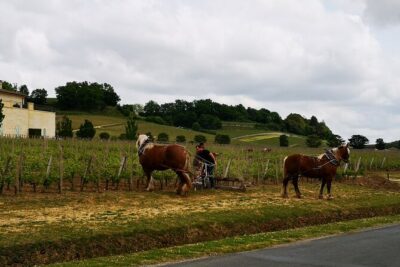
Saint Emilion Half-Day Trip with Wine Tasting & Winery Visit from Bordeaux
Read our review →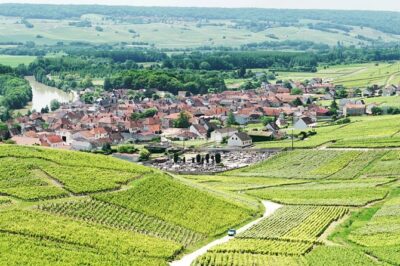
Champagne Day Trip with 6 Tastings, Reims and Winery from Paris
Read our review →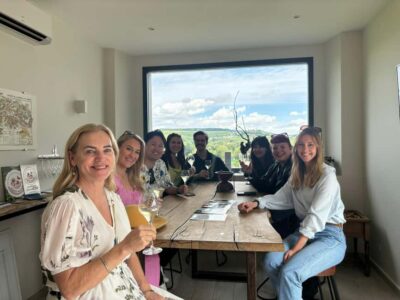
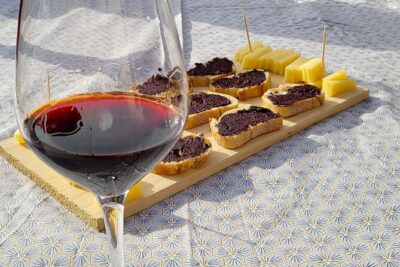
Saint-Emilion Afternoon Wine Tour – 2 Wineries & delicacies
Read our review →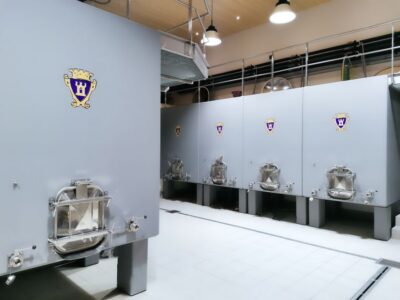
Saint-Émilion: Bordeaux Vineyard Tour and Wine Tasting
Read our review →
Browse the lists this tour appears in