REVIEW · FOOD & DRINK
Bioul (near Dinant) : Château de Bioul Tour and Wine Tasting
Château de Bioul gives you two good reasons to visit one Walloon estate: a château with roots reaching back to the 10th century and a working Belgian vineyard where the story ends in your glass. The visit links family history, wine production, architecture, and local food without making the estate feel like just another tasting room.
I like the way the tour connects the property to the Le Bon Marché story and the later GB-INNO-BM group. I also like the chance to walk through the vineyards, winery, and centenary park before tasting local wines and products. The main drawback is practical: the estate is not suitable for wheelchair users or people with mobility impairments, and much of the visit calls for comfortable walking shoes.
Key points to know before you go
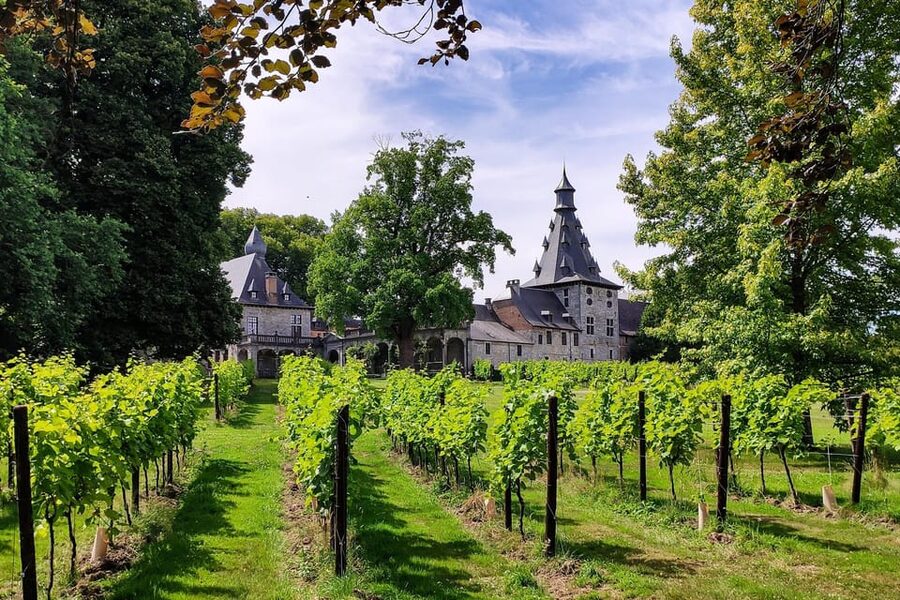
- A château with medieval roots: Bioul has been a local landmark since the 10th century, with Gobert de Bioul recorded as a knight and lord in 1210.
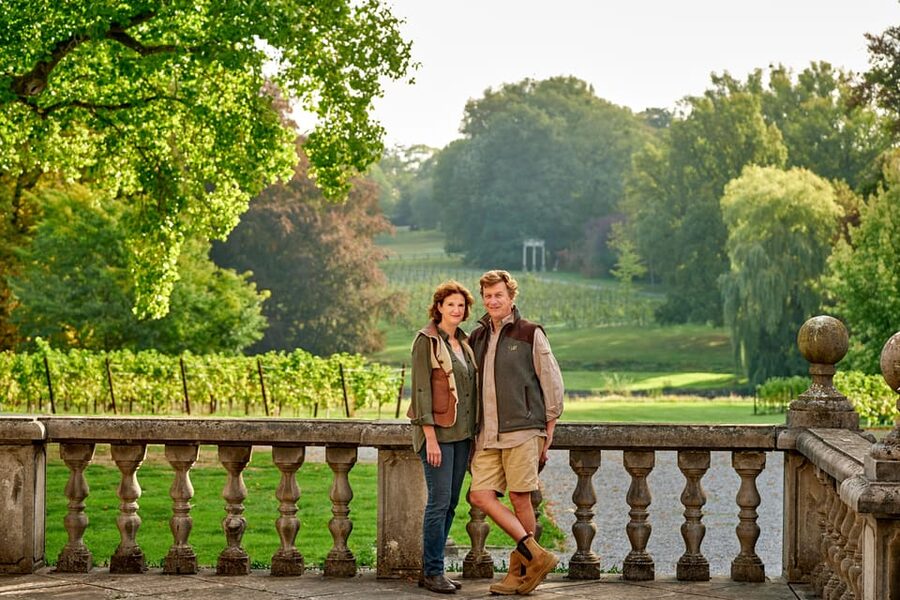
- A family estate since 1906: Andy and Vanessa Wyckmans-Vaxelaire continue the family connection to the property.
- Wine from grape to glass: The tour covers the vineyards, winery, production story, and tasting.
- More than a wine stop: You also learn about Le Bon Marché and the company that became the GB-INNO-BM group.
- French and English support: A host or greeter and an audio guide are available in both languages.
- A walking visit: Bring sturdy, comfortable shoes, and remember that flash photography is not allowed inside the château.
Why Château de Bioul makes a good day near Dinant
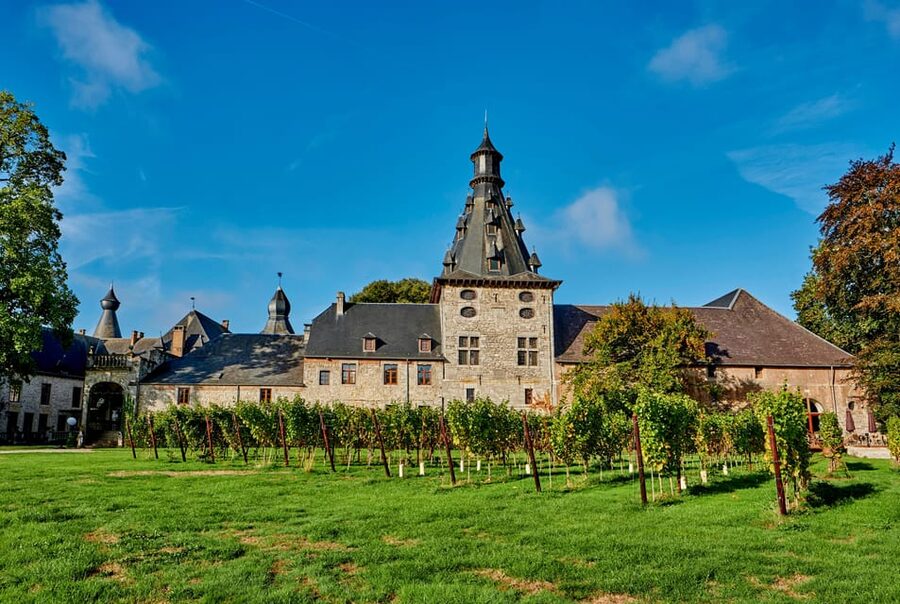
The best feature of this experience is its mix. You are not asked to choose between an old Belgian residence and a wine visit. At Bioul, the château gives the estate a sense of place, while the vineyards and winery show how the property functions today.
That combination matters in Wallonia, where a wine visit can be more interesting when it is tied to local history. You learn about the people who held the estate, the family that preserved it, and the work needed to turn grapes into finished bottles. The tasting then has a clear setting and story behind it.
The experience is priced at $35 per person. That is a fair rate if you want an estate visit rather than a short pour at a shop. Your admission includes the discovery tour, access to the vineyards and winery, the centenary park, and a wine tasting with local products. Transportation and meals are not included, so you will need to arrange your own way to the château and plan food separately.
The stated duration is one day, but the exact starting time depends on availability. Treat this as a substantial stop in your day near Dinant, not as a quick tasting you can squeeze between several timed attractions.
More Food and Drink Experiences in the world:
- Florence: Chianti Wineries Tour with Wine Tasting
★ 4.5 · 10,071 reviews - Porto: Cálem Cellar Tour, Interactive Museum & Wine Tasting
★ 4.5 · 4,113 reviews - Porto: Cálem Cellar Tour, Fado Show & Wine Tasting
★ 4.4 · 3,530 reviews
Entering a property shaped by ten centuries
The Seigneurie de Bioul has been a known local property since the 10th century. One early figure connected to the estate is Gobert d’Orbais, also called Gobert de Bioul, who appears in records from 1210 as a knight and lord.
You will not simply be looking at an old façade without context. The tour explains how the estate developed over time and how its identity has been carried through several generations. That makes the château more meaningful than a decorative backdrop for a wine tasting.
The building shows several periods of architecture. Inside, you can expect statues, older decorative features, and tucked-away corners that reward a slower pace. Photography is allowed, but flash is not permitted inside, so set your camera or phone accordingly before you enter.
I would give yourself time to look above eye level. Period details can be easy to miss when a guide is moving a group from one room to the next. A camera is useful, but the visit is better when you pause to notice the building itself rather than treating every room as a photo stop.
The family story behind the estate
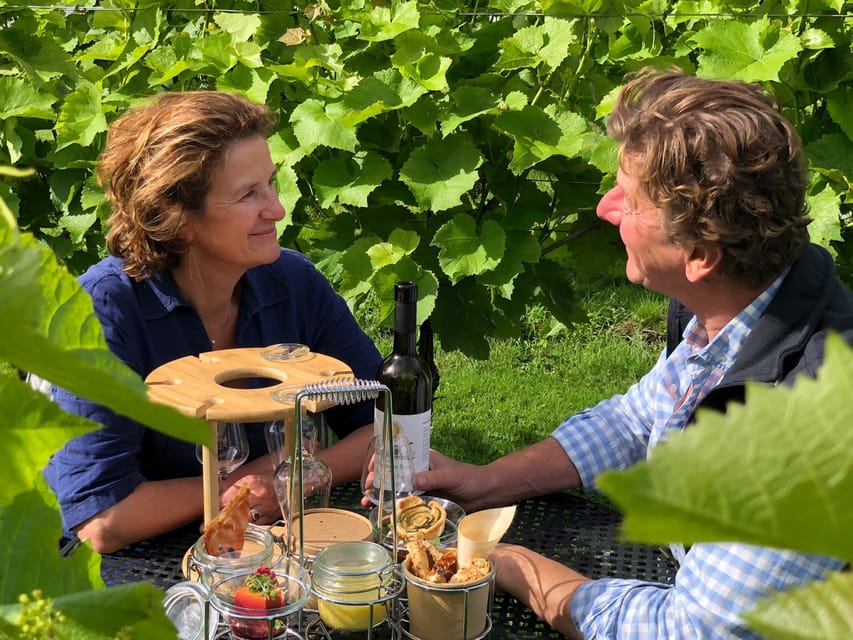
The same family has cared for Château de Bioul since 1906. Today, Andy and Vanessa Wyckmans-Vaxelaire own the property and continue that connection.
The family presents the château through values of love, solidarity, respect, and persistence. Its motto, In Arduis Constans, means perseverance in difficulty. That phrase gives the estate story a personal edge. You are learning not only when the château was built or who owned it, but also how the family understands its responsibility to the property.
This is also where the Le Bon Marché history fits into the visit. You learn about the business that became the GB-INNO-BM group, adding a commercial and family-business thread to the older story of the estate. For visitors interested in Belgian social and business history, that section may be as useful as the architecture.
The information is especially helpful if you prefer visits with a human story. You can connect the old walls with real family decisions, changing industries, and the effort required to preserve a large property. If your only goal is to taste wine, this historical material may feel like extra time. If you enjoy knowing why a place still exists in its present form, it adds real value.
Walking through the vineyards and winery
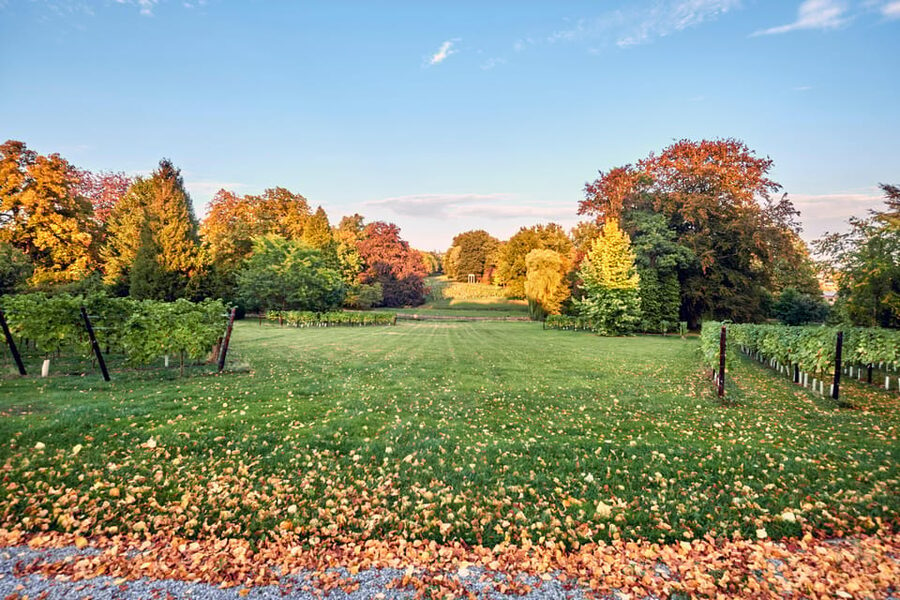
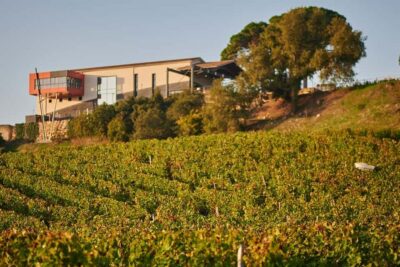
After the château, the experience turns toward wine. Access to the vineyards and winery is included, so you can see the setting where the estate’s vintages begin and follow the production process toward the finished bottle.
The tour is designed to explain the journey from grape to glass. That phrase is important because the visit is not limited to an introduction to grape varieties or a final tasting. You get a basic view of the estate’s wine work, from the planted vines to the facilities where the wine is made.
You might find the vineyard visit most rewarding in good weather, when the estate’s grounds are easier to enjoy on foot. At the same time, the practical details matter. Check the forecast before you go, wear comfortable shoes, and be ready for walking over an estate property rather than moving only across smooth indoor floors.
The winery section gives the tasting more purpose. When you later sample the wines, you have already seen the place and process behind them. You can think about how the estate presents its local identity and how the final products fit into the family’s wider project.
This is not described as a technical winemaking class, so you should not expect a detailed professional course in fermentation, soil science, or vintage analysis. It is better understood as a guided introduction to the estate’s production and its place within the château visit.
A few more vineyard days around the world worth a look
- Tuscany Day Trip from Florence: Siena, San Gimignano, Pisa and Lunch at a Winery
★ 5.0 · 21,634 reviews - Porto: Douro Valley with Winery Lunch, Tastings & Cruise
★ 4.7 · 7,002 reviews - Barcelona: Montserrat, Cogwheel, Black Madonna & Winery Tour
★ 4.8 · 5,633 reviews - Montserrat with Black Madonna & Medieval Winery with Tapas/Lunch
★ 5.0 · 5,209 reviews
The centenary park and the changing pace of the visit
The château’s tree-lined centenary park is part of the included access. It offers a change from the rooms and winery, giving you space to look at the property as a whole.
The park is useful for two reasons. First, it helps you understand the château as an estate rather than a single building. Second, it breaks up the indoor portions of the visit. After historical displays and production information, time outside can make the experience feel less like a museum tour.
Your enjoyment of the park will depend on the weather and your comfort with walking. There is no need to bring special equipment, but good shoes are sensible. A camera is also worth packing, since photography is allowed on the property, with the no-flash rule applying inside the château.
For visitors with limited mobility, this part of the visit may be difficult along with the rest of the estate. The experience is specifically not suitable for wheelchair users or people with mobility impairments. That is a firm planning point, not a minor footnote.
The tasting: local wine with a sense of place
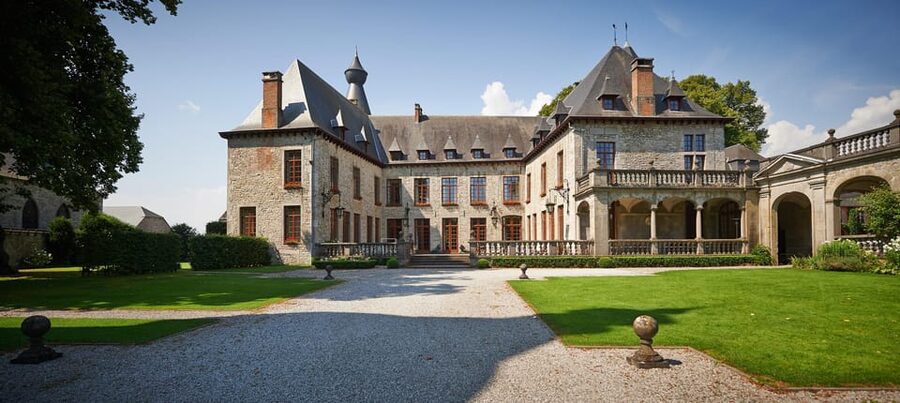
The final tasting brings together the main threads of the visit. You taste local wines and products in the heart of the estate, after seeing the château, vineyards, winery, and park.
I like this order. Tasting first can leave you with a pleasant drink but little understanding of where it came from. At Bioul, the wine comes after the story, so you can connect the glass to the property and the work explained during the tour.
The available information does not specify the number of wines, the exact pours, the food served, or whether the tasting includes a meal. Do not book this expecting lunch. Meals are not included, and the tasting should be treated as a chance to sample local products rather than a substitute for a full restaurant visit.
The tasting may be the highlight for anyone curious about Belgian wine. It also gives you a chance to decide what you like without making the entire visit about buying or studying wine. If you do not drink wine, the château, history, park, and winery still provide the main structure, but the tasting will naturally be less important to you.
French, English, and the role of the audio guide
The host or greeter and the audio guide are available in French and English. That makes the visit practical for English-speaking visitors, while French speakers can experience it in the local language.
An audio guide can be useful in rooms with several historical details, especially when you want to move at your own pace. A live host or greeter also helps give the visit a clear beginning and makes it easier to understand where to go next.
No individual guide name is provided, so you should not expect to book a specific named guide. The important point is language access, not a personality-led tour with one advertised expert.
If you use the audio guide, bring headphones only if the provider requires or recommends them, since that detail is not specified. The safe preparation is simpler: arrive with your language preference clear and allow time to listen rather than rushing through the rooms.
Is $35 good value?
At $35, this is good value for a visitor who wants several connected experiences in one place. You receive access to the château, vineyards, winery, and centenary park, plus the tasting and the estate’s historical interpretation.
The price makes less sense if you want only a glass of wine or a short cellar visit. It also does not cover transportation or meals, so your full spending will be higher if you need a taxi, public transport, or a separate lunch.
The strongest value comes from the setting and range. You are paying for access to a family-owned heritage property, not just for the liquid in the glass. The wine tasting is the finish, while the château and family story give the visit its character.
The current rating is 4.2 out of 5 from seven reviews, which suggests a generally positive response but not a perfect fit for everyone. Two recent comments highlight the estate, the family heritage, the museum-style presentation, the educational side, and Belgian winemaking. That matches the experience’s main strength: it gives you both cultural context and a local product to taste.
Practical planning for a comfortable visit
Plan your transportation before booking. Getting to Château de Bioul is not included, and the experience does not provide a transfer from Dinant or elsewhere.
Wear comfortable walking shoes. This advice matters because the visit includes the grounds, vineyards, winery, and park, not only the château interiors. Check the weather before you leave and bring a camera if you enjoy photographing historic buildings and outdoor spaces.
Smoking is not allowed. Photography is allowed, but you must not use flash inside the château. These are simple rules, but following them helps protect the interior and keeps the visit pleasant for the group.
The activity is valid for one day, with starting times dependent on availability. You can reserve now and pay later, which is useful if your plans around Dinant are still shifting. You can also cancel up to 24 hours in advance for a full refund, according to the booking conditions.
The property is not suitable for wheelchair users or people with mobility impairments. If anyone in your group has difficulty walking, contact the provider before booking rather than assuming the château grounds will be easy to manage.
Who will enjoy Château de Bioul most?
I would recommend this visit to you if you like historic houses, family stories, Belgian food and drink, or small-scale wine culture. It is also a good choice if you want an activity near Dinant that feels tied to Wallonia rather than a generic sightseeing stop.
Families and mixed-interest groups may find the variety useful. One person can focus on the architecture, another on the business history, and another on the wine. The park and outdoor sections also keep the visit from being entirely indoors.
Wine enthusiasts should enjoy seeing the production setting, but this is not presented as an advanced tasting seminar. You will get an introduction to the estate’s vintages and production journey, not a full technical course.
I would be more cautious if you have limited mobility, dislike walking, want a full meal, or have no interest in either history or wine. The visit asks you to engage with the whole estate. Its strength is the mix, and that mix may feel unnecessary if you want only one narrow activity.
Should you book this estate visit?
Book Château de Bioul if you want a thoughtful half-day or day stop near Dinant built around heritage, family history, Belgian wine, and local products. The $35 price is reasonable for the number of areas included, especially when you value the château and grounds as much as the tasting.
Skip it if transportation is difficult, walking is a concern, or you are searching for a quick tasting with no historical material. For everyone else, Bioul offers a useful look at how an old Walloon estate continues to work in the present, with a glass of local wine waiting at the end.
FAQ
Where is Château de Bioul?
Château de Bioul is in Bioul, near Dinant, in Wallonia, Belgium.
What does the tour include?
It includes the discovery tour of the estate, wine tasting, access to the vineyards and winery, and access to the centenary park.
Is transportation to Château de Bioul included?
No. Transportation to and from the château is not included.
Are meals included?
No. Meals are not included in the activity.
Is the experience available in English?
Yes. The host or greeter and the audio guide are available in French and English.
Is Château de Bioul accessible for wheelchair users?
No. The experience is not suitable for wheelchair users or people with mobility impairments.
Just added around the world
- Vineyard Tour and Tasting of Lugana Wines★ 4.5 · 6 reviews
- Visit winery and vineyards, tasting 4 wines with 3 matching dishes★ 5.0 · 3 reviews
- Day Trip to the Sancerre and Pouilly Vineyards★ 5.0 · 20 reviews
- Picnic and Lugana Tour at Perla del Garda winery★ 5.0 · 6 reviews
- Winery tours and tastings in Bolgheri with Wine Guide★ 5.0 · 16 reviews
- Guided tour of vineyards and winery with tasting 4 wines★ 4.5 · 12 reviews
- Private Chianti and SuperTuscan Tour 2 wineries with Light Lunch from Livorno★ 4.5 · 5 reviews
- Winery Tour & Tasting in Pisa Countryside★ 5.0 · 2 reviews
Food & Drink, compared.
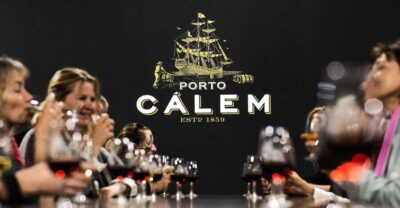
Cálem Cellar Tour, Interactive Museum & Wine Tasting
Read our review →
Burmester Cellar Tour with Tasting & Pairing Options
Read our review →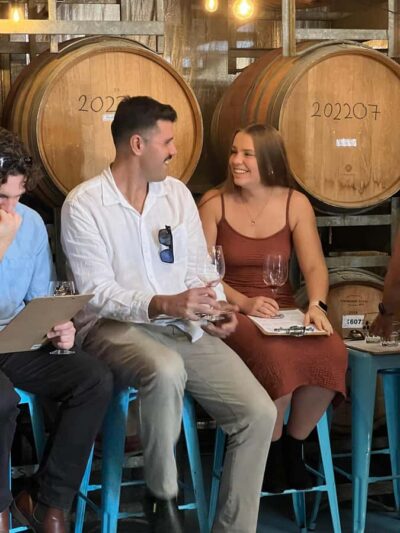
Barossa Premium Wine Tasting tour & Winery Lunch
Read our review →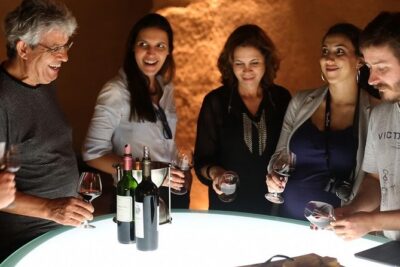
Medoc or Saint Emilion Wine Tasting and Chateau from Bordeaux
Read our review →
Full-Day Winelands Tour with Wine Tastings & Food
Read our review →