REVIEW · ITALY
BAROLO: GUIDED VISIT TO THE WINERY AND TASTING WITH THE PRODUCER
The most unusual part of this Barolo visit is the chance to connect the wine with the woman who helped shape its modern story. Virna Borgogno was the first woman in Italy to earn the title of Enologist, and she now runs the family winery with her sister, Ivana. You will see the working cellar, aging rooms, and historic bottles before tasting four Barolos.
I like the small, personal setting and the clear comparison between wines from different parts of Barolo. I also like that the visit goes beyond a quick sip at a counter: you see vinification, oak aging, bottling, and bottle aging. The main caution is value. At $47 for one hour, the tasting can feel expensive if you measure the visit by the amount of wine and food served. A little grissini is the only accompaniment mentioned.
Key points to know before you book
- Four Barolos in one tasting: Compare Cannubi, Sarmassa, Barolo DOCG Noi, and Barolo from the municipality of Barolo.
- A family-run winery: Sisters Virna and Ivana Borgogno operate a producer with three generations of Langhe winemaking behind it.
- A working cellar, not a large attraction: The visit focuses on vinification, oak barrels, bottling, and bottle aging.
- Historic bottles from the 1960s: The bottle-aging room includes older Barolos that show the winery’s long connection to the area.
- One hour, tightly organized: The short format works well for a day of winery visits, but may feel rushed if you want a long conversation.
- Languages and flexibility: Tours are offered in Italian, English, and French, with free cancellation up to 24 hours before the start time.
Meeting the Borgogno family in central Barolo
You begin at Via Alba, 73, in Barolo itself. The location matters because you do not need to arrange a countryside transfer just to reach the cellar. If you are already exploring the village, this is an easy way to add a serious wine experience without committing half a day.
The Borgogno farm has produced wine in the Langhe for three generations. Today, sisters Virna and Ivana manage the operation. That family connection gives the visit a different feel from a large commercial winery, where the guide may be separated from the people actually making the wine.
Virna’s professional background is a key part of the visit. She was the first woman in Italy to obtain the title of Enologist, a detail that adds real context to her role in a traditionally male wine world. The experience is not built around celebrity, though. The focus stays on the wines, the cellar, and the way the local soil shapes Nebbiolo.
The supplied information does not promise that Virna personally leads every departure, so you should think of this as a producer-led family winery visit rather than a guaranteed private appointment with Virna. Still, the chance to speak with the winemaker is one of the strongest reasons to choose this experience.
More Food and Drink Experiences in Italy:
- Florence: Chianti Wineries Tour with Wine Tasting
★ 4.5 · 10,071 reviews - From Florence: Private Chianti Hills Tour with Tasting
★ 4.3 · 809 reviews - Lucca: Guided Winery Tour with Wine Tasting
★ 4.7 · 611 reviews
Seeing how Barolo spends its years in oak
The first part of the visit takes you through the winemaking areas. You learn about vinification, the process that turns grapes into wine, followed by aging, bottling, and bottle storage. That sequence helps you understand why Barolo is not a wine made for instant release.
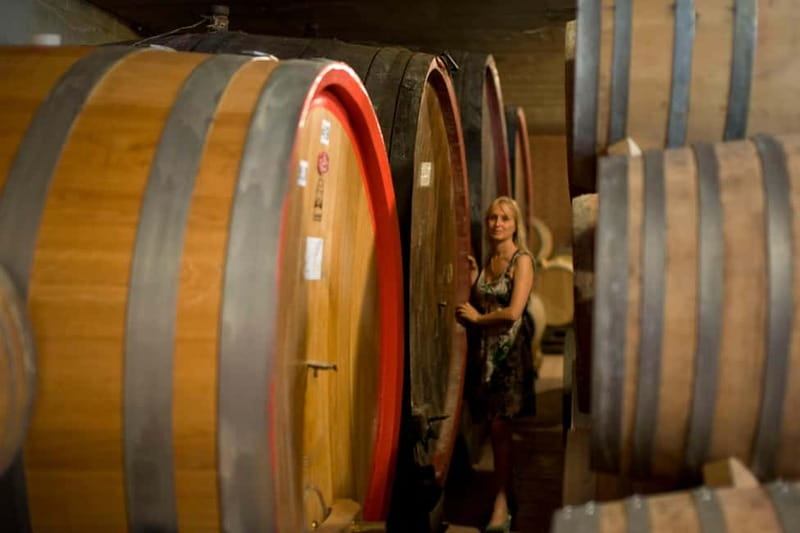
The oak aging room is one of the main sights. Large barrels hold the wine as it develops, and the guide explains the role of this stage in the final character of Barolo. Barolo must mature for at least 18 months in oak, so the barrels are not decoration. They are part of the legal and traditional path the wine must follow before sale.
I like this portion because it gives physical meaning to the long wait behind every bottle. You see the barrels rather than simply hearing that the wine is aged. The cellar also lets you connect the polished tasting-room experience with the practical work taking place behind it.
The tour continues to the bottle-aging room. Here, you can see older bottles, including Barolos dating from the 1960s. The collection gives you a glimpse of how the wine changes over time and shows that the winery is not only producing current releases. It is also keeping a record of past vintages.
The information provided does not say how many bottles are in the collection or how much time you spend with them. Treat this as an interesting stop within a compact visit, not as a museum devoted to old wine.
Using the Barolo map to understand the wines
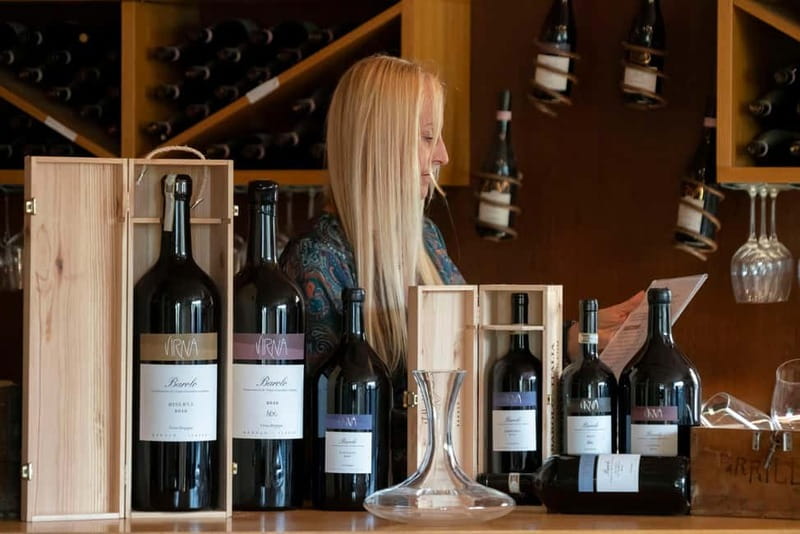
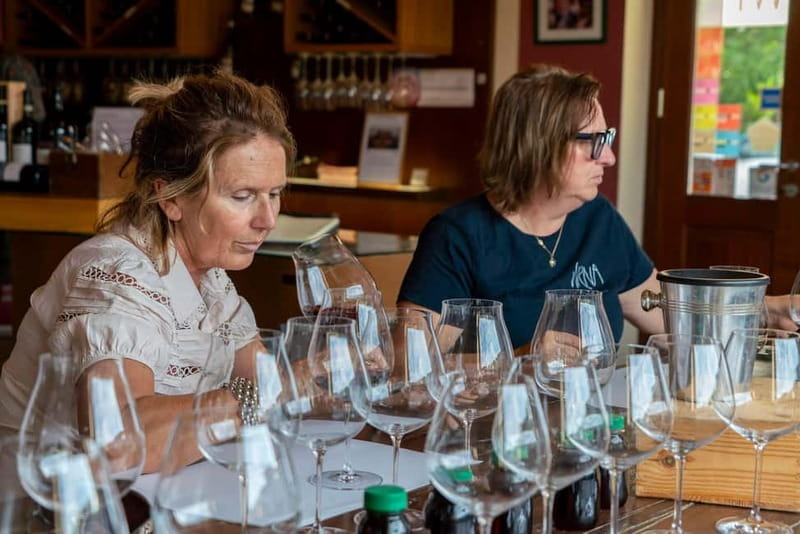
After the cellar, the experience moves to a brick-vaulted tasting room. The setting sounds appropriately traditional, but the useful part is the official map of Barolo. The guide uses it to explain the area and the different soils that produce distinct expressions of Nebbiolo.
This is where the tasting becomes more than a list of four pours. Barolo is divided into named areas and vineyard sites, and those places can give the same grape different aromas, structure, and balance. The map helps you place each wine geographically instead of treating every Barolo as one general style.
You taste two important vineyard-designated wines: Barolo MGA Cannubi and Barolo MGA Sarmassa. MGA refers to the officially recognized geographic areas used for Barolo vineyard designations. Cannubi and Sarmassa allow you to compare wines tied to specific sites.
The tasting also includes Barolo DOCG Noi and Barolo from the municipality of Barolo. These wines broaden the comparison. Instead of tasting four near-identical bottles, you can consider how a named site differs from a broader municipal or house expression.
The exact tasting order and vintage are not specified. Wine availability can change, so the experience should be judged by the four listed styles rather than by expecting a particular year. If you want to buy a bottle, ask about vintages and drinking windows during the tasting.
What the four Barolos bring to the table
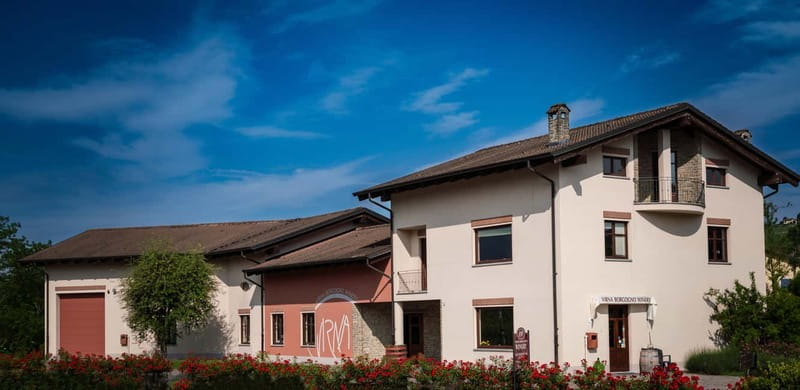
The value of this visit rests heavily on the tasting. Four Barolos for $47 gives you a focused introduction to the winery’s range, especially if you have not yet learned how site names work in the Langhe.
A few more vineyard days around Italy worth a look
- Private Self-Guided E-Bike Ride in Tuscany with Vineyard Visit
★ 5.0 · 775 reviews - Olbia: Gallura Winery Guided Tour with Tasting
★ 4.7 · 451 reviews - Valpolicella: 1.5-Hour Guided Winery Tour with Wine Tasting
★ 4.8 · 207 reviews - Montalcino: Guided Winery Tour and Wine Tasting
★ 4.8 · 200 reviews
Barolo MGA Cannubi
Cannubi is one of the best-known names in Barolo, and it gives the tasting a recognizable reference point. Here, you are sampling a wine tied to a specific area rather than only to the wider Barolo appellation.
Barolo MGA Sarmassa
Sarmassa provides a second single-area comparison. Tasting it beside Cannubi lets you look for differences in aroma, weight, acidity, and tannin, even if you are new to Nebbiolo.
Barolo DOCG Noi
Noi represents another expression from the winery. It helps show how the producer works with the appellation beyond the two named vineyard areas.
Barolo from the municipality of Barolo
This wine carries the name of the municipality itself. It completes the comparison by showing another way the territory can be represented in the bottle.
The guide’s job is to connect these wines to the map and soil. That explanation is especially useful if you usually choose wine by grape or price but have not yet learned to compare Italian wines by place.
A tasting that is informative, but not elaborate
The tasting is described as guided, with explanations tailored to the visitors. A Canadian participant gave high marks to the presentation and said the explanations suited the group, while another highly positive assessment praised the informative tour and the chance to speak with the winemaker.
That combination is the central strength here: you are not simply handed four glasses and left to guess. The guide explains the winery, the area, the wines, and the aging process. The use of Italian, English, and French makes the experience practical for an international audience.
Food is a different matter. The wines are accompanied by only a small amount of grissini, or breadsticks. One tasting found the wines delicious but noted the limited food. If you expect cheese, cured meat, or a full Langhe snack, eat beforehand or plan a meal afterward.
This is important when considering the $47 price. You are paying for access to the cellar, the producer’s story, the map-based explanation, and four Barolo tastings. You are not paying for a long food-and-wine pairing.
Is $47 a fair price for one hour?
At $47 per person, the experience sits in the range where the details matter. A one-hour visit is short, but four Barolos, a cellar tour, and a producer connection can make it worthwhile for someone who specifically wants to understand Barolo.
I think the price works best for three types of visitors. First, it suits wine drinkers who want to compare Cannubi and Sarmassa in the same sitting. Second, it suits people who value a family winery over a large, polished attraction. Third, it works for anyone with limited time in Barolo who wants a compact introduction.
The price is harder to justify if you mainly want a generous tasting or a relaxed meal. One French participant felt the experience was too expensive for what was tasted and done, despite buying wine afterward. That criticism is fair. The visit is not a bargain tasting, and the small food offering does not add much to the package.
The best way to judge the value is to ask yourself what you want from a winery visit. If you want several hours, a large cellar, and substantial food, this is not the right choice. If you want a focused look at a family producer and four serious Barolos, the price is more defensible.
The one-hour pace and the personal feel
The short duration is both an advantage and a limitation. You can fit the visit between other plans in Barolo, and the schedule leaves room for another winery or a village walk. You do not need to surrender an entire afternoon.
On the other hand, the cellar, bottle room, map discussion, and four-wine tasting create a lot to cover in 60 minutes. One Dutch participant liked the small, authentic character but felt the visit was rushed and gave the impression that the winery was not fully prepared for the arrival.
That point is worth keeping in mind. A small working winery may not have the smooth timing of a major visitor center. The personal atmosphere can feel warm and direct, but it can also feel less polished. Your experience may depend on the pace of the group and the guide assigned that day.
The strongest reports praised the clear presentation, the friendly guide, and the conversation with the producer. The less positive feedback focused on the sense of haste and the price. Put together, those details suggest a visit with real character, but not one designed around luxury service.
Who should book this Barolo winery visit?
I would choose this experience if you want to understand what makes Barolo different from a generic Italian red wine. The official map, named vineyard areas, oak barrels, and bottle-aging room all help you build that understanding quickly.
It is also a good fit if you prefer small producers and direct conversation. You see the working parts of the winery and learn about a family business rather than touring a grand attraction built mainly for sightseeing.
The visit suits beginners, too. You do not need to know the Langhe or Nebbiolo before arriving. The explanations are intended to show how the area, soil, aging, and producer style affect the wine.
Experienced wine drinkers may enjoy it for a different reason. The four-Barolo format gives you a useful side-by-side comparison, especially if you want to study Cannubi and Sarmassa. Still, serious collectors may want more time, more vintages, or a larger tasting lineup than this one-hour format provides.
If you are visiting Barolo mainly for food, this should be one part of the day, not the whole plan. The experience includes only a little grissini, and no full meal is included.
Practical details before arrival
The meeting point is Via Alba, 73, in Barolo. The visit lasts one hour and includes the winery tour and the four-wine tasting.
Guidance is available in Italian, English, and French. Some content may be shown in its original language, so you should expect that a few labels, documents, or spoken details may not be translated word for word.
You can cancel up to 24 hours in advance for a full refund, and the reserve-now, pay-later option keeps you from paying at the time of booking. Starting times vary, so check availability for your date.
Wine purchases are possible after the tasting. If you plan to buy, ask which bottles are ready to drink and which are better suited to further aging. The information provided does not state shipping arrangements, so do not assume the winery can send bottles home for you.
Should you book this Virna Borgogno experience?
Book it if you want a focused, family-run introduction to Barolo with four wines and a look behind the cellar door. The producer connection, the Cannubi and Sarmassa comparison, and the historic bottle room give the hour real substance.
Skip it if you expect a long tasting, generous food, or a low-cost sample of local wine. The $47 price is reasonable for the access and explanation, but it can feel high when the visit runs quickly and the accompaniment is limited.
My practical advice is to schedule it when you already plan to be in Barolo, then follow it with lunch or another winery visit. That way, you get the personal cellar experience without asking this compact tour to provide an entire day of wine and food.
FAQ
Where does the winery visit begin?
The starting location is Via Alba, 73, in Barolo, Piedmont, Italy.
How long does the experience last?
The guided winery visit and tasting last one hour.
How much does the experience cost?
The listed price is $47 per person.
Which wines are included?
The tasting includes Barolo MGA Cannubi, Barolo MGA Sarmassa, Barolo DOCG Noi, and Barolo from the municipality of Barolo.
Will I see the aging barrels?
Yes. The visit includes the aging rooms and the oak barrels where Barolo matures.
Will I see the bottle-aging room?
Yes. The visit includes the bottle-aging room, with historic Barolo bottles dating back to the 1960s.
Who runs the winery?
Sisters Ivana and Virna Borgogno run the family farm, which has produced Langhe wines for three generations.
What is notable about Virna Borgogno?
Virna was the first woman in Italy to obtain the title of Enologist.
Which languages are available?
The live guide is available in Italian, English, and French. Some content may be shown in its original language.
Can I cancel the booking?
Yes. You can cancel up to 24 hours in advance for a full refund. You can also reserve now and pay later.
Just added around Italy
- Vineyard Tour and Tasting of Lugana Wines★ 4.5 · 6 reviews
- Picnic and Lugana Tour at Perla del Garda winery★ 5.0 · 6 reviews
- Visit winery and vineyards, tasting 4 wines with 3 matching dishes★ 5.0 · 3 reviews
- Winery tours and tastings in Bolgheri with Wine Guide★ 5.0 · 16 reviews
- Guided tour of vineyards and winery with tasting 4 wines★ 4.5 · 12 reviews
- Private Chianti and SuperTuscan Tour 2 wineries with Light Lunch from Livorno★ 4.5 · 5 reviews
- Winery Tour & Tasting in Pisa Countryside★ 5.0 · 2 reviews
- San Gimignano and Winery Experience with Lunch from Livorno★ 5.0 · 3 reviews
Italy Vineyard Tours, compared.
Tuscany Day Trip from Florence: Siena, San Gimignano, Pisa and Lunch at a Winery
Read our review →
Half day Chianti Vineyard Escape from Florence with Wine Tastings
Read our review →
Tuscany Wine Tour: 2 Wineries & San Gimignano from Florence
Read our review →
Chianti Wineries Tour with Tuscan Lunch and San Gimignano
Read our review →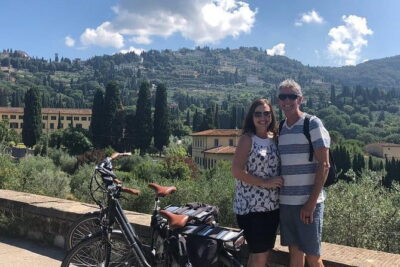
Private Self-Guided E-Bike Ride in Tuscany with Vineyard Visit
Read our review →