
REVIEW · FRANCE
Bandol: Family Vineyard Tour and Tasting
Château Canadel gives you a close look at Bandol wine from vine to bottle, in the Castellet hills about 10 minutes from Bandol. You walk through old-style restanque vineyards, hear how organic farming works, then follow the wine into the cellar and oak barrels before tasting four vintages.
I like the family-run welcome and the clear link between the soil, Mourvèdre grapes, and the finished wine. I also like that the tasting comes after the vineyard and cellar visit, so the glasses have a story behind them rather than appearing as a parade of anonymous pours.
The main consideration is transport. The estate is not easy to reach by public transport, with buses running only a few times daily, so a car is the sensible choice. The guide speaks French, and some material is presented in its original language.
Key points worth knowing
- AOC Bandol in four glasses: Taste white, rosé, and red wines from Château Canadel.
- Organic farming in the restanques: Learn how the estate works with nature and its stone-supported vineyard terraces.
- Mourvèdre takes center stage: The tour explains the grape closely tied to Bandol’s identity.
- A cellar visit with practical detail: Follow fermentation, aging in oak barrels, and bottling.
- A small family welcome: The experience is led by passionate winegrowers rather than a generic guide.
- Plan your ride first: The estate address is 98 Chem. du Canadeau, and public transport is limited.
Why Château Canadel is worth your time near Bandol
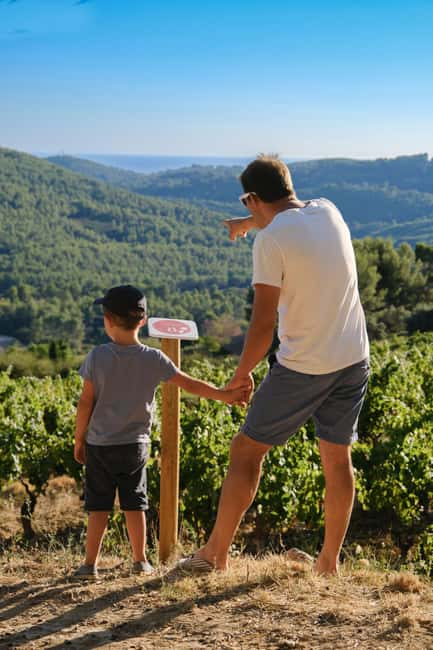
Bandol is one of Provence’s most respected wine areas, and Château Canadel offers a useful way to understand it beyond the tasting room. Instead of starting with a glass and a sales pitch, you begin among the vines. That order matters. You see the growing conditions, hear about the grapes, and then taste the result.
The estate sits in the Castellet hills, roughly 10 minutes from Bandol. The setting is a major part of the experience. You are not visiting a city shop with a few bottles stacked behind the counter. You are going to the source, where the vineyards, cellar, family, and shop all belong to the same working estate.
The visit lasts about 90 minutes, though it can run from one hour to one and a half hours depending on how many questions you ask. That flexibility suits a wine visit well. If you already know your Mourvèdre from your Grenache, you can keep things moving. If you are curious about fermentation, barrel aging, or organic methods, you have room to ask.
I would not choose this as a quick stop between several major sights. I would choose it when you want a calm, focused introduction to Bandol wine and the people who make it.
More Food and Drink Experiences in France:
- Medoc or Saint Emilion Wine Tasting and Chateau from Bordeaux
★ 5.0 · 1,415 reviews - Saint-Émilion: Grand Cru Classé Winery Visit and Tasting
★ 4.6 · 1,118 reviews - Saint Emilion Half-Day Trip with Wine Tasting & Winery Visit from Bordeaux
★ 4.5 · 1,034 reviews
Walking the restanque vineyards
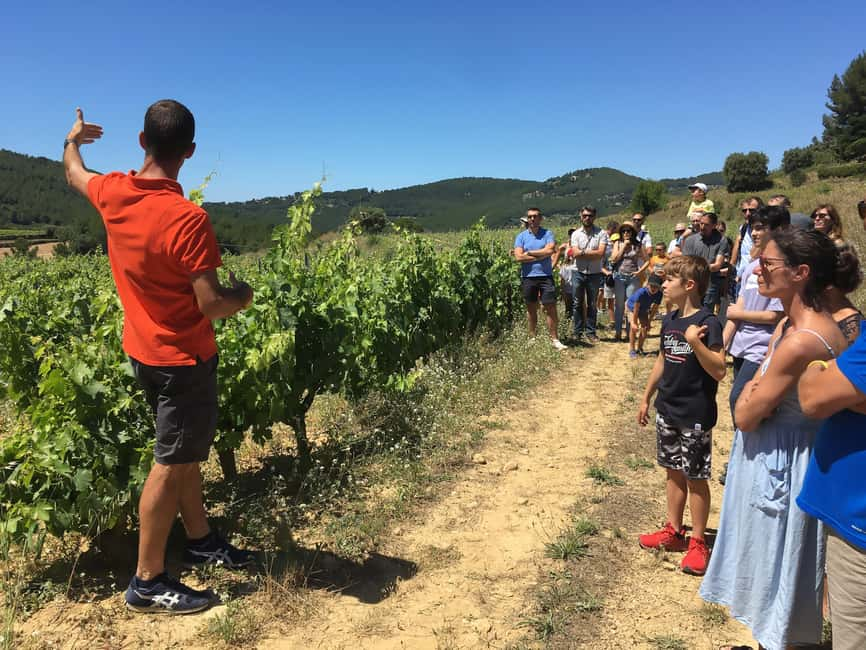
The tour begins at the vineyards, with a guided walk through the estate’s restanques. These are the stone-supported terraces that help shape the vineyards of the Provençal hills. The word may be new to you, but the idea is easy to grasp once you see the terraces underfoot and understand how the vines occupy the slopes.
This first 30-minute section is where the estate’s organic approach becomes more than a label. You learn about the relationship between the vines, the soil, and the surrounding natural setting. The winemakers explain their eco-friendly practices and their effort to work with nature rather than treat the vineyard as a factory floor.
I like this part because it gives you useful context before the wine tasting. Organic viticulture can mean many things in marketing language, but a walk through the vineyard lets you ask what the estate actually does. The focus here is on the methods used at Château Canadel and the care taken with the land.
The guide also introduces the estate’s main grape varieties, including Mourvèdre. This grape is especially important in Bandol, and learning its role helps you understand why the local wines have such a distinct identity. You will not simply hear the name repeated during the tasting. You will have already connected it with the place where it grows.
The setting should appeal to you if you enjoy seeing how a product begins. It is also a good fit for families because the vineyard portion is practical and visual rather than a long lecture about wine chemistry. Still, remember that the visit takes place at a working estate. Wear comfortable shoes and expect to spend part of the tour outdoors.
Mourvèdre and the character of Bandol wine
Mourvèdre is one of the most useful threads running through this experience. The grape is closely associated with Bandol, and the guide explains how it fits the local wine tradition and the estate’s own production.
You will learn about the connection between grape variety and place. That makes the later tasting more rewarding. When you sample the red, you can think about the grape and the vineyard conditions rather than judging the wine as a stand-alone drink. The white and rosé also give you a chance to compare how different styles express the same local setting.
The tour does not promise a formal wine qualification, and it is not designed as an advanced sommelier course. Its strength is its clarity. The guide explains the basics in a personal way, with room for questions. Several French-speaking visitors particularly praised the explanations and the guide’s passion for the work.
The experience is conducted in French. If you are comfortable in French, you should get the fullest version of the conversation. Some content is presented in its original language, so English-speaking visitors should keep that point in mind before booking. The activity information does not promise an English guide or translated commentary.
Inside the cellar, from fermentation to oak
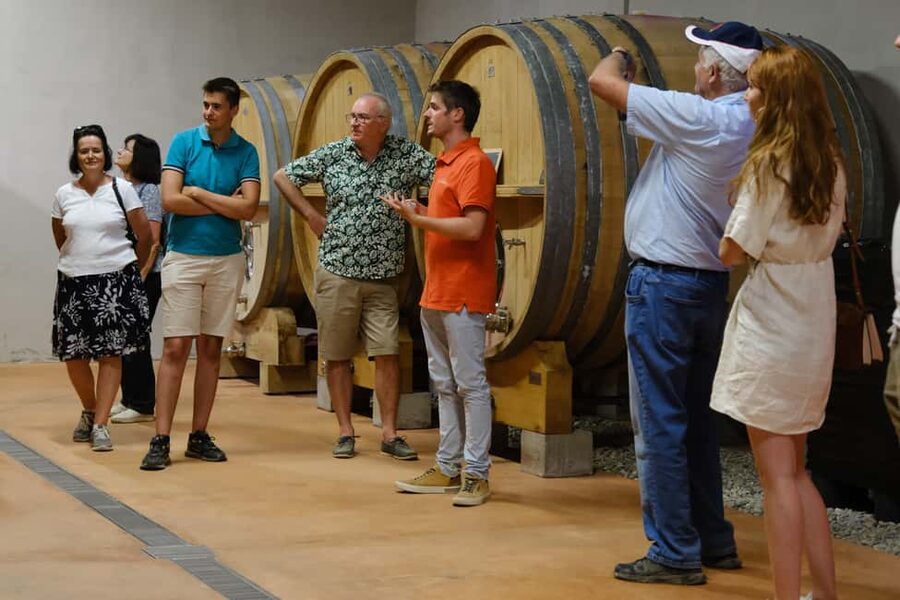
After the vineyard walk, you move into the cellar for another guided section of about 30 minutes. Here, the focus shifts from growing grapes to making wine.
The winemakers explain the key stages, including fermentation and aging in oak barrels. This is a helpful stop for anyone who has wondered what happens between harvest and the bottle. You can ask about the process directly, including how the estate handles its wines from grape to finished product.
The cellar visit also keeps the tour grounded. You have seen the vines and heard about organic farming. Now you see the decisions that shape the wine after harvest. The experience is not only about tasting notes or scenic views. It shows the work behind the bottle.
I especially like the chance to ask questions here. Wine tours can sometimes move too quickly, leaving you with a few polished phrases and little understanding. At Château Canadel, the format allows the guide to respond to your curiosity. If you want to know more about fermentation, oak, or the steps before bottling, this is the time to ask.
The cellar portion may be less exciting for young children than the vineyard or tasting, but it is short enough to keep the visit manageable. For adults who want to understand production, it adds real value to the 23 dollar price.
A few more vineyard days around France worth a look
- Champagne Day Trip with 6 Tastings, Reims and Winery from Paris
★ 5.0 · 902 reviews - From Reims: Champagne and Family-Run Wineries Tour
★ 4.8 · 671 reviews - Saint-Emilion Afternoon Wine Tour – 2 Wineries & delicacies
★ 5.0 · 614 reviews - Saint-Émilion: Bordeaux Vineyard Tour and Wine Tasting
★ 4.8 · 578 reviews
Four vintages in the tasting room
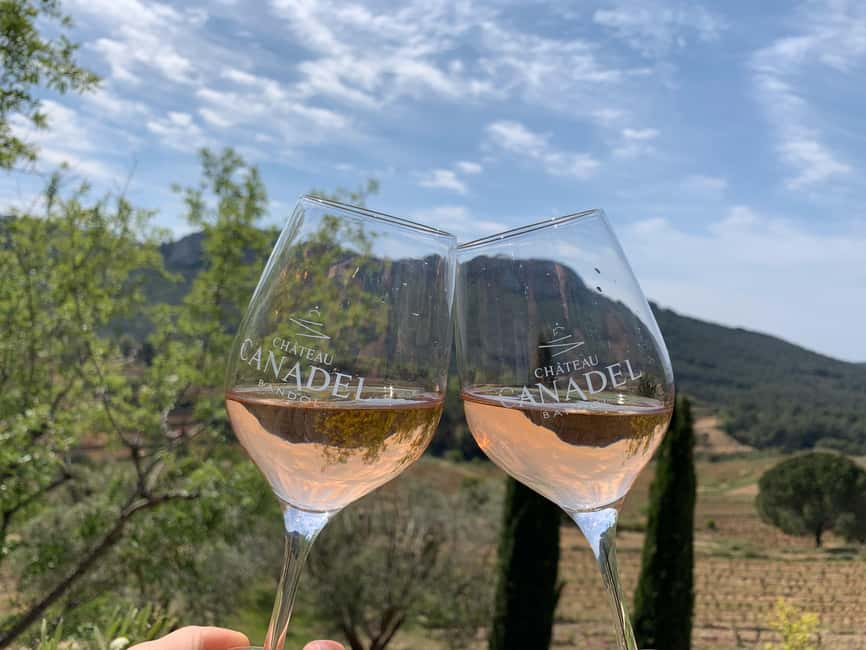
The final 30 minutes are devoted to tasting. You sample four vintages, including AOC Bandol white, rosé, and red wines. The tasting is held in a dedicated area at the estate.
Because you have already walked through the vineyard and cellar, the tasting has a clear purpose. You can connect each glass to the estate’s grape varieties, farming choices, and production methods. The guide can help you compare the wines and answer questions about what you are tasting.
The selection covers several styles, which is useful if you usually think of Bandol only as a red wine area. The white, rosé, and red pours give you a broader view of the appellation and the estate’s range.
The tasting is described as a friendly, family-oriented part of the visit. It is not paired with local specialties, so do not expect a meal or a spread of regional foods. Any local snacks or additional bottles must be purchased separately. That is not a serious weakness, but it matters if you are planning this as lunch. I would eat beforehand or arrange another meal nearby.
You also receive access to the estate shop, where you can get personalized advice. Buying wine is optional. You can finish with the tasting and leave without making a purchase, or choose a bottle or local product as a souvenir. The shop gives you a practical chance to revisit the wines after you have learned how they are made.
What the $23 price gets you
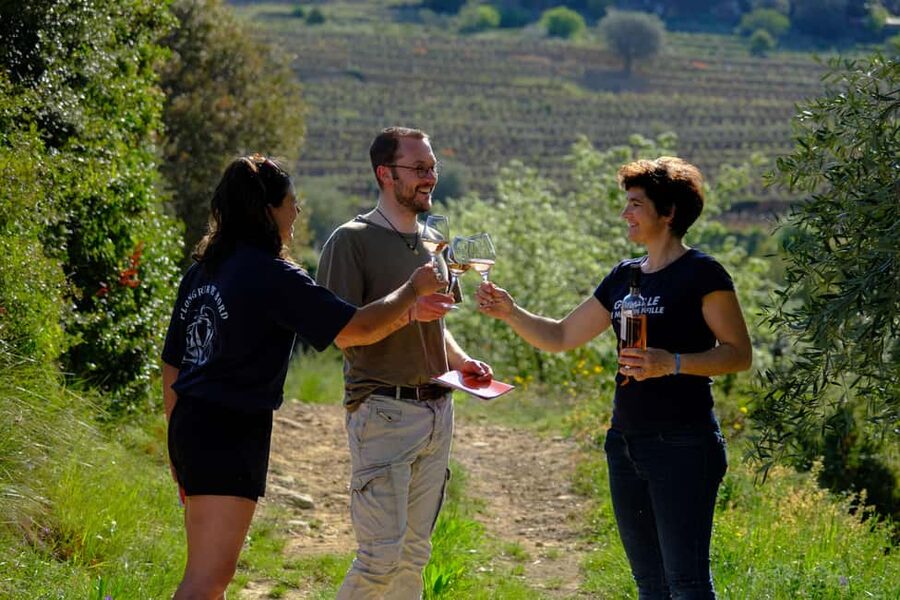
At $23 per person, the tour offers solid value if you want more than a quick tasting. Your fee covers the guided vineyard walk, the cellar visit, an explanation of organic viticulture and winemaking, and four wine samples. You also get access to the shop and advice about the estate’s products.
The value comes from the full sequence. A tasting alone might suit someone who already knows Bandol wines and wants to buy a bottle. This experience is better for you if you want the background behind the wine. The vineyard and cellar visits turn the tasting into a lesson about place and production.
The price does not include transport, bottles, local treats, or food pairings. Those omissions are easy to understand, but you should budget for them if you want to extend the visit. You are paying for the hosted experience, not a meal or a package of wine to take home.
The 90-minute length also works well. It is long enough to cover the vineyard, cellar, and tasting without taking over your day. The flexible one-hour to one-and-a-half-hour format means the pace can respond to questions, but you should not assume that every visit will run exactly 90 minutes.
Getting to 98 Chem. du Canadeau
The meeting point is Château Canadel’s cellar and tasting room at 98 Chem. du Canadeau. You need to arrange your own transport.
This is the most important practical issue. Public transport to the estate can be tricky, with buses running up and down the area only three times a day. Missing the return bus would turn a pleasant wine visit into a long wait, so check the timetable carefully if you are not driving.
A car gives you the most control, especially if the estate is one stop among several in the Bandol or Castellet area. If you plan to buy wine, appoint a non-drinking driver or arrange another safe way to return. The tour itself is 90 minutes, but transport planning should account for the full outing.
The location is close to Bandol by car, yet it is not a drop-in stop from the center. Treat it as a planned appointment. Arrive at the cellar and tasting room, not just the surrounding hills.
Who should book this family vineyard visit?
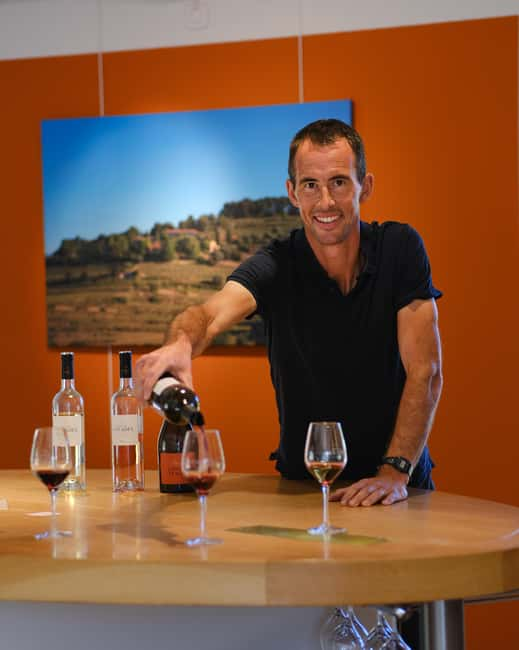
I would recommend Château Canadel to you if you want a personal introduction to Bandol wine, especially if you like meeting the people behind a regional product. The family welcome and the direct explanations are central to the experience.
It suits:
- Couples looking for a relaxed wine outing near Bandol
- Families who want an educational activity with outdoor time
- First-time visitors to Bandol wine
- Wine drinkers curious about organic viticulture
- Anyone interested in Mourvèdre and the AOC Bandol appellation
- Visitors with a car and enough time for a planned estate visit
I would be more cautious if you need an English-language tour, want a food pairing, or rely entirely on public transport. The guide speaks French, local specialties are not included, and bus schedules are limited.
You should also know that this is not a large-scale wine attraction. That is part of its appeal, but it means the focus is on the estate’s own vineyards, cellar, and wines rather than a broad survey of every producer in Bandol.
Practical details before you reserve
The activity offers free cancellation up to 24 hours before the start time, and you can reserve now and pay later. That is useful if your Provence plans are still shifting, though you should still check the available starting times before building the rest of your day around the visit.
The tour is guided live in French. Ask questions as you go, particularly during the cellar section, where the guide can explain the decisions behind fermentation and oak aging.
Plan for a visit of about 90 minutes. Add extra time if you expect to browse the shop or ask many questions. The estate’s family approach means the conversation can continue when curiosity takes over, but the exact pace may vary.
The tasting includes four vintages, with red, rosé, and white wines. It does not include local food. Bring a sensible attitude toward alcohol, arrange transport, and consider buying only what you can safely carry and enjoy during the rest of your trip.
Should you book Château Canadel?
Book this tour if you want to understand Bandol wine through the vineyard, cellar, and glass. For $23, you get a substantial 90-minute visit, four wines, organic viticulture explained on site, and direct contact with a family of winemakers.
Skip it if you want an English-language experience, a meal with your tasting, or an easy public transport connection. For everyone else, Château Canadel is a worthwhile choice near Bandol, particularly when you value clear explanations, a peaceful estate setting, and wine with a strong sense of place.
FAQ
Where does the Château Canadel tour begin?
The meeting point is Château Canadel’s cellar and tasting room at 98 Chem. du Canadeau.
How long does the vineyard tour and tasting last?
The experience lasts about 90 minutes. Depending on your questions and curiosity, it can take from one hour to one and a half hours.
What wines are included in the tasting?
You taste four vintages, including AOC Bandol white, rosé, and red wines.
Is transportation to the estate included?
No. You must arrange your own transport to Château Canadel.
Is the estate easy to reach by public transport?
Public transport can be difficult because buses run in the area only three times a day. Check the schedule carefully, and consider going by car.
What language is the tour conducted in?
The live guide speaks French. Some content is shown in its original language.
Does the experience include food or local specialties?
No. Tasting local specialties paired with the wines is not included.
Can I cancel the booking for a refund?
Yes. You can cancel up to 24 hours in advance for a full refund. You can also reserve now and pay later.
Just added around France
- Day Trip to the Sancerre and Pouilly Vineyards★ 5.0 · 20 reviews
- 3-Hour Private Painting tuition in a beautiful Cognac vineyard★ 3.5 · 2 reviews
- 4×4 tour in a winery followed by a tasting★ 5.0 · 46 reviews
- Winery Visit with Food and Wine in Carcassonne★ 5.0 · 59 reviews
- Walk in the vineyards of Chablis Grands Crus★ 4.5 · 7 reviews
- Wine Getaway with Tasting in the Chablis Vineyard★ 5.0 · 3 reviews
- Winery Tour & Wine Tasting – Deli Plate & 3 Wines★ 5.0 · 72 reviews
- Visit to the Faugères Vineyards with Picnic from Béziers★ 5.0 · 7 reviews
France Vineyard Tours, compared.
Medoc or Saint Emilion Wine Tasting and Chateau from Bordeaux
Read our review →
Saint-Émilion: Grand Cru Classé Winery Visit and Tasting
Read our review →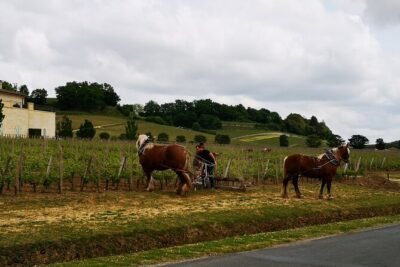
Saint Emilion Half-Day Trip with Wine Tasting & Winery Visit from Bordeaux
Read our review →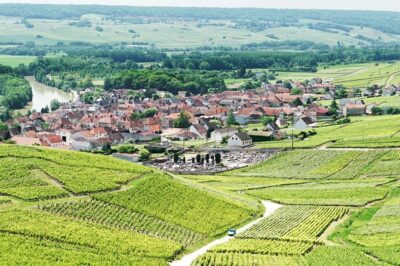
Champagne Day Trip with 6 Tastings, Reims and Winery from Paris
Read our review →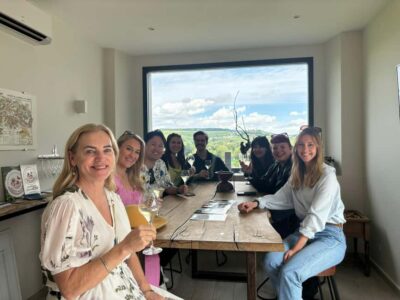
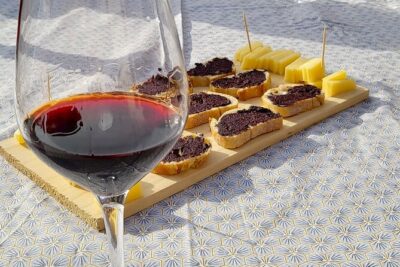
Saint-Emilion Afternoon Wine Tour – 2 Wineries & delicacies
Read our review →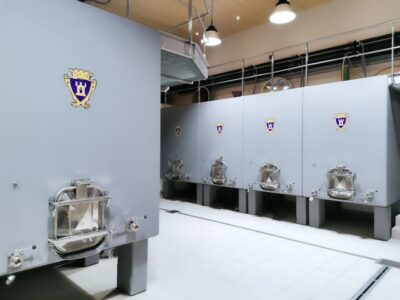
Saint-Émilion: Bordeaux Vineyard Tour and Wine Tasting
Read our review →
Browse the lists this tour appears in