REVIEW · ITALY
Aosta Valley: Visit and wine tasting at the Grosjean winery
The most interesting part of this Aosta Valley experience is its close look at mountain winemaking. At Grosjean, you move from the aging and bottling cellar to the barrel cellar and sparkling wine room, then sit down with wines made from grapes tied closely to the region.
I like the family connection, with the third generation guiding a winery that has grown to 19 hectares. I also like the pairing of regional wine with local cheeses and cold cuts, since it turns a technical visit into a proper taste of Aosta Valley life. The main drawback is that another group can make the guide harder to hear, so this tour is best for visitors who enjoy a relaxed cellar visit rather than a private tasting.
Key points at a glance
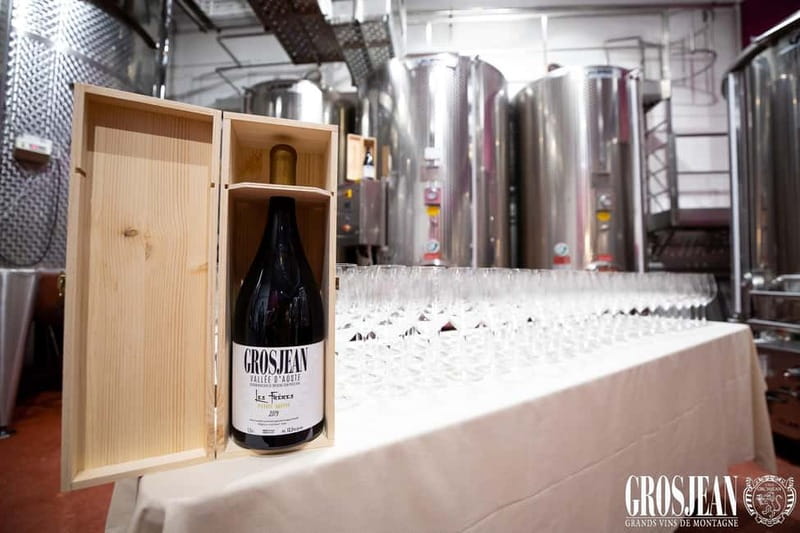
- Three generations of Grosjean winemaking: The family welcomes you into its own aging, bottling, barrel, and sparkling wine rooms.
- Three representative wines: Taste VDA DOC Petite Arvine, VDA DOC Torrette Superieur, and VDA DOC Fumin.
- A full regional pairing: Local cheeses and cold cuts accompany the wine tasting.
- A two-hour format: The visit gives you time for both the production areas and the tasting without taking up a full day.
- Three guide languages: The tour is offered in English, French, and Italian, though some material may remain in its original language.
- Adult-only experience: Children under 18 and pregnant women are not permitted.
Why Grosjean is a good introduction to Aosta Valley wine
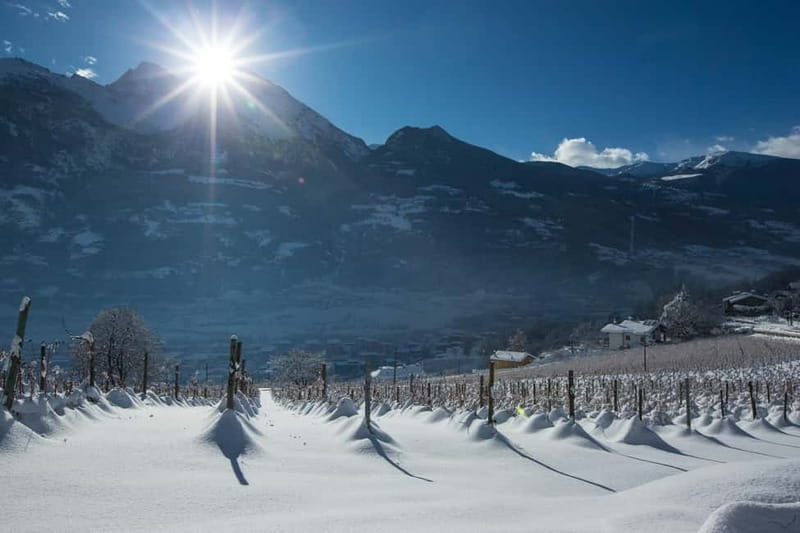
Aosta Valley wine can be easy to miss if you focus only on Italy’s better-known wine regions. This narrow Alpine area has its own identity, and the Grosjean visit gives you a useful way to understand it through the winery itself.
You are not simply handed a glass and left to guess what makes the wine local. The visit begins in the production spaces, where the guide explains how grapes become finished wine. That order matters. Once you see the aging and bottling cellar, the barrel cellar, and the sparkling wine production room, the tasting has a clearer purpose.
I like this format because it connects the bottle to the work behind it. You can ask about the stages of production while the equipment and cellar surroundings are right in front of you. Then, when the wines arrive, you already have a basic sense of how the winery handles them.
The Grosjean family’s role is another reason this visit feels personal. The third generation has continued the family’s work while expanding the vineyards to 19 hectares. That is large enough to support a serious operation, but the family story remains central to the visit.
This is not a museum presentation about a distant producer. You are meeting the people behind the wine at the winery entrance, then seeing the places where the wine is aged, bottled, and made into sparkling wine.
More Food and Drink Experiences in Italy:
- Florence: Chianti Wineries Tour with Wine Tasting
★ 4.5 · 10,071 reviews - From Florence: Private Chianti Hills Tour with Tasting
★ 4.3 · 809 reviews - Lucca: Guided Winery Tour with Wine Tasting
★ 4.7 · 611 reviews
Starting at the aging and bottling cellar
Your meeting point is the entrance gate to Grosjean’s aging cellar. That detail is worth noting when you plan your arrival: you do not meet in a town center or at a separate visitor office. The cellar entrance is the place to go.
The first part of the visit focuses on aging and bottling. Here, the guide explains the winemaking process and helps you follow the path from finished grape juice to wine ready for the bottle.
For me, this is the most useful section for anyone who knows wine only from the tasting-room side. You get a look at the practical steps that shape the final drink. The conversation is not limited to tasting notes. It covers the work that happens before the bottle reaches your table.
The tour is led by an expert guide, with English, French, and Italian available. French-speaking visitors should find this especially comfortable, as a French-language guide has been praised for clear explanations. If you choose English or Italian, check the available starting time when booking, since language and timing may affect the group.
Some content is shown in its original language. That may matter if you want every technical detail in one language, but the tour does provide the three stated guide languages.
From barrel cellar to sparkling wine room
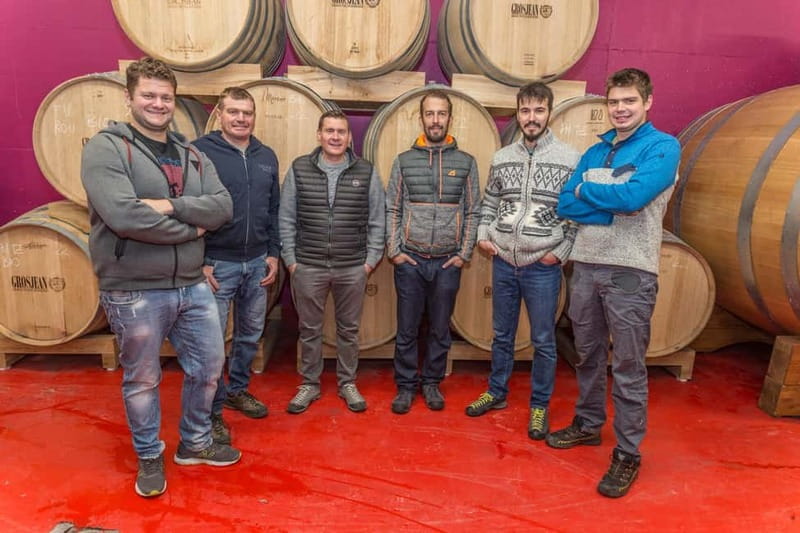
After the aging and bottling area, the route continues to the barrel cellar. This gives you a chance to consider how time and storage affect a wine before tasting it.
The barrel cellar is also a good place to ask questions. You can use the guide’s explanation to understand why some wines spend time in barrels and how that stage differs from other forms of aging. The exact length of aging or barrel types are not specified, so you should not expect a detailed production chart unless the guide covers it during your visit.
The next stop is the sparkling wine production room. This adds variety to the tour because you are not seeing only one type of wine production. The room shows that Grosjean’s work includes sparkling wine as well as still wines associated with the Aosta Valley.
I like having both spaces in the same two-hour visit. The barrel cellar gives you the traditional cellar setting, while the sparkling wine room shows another side of the winery’s work. Together, they make the visit feel more complete than a short tasting at a counter.
One practical point: a recent group overlap made it difficult for some people to hear the guide. That issue may depend on the day, but it is worth keeping in mind. If you are particularly interested in the technical explanations, stay close to the guide and ask for clarification when a larger group is nearby.
The Grosjean family and its 19 hectares
The family story is not just a quick introduction. The third generation has expanded the vineyards to 19 hectares while continuing the family’s winemaking work.
That figure helps you understand the scale of the operation. Grosjean is not presented as a tiny hobby cellar, yet the visit is still built around family ownership and direct contact. For you, that means the tour can offer both a look at an established winery and a sense of the people who run it.
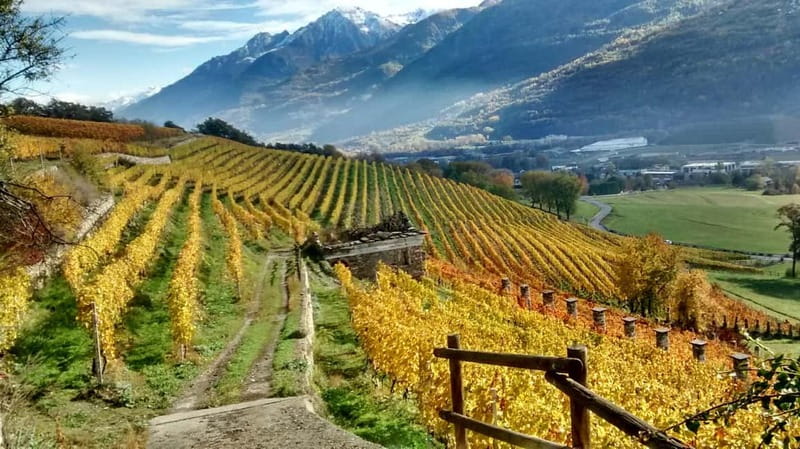
The Aosta Valley setting also matters. The winery specializes in mountain viticulture, so the visit places local wine in its regional context. You are tasting wines that represent the valley, rather than a mixed selection chosen only for broad appeal.
The experience does not provide a separate historical lecture with a list of founding dates or old vintages. Instead, its sense of history comes through the family’s three generations and the continued expansion of the vineyards.
That makes this a good stop for you if you want a clear introduction to local wine without committing to a full wine course. It is also useful if you are already familiar with Italian wine and want to focus on a smaller Alpine region.
A few more vineyard days around Italy worth a look
- Tuscany Day Trip from Florence: Siena, San Gimignano, Pisa and Lunch at a Winery
★ 5.0 · 21,634 reviews - From Florence: Siena, San Gimignano, Pisa & Lunch at Winery
★ 4.8 · 4,538 reviews - Half day Chianti Vineyard Escape from Florence with Wine Tastings
★ 4.5 · 2,196 reviews - Tuscany Wine Tour: 2 Wineries & San Gimignano from Florence
★ 5.0 · 1,007 reviews
Tasting Petite Arvine, Torrette Superieur, and Fumin
The tasting includes three named wines:
- VDA DOC Petite Arvine
- VDA DOC Torrette Superieur
- VDA DOC Fumin
These wines give the tasting a regional focus. You are not sampling generic Italian labels. Each selection is presented as representative of the Aosta Valley, which helps you compare different expressions of the area.
Petite Arvine provides a white wine in the lineup, while Torrette Superieur and Fumin broaden the tasting with red wines. The supplied information does not give exact vintages, pour sizes, alcohol levels, or tasting notes, so I would not book this expecting a fixed wine-school lesson with a printed technical breakdown.
Instead, think of the tasting as a guided introduction. Listen to how the guide describes the wines and ask questions about what makes each one typical of the region. The earlier cellar tour should give you useful context, especially if you are curious about how production methods affect the taste in your glass.
The wine list also makes this experience a better choice for someone who wants to sample local specialties in one sitting. You do not need to arrange separate visits to find a local white and red. The three named bottles provide a compact way to get a feel for the area.
Cheese and cold cuts from the Aosta Valley
The wine is served with a selection of regional cheeses and cold cuts. This is more than a snack added to fill the table. Local food gives you another way to understand the valley’s traditions.
Cheese can change how you notice a wine’s texture and finish. Cured meats bring salt and savory flavors that can make a red wine feel different from how it tasted on its own. You do not need to be an expert to enjoy the comparison, but I recommend trying each wine with the food and then tasting it again without food.
The exact cheeses and cold cuts are not listed, so you should not plan around a particular local product. What is clear is that the tasting includes typical Aosta Valley selections, which keeps the experience tied to the region rather than relying on standard bar snacks.
This pairing is one of the strongest reasons the $33 price feels fair. You receive a guided winery visit, access to several production areas, three representative wines, and regional food within about two hours. For someone already planning to buy wine or eat local specialties, the tasting can serve as both an introduction and a useful stop during an Aosta Valley visit.
What two hours feels like
Two hours is a sensible length for this experience. It gives you enough time to see several parts of the winery and sit down for a tasting, but it does not require you to sacrifice an entire day.
The exact balance between touring and tasting may vary. A group that asks many questions could spend more time in the cellars, while a larger group may move through the explanations more quickly. Since the visit is guided, you should expect the pace to follow the group rather than your own private schedule.
That also explains the only clear concern raised by the available feedback: a group familiar with the owner once overlapped with another group, and the guide became harder to hear. I would not treat this as a reason to avoid the tour, but it is a reminder that the experience may not have the quiet, personal feel of a private appointment.
The tasting is also adult-only. Children under 18 are not allowed, and the experience is not suitable for pregnant women. This is important if you are arranging a mixed-age family outing or planning several activities with children.
Languages, timing, and planning your visit
The live guide speaks English, French, and Italian. When you book, check the available starting times and choose the language that matters most to you. Some written or displayed material may remain in its original language.
You should go directly to the Grosjean family’s aging cellar and look for the entrance gate. The meeting point is not described as a hotel pickup point, so transportation to the winery is not included in the stated experience. Plan your route separately and allow enough time to arrive before the start.
The tour costs $33 per person. I see that as reasonable if you value the production visit as much as the tasting. If you only want a quick glass of wine, the two-hour format may feel longer than necessary. If you want to understand how local wine is made and taste it alongside regional food, the price covers several connected parts of the experience.
You can reserve now and pay later, which is useful when your Aosta Valley schedule is still shifting. Free cancellation is available up to 24 hours before the tour for a full refund. Those terms give you some breathing room, but you should still check the selected starting time before finalizing your day.
Who will enjoy this winery visit most
I would choose Grosjean if you want a local wine experience with enough explanation to make the tasting meaningful. It suits couples, adult friends, and solo visitors who enjoy food and drink but do not need a full-day vineyard program.
It is also a good fit for you if you want to taste wines that represent the Aosta Valley rather than familiar labels from Italy’s larger wine regions. The named wines and regional pairings keep the focus local.
This may not be the right choice if you need a private tour, have limited mobility information you need confirmed, or want a highly technical tasting with detailed vintage data. The available information does not specify group size, accessibility features, transportation, or a fixed tasting sheet, so ask before booking if any of those points are essential.
I would also skip it for a family outing with young children. The age limit is firm, and the experience is built around wine tasting rather than a general winery attraction.
Should you book the Grosjean winery tour?
Book this tour if you want a compact, adult-only introduction to Aosta Valley wine, with the added pleasure of local cheese and cold cuts. The third-generation family setting, 19 hectares of vineyards, cellar tour, and three regional wines make it more useful than a tasting without context.
The main thing to weigh is the group setting. Explanations can be harder to hear if another group overlaps, so stay near the guide and speak up if you miss a point.
For $33, I think this is a good-value choice for wine drinkers and curious food lovers spending time in the valley. It gives you a clear look at Grosjean’s work, a taste of three distinctive local wines, and a regional food pairing in a manageable two-hour visit.
FAQ
Where does the Grosjean winery tour begin?
The meeting point is at the entrance gate of the Grosjean family’s aging cellar.
How long does the experience last?
The winery visit and tasting last about two hours.
How much does the tour cost?
The listed price is $33 per person.
Which wines are included in the tasting?
The tasting includes VDA DOC Petite Arvine, VDA DOC Torrette Superieur, and VDA DOC Fumin.
Is food included with the wine tasting?
Yes. The tasting includes a selection of typical Aosta Valley cheeses and cold cuts.
Which languages are available for the guided visit?
The live guide is available in English, French, and Italian. Some content may be shown in its original language.
Are children allowed on the tour?
No. The experience is not suitable for children under 18.
Can I cancel the booking?
Yes. You can cancel up to 24 hours in advance for a full refund. You can also reserve now and pay later.
Just added around Italy
- Vineyard Tour and Tasting of Lugana Wines★ 4.5 · 6 reviews
- Picnic and Lugana Tour at Perla del Garda winery★ 5.0 · 6 reviews
- Visit winery and vineyards, tasting 4 wines with 3 matching dishes★ 5.0 · 3 reviews
- Winery tours and tastings in Bolgheri with Wine Guide★ 5.0 · 16 reviews
- Guided tour of vineyards and winery with tasting 4 wines★ 4.5 · 12 reviews
- Private Chianti and SuperTuscan Tour 2 wineries with Light Lunch from Livorno★ 4.5 · 5 reviews
- Winery Tour & Tasting in Pisa Countryside★ 5.0 · 2 reviews
- Private tour from Livorno port to Chianti Wine Region★ 5.0 · 5 reviews
Italy Vineyard Tours, compared.
Tuscany Day Trip from Florence: Siena, San Gimignano, Pisa and Lunch at a Winery
Read our review →
Half day Chianti Vineyard Escape from Florence with Wine Tastings
Read our review →
Tuscany Wine Tour: 2 Wineries & San Gimignano from Florence
Read our review →
Chianti Wineries Tour with Tuscan Lunch and San Gimignano
Read our review →
Private Self-Guided E-Bike Ride in Tuscany with Vineyard Visit
Read our review →