
REVIEW · MOLDOVA
From Chisinau:Transnistria and Castle Mimi Winery by car
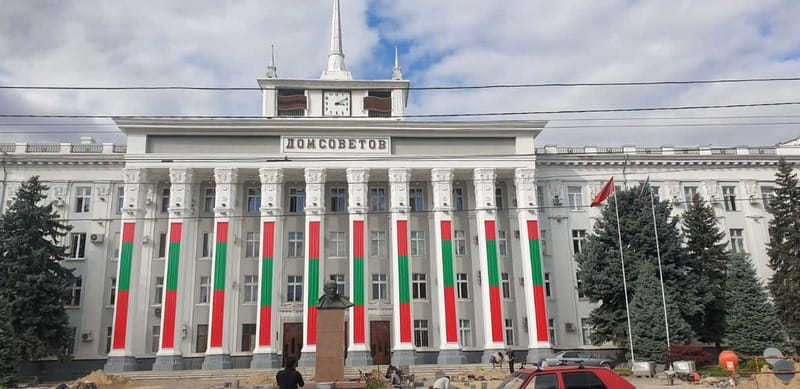
Transnistria, locally called Pridnestrovie, gives you one of Europe’s strangest day trips: a place with Soviet symbols, military monuments, its own checkpoint, and a currency you cannot use once you leave. Add Bender Fortress and a tasting at Castel Mimi Winery, and this becomes much more than a standard city excursion.
I like the contrast between Tiraspol’s frozen Soviet atmosphere and Castel Mimi’s polished wine cellars. I also like the small group of no more than six people, which makes the border formalities and questions easier to manage. The main consideration is that the political setting can feel uncomfortable, and communication in English may not always be perfect.
Key points at a glance
- A rare look at Pridnestrovie: Pass through a checkpoint and receive a migration card or entry slip before visiting Tiraspol.
- Bender Fortress included: Spend about 90 minutes at the 15th-century stronghold, with time for towers, walls, and photographs.
- Soviet monuments remain central: See Lenin’s monument, a T-34 tank memorial, Suvorov Square, and socialist-era architecture.
- Castel Mimi adds a polished finish: Tour the winery and taste three wines, with possible samples from tanks or barrels depending on the season.
- Small-group transport is practical: Hotel pickup, drop-off, a driver, and a guide are included in the seven-hour outing.
- Bring cash and your passport: Cards do not work in Pridnestrovie, and leftover local rubles cannot be exchanged outside the region.
Why this Chisinau day trip is unusual
Most day tours from Chisinau focus on Moldovan monasteries, countryside, or wine. This one takes a sharper turn east, into a self-declared republic that operates separately from Moldova in practical terms. You see checkpoints, military symbols, Soviet statues, and public spaces shaped by a political story that still feels present.
That makes the experience interesting, but not lighthearted at every stop. I would choose it if you want to understand a complicated corner of Eastern Europe rather than simply collect pretty photographs.
The tour lasts about seven hours, with transport arranged from your hotel in Chisinau. You do not need to manage the drive, route, or checkpoint on your own. That matters here because a licensed local guide can explain what is happening and help if officials ask questions.
The group is limited to six people. You get less of the impersonal feel found on a large coach, and the guide can usually respond to your interests. Recent departures have included Natalia as guide and Vlad as driver. Natalia was praised for paying close attention to what the group wanted to see, while Vlad was described as a careful driver.
A few more vineyard days around Moldova worth a look
- Best of Moldova: Cricova Winery & Old Orhei Tour including Curchi Monastery
★ 5.0 · 176 reviews - Curchi Monastery, Old Orhei and Cricova Winery (Optional)
★ 4.9 · 117 reviews - Chisinau: Cricova Winery, Curchi Monastery, & Old Orhei Tour
★ 5.0 · 51 reviews
The checkpoint into Pridnestrovie
Bring your passport. A valid passport is mandatory, and you pass through a checkpoint when entering the region. Officials issue a temporary migration card or entry slip, so keep it safe during the visit.
The tour information also says a passport or ID card is required, but the border guidance specifically stresses a valid passport. I would follow the stricter advice and bring your passport rather than rely on another form of identification.
This is one reason guided transport is useful. Pridnestrovie is not treated like an ordinary border crossing into another internationally recognized country, and the local terminology matters. The region officially calls itself the Pridnestrovian Moldavian Republic, or Pridnestrovie. The word Transnistria is widely used by outsiders, but it is not the preferred local term.
You should also prepare for a cash-only visit. Visa and Mastercard do not work, and there are no international ATMs. Bring Moldovan lei or euros, then exchange money inside the region for local rubles. Do not change more than you need, because leftover rubles cannot be exchanged outside Pridnestrovie.
That practical detail is easy to miss, and it can affect lunch, drinks, and small purchases. The suggested lunch costs about €8, but food is not included in the tour price.
Bender Fortress and its 15th-century walls

The first major stop is Bender, also known as Tighina, where you spend about an hour and a half at Bender Fortress. The stronghold dates from the 15th century and is linked to Stephen the Great. It was later strengthened under Ottoman rule in the 16th century.
The fortress gives the day a useful historical anchor. Before Tiraspol’s Soviet monuments, you are looking at thick defensive walls, towers, and a site shaped by Moldovan and Ottoman power. The guide leads you through the grounds and explains the fortress’s changing role over time.
I like this stop because it prevents the tour from becoming only a Soviet-themed excursion. The fort is older, more military than decorative, and well suited to a guided visit. You get time for photographs and a walk along the walls, though the focus is on sightseeing rather than a long archaeological exploration.
Wear shoes you can walk in. The supplied information does not describe every surface or stairway, so you should expect a historic fortress rather than a smooth museum route. The tour is listed as wheelchair accessible, but anyone with specific mobility needs should confirm the route before booking.
Tiraspol, Lenin, tanks, and Soviet symbols

From Bender, the route continues to Tiraspol, Pridnestrovie’s capital and largest city. The city lies along the Nistru River, but the strongest impression comes from its public monuments and Soviet-era visual language.
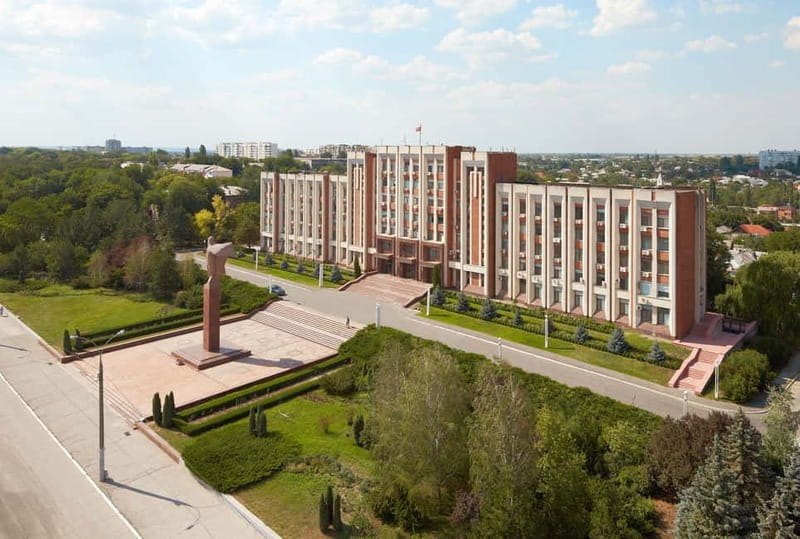
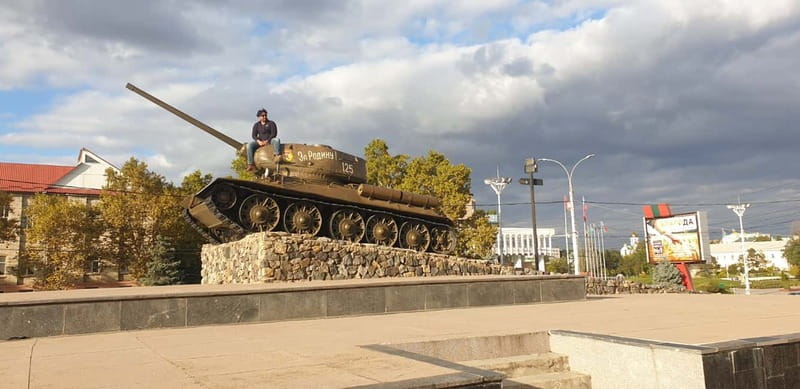
The guided city visit lasts around two hours. You see Lenin’s monument, a T-34 tank memorial, and Suvorov Square, along with socialist symbols and Soviet-style buildings. These are not tucked away in a museum. They are part of the city’s central civic spaces.
Lenin’s monument is one of the clearest signs of the region’s political identity. The T-34 tank memorial points to the area’s wartime memory, while Suvorov Square honors Alexander Suvorov, the military commander associated with the city’s founding story. The setting can feel heavily focused on war, power, and state authority.
That is also the tour’s biggest weakness for some people. You may find the atmosphere fascinating, but you may also feel that individual freedom and civilian life are pushed into the background. One recent English-language departure had some communication difficulties and felt insufficiently neutral in its presentation of political figures. I would treat the guide’s explanation as one perspective and ask questions when you want more context.
You should not book this outing expecting a relaxed café crawl or a conventional Moldovan city tour. Tiraspol is the reason to come if you are curious about places that preserve Soviet public imagery. It is less suitable if you prefer monuments without political weight.
Same wine country, a different day out:
- 4 Hours Cricova Winery Tour with Tasting
★ 4.5 · 35 reviews - Moldova: Wine Tour to Mileștii Mici Cellar with Tasting
★ 4.6 · 34 reviews - Milestii Mici Underground Winery Tour INCLUDING Wine tasting
★ 5.0 · 27 reviews - Biking a Guinness Book Winery
★ 4.5 · 27 reviews
Lunch and local money
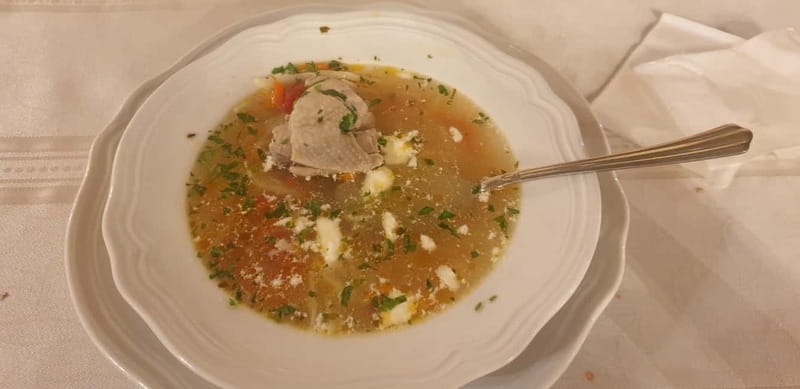
There is a lunch break at a traditional local restaurant, with food costing approximately €8. The meal is not included, and you pay in cash.
The food is described as classic Transnistrian and Slavic cuisine. Since the exact restaurant and menu are not specified, I would view lunch as a practical chance to eat and try local dishes rather than a planned culinary event.
Bring enough Moldovan lei or euros to cover lunch and small expenses. Exchange only what you need into local rubles. Cards are not accepted, so do not depend on a phone wallet or bank card once you enter the region.
This is also a good point to ask your guide how much time remains and how the afternoon winery visit fits into the schedule. The full route includes several stops, and the winery is in Bulboaca, back in Moldova.
Castel Mimi Winery in Bulboaca
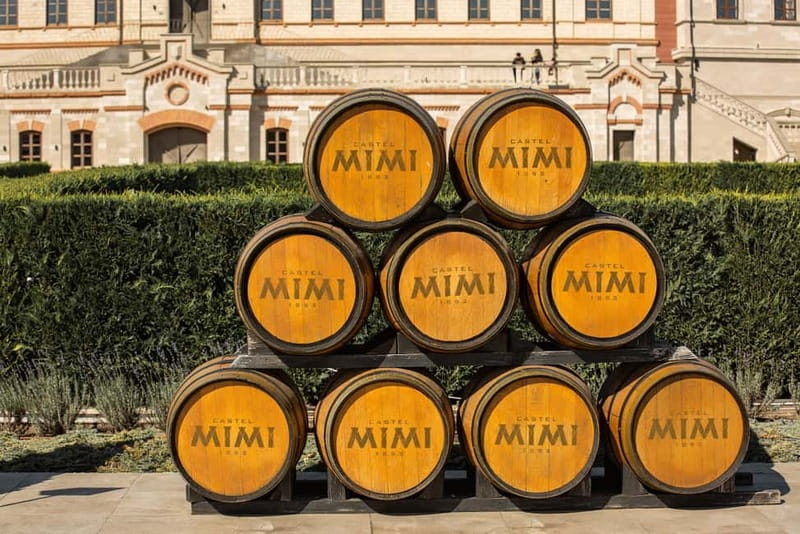
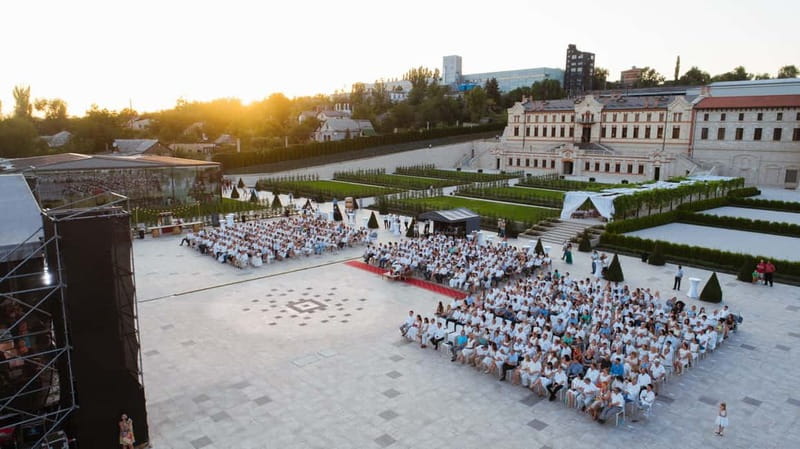
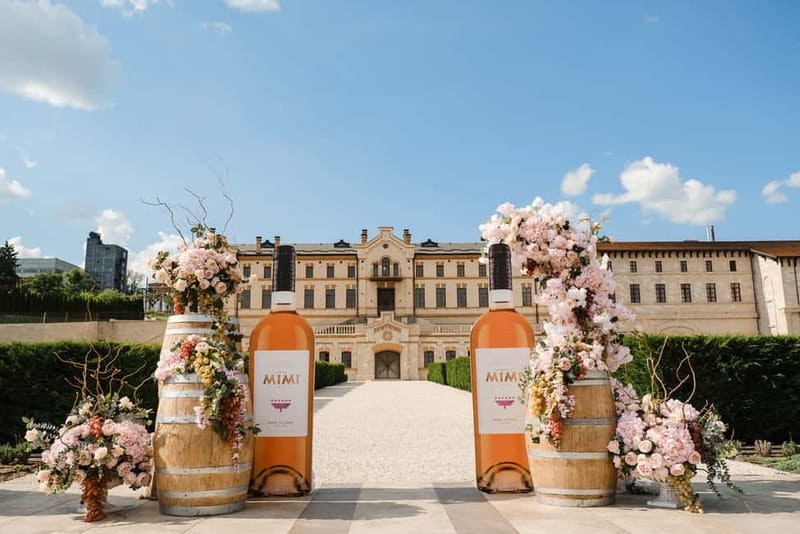
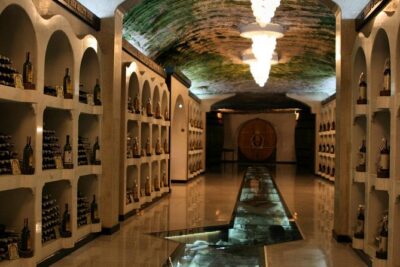
The day ends at Castel Mimi Winery, a major change in mood and style. After fortifications, tanks, and Soviet memorials, you move into a wine setting with historic cellars, barrel rooms, and a more polished visitor experience.
The winery visit lasts about two hours. You tour the cellar and production areas, then taste three wines. Depending on the season, you may also sample wine from maturing tanks or barrels and hear about local winemaking directly from people involved in production.
Castel Mimi is presented as one of the world’s notable wine architecture sites. You do not need to be a serious wine expert to enjoy this part. The guide and winery staff provide context, and the tasting gives you a direct way to compare Moldovan wines after seeing the place where they are made.
I like the order of the day. The fortress supplies older regional history, Tiraspol shows the political present, and the winery offers Moldova’s better-known modern identity: wine, hospitality, and design. It is a strong contrast, though the schedule may feel full if you prefer to linger at each place.
Wine tasting is included in the price, as are the winery entry ticket, the Bender Fortress ticket, transport, hotel pickup and drop-off, and the guide. Food is the main expected extra.
Is $212 a fair price?
At $212 per person, this is not a budget sightseeing trip. The value depends on how much you would pay for convenience and access to a place that can be awkward to visit independently.
You are paying for a seven-hour private-style small-group format, a driver, hotel transport, a guide, two major sightseeing stops, fortress admission, winery admission, and three wine tastings. The transport also removes the stress of driving between Chisinau, Bender, Tiraspol, and Bulboaca.
The price makes more sense for a first visit to Moldova when you want both political history and wine in one day. It is less compelling if your main goal is simply a cheap tasting or a long visit to Tiraspol. You could also find the day too packed if you want extended time at the winery.
The small group is important here. With a maximum of six participants, the price buys a more personal format than a large bus excursion. It also gives you a better chance to ask about the checkpoint, the region’s political status, and the meaning of the monuments.
Who should book this experience?
I would recommend it to curious history travelers, people interested in former Soviet societies, and wine lovers who want a broader picture of Moldova. It suits travelers who are comfortable with political complexity and do not need every stop to feel cheerful or polished.
It is also a good choice if you want someone else to handle the driving and border process. The guide is especially useful for explaining local terminology and moving the group through a day with several different types of stops.
I would think twice if you are uncomfortable around military memorials, Lenin imagery, or one-sided political narratives. The experience can feel ideologically loaded, and English communication may vary. Families with babies under one year old and people over 95 are specifically excluded from the activity.
The tour is wheelchair accessible, but the fortress route deserves a direct check if you need detailed mobility information. Oversize luggage and valuables are not allowed, so arrive with a small day bag rather than full luggage.
You can cancel up to 24 hours before departure for a full refund, and the reserve-now, pay-later option gives you some flexibility when setting your Moldova plans.
Should you book the Pridnestrovie and Castel Mimi tour?
Book it if you want an unusual, tightly organized day that combines Bender’s fortress, Tiraspol’s Soviet monuments, and Moldovan wine. The political setting is the point, not background scenery, so go with an open mind and a willingness to ask questions.
Skip it if you want a purely relaxing winery day or a neutral, museum-style account of the region. For the right visitor, the contrast is the payoff: old walls in Bender, Lenin and a tank in Tiraspol, then three wines at Castel Mimi. Bring your passport, carry cash, and let the guide manage the road.
FAQ
Is a passport required for this tour?
Yes. A valid passport is mandatory because you pass through a checkpoint when entering Pridnestrovie. You receive a temporary migration card or entry slip.
How long does the tour last?
The tour lasts about seven hours, with pickup and drop-off in Chisinau.
What places are visited?
The tour visits Bender Fortress, Tiraspol, and Castel Mimi Winery in Bulboaca before returning to Chisinau.
How much does lunch cost?
Lunch is not included. The expected cost is approximately €8 at a traditional local restaurant.
Can I pay by credit card in Pridnestrovie?
No. Credit and debit cards are not accepted, Visa and Mastercard do not work, and there are no international ATMs. Bring Moldovan lei or euros and exchange money into local rubles.
How many wines are included in the tasting?
The Castel Mimi visit includes a tasting of three wines. Depending on the season, you may also sample wine from maturing tanks or barrels.
What languages are available on the tour?
Live guiding is available in English, Moldavian, and Russian.
Just added around Moldova
- CRICOVA Winery tour with tasting from Chisinau★ 5.0 · 3 reviews
- Milesti Mici Winery &City tour Chisinau★ 5.0 · 3 reviews
- Transnistria tour & Cricova Cellar with tasting★ 5.0 · 3 reviews
- Visit the Largest Winery in the World and Manuc Bei Mansion★ 5.0 · 5 reviews
- 1 Day: Wine tasting tour to Milesti Mici and Cricova cellar from Moldova★ 5.0 · 2 reviews
- Soviet Heritage of Transnistria and Castle Mimi Winery★ 5.0 · 5 reviews
- Transdniestria Tour & Milestii Mici Winery★ 5.0 · 11 reviews
- Cricova Winery & Old Orhei & Curchi Monastery★ 5.0 · 3 reviews
Moldova Vineyard Tours, compared.
Best of Moldova: Cricova Winery & Old Orhei Tour including Curchi Monastery
Read our review →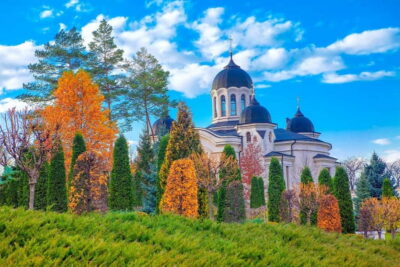
Curchi Monastery, Old Orhei and Cricova Winery (Optional)
Read our review →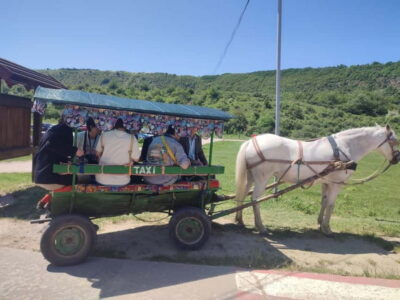
Cricova Winery, Curchi Monastery, & Old Orhei Tour
Read our review →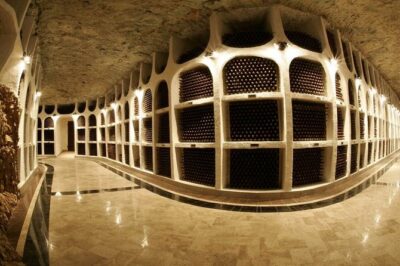
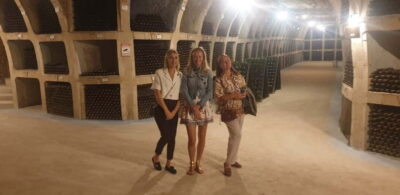
Moldova: Wine Tour to Mileștii Mici Cellar with Tasting
Read our review →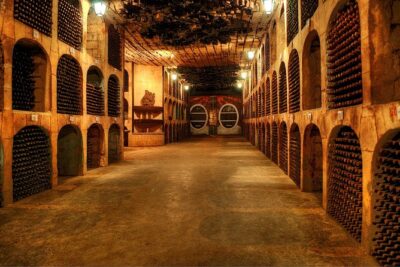
Milestii Mici Underground Winery Tour INCLUDING Wine tasting
Read our review →
Browse the lists this tour appears in