
REVIEW · MADRID
From Madrid: Ribera del Duero Tour of 3 Wineries w/ Tastings
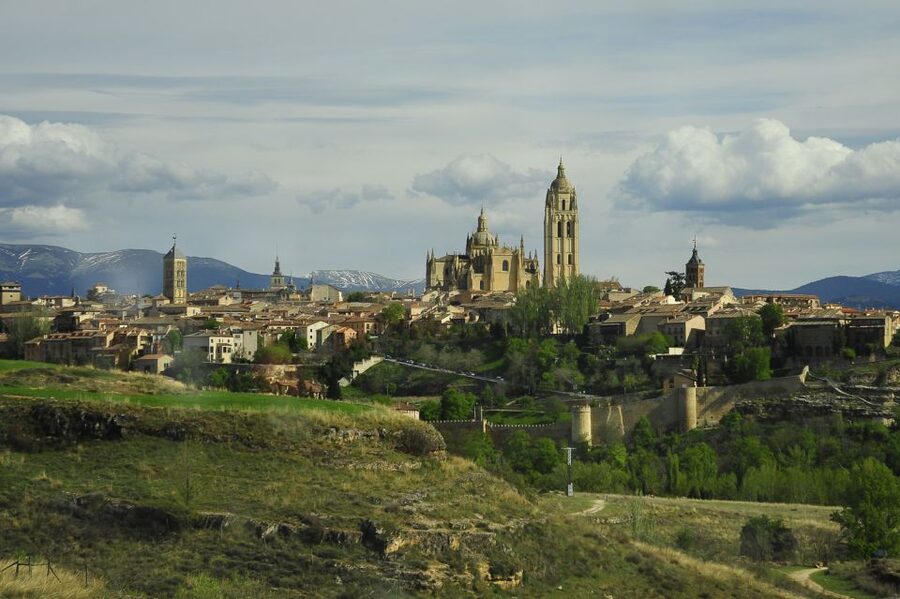
Ribera del Duero is not simply a place to sip red wine and head home. This long day from Madrid shows you how modern architecture, old village cellars, and family winemaking fit together along the Duero River. You taste at three very different wineries, with local snacks and at least eight wines along the way.
I like the sharp contrast between the stops. One winery has an avant-garde design and high-profile wines, another links its buildings closely to the vineyards, and the final visit leads underground into a 16th-century cellar. I also like the guides, especially Ismael and Muna, who have been praised for making the long drive useful and handling English and Spanish with care.
The catch is the length. You leave Madrid at about 9:15 AM and return near 8:00 PM after roughly four hours on the road. Lunch is not included, and the bus has received mixed practical comments, so this is best for people who want a full wine day, not a quick countryside outing.
The day in five useful facts
- Three wineries, three personalities: You compare a polished modern estate, a nature-focused winery, and a traditional producer with centuries of cellars.
- At least eight Ribera del Duero wines: Tastings come with local appetizers at each winery.
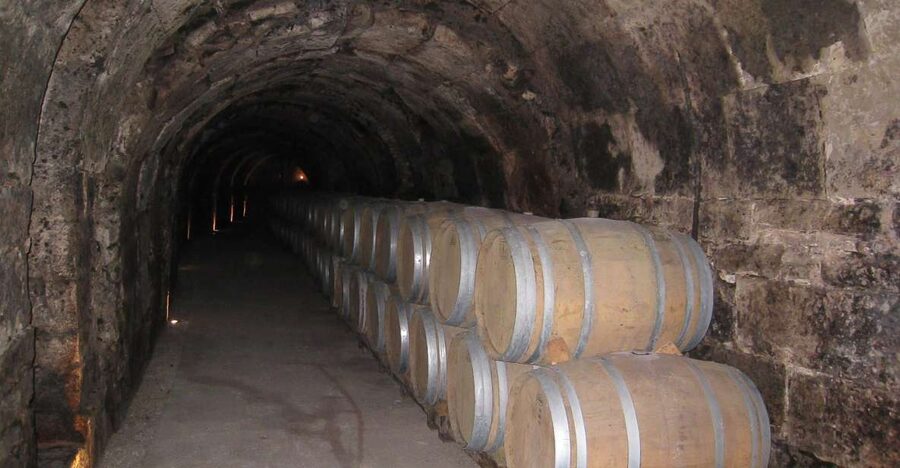
- A remarkable underground finale: The last stop includes a medieval cellar from the 16th century, cut into rock to a depth of about 13 meters.
- A small group by bus: Groups range from 4 to 20 people, with an average of about 8.
- Lunch is your choice and your expense: You get at least an hour of free time, with tapas, a light meal, and a three-course lunch available nearby.
- A serious day trip from Madrid: The region is about two hours away, so the tour works best when wine is a major reason for your Spain trip.
Why Ribera del Duero makes a good Madrid day trip
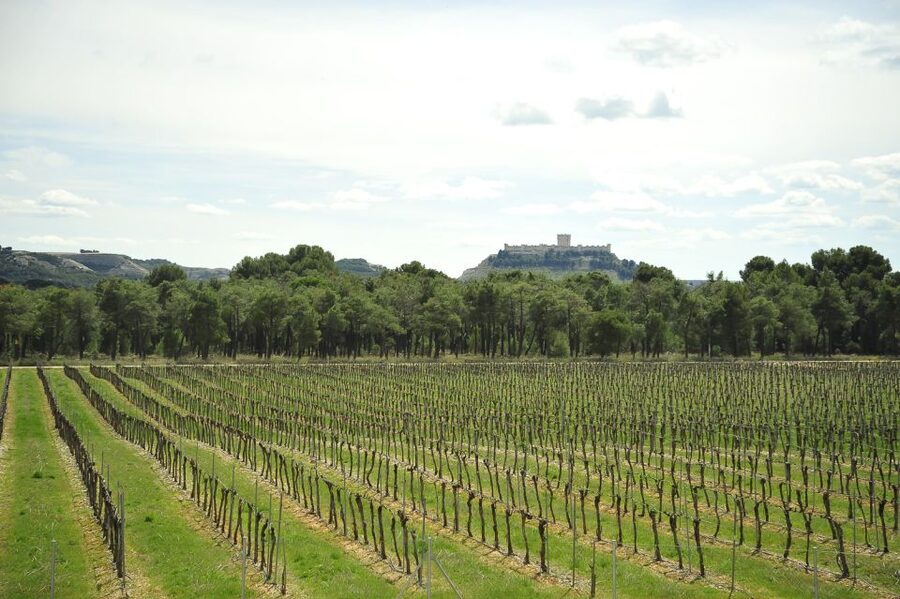
Many Madrid visitors know Rioja first. Ribera del Duero offers a different look at Spanish wine, centered on the Duero River, which continues west into Portugal and plays an important role there as well.
The wine denomination is one of Spain’s best known. What makes the region interesting for a visitor is not just the bottle in your glass. You can see old production methods beside modern wine technology, family businesses beside ambitious architecture, and underground storage areas that still serve a working purpose.
The two-hour drive each way is a real part of the experience. Your guide uses it to explain the wine region, its history, and local details, rather than leaving you to watch the road in silence. Still, I would not choose this trip if you want a relaxed half-day excursion. It takes most of your day and usually runs between 10 and 11 hours, depending on traffic.
More Rioja and Ribera Wine Tours in Madrid:
- Ribera del Duero Wineries Guided Tour & Wine Tasting from Madrid
★ 5.0 · 328 reviews - Ribera del Duero:4 Wineries, tasting & Lunch included from Madrid
★ 5.0 · 199 reviews - Ribera del Duero Winery Guided Tour and Wine Tasting from Madrid
★ 5.0 · 107 reviews
Leaving Madrid from Conde de Casal
The meeting point is in front of the cafeteria at Hotel Claridge, at Plaza del Conde de Casal, 6. The Conde de Casal Metro station, on Line 6, is close by, making the departure point fairly easy to reach from central Madrid.
You meet at the front door of the cafeteria, next to the hotel entrance. The cafeteria facilities are for customers only, so do not plan on using it as a waiting lounge unless you buy something there.
Departure is scheduled for 9:15 AM. Arrive early enough to identify the vehicle and settle in, since the group may include both English and Spanish speakers. The tour can run in both languages at the same time. That arrangement has worked well when guides such as Ismael personally clarify points for English speakers, but bilingual explanations can add time to the day.
Groups are capped at 20 people, with an average closer to eight. That is a useful middle ground. You get the efficiency of shared transportation without the feel of a large coach excursion on most departures.
First winery: a polished modern introduction
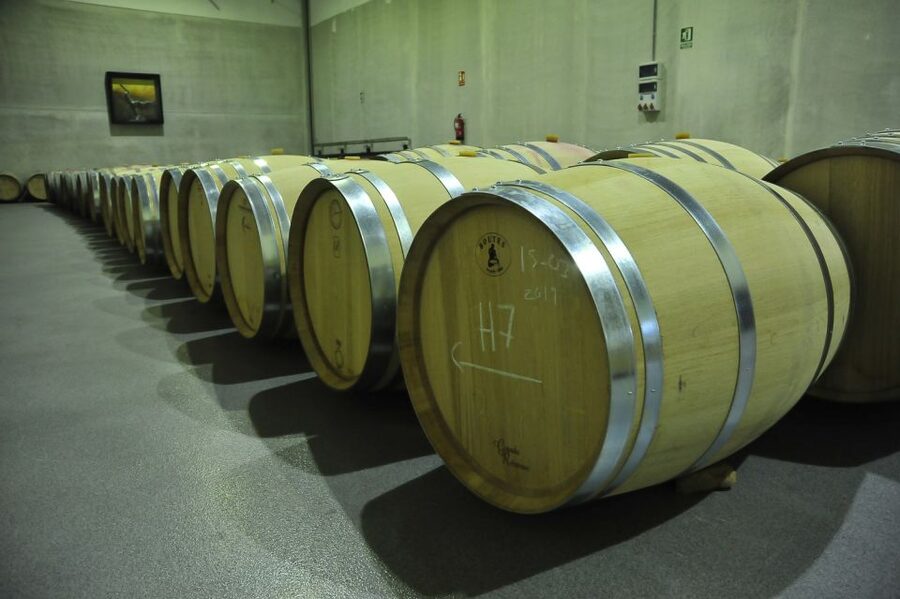
The first 75-minute stop introduces Ribera del Duero through a boutique winery with avant-garde architecture. The design is not there just for photographs. The winery pays close attention to conditions needed for making high-quality wine, and the buildings give you a clear sense of the region’s newer, more ambitious side.
You tour the facilities, hear how the wines are made, and taste several examples with local snacks. The guide accompanies you and helps explain details from the winery staff. This is useful if you are interested in production but do not know all the Spanish wine terms.
The winery’s recent reputation is strong. In 2025, six of its wines received ratings above 95 points on the Tim Atkin scale, and one founder was named Winemaker of the Year. Those awards do not guarantee that every wine will suit your taste, but they explain why this stop is included and why the tasting may feel more serious than a basic tourist sample.
Give yourself time to compare rather than simply count the pours. Notice how the guide describes aromas, structure, and the differences between bottles. The local appetizers help keep the tasting grounded, though they are not a substitute for lunch.
Second winery: where architecture meets the vines
The second 75-minute visit shifts the mood. Here, modern structures connect more directly with the vineyards and surrounding countryside. The point is comparison: Ribera del Duero is not one single winery style, and this stop gives you another way to think about how buildings, production, and the land work together.
You tour the facilities, taste more wines, and have another serving of local snacks. The guide’s role matters here because the two wineries can otherwise blur together after several glasses. Ismael, Muna, and other guides have been praised for explaining the region clearly and keeping a mixed-language group together.
This is also where a little restraint helps. You may taste at least eight wines over the three stops, so use the spittoons if they are offered and drink water when available. The tour does not permit intoxication, and the goal is to taste thoughtfully rather than race through the glasses.
The two modern wineries are valuable because they show how much Ribera del Duero has changed. You see wine as agriculture, engineering, design, and business, not only as an old rural tradition.
A few more vineyard days around Madrid worth a look
- Toledo Tour & Vineyard Walk with Wine Tasting from Madrid
★ 5.0 · 2,546 reviews - Madrid Countryside Wineries Guided Tour with Wine Tasting
★ 5.0 · 740 reviews - From Madrid: Toledo Guided Tour & Winery Visit with Tasting
★ 4.8 · 313 reviews - Madrid Region Wineries Guided Tour with Wine Tastings
★ 4.9 · 222 reviews
Lunch in the wine country
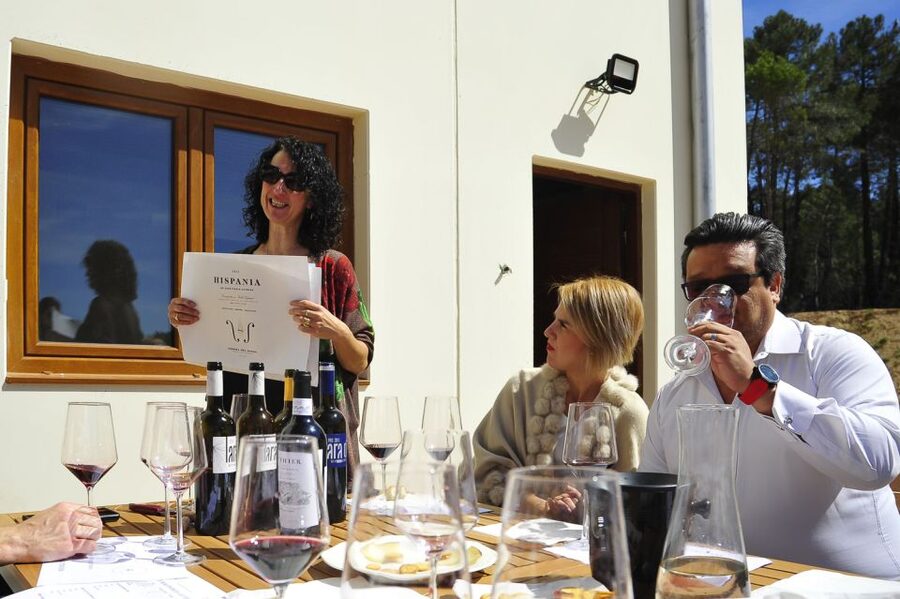
After the first two wineries, you get at least one hour of free time for lunch. The meal is not included, and the guide recommends places in the area.
You may find options ranging from tapas or a light lunch costing about €12 to €15 to a full three-course meal around €30. The choice lets you control both time and budget. If you want to keep the day focused on wine, tapas makes sense. If you need a proper break after two tastings and the long drive, a full meal is more comfortable.
Food quality and location can vary. One past visit was let down by the lunch stop, while other comments describe the small-town meal as a good fit for the day. I would treat lunch as a practical pause rather than a central feature of the tour. Ask the guide what is open and how long the meal will take before ordering.
The timing is important. You have a final winery afterward, so do not turn lunch into a rushed feast or an extended restaurant visit. The free time is there to recharge before the most atmospheric stop.
Third winery: 400 years of tradition underground
The final winery supplies the day’s strongest sense of place. Its winemaking tradition goes back about 400 years, and it was founded before the Ribera del Duero denomination existed. That makes this more than a tasting room. You are visiting a producer linked to the early story of the region’s modern wine identity.
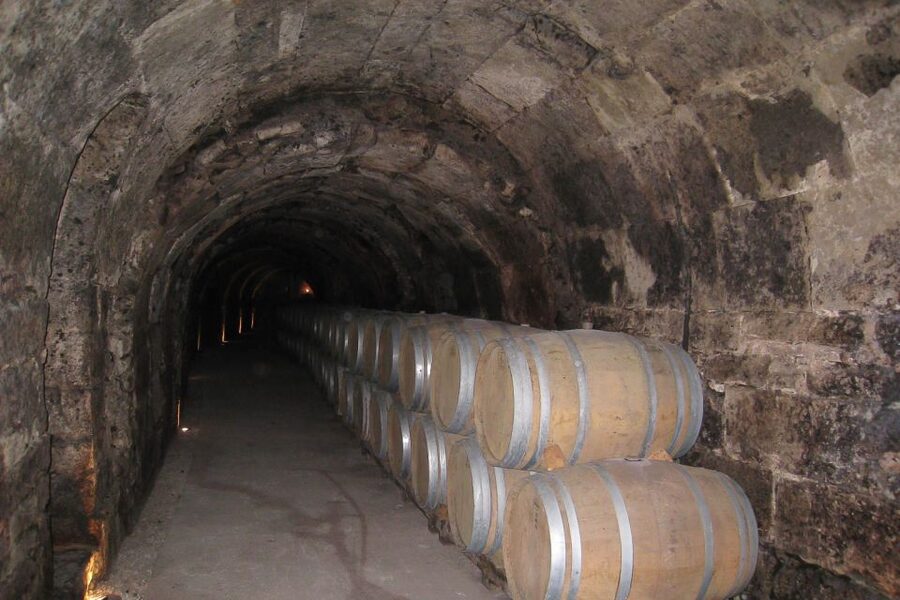
The highlight is a medieval underground cellar from the 16th century. The tunnels were excavated in rock, reach roughly 13 meters below ground, and extend for about 7 kilometers. They are still in use, which gives the visit a working quality rather than making it feel like a museum display.
You see older machines and methods alongside more modern production. That contrast helps tie together the entire day. The first winery shows the region’s polished new face. The second focuses on how contemporary buildings relate to the vineyard. The last takes you into the historic infrastructure that allowed wine to be stored and made long before today’s equipment.
The cellar may also be the most physically demanding part. The tour is not suitable for wheelchair users, and underground passages can feel less comfortable for anyone who dislikes enclosed spaces. The available information does not give a detailed accessibility description, so ask the operator before booking if stairs, uneven floors, or narrow sections could be a problem.
What the guide adds to the day
A good guide is important on a trip with so much driving and technical information. The included guide speaks English and Spanish and travels with you through all three visits.
Ismael has been especially effective at explaining wine in plain language and helping English speakers follow Spanish presentations. Muna has also been praised for combining guiding and sommelier skills, while other departures have featured Antonio, Kike, Raul, and Jorge. Guides can vary by date, so you should not book on the assumption that one particular person will lead your departure.
The strongest guide reports describe clear explanations, patience, and extra help for people in a bilingual group. One guide even translated portions individually for a participant who did not speak Spanish. That kind of attention matters more here than a memorized speech because each winery presents its process differently.
The guide also helps with lunch, transport, timing, and questions during tastings. You are not simply dropped at three estates and left to manage the day yourself.
Transport, comfort, and the long return
Round-trip transportation is included, which is a major reason to consider this tour. Reaching three wineries without a car would be awkward, and drinking wine makes self-driving a poor idea.
The vehicle has generally been described as comfortable, but transport has not been perfect on every departure. One detailed comment reported a buzzy public-address system, uneven air conditioning, and broken vents at some seats. These are not deal breakers for most people, but they matter during a two-hour drive each way.
The return to Madrid is planned for around 8:00 PM. Traffic can shift that timing. If you have evening theatre tickets, a fixed dinner reservation, or a train to catch, leave plenty of space or choose another day for those plans.
The road time is easier if you treat it as part of the regional lesson. Guides have used the journey to explain the Duero, wine production, and local places. Still, bring water and consider a light snack for the bus, since lunch comes only after the first two winery visits.
The price and what you receive
At $218 per person, this is among the pricier shared wine trips from Madrid. The value depends on how much you would otherwise spend arranging transport and winery visits yourself.
Your price includes transport, a bilingual expert guide, three family-owned wineries, all three tastings, and local appetizers at each stop. You taste at least eight wines and receive guided visits rather than simply being seated at a bar.
Lunch costs extra, as does anything you buy to take home. Add roughly €12 to €30 for food, depending on whether you choose tapas or a full three-course meal.
For a wine enthusiast, the price is easier to justify because the itinerary has real variety and the historic cellar is unusual. For a casual drinker, the long day and cost may feel heavy. You are paying for access, transport, interpretation, and range, not merely for three flights of wine.
Who should book this wine day
I would recommend it to adults who want to understand Ribera del Duero rather than just drink a famous Spanish red. It suits couples, solo visitors, and small groups who enjoy talking with producers, comparing winemaking styles, and spending a full day outside Madrid.
It is also a safe choice for solo women, according to the tour information, and the average group size makes it fairly easy to meet other people without joining a huge crowd. The bilingual format works well when the guide is attentive, though explanations may take longer in a mixed-language group.
Children under 12 cannot join, and wine tastings are for those aged 18 and over. Pets are not allowed, and the tour is not suitable for wheelchair users.
I would skip it if you want an easygoing morning, have limited time in Madrid, dislike bus rides, or rarely drink wine. I would also think twice if your main goal is a long restaurant lunch or a stop in Segovia. An older version of the day included only a brief look at Segovia, but the current description focuses on Ribera del Duero and does not promise sightseeing there.
Should you book it?
Book this tour if three contrasting wineries, eight or more wines, and a working medieval cellar sound worth giving up an entire day in Madrid. The best part is the progression from modern design to historic tunnels, with a guide who can connect the pieces.
The main caution is simple: this is a long, fairly expensive day with lunch extra and several hours in the vehicle. Wine lovers will likely find the range and transport worth the cost. Casual visitors may prefer a shorter tasting closer to Madrid.
Flexible plans help. You can cancel up to 24 hours ahead for a full refund, and the reserve-now, pay-later option lets you hold a place without paying immediately.
FAQ
How long does the Ribera del Duero tour last?
The tour takes about 10 to 11 hours. Departure from Madrid is scheduled for 9:15 AM, with return around 8:00 PM, depending on traffic.
Where does the tour start?
It starts at the front door of the cafeteria at Hotel Claridge, next to the hotel’s main entrance, at Plaza del Conde de Casal, 6, Madrid.
How do I reach the meeting point?
The closest Metro station is Conde de Casal on Line 6.
How many wineries will I visit?
You will visit three family-owned wineries in the Ribera del Duero region.
How many wines are included?
The experience includes tastings of at least eight wines with Ribera del Duero Denomination of Origin status.
Is lunch included?
No. You receive at least one hour of free time for lunch, and the cost is your responsibility. Suggested budgets range from about €12 to €15 for tapas and about €30 for a full three-course meal.
Is the tour available in English?
Yes. A bilingual guide provides the tour in English and Spanish. Both languages may be used at the same time when needed.
Can children or wheelchair users join?
Children under 12 cannot take part, and the tour is not suitable for wheelchair users. Wine tastings are limited to people aged 18 and over.
Just added around Madrid
- From Madrid: Ribera del Duero Winery and Segovia Tour★ 5.0 · 7 reviews
- Ribera del Duero wine region private tour★ 4.5 · 4 reviews
- Ribera del Duero Tour From Madrid: 2 Wineries with Transport★ 4.9 · 18 reviews
- Madrid: Luxury Winery Emilio Moro Tour★ 5.0 · 2 reviews
- Madrid: half day wine region tour★ 4.7 · 7 reviews
- Half-Day Trip from Madrid: Alcalá de Henares & Winery Visit★ 4.1 · 16 reviews
- From Madrid: Traditional Villages, Winery Tour & Tapas Lunch★ 4.6 · 30 reviews
- From Madrid: Ribera del Duero 3 Wineries + Traditional Lunch★ 4.8 · 2 reviews
Madrid Vineyard Tours, compared.
Madrid Countryside Wineries Guided Tour with Wine Tasting
Read our review →
Ribera del Duero Wineries Guided Tour & Wine Tasting from Madrid
Read our review →
Toledo Guided Tour & Winery Visit with Tasting
Read our review →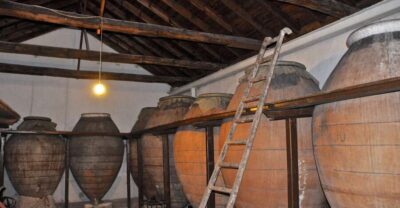
Madrid Region Wineries Guided Tour with Wine Tastings
Read our review →
Ribera del Duero:4 Wineries, tasting & Lunch included from Madrid
Read our review →
Toledo Day Trip with Winery Visit and Wine Tasting
Read our review →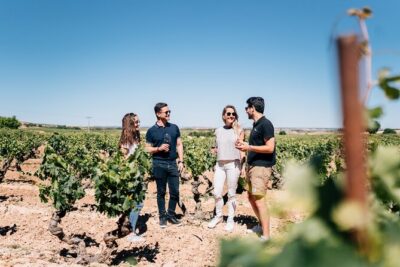
Spanish Villages & Winery Visit with Wine Tasting and Tapas Lunch
Read our review →
Toledo Full Day with Winery Visit, Tapas and Wine Tasting
Read our review →Browse the lists this tour appears in