REVIEW · ITALY
Valpolicella: Amarone Chateau Guided Tour and Wine Tasting
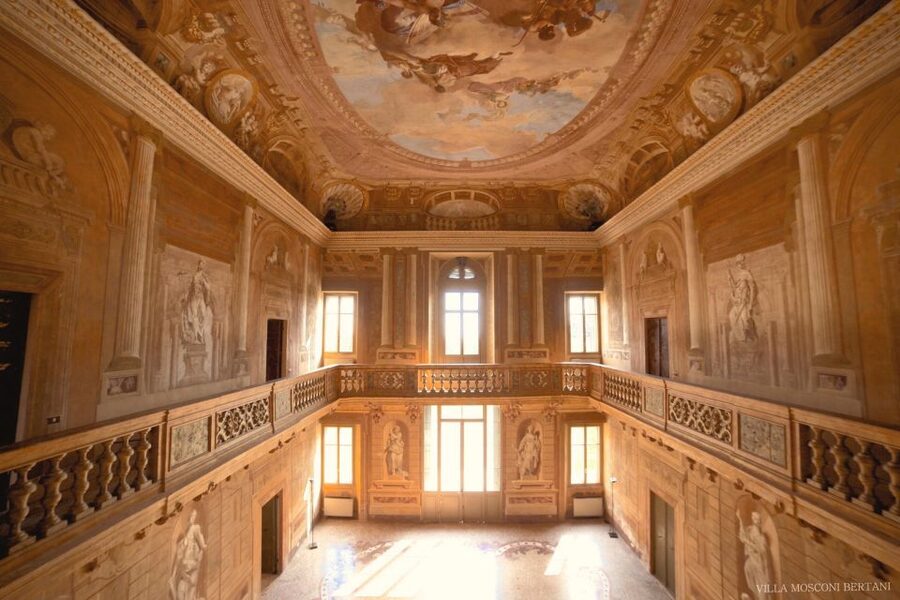
Valpolicella wine country is at its best when the tasting comes with a place, a story, and a clear explanation of how the wine is made. At Tenuta Santa Maria, you see the 18th-century villa, walk through the old vineyards, and enter the cellars before sitting down to taste at least four wines.
I like the mix of art and winemaking, especially the frescoed room and romantic gardens. I also like that the tour explains Appassimento and Ripasso rather than simply pouring glasses and naming grapes. The main drawback is its short 90-minute length. You get a polished introduction, not a slow country afternoon.
Key points at a glance
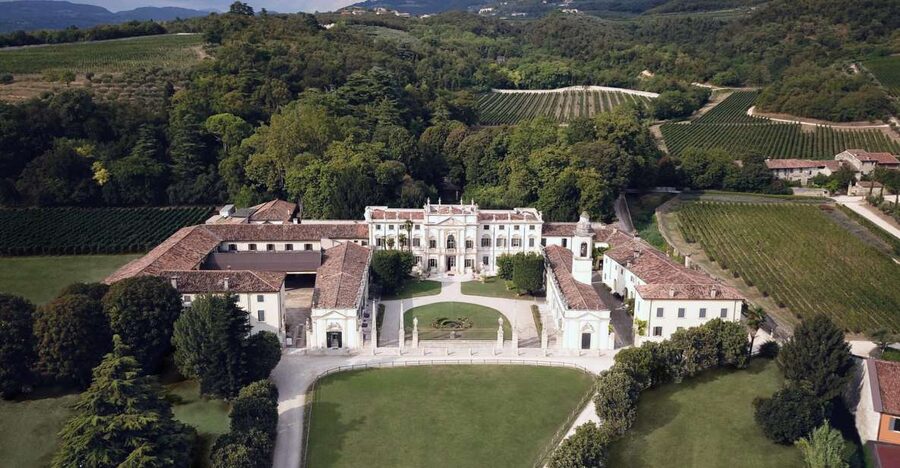
- An 18th-century villa sets the scene: See a frescoed room and the estate gardens before focusing on wine.
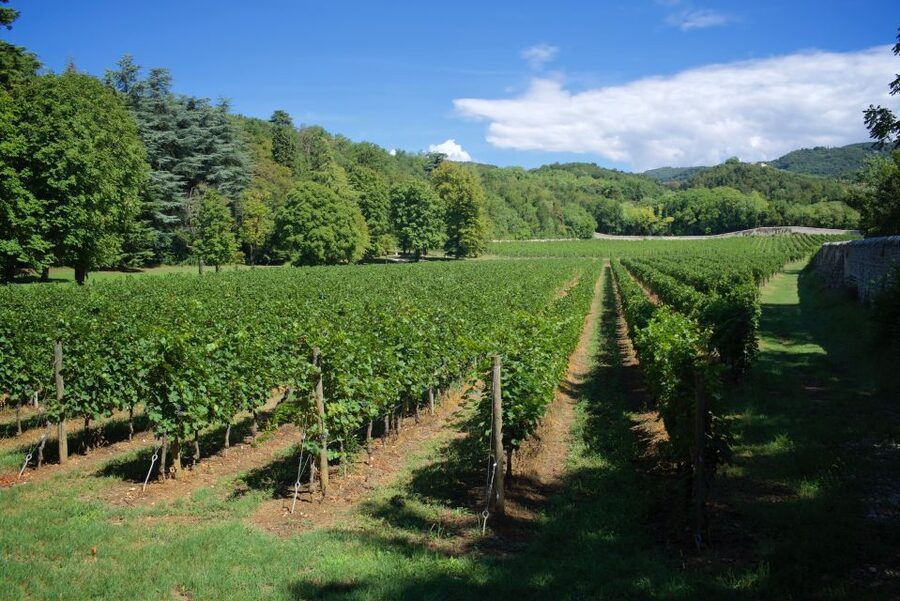
- The brolo vineyards are part of the visit: Walk among the historic walled vines of the private estate.
- Amarone production is explained on site: Learn how grapes are dried in the fruttaio before winemaking.
- The monumental cellar adds atmosphere: Wine ages in a grand, quiet space that gives the tasting a sense of place.
- At least four wines are served seated: An expert sommelier explains their aromas, flavors, grape varieties, and production methods.
- The tour is for adults: It is conducted in English or Italian and is not suitable for children under 18 or pregnant women.
A wine estate near Verona with more than a tasting room
Tenuta Santa Maria di Gaetano Bertani sits in Valpolicella Classica, the traditional central area of Valpolicella in Veneto. Its location makes it useful for a day out from Verona, and it can also fit into a wider visit toward Lake Garda.
The estate belongs to Giovanni and Guglielmo Bertani, winemakers connected with the property and its long wine tradition. This matters because you are not visiting a generic shop that happens to sell Amarone. The buildings, vineyards, drying rooms, and cellar all form part of the production story.
The setting also gives the experience a welcome change of pace. Verona is full of famous streets, churches, and Roman monuments. Here, you move into a quieter setting where the main sights are a villa, old vines, gardens, and barrels.
I would choose this tour if you want to understand why Amarone costs more than an ordinary red wine. You will see the steps that require extra time and care, rather than hearing only a few tasting notes.
More Food and Drink Experiences in Italy:
- Florence: Chianti Wineries Tour with Wine Tasting
★ 4.5 · 10,071 reviews - From Florence: Private Chianti Hills Tour with Tasting
★ 4.3 · 809 reviews - Lucca: Guided Winery Tour with Wine Tasting
★ 4.7 · 611 reviews
The villa, frescoed room, and Romantic Park
The tour begins with the estate itself, not with a glass hurriedly placed in front of you. The 18th-century villa gives the visit a strong sense of place. Its frescoed room adds a cultural layer that many winery visits skip.
The room is linked with poets and the estate’s Romantic Park. You do not need to be an art specialist to enjoy it. The point is simple: this has been a lived-in country estate, not just a modern industrial winery with a decorative entrance.
The gardens help you understand the relationship between the villa and the working property. They also provide a pleasant visual break before the more technical parts of the visit.
That said, this is a guided estate tour rather than a museum admission. The information you receive depends on the guide and the pace of the group. If your main interest is architecture, the villa and frescoed space may feel like an introduction rather than a full architectural tour.
The English and Italian presentation is supported by an illustrated explanation. A clear visual presentation is useful here because the wine process involves several stages, and the differences between Valpolicella styles can be hard to follow from words alone.
Walking through the 16th-century brolo vineyards
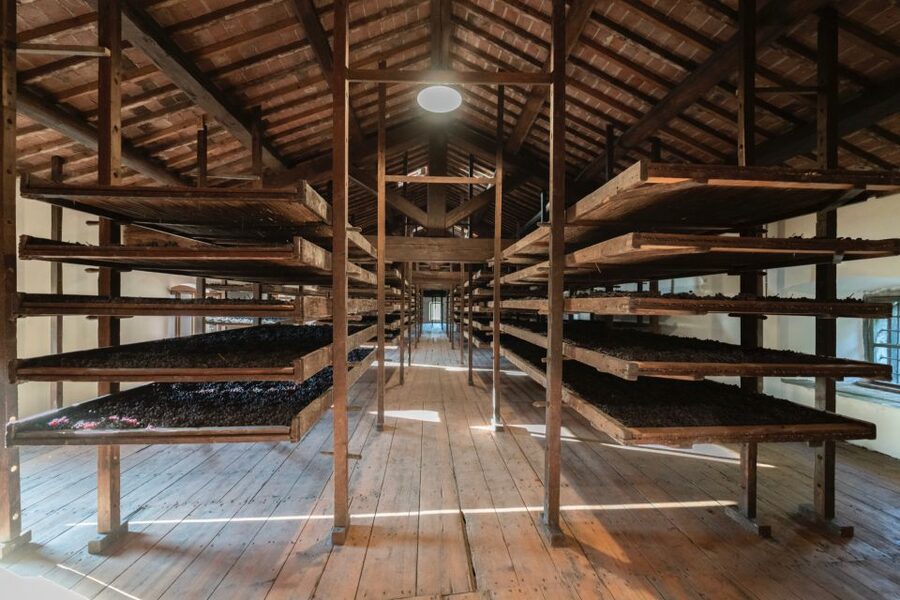
The private vineyards, known as the brolo, are enclosed by historic walls and date back to the 16th century. This is one of the most useful parts of the experience because it connects the bottle to the soil and the estate’s layout.
You can expect the guide to explain the role of the vines and the grape varieties used in Valpolicella wines. The tour does not promise a long vineyard hike, so think of this as a focused walk around the estate rather than a countryside trek.
For me, the walled vineyard is especially valuable in cooler months, when a vineyard may not look as lush as it does during the growing season. The walls, old property, and surrounding setting still provide context even when the vines are dormant.
The visit is only 90 minutes, so the vineyard portion must remain fairly compact. If you want a full agricultural tour with extensive time among the vines, this experience may feel brief. If you want to see the vineyards without spending half a day on foot, the timing works well.
Comfortable shoes are sensible. The tour includes the villa, gardens, vineyards, and cellar, so you will move between different surfaces and spaces.
Appassimento and the making of Amarone
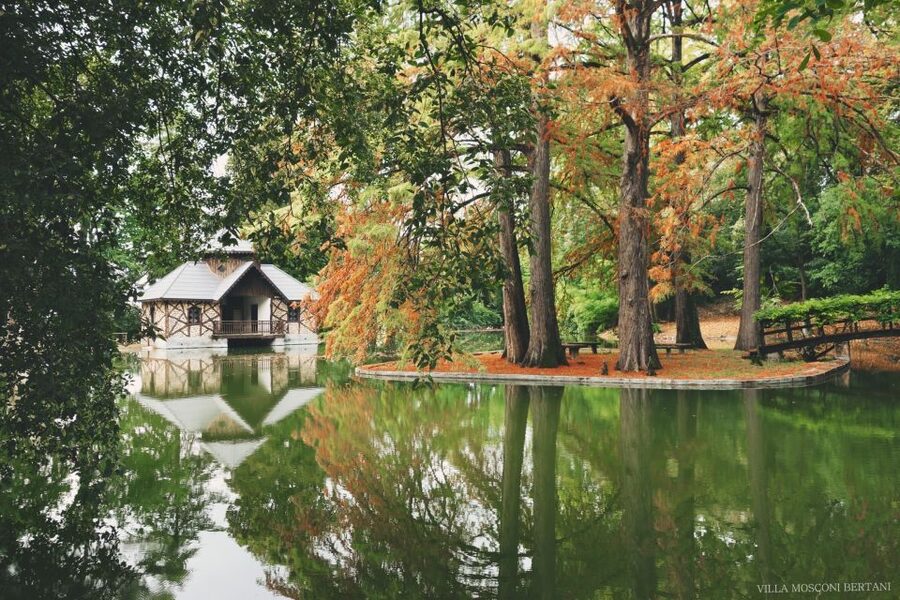
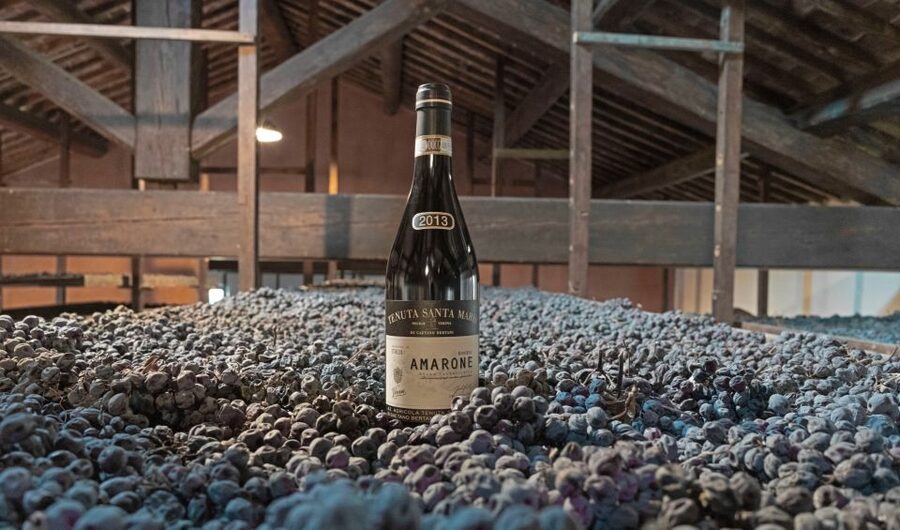
The most important technical lesson concerns Appassimento. In this traditional method, selected grapes are dried before fermentation. The drying concentrates the fruit and helps produce the fuller style associated with Amarone della Valpolicella.
The historic fruttaio is where this process is explained. Seeing the drying area makes the method easier to understand than a tasting note ever could. You learn that Amarone is not simply a strong red wine. It is shaped by an additional stage that takes time, space, and careful handling.
This is also where the price of Amarone begins to make more sense. Grapes must be selected, dried, monitored, and then made into wine. A winery needs dedicated rooms for that work. You are paying for more than the liquid in the bottle.
The tour also covers Ripasso. Ripasso uses Valpolicella wine and gives it further contact with the residue left after Amarone production. The result is a different style, generally with more body and depth than a basic Valpolicella, but not the same process or weight as Amarone.
The distinction is useful when you are choosing wine in a restaurant. After this visit, you should have a better idea why a Valpolicella, Ripasso, and Amarone can all come from the same area yet taste and cost quite differently.
A few more vineyard days around Italy worth a look
- Private Self-Guided E-Bike Ride in Tuscany with Vineyard Visit
★ 5.0 · 775 reviews - Olbia: Gallura Winery Guided Tour with Tasting
★ 4.7 · 451 reviews - Valpolicella: 1.5-Hour Guided Winery Tour with Wine Tasting
★ 4.8 · 207 reviews - Montalcino: Guided Winery Tour and Wine Tasting
★ 4.8 · 200 reviews
The monumental cellar and the quiet part of the tour
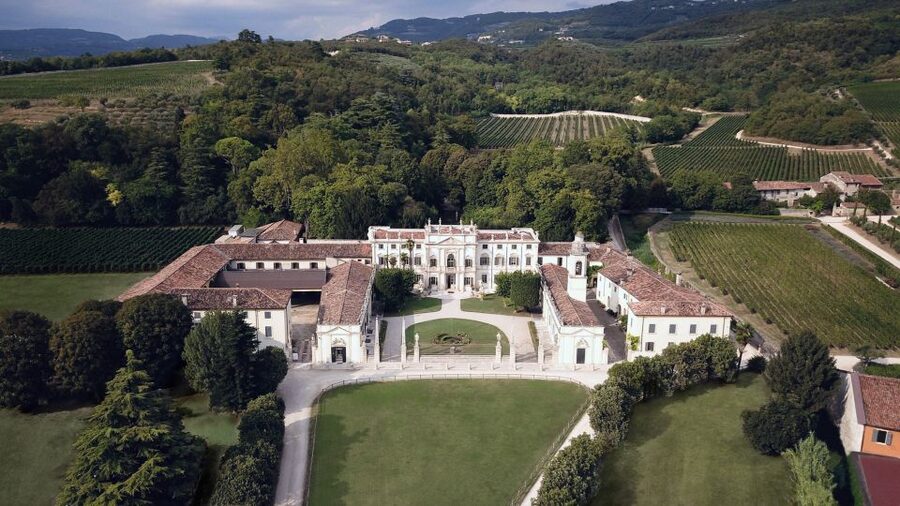
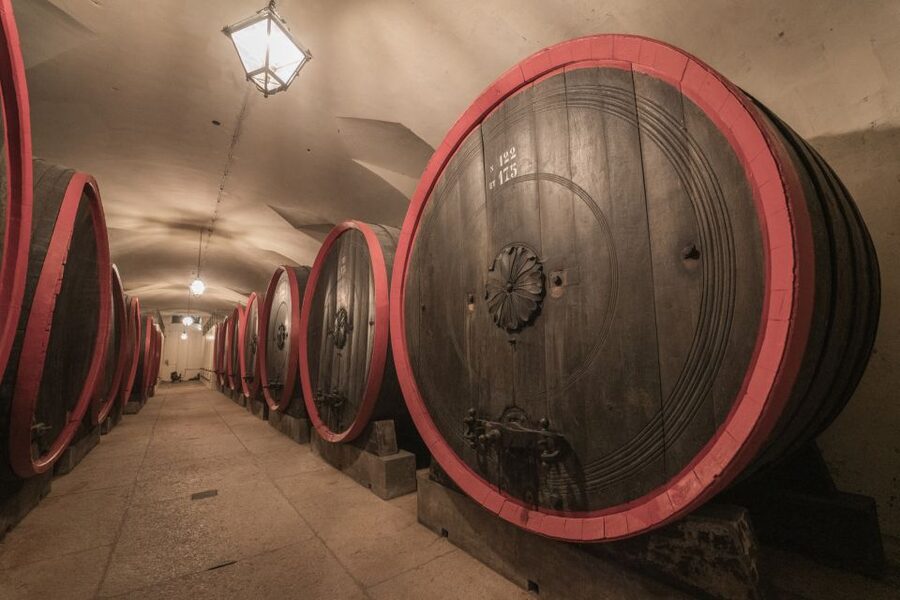
From the drying rooms, the tour continues into the monumental cellar. The scale and silence of the space provide one of the strongest visual moments of the visit.
A cellar can be easy to overlook when you are eager to reach the tasting, but it is where the time invested in the wine becomes visible. Aging requires patience, and the cellar gives that idea a physical form.
The cellar is also a good place to ask questions. You can clarify how long wines age, how production methods affect flavor, or why one bottle feels more structured than another. The exact details available may depend on the guide, but the setting gives the explanation a natural focus.
Do not expect a theatrical show. The appeal is the old architecture, the rows of wine, and the sense that the estate’s work continues beyond the public tour. If you prefer modern design and highly staged attractions, the cellar may seem plain. If you enjoy traditional wine spaces, it should be one of the visit’s highlights.
A seated tasting of at least four wines
The tasting takes place while seated, with an expert sommelier guiding the presentation. At least four wines are included, giving you enough range to compare styles rather than judge a single bottle in isolation.
The tasting is described through organoleptic details, meaning the guide will address what you see, smell, and taste. This can include color, aroma, body, acidity, fruit character, and finish. The accompanying illustrated explanation helps keep the technical information grounded.
I like this format because it gives beginners permission to slow down. You do not need an advanced wine vocabulary. Pay attention to how the wines differ, then ask what caused the difference. The answer may relate to grape selection, drying, aging, or the Ripasso technique.
The tasting also rewards experienced wine drinkers. Four wines are enough to compare the estate’s approach across several styles, though the exact lineup is not specified. You should not book expecting a particular vintage or named bottle unless the option you choose states it clearly.
The word seated matters. This is not a quick stand-up sample at a sales counter. You have time to listen and taste. Still, the full visit lasts only 90 minutes, so the tasting cannot stretch into a long lunch or leisurely afternoon session.
Recent public feedback gives the experience a 4.5 out of 5 rating from 164 reviews. The most praised points are the informative presentation, the quality of the wines, and the beauty of the property. One especially useful detail is the positive response to the PowerPoint-style explanation, which suggests that the visual teaching aids make the wine lesson easier to follow.
What the $42 price really buys you
At $42 per person, the tour is reasonably priced for a historic estate visit with a guided property tour, a seated tasting of at least four wines, and a sommelier. The value is strongest if you want both wine and setting.
You are not paying only for four pours. The price includes access to a villa, gardens, private vineyards, the fruttaio, and the monumental cellar, along with explanations in English or Italian.
The value is less clear if you want a full meal, transportation, or a long countryside excursion. None of those are included. You must arrange your own way to the property, and the experience does not include pickup or drop-off.
For a first Valpolicella visit, I think the price is fair. A single good Amarone in a restaurant can take a sizeable part of the same budget. Here, you get several wines plus the setting and production lesson that make them easier to appreciate.
Timing, language, and practical planning
The tour lasts about 1.5 hours. Check the available starting times when you book because the schedule can vary.
The guide speaks English or Italian. If you need a particular language, confirm the option before paying. The tour includes a live guide, not a self-guided audio route.
The meeting point may vary depending on the option booked. Read the exact meeting instructions carefully, especially if you are planning this as a day trip from Verona or another nearby base.
Transportation is not included. You will need to reach Tenuta Santa Maria independently, and the supplied information does not promise a shuttle or transfer. This point matters greatly for a wine visit. If you plan to drink, organize your transport before arriving.
The experience is for adults only. It is not suitable for children under 18 or pregnant women. This is not a family sightseeing stop with a separate non-wine program.
Cancellation is flexible up to 24 hours before the tour for a full refund, and a reserve-now-pay-later option may be available. These policies help if your Verona plans are still shifting, but always check the exact conditions attached to the option you select.
Who will enjoy this Valpolicella visit most
I would recommend this tour to you if you fit one or more of these descriptions:
- You are staying in or near Verona and want a wine outing without committing to a full day.
- You enjoy historic buildings as much as the wine itself.
- You want a clear explanation of Amarone, Appassimento, and Ripasso.
- You prefer a seated tasting led by a sommelier.
- You are new to Valpolicella and want a useful foundation before ordering local wines elsewhere.
- You like traditional estates more than sleek, modern tasting rooms.
It may be less suitable if you want a large meal, a long hike, extensive time in the vineyards, or an informal tasting with no presentation. The tour has a defined structure and a strong educational side.
Should you book Tenuta Santa Maria?
Book it if you want the full Valpolicella picture in a compact visit: villa, garden, walled vineyard, grape-drying room, cellar, and four or more wines. The estate gives the tasting enough context to make the price worthwhile.
Skip it if transport is difficult, you are looking for a family activity, or you want a relaxed half-day with food and open-ended time. For most adult wine lovers based near Verona, though, this is a practical and well-priced introduction to Amarone country. The clearest reason to choose it is the combination of beautiful historic rooms and useful wine instruction, not simply the number of glasses poured.
FAQ
Where does the Tenuta Santa Maria wine tour take place?
The experience takes place at Tenuta Santa Maria di Gaetano Bertani in Valpolicella Classica, in Italy’s Veneto region.
How long does the tour last?
The tour lasts approximately 1.5 hours.
How many wines are included?
The seated tasting includes no fewer than four distinct wines.
Is a sommelier included?
Yes. A seated wine tasting with an expert sommelier is included.
What languages are available?
The live tour is available in English and Italian.
Does the experience include transportation?
No. Transfers to the property and pickup and drop-off are not included.
What will I see at the estate?
The tour includes the 18th-century villa, a frescoed room, the Romantic Park and gardens, the 16th-century walled brolo vineyards, the fruttaio used for drying grapes, and the monumental cellar.
Does the tour explain how Amarone is made?
Yes. The guide explains the traditional Appassimento process used to dry grapes for Amarone della Valpolicella.
Is the tour suitable for children?
No. The experience is not suitable for children under 18.
Can I cancel for a refund?
You can cancel up to 24 hours in advance for a full refund, according to the stated cancellation policy. A reserve-now-pay-later option may also be available.
Just added around Italy
- Vineyard Tour and Tasting of Lugana Wines★ 4.5 · 6 reviews
- Picnic and Lugana Tour at Perla del Garda winery★ 5.0 · 6 reviews
- Visit winery and vineyards, tasting 4 wines with 3 matching dishes★ 5.0 · 3 reviews
- Winery tours and tastings in Bolgheri with Wine Guide★ 5.0 · 16 reviews
- Guided tour of vineyards and winery with tasting 4 wines★ 4.5 · 12 reviews
- Private Chianti and SuperTuscan Tour 2 wineries with Light Lunch from Livorno★ 4.5 · 5 reviews
- Winery Tour & Tasting in Pisa Countryside★ 5.0 · 2 reviews
- San Gimignano and Winery Experience with Lunch from Livorno★ 5.0 · 3 reviews
Italy Vineyard Tours, compared.
Tuscany Day Trip from Florence: Siena, San Gimignano, Pisa and Lunch at a Winery
Read our review →

Half day Chianti Vineyard Escape from Florence with Wine Tastings
Read our review →
Tuscany Wine Tour: 2 Wineries & San Gimignano from Florence
Read our review →
Chianti Wineries Tour with Tuscan Lunch and San Gimignano
Read our review →
Private Self-Guided E-Bike Ride in Tuscany with Vineyard Visit
Read our review →