
REVIEW · FRANCE
Domaine de Soustres, Montady : Visit and Tasting
The most interesting part of this Domaine de Soustres visit is how it connects the wine in your glass to the soil, weather, vines, and people who work them. You begin with the estate’s story and setting near Montady, then follow the process from grape clusters in the vineyard to aging wine in the cellar.
I like the clear vineyard lessons, especially the explanation of grape varieties, vine physiology, and the yearly work that keeps the fruit healthy. I also like the thoughtful five-wine tasting, served with local specialties, plus a syrup option for children and non-drinkers.
The main consideration is time. Ninety minutes gives you a well-shaped introduction, but not a slow, all-afternoon winery visit. With five wines, vineyard science, cellar work, and food included, the pace may feel brisk for anyone who wants long conversations over every bottle.
Key points at a glance
- Five wines with local bites: The tasting gives you a practical way to compare the estate’s wines while enjoying regional specialties.
- Vineyard science made simple: You learn about vine structure, grape-cluster development, roots, leaves, and the annual cycle.
- Terroir explained through place and work: The tour links soil and natural conditions with the human choices made in each plot.
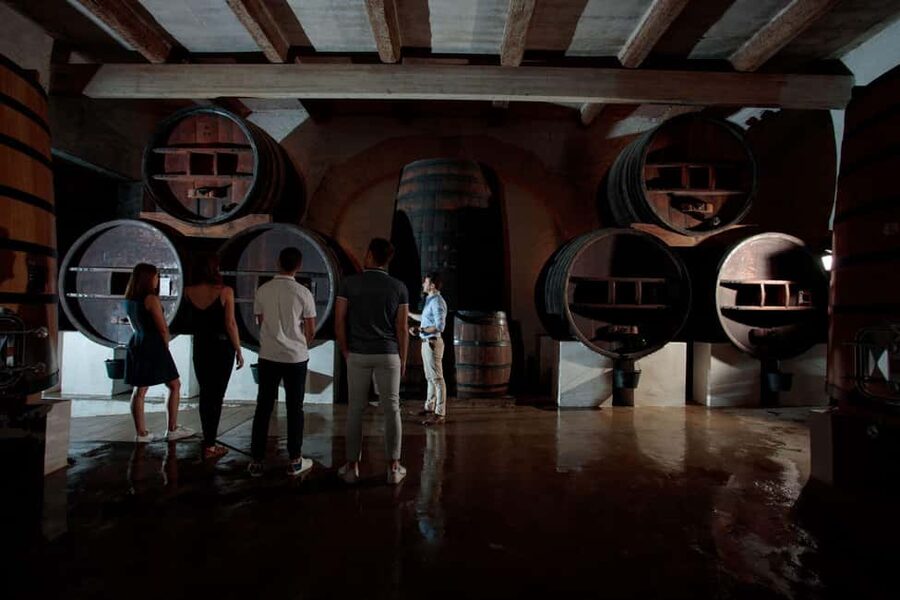
- A look behind the cellar door: Harvesting, pressing, fermentation, and aging in vats all form part of the story.
- Good for mixed-age groups: Children can take part in interactive activities, and non-drinkers can taste artisanal syrups.
- Three languages available: The live tour is offered in English, French, and Spanish.
Why Domaine de Soustres works for a short wine outing
Domaine de Soustres offers the sort of wine visit that is easy to fit into a day in southern France. At $21 per person, the 90-minute format is priced for an introduction rather than a grand estate production tour. You get a guided visit, a tasting of five wines, local food, and activities for younger visitors.
That combination matters. A wine tasting alone can leave you with pleasant impressions but little understanding of what you are drinking. Here, the tasting comes after the estate, vineyard, and cellar explanations, so you have a framework for the wines.
I would choose this experience if you want to learn without committing half a day. It also makes sense for a couple with different interests, or for a family where not everyone drinks wine. The syrup tasting means children and non-drinkers are included rather than left to watch from the side.
The one limitation is that the visit cannot explore every subject at great length. Five wines, vineyard instruction, terroir, and winemaking are a lot to cover in 90 minutes. You should expect a lively overview, not an advanced wine course.
More Food and Drink Experiences in France:
- Medoc or Saint Emilion Wine Tasting and Chateau from Bordeaux
★ 5.0 · 1,415 reviews - Saint-Émilion: Grand Cru Classé Winery Visit and Tasting
★ 4.6 · 1,118 reviews - Saint Emilion Half-Day Trip with Wine Tasting & Winery Visit from Bordeaux
★ 4.5 · 1,034 reviews
Starting in the courtyard of the estate
The meeting point is the courtyard of Domaine de Soustres. That keeps the beginning simple: you do not need to search for a separate town meeting place or gather at a distant transport stop. Reservation is required, so arrive with your booking arranged.
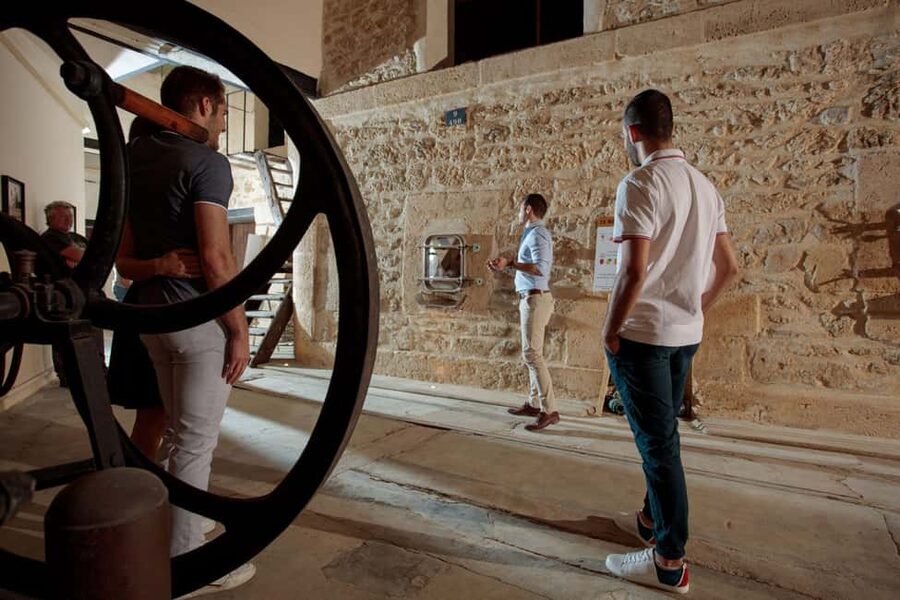
The first section introduces the estate through maps and stories. You learn how the property fits into the surrounding area and how its vineyards and olive groves relate to nearby points of interest. This opening gives you a sense of place before the tour turns to technical wine subjects.
I like this order. Wine can seem abstract when you only hear about grape names and flavors. By starting with the property and the local setting, the guide gives those details a physical home. You can picture the vines, plots, and surrounding countryside as part of one working estate.
No specific guide names are provided, but live tours are available in English, French, and Spanish. When you book, check the available language and starting time. That small step can make a big difference to how much you take from the more technical parts.
Reading the vine from roots to grape cluster
The vineyard section looks at the vine as a living plant. You learn to recognize its basic structure, from roots below the soil to leaves and grape clusters above it. The visit also covers the stages of grape-cluster development and the grape varieties grown at the estate.
This is useful even if you know very little about wine. Instead of treating a vineyard as rows of attractive plants, the tour explains what you are seeing and why it matters. You begin to understand that the fruit is only one part of a larger system.
The annual cycle of the vine is another important topic. The work changes through the year, and training the vines helps protect grape quality. The guide also explains how natural factors affect cultivation, including the parts of the plant that gather sunlight, support growth, and draw resources from the soil.
I especially like this part for first-time wine visitors. You do not need to memorize technical vocabulary. The value is in learning to look at vines with more attention, which can make later vineyard visits and wine tastings easier to follow.
Understanding the estate’s terroir
The word terroir can sound like a vague wine term, but this visit treats it as a practical idea. You learn how natural elements and human work combine to shape the character of each plot and, later, the personality of the wine.
The natural side includes the conditions that affect vine growth. The human side includes the way each area is worked and maintained. The tour shows that a bottle does not come only from a grape variety. It also reflects where the vines grow and how the estate manages them.
This section is valuable because it links vineyard work to the final tasting. Aromas and flavors are not presented as isolated tricks for wine experts. They are connected to the place and the choices made during cultivation.
You should not expect a detailed soil survey or a technical lecture aimed at professional winemakers. The information is designed for a general audience. That is a strength if you want clear explanations, though serious wine students may want more depth than a 90-minute visit can provide.
Same wine country, a different day out:
- Champagne Day Trip with 6 Tastings, Reims and Winery from Paris
★ 5.0 · 902 reviews - From Reims: Champagne and Family-Run Wineries Tour
★ 4.8 · 671 reviews - Saint-Emilion Afternoon Wine Tour – 2 Wineries & delicacies
★ 5.0 · 614 reviews - Saint-Émilion: Bordeaux Vineyard Tour and Wine Tasting
★ 4.8 · 578 reviews
Following grapes into the cellar
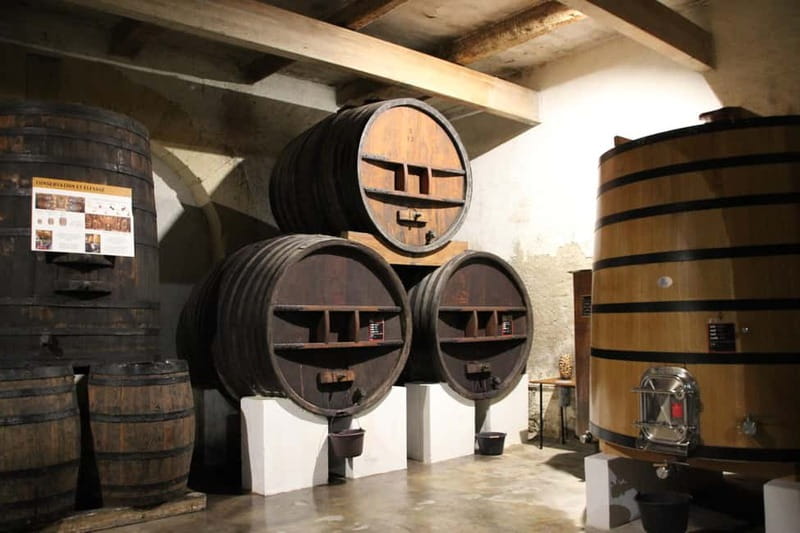
After the vineyard, the experience moves indoors or toward the cellar process. You learn the main steps that turn harvested grapes into wine: harvesting, pressing, fermentation, and aging in vats.
This behind-the-scenes section helps fill in the gap between picking grapes and opening a bottle. It explains why the cellar is not just a storage area. Decisions made after harvest influence how the finished wine develops.
The guide also covers the work involved in the cellar and how the process changes the raw fruit into wine. For a casual visitor, this is likely to be one of the clearest parts of the tour because it follows a straightforward sequence.
I appreciate that the experience does not stop at the vineyard. Some estate visits focus almost entirely on scenery and tasting. Here, you get a basic production story as well. That gives you more to think about when the glasses arrive.
Still, keep your expectations measured. The provided details mention vats, but not specific equipment, barrel programs, production sizes, or winemaking philosophies. You will learn the essential stages, not receive a full technical audit of the winery.
Tasting five wines with local specialties
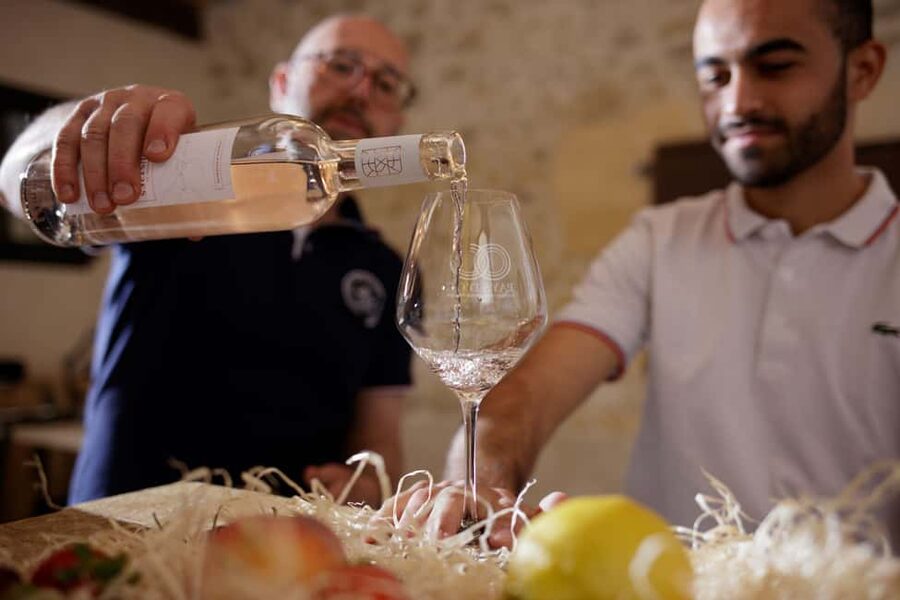
The final tasting is the reward, but it also puts the earlier lessons to work. You taste five wines with explanations, giving you a chance to compare them rather than judge one bottle in isolation.
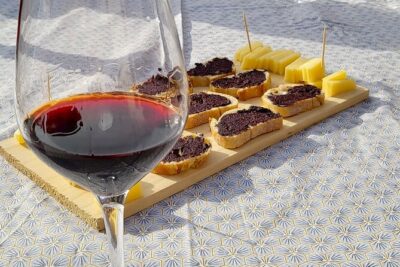
Local specialties accompany the tasting. This is more than a snack. Food changes how wine tastes, and regional bites make the ending feel tied to southern France rather than like a generic tasting-room stop.
For you, the best approach is to listen for connections between the explanations and what you smell or taste. The visit has already covered grape varieties, the vine cycle, terroir, and cellar work. Now you can consider how those pieces show up in the glass.
Five wines is a generous number for a 90-minute visit, especially when food and instruction are included. It should give you a broad sample of the estate’s work. The tradeoff is that each wine may receive only a short discussion, depending on the pace of the group.
I would not book this solely for a long, leisurely drinking session. The tasting is part of a guided learning experience. If you want to buy or compare bottles at length, you may need to allow extra time beyond the scheduled visit, though no additional visit details are provided.
A sensible choice for children and non-drinkers
Families often face a problem at wineries: adults get the main activity while children wait around. Domaine de Soustres addresses that with fun, interactive activities linked to vines and wine.
The exact activities are not specified, so you should not expect a particular game or workshop format. Still, the structure is useful. Younger visitors can take part while adults follow the estate story and tasting.
Non-drinkers also have an alternative through an artisanal syrup tasting. That makes the final section feel shared rather than divided into wine drinkers and everyone else. If someone in your party avoids alcohol, this is an important reason to consider the visit.
The experience may suit families best when children are curious about how food and drink are made. It is still a wine-focused tour, so the adults will receive the most detailed information. The children’s activities help, but they do not turn the visit into a dedicated children’s attraction.
Is $21 a good value?
At $21 per person, the price is reasonable for the amount included. You receive a 90-minute guided visit, an explanation of the estate and vineyard, an introduction to winemaking, five wines, local specialties, and alternatives for children or non-drinkers.
The value is strongest if you plan to taste wine anyway. Five pours with food can make the admission feel worthwhile, while the educational sections give the visit more substance than a simple tasting flight.
The price is less compelling if you only want to buy a bottle quickly or sit outside with one glass. This is a structured experience, and much of what you pay for is the guide’s explanation of vines, terroir, and production.
I also see value in the flexible booking terms. You can reserve now and pay later, and cancellation is free up to 24 hours before the visit. That helps if your southern France plans are still shifting, though you still need a reservation because space is not treated as walk-in access.
Timing, languages, and who should book
The visit lasts 90 minutes, with starting times available according to the date you choose. I would allow a little extra time around the appointment so you are not rushing into the courtyard at the last moment.
Live guiding is offered in English, French, and Spanish. That makes this a practical choice for international visitors, but check the language option while selecting your time.
I would recommend Domaine de Soustres to:
- First-time wine visitors who want the basics explained clearly.
- Couples looking for a short cultural activity with food and drink.
- Families who want children included in a vineyard visit.
- Non-drinkers who would like an artisanal syrup tasting.
- Visitors interested in how terroir affects wine, not just in taking photos of vines.
I would look elsewhere if you want a full-day estate visit, advanced winemaking detail, a large meal, or a long, unhurried tasting. Those features are not part of the information provided for this experience.
Should you book Domaine de Soustres?
Book it if you want a compact, well-rounded introduction to wine near Montady. The strongest features are the clear progression from estate story to vineyard, terroir, cellar, and tasting, along with the effort to include children and non-drinkers.
The perfect 5 rating attached to the experience is based on only two reviews, so I would not treat it as a broad statistical verdict. Still, the available response is plainly positive, and the design of the visit gives you good reasons to expect a useful outing.
For $21, you get more than five glasses of wine. You get the basic tools for understanding what is in them. If that sounds like the right pace, reserve a language and time that suit your plans, then meet at the courtyard of Domaine de Soustres.
FAQ
How long does the Domaine de Soustres visit last?
The visit lasts 90 minutes.
How much does the experience cost?
The listed price is $21 per person.
Where do I meet the guide?
The meeting point is in the courtyard of Domaine de Soustres.
What languages are available?
The live tour is available in English, French, and Spanish.
How many wines are included in the tasting?
The experience includes a tasting of five wines.
Is food included with the wine tasting?
Yes. Local specialties are included for tasting alongside the wines.
Can children and non-drinkers take part?
Yes. Children can join interactive activities, and non-drinkers can take part in a tasting of artisanal syrups.
Just added around France
- Day Trip to the Sancerre and Pouilly Vineyards★ 5.0 · 20 reviews
- 3-Hour Private Painting tuition in a beautiful Cognac vineyard★ 3.5 · 2 reviews
- 4×4 tour in a winery followed by a tasting★ 5.0 · 46 reviews
- Winery Visit with Food and Wine in Carcassonne★ 5.0 · 59 reviews
- Walk in the vineyards of Chablis Grands Crus★ 4.5 · 7 reviews
- Wine Getaway with Tasting in the Chablis Vineyard★ 5.0 · 3 reviews
- Winery Tour & Wine Tasting – Deli Plate & 3 Wines★ 5.0 · 72 reviews
- Visit to the Faugères Vineyards with Picnic from Béziers★ 5.0 · 7 reviews
France Vineyard Tours, compared.
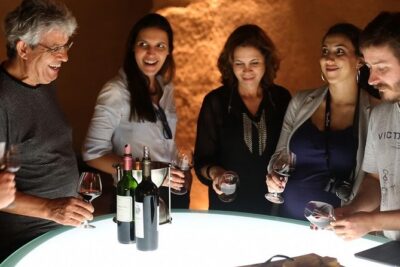
Medoc or Saint Emilion Wine Tasting and Chateau from Bordeaux
Read our review →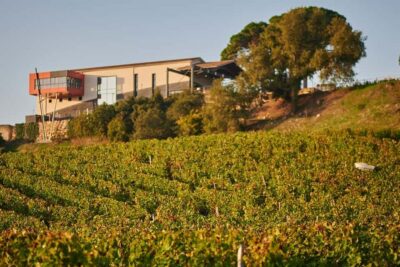
Saint-Émilion: Grand Cru Classé Winery Visit and Tasting
Read our review →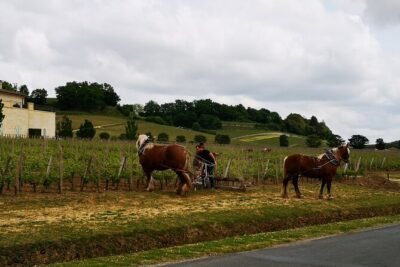
Saint Emilion Half-Day Trip with Wine Tasting & Winery Visit from Bordeaux
Read our review →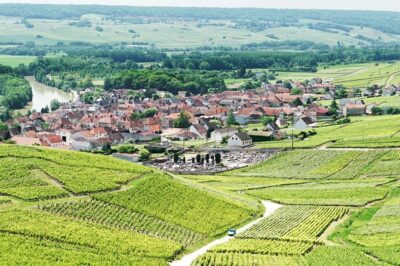
Champagne Day Trip with 6 Tastings, Reims and Winery from Paris
Read our review →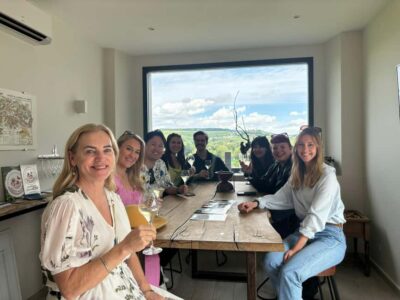
Saint-Emilion Afternoon Wine Tour – 2 Wineries & delicacies
Read our review →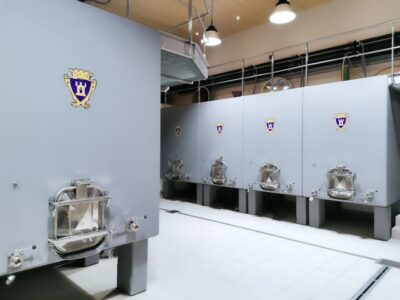
Saint-Émilion: Bordeaux Vineyard Tour and Wine Tasting
Read our review →
Browse the lists this tour appears in