
REVIEW · SANTIAGO
Santa Rita Winery Selection Tour
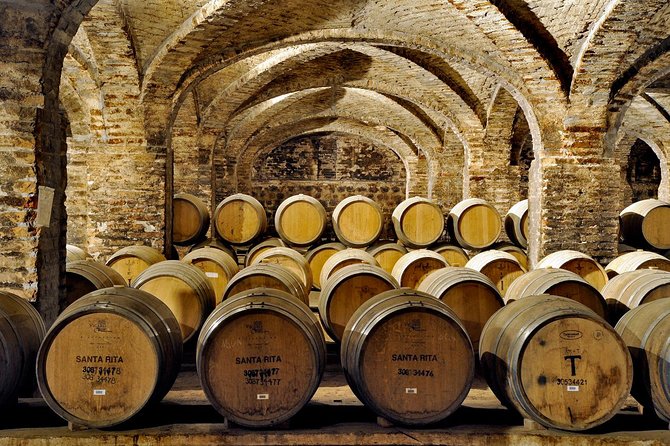
Santa Rita’s Selection Tour gives you more than a tasting-room stop. In about 70 minutes, you walk through vineyards, see the stages of production, and visit the Cal y Canto and Patriots’ cellars before sitting down to taste three wines with cheese and crackers. It is a compact way to connect the bottle with the place that made it.
I like the mix of wine and culture, especially the included Andean Museum, with more than 3,000 pieces of pre-Columbian art. I also like the clear tasting lineup: one Gran Reserva and two Ultra Premium wines, rather than a vague pour of whatever happens to be open. The main drawback is that the visit is short, so the winery grounds, museum, park, and restaurant cannot all receive equal attention.
- Three structured tastings: Try one Gran Reserva and two Ultra Premium wines with cheese and crackers.
- Production from vineyard to bottle: The route covers growing, making, aging, and bottling the wine.
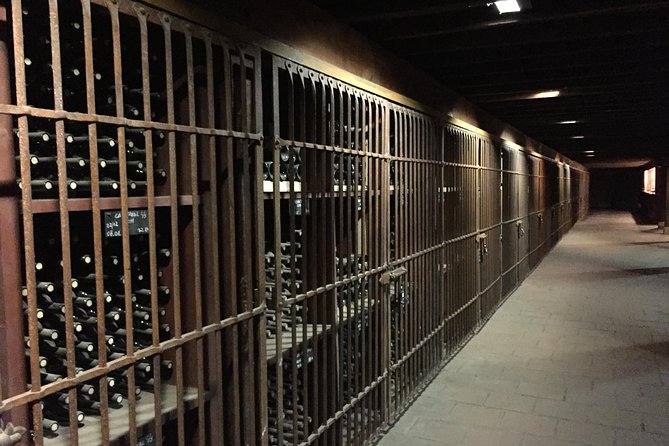
- Historic Santa Rita settings: See the Cal y Canto Cellar and Patriots’ Cellar.
- Extra culture included: The Andean Museum is available for independent exploration after the guided visit.
- Language flexibility: Portuguese guidance may be available, and one Brazilian guide has offered detailed explanations of wine, winemaking, and food pairing.
- Easy planning: The tour meets and ends at Viña Santa Rita in Alto Jahuel and allows free cancellation up to 24 hours before departure.
Why Santa Rita works for a short wine visit
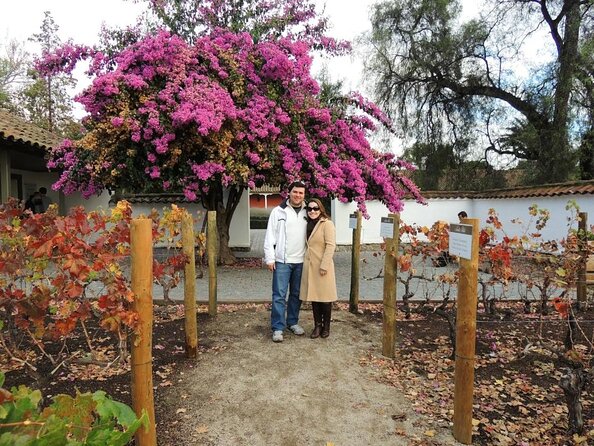
Santa Rita is in Alto Jahuel, outside central Santiago, and this tour is built for visitors who want a proper winery visit without giving up an entire day. The schedule is tight but purposeful. You see the vineyards, follow the production story, taste the finished wines, and then have time to look around the museum.
That order matters. A tasting is more useful when you understand what the winery is doing before the glass reaches your hand. Here, the guide explains Chilean wine and the making process as you move through the property, so the tasting has a clear setting instead of feeling like a sales pitch in a room.
I also like that the visit is not aimed only at serious wine fans. The description specifically welcomes beginners as well as experienced drinkers. You do not need a working knowledge of grape varieties to get something from the tour. The guide handles the technical side, while the tasting lets you compare the wines at your own pace.
The price is $44.80 per person. That is fair if you value the guided winery walk, three higher-level wines, snacks, and museum access. It becomes less attractive if you mainly want a quick glass of wine, since the price also reflects the setting and the guided production visit.
Walking through vineyards and the varietal garden
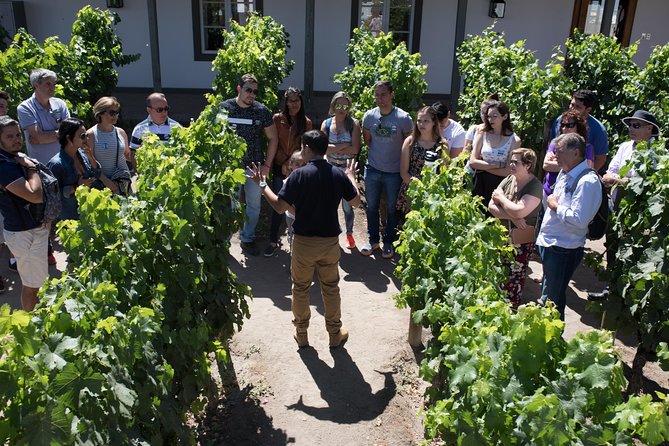
The first part takes you outdoors, through the vineyards and varietal garden. This gives you a look at the source of the wine before the tour moves indoors to production and storage areas.
The varietal garden is useful for beginners because it puts grape names in a physical setting. Instead of hearing only about varieties during a tasting, you see that the winery treats them as distinct parts of the wine-growing process. The tour does not promise a long agricultural lesson, so expect an introduction rather than a full study of vineyard management.
The outdoor walk also helps break up the visit. You are not seated for the entire 70 minutes, and the route gives the guide a natural way to explain how grapes move from the vineyard into the winery. For a first winery visit, that simple sequence is often easier to remember than a list of facts.
Keep the time limit in mind. This is not a slow countryside walk with long pauses at every vine. The vineyard and varietal garden are part of a compact route, so listen closely when the guide explains what you are seeing.
A few more vineyard days around Santiago worth a look
- Santiago: Concha y Toro Vineyard Tour w/ Transfer & Tasting
★ 4.2 · 455 reviews - Santiago: Maipo Valley Wine Tasting Tour with 4 Vineyards
★ 4.8 · 450 reviews - Santiago: Inca Lagoon and Vineyard Visit with Wine Tasting
★ 4.5 · 233 reviews
From making wine to bottling it
The guided route continues through the complete winemaking process, including making, aging, and bottling. That range is one of the tour’s best features because it shows that wine is not finished when fermentation ends.
The aging stage is especially important for understanding why wines at different price levels can taste different. The tour does not provide enough detail to promise specific barrel types or aging periods, so I would not book this expecting a technical cellar seminar. Instead, you can expect a broad explanation of the steps that shape the finished wine.
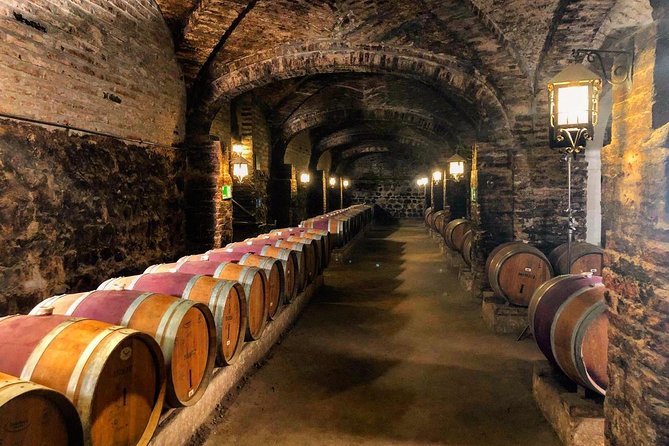
Two named stops add character: the Cal y Canto Cellar and the Patriots’ Cellar. These are not just generic winery rooms on the schedule. Their names give the visit a sense of place and make the production walk easier to recall afterward.
The bottling section completes the story. You see how the wine reaches its final packaged form, which helps connect the working side of the winery with the bottles you later taste. For anyone curious about how a winery operates, this is more useful than tasting alone.
The three-wine tasting with cheese and crackers
The tasting includes one Gran Reserva and two Ultra Premium wines. That is a solid lineup for the price because you get a chance to compare wines positioned at different premium levels rather than sampling three indistinguishable pours.
Cheese and crackers are included as simple tasting snacks. They help cleanse your palate and give you a basic food pairing to consider. The guide also explains harmonization with food, according to the available tour experience, so pay attention if you want practical advice for serving Chilean wine with a meal.
I like the guided format here. A guide can point out what to notice and explain how food changes the taste of a wine. You do not need to agree with every pairing suggestion, but the exercise gives the tasting a purpose beyond drinking three samples.
The tasting is not suitable for children under 18. The minimum age for wine tasting is 18, while younger participants receive juice tasting instead. Alcoholic beverages and snacks are included, as is a gift glass, so you have a small souvenir tied directly to the activity.
Do not expect a full meal. The cheese and crackers are snacks, and the tasting is one part of a 70-minute visit. Santa Rita also has an à la carte restaurant, Doña Paula, but that meal is not included. There is also a cafeteria, La Panadería, but it is separate from the tour.
A guide who can make the difference
The guide is central to the quality of this experience. You are not simply led from room to room. The aim is to explain Chilean wines, winemaking, and the connection between wine and food.
Language may also shape your experience. Portuguese guidance can be available, and a Brazilian guide has led a tasting with detailed explanations of wine, winemaking history, and food pairing. If Portuguese is important to you, ask about availability when booking rather than assuming every departure will have it.
The group size is intended to stay small. The information gives a maximum of 15 participants in one place and also mentions a maximum of 20 elsewhere. Because those figures do not match, confirm the cap for your chosen departure. Either way, this is not presented as a large coach-style tasting, and a smaller group should make it easier to hear the guide and ask questions.
A good approach is to tell the guide your level of wine experience early. If you are new to wine, say so. If you already know Chilean varieties, ask about production or pairing. The tour is designed to serve both groups, but you will get more from it if you help the guide set the level.
Same wine country, a different day out:
- Santiago: Concha y Toro and Undurraga Vineyards Tour
★ 4.1 · 194 reviews - Casablanca world class wines, 4 vineyards & Tanino lunch stop
★ 5.0 · 109 reviews - Santiago: World-class Wines, Visit to 4 Vineyards and Tanino
★ 5.0 · 91 reviews - Santiago: Alyan Winery Sunset with Wine Tastings and Dinner
★ 4.7 · 75 reviews
The Andean Museum after the wine
The Andean Museum is included, but it is not guided. After the winery tour, you can explore more than 3,000 pieces of pre-Columbian art on your own.
This is a strong extra because it changes the visit from a narrow wine outing into a broader cultural stop. The museum offers a different subject, different pace, and a chance to look at Chile and the wider Andean world beyond vineyards and bottles.
Give yourself time for it. The 70-minute figure applies to the guided winery activity, while the museum is available afterward as free time. If you rush away as soon as the tasting ends, you will miss one of the more distinctive parts of the property.
The museum is also a useful choice for mixed-interest groups. One person can focus on wine during the guided portion, while others may find the art collection more appealing. Since the museum is not guided, you have freedom to browse, but you should not expect a docent-led interpretation of the collection.
The park, church, and restaurant extras
Santa Rita’s grounds include a centenary park and a neo-Gothic church. The park is not included with this Selection Tour according to the supplied details. It is included with Premium or Ultra Premium tours, so do not assume that every part of the property is covered by the ticket.
That distinction matters when comparing packages. If your priority is the full estate experience, check the tour level carefully. If you mainly want vineyards, cellars, wine, and the museum, the Selection Tour covers the central parts of the visit.
Doña Paula restaurant is also separate. It has been recognized by specialized critics as one of the best restaurants outside Santiago, but lunch or dinner there is not part of the $44.80 tour. The same applies to La Panadería cafeteria and Casa Real Hotel.
I would treat these as optional additions, not reasons to expect more from the basic tour. The Selection Tour is a focused winery visit with a cultural extra. Add a meal only if you have enough time and want to make Santa Rita a larger outing.
Getting to Alto Jahuel and planning your timing
The meeting point is Viña Santa Rita, Camino Padre Hurtado 0695, Alto Jahuel, Buin, in the Santiago Metropolitan Region. Transportation to and from the attraction is not included, so you need to arrange your own route.
The location is near public transportation, and the activity both starts and ends at the winery. That makes the fixed meeting point easy to understand, but it also means you should allow enough time to reach Alto Jahuel. The tour will not wait for a late arrival, and missed activities are not refunded because of lateness or non-arrival.
Confirmation is issued at booking. The tour is commonly reserved about 15 days ahead, so I would not leave it until the last moment if you need a particular time or language. Free cancellation is available up to 24 hours before the local start time. Changes or cancellations inside that 24-hour window are not accepted for a refund.
Because the tasting is time-specific, arrive ready to start rather than planning to browse the property first. Save the museum and any additional food or grounds time for after the guided portion.
Who will get the most from this visit
This tour suits a first-time winery visitor who wants structure. You get an introduction to vineyards, production, aging, bottling, and tasting without needing to build your own route around the estate.
It also suits couples and small groups who want a cultural stop near Santiago. The museum adds value for anyone who is not focused solely on wine, and the cheese and crackers make the tasting feel more complete than a bare sample flight.
Wine enthusiasts may enjoy it too, especially if the guide offers the level of detail you want. Still, advanced wine students should keep expectations sensible. The visit lasts about an hour and ten minutes, and the information supplied does not promise a specialist workshop, private barrel tasting, or long technical lecture.
Families can participate, but children under 18 do not receive wine. They receive juice tasting instead. That makes the activity possible for mixed-age groups, although adults should decide if a winery tour is a good fit for younger children.
Is the $44.80 price good value?
I see the price as reasonable when you count the full package. You receive a guided property visit, a vineyard and varietal garden walk, an explanation of production from making through bottling, three premium-level wines, cheese and crackers, a gift glass, and access to the Andean Museum.
The value drops if you will not drink alcohol, have no interest in the museum, or need a long, relaxed visit. The tour is efficient rather than leisurely, and the restaurant, cafeteria, park, and transportation all cost extra or require separate planning.
Compared with a simple tasting, this gives you context and a stronger sense of place. Compared with a full-day wine excursion, it is shorter and more focused. That makes it a good middle option for you if you want a real winery visit without committing the whole day.
Should you book the Santa Rita Selection Tour?
I would book it if you want a compact introduction to Chilean wine with more substance than a tasting counter. The named cellars, vineyard walk, three-wine tasting, and Andean Museum give the visit a useful mix of production and culture.
Book with realistic expectations. You will not cover every part of Santa Rita on this ticket, and the 70-minute guided portion moves at a steady pace. Confirm the available language and group limit, arrange your own transportation, and leave time after the tasting for the museum.
For wine beginners, couples, and visitors building a Santiago itinerary around several short cultural stops, this is a sensible choice. Serious wine students may prefer a longer or more specialized package, especially if the park and broader estate access matter to you.
FAQ
How long does the Santa Rita Selection Tour last?
The guided activity lasts approximately 1 hour and 10 minutes. You can spend additional free time afterward exploring the Andean Museum.
What wines are included in the tasting?
The tasting includes one Gran Reserva and two Ultra Premium wines. Cheese and crackers are served with the tasting.
Is the Andean Museum included?
Yes. Entry to the Andean Museum is included, but your visit there is self-guided rather than led by the winery guide.
What is the minimum age for the wine tasting?
The minimum age for wine tasting is 18. Participants under 18 receive juice tasting instead.
Is transportation included?
No. Transportation to and from Viña Santa Rita is not included. The tour starts and ends at Camino Padre Hurtado 0695, Alto Jahuel, Buin, in the Santiago Metropolitan Region.
Can I cancel for a full refund?
Yes, if you cancel at least 24 hours before the experience starts. Cancellations or changes made less than 24 hours before the local start time are not refunded or accepted.
Just added around Santiago
- Santiago: Inca Lagoon Tour with Local Vineyard and Tasting★ 4.9 · 43 reviews
- Santiago: Veramonte Vineyard, Isla Negra and Algarrobo,★ 4.3 · 4 reviews
- Santiago: Main Chilean Wineries Private Half-Day Tours★ 3.7 · 8 reviews
- Santiago: Cousiño Macul Vineyard Premium Tasting Tour★ 4.7 · 6 reviews
- Santiago: Undurraga Winery Tour with Entry and Wine Tasting★ 4.5 · 26 reviews
- Santiago: Casa del Bosque Winery with Tasting and Lunch★ 4.6 · 16 reviews
- Santiago: Alyan Winery Sunset with Wine Tastings and Dinner★ 4.7 · 75 reviews
- Santa Rita Vineyard Tour: History, Wine, and Outdoor Picnic★ 4.7 · 4 reviews
Santiago Vineyard Tours, compared.

Concha y Toro Vineyard Tour w/ Transfer & Tasting
Read our review →
Maipo Valley Wine Tasting Tour with 4 Vineyards
Read our review →
Inca Lagoon and Vineyard Visit with Wine Tasting
Read our review →
Casablanca world class wines, 4 vineyards & Tanino lunch stop
Read our review →
World-class Wines, Visit to 4 Vineyards and Tanino
Read our review →
Alyan Winery Sunset with Wine Tastings and Dinner
Read our review →
Inca Lagoon Tour with Local Vineyard and Tasting
Read our review →Browse the lists this tour appears in