REVIEW · ITALY
Discover Abruzzo and Castelferrato: Visit Vineyards and Wine Tasting
The best part of this Castelferrato visit is its clear sense of place. You walk among vineyards and olive groves, follow the grapes toward the winery, then taste five Abruzzo wines beside foods from nearby producers. It is a small family operation, not a polished showpiece, and that gives the experience a useful, hands-on feel.
I especially like two things: the focus on native Abruzzo grapes, including Cococciola and Pecorino, and the thoughtful food pairings, from Majelletta dairy ricotta to Ventricina del Vastese. The main drawback is weather. Wet ground can cancel the vineyard walk, and the winery itself is small and actively used for work.
Key points to know before booking
- Five Abruzzo wines in one sitting: Taste Trebbiano, Cococciola, Pecorino, Cerasuolo, and Montepulciano, all from the local wine tradition.
- A family-run working winery: Expect a practical visit with cellar activity and tools around the property, rather than a formal museum-style tour.
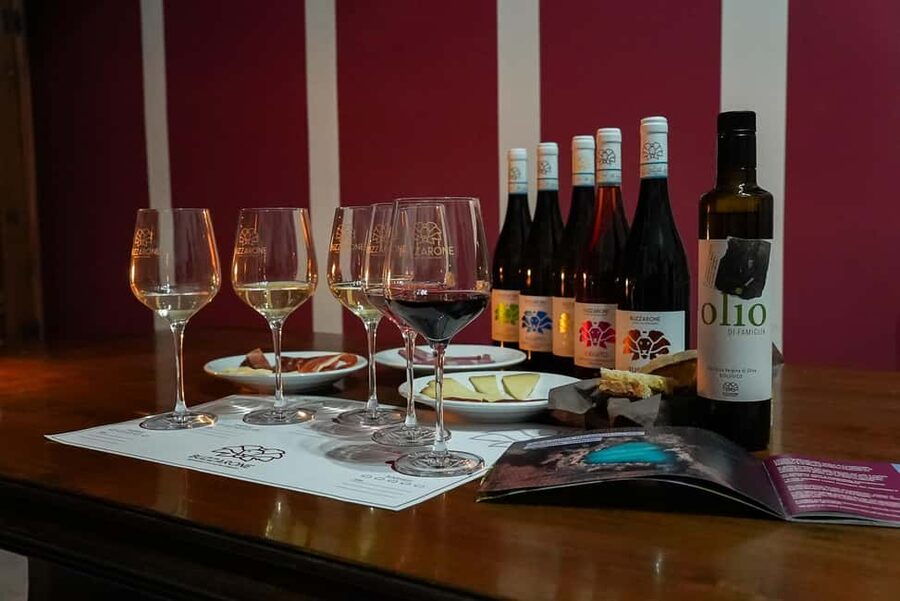
- Food pairings are a major part of the value: The tasting includes regional cheese, cured meats, pumpkin in oil, Ventricina, canestrato, homemade bread, and family olive oil.
- The vineyard walk depends on conditions: Rain or wet soil may keep you indoors, and boots are not automatically provided.
- Good for wine-curious visitors: The 150-minute format gives you time to connect each wine with a local product without requiring a full-day excursion.
- Languages and access: The experience is offered in Italian, English, and Spanish, and the activity is wheelchair accessible.
A family winery rooted in Castelferrato
Buzzarone presents Abruzzo through the work of one small family business. The central idea is preservation: keep the identity of the land, use traditional methods, and approach farming with a sustainable outlook. That sounds broad until you see how the visit connects grapes, olives, wine, oil, bread, cheese, and cured meats at the table.
This matters because the tasting is not built around wine alone. You learn how local food supports the character of each bottle. A glass of Trebbiano comes with cow’s milk ricotta from the Majelletta dairy in Guardiagrele. Montepulciano is paired with Ventricina del Vastese and pecorino canestrato from Castel del Monte. The result is closer to a guided regional meal than a quick sip at a counter.
The Ruggito line represents the family’s link to local tradition and culture. You will taste this line alongside products made by other small companies in Abruzzo. That wider network gives the visit more meaning than a simple look at one producer’s bottles.
More Food and Drink Experiences in Italy:
- Florence: Chianti Wineries Tour with Wine Tasting
★ 4.5 · 10,071 reviews - From Florence: Private Chianti Hills Tour with Tasting
★ 4.3 · 809 reviews - Lucca: Guided Winery Tour with Wine Tasting
★ 4.7 · 611 reviews
Starting with the vineyards and olive groves
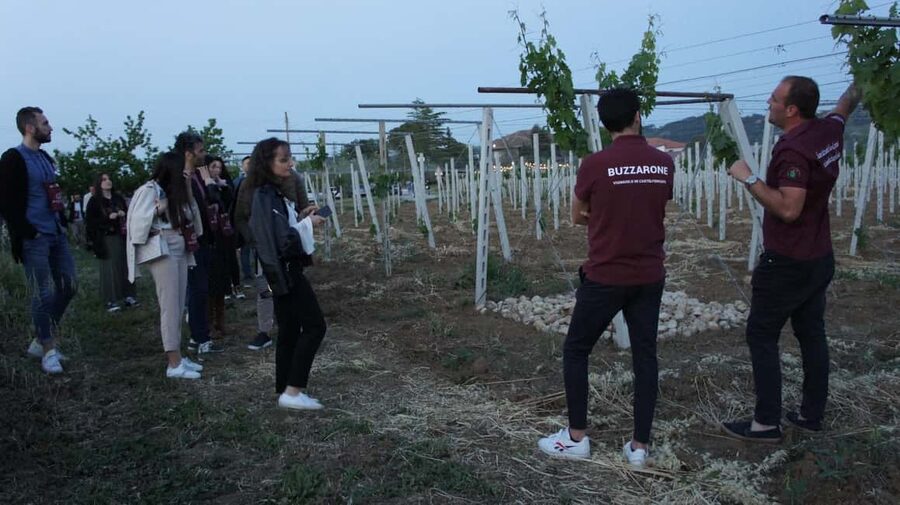
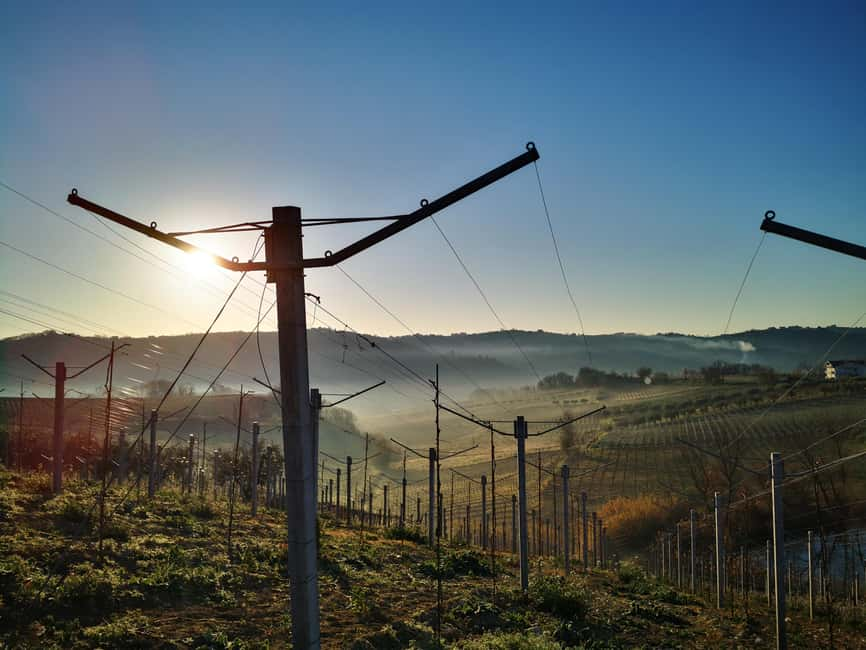
When conditions are suitable, the experience begins outdoors. You walk through the vineyard and olive grove, getting a basic sense of how the property is arranged and how the raw materials move from field to winery. The walk is described as an exploratory route through the territory, not a strenuous hike, so the appeal is in seeing the setting and production chain rather than covering distance.
I like this opening because it puts the tasting in context. Before you taste a wine, you have seen where the grapes grow. Before the family oil reaches the table, you have seen the olive trees that support another part of the business. This connection is especially useful if you are new to Abruzzo wines and want more than a list of grape names.
Still, you should plan for a flexible outdoor component. If the ground is wet, the vineyard walk may be canceled. In one case, muddy conditions prevented the walk, and boots were not supplied. If walking through the fields matters greatly to you, ask about ground conditions before setting out, and wear sturdy shoes when the forecast is uncertain.
The weather policy is practical, not dramatic. The rest of the visit can still continue with the winery, cellar, explanation of the family business, and tasting. You simply should not treat the field walk as guaranteed in poor weather.
Following the grapes into the winery
After the outdoor portion, you follow the path of the grapes into the winery and cellar. The guide explains the winemaking process and the story of the family and its founders. Since this is a small, active business, the cellar may look like a workplace rather than a staged attraction.
That is an advantage if you enjoy seeing production as it really happens. You might find working tools around the property, particularly during the active part of the year. This can make the visit feel more immediate, though anyone expecting a spotless, highly designed tasting room should adjust expectations.
The scale also shapes the conversation. A small winery can make the production process easier to understand because the operation is not presented as an enormous industrial system. You get a closer look at the family’s way of working and its effort to preserve local identity.
The tour does not promise a technical wine seminar, a vineyard harvest, or a demonstration of every cellar step. What you receive is a guided introduction to the winery’s methods, followed by a tasting that lets the wines do some of the explaining.
Five glasses that show Abruzzo’s range
The tasting centers on five wines from the Ruggito line and related Abruzzo designations. The sequence covers a useful spread of styles:
- Trebbiano d’Abruzzo DOC Terre di Chieti Superiore: Served with cow’s milk ricotta from the Majelletta dairy in Guardiagrele.
- Cococciola Abruzzo DOC Terre di Chieti Superiore: Matched with local prosciutto crudo.
- Pecorino Abruzzo DOC Terre di Chieti Superiore: Paired with cow’s milk caciotta from the same Guardiagrele dairy.
- Cerasuolo d’Abruzzo DOC Terre di Chieti Superiore: Served with donkey mortadella from Alessandro Pelini in Castel del Monte and local pumpkin in oil.
- Montepulciano d’Abruzzo DOC Superiore: Paired with Ventricina del Vastese from Ventricina e d’intorni in Roccaspinalveti and pecorino canestrato from Castel del Monte.
This is a strong lineup for anyone trying to understand Abruzzo’s grapes. Trebbiano, Cococciola, Pecorino, Cerasuolo, and Montepulciano are not random international selections. They show the region’s own wine vocabulary, which is one of the reasons this activity feels more specific than a standard Italian wine tasting.
You should expect modest tasting portions rather than five generous drinking glasses. The listed program includes one glass serving for each wine, but the amount may feel conservative if you are used to large winery pours. The food, however, gives the tasting more substance and helps make the $47 price easier to assess.
The best approach is to pay attention to the pairings. Notice how the wines work with creamy ricotta, salty prosciutto, mild caciotta, savory mortadella, pumpkin, spicy Ventricina, and aged pecorino. You are not simply tasting five bottles in a row. You are seeing how Abruzzo’s wines fit into everyday regional eating.
A few more vineyard days around Italy worth a look
- Tuscany Day Trip from Florence: Siena, San Gimignano, Pisa and Lunch at a Winery
★ 5.0 · 21,634 reviews - From Florence: Siena, San Gimignano, Pisa & Lunch at Winery
★ 4.8 · 4,538 reviews - Half day Chianti Vineyard Escape from Florence with Wine Tastings
★ 4.5 · 2,196 reviews - Tuscany Wine Tour: 2 Wineries & San Gimignano from Florence
★ 5.0 · 1,007 reviews
Why the food matters as much as the wine
The platter is one of the strongest parts of the experience. It includes homemade and typical Abruzzo products, with several items tied to named local producers. That detail matters because the meal gives you a wider picture of the region beyond the winery’s own products.
Homemade bread comes with the family’s olive oil. This may sound simple, but it is an important part of the visit: you taste the oil as a direct expression of the same family work represented by the vineyard. The pairing also gives you something substantial between wines.
The cheeses offer different textures and levels of intensity. Ricotta is soft and fresh, while caciotta is firmer and fuller. Pecorino canestrato brings a more pronounced sheep’s milk character, making it a natural partner for Montepulciano and the strong flavors of Ventricina.
The cured meats add another regional layer. Prosciutto crudo is familiar to many visitors, while donkey mortadella and Ventricina del Vastese make the spread more distinctive. Ventricina is identified with Slow Food, as is the pecorino canestrato from Castel del Monte. Those selections show an effort to present foods with a clear connection to Abruzzo rather than generic antipasti.
The portions are not described as a full lunch, so arrive ready for a substantial tasting rather than a replacement for a large meal. For most people, the combination of five wines, bread, cheese, meat, and preserved vegetables should feel satisfying. If you are booking mainly for the food, keep your expectations at tasting-platter level.
What the $47 price really buys you
At $47 per person, this experience offers reasonable value if you want a compact introduction to both wine and food in Abruzzo. You receive about two and a half hours of guiding, an outdoor property walk when conditions allow, a winery and cellar visit, five wine tastings, olive oil, bread, and a broad selection of regional products.
The price is strongest for visitors who would otherwise need to arrange several separate stops to taste native wines and local specialties. You get the winery’s own bottles, food from nearby dairies and delicatessens, and a family explanation of how the products fit together.
The value is less obvious if you are seeking large pours, a grand cellar, or a long formal vineyard tour. The winery is small, and the tasting quantities may feel limited to serious wine drinkers. You are paying for a personal, place-based experience rather than scale.
I would also factor in the weather. If the land is too wet, one of the most appealing parts of the experience disappears, though the indoor elements remain. Booking with that possibility in mind makes the price easier to judge fairly.
Timing, language, and practical comfort
The full activity lasts 150 minutes. That is long enough for a proper introduction without taking over your entire day. You can fit it into a schedule that includes other time in Abruzzo, though the exact starting time depends on availability.
Live guidance is offered in Italian, English, and Spanish. That makes the wine and food explanations more useful, especially when the names of grapes and regional specialties are unfamiliar. Some content may appear in its original language, so you may occasionally encounter Italian terminology on labels or products.
The activity is wheelchair accessible. The outdoor walk still depends on ground conditions, and wet soil may affect how much of the property you can reach. If access needs are important for your visit, it is sensible to confirm how the route will operate on the day, particularly after rain.
You can cancel up to 24 hours before the start for a full refund, and you can reserve now while paying later. Those terms are helpful when weather may affect the outdoor portion or when your Abruzzo schedule is still changing.
Who will enjoy this most
I would choose this visit if you want a regional wine experience with real food attached to it. It suits you especially well if you are curious about lesser-known Italian grapes, prefer small family businesses, or want to taste Abruzzo products that may be difficult to find outside the region.
It also works for mixed groups. A serious wine fan can compare five local varieties, while a partner or friend who cares more about food still has cheeses, cured meats, bread, oil, and traditional specialties to enjoy.
This is not the best choice if your priority is a grand estate, a large cellar, long vineyard photography session, or a highly polished presentation. It is also worth reconsidering if muddy ground would be a serious problem and the outdoor walk is essential to your plans.
Should you book Buzzarone in Castelferrato?
Book it if you want a small-scale Abruzzo experience that connects the land, the cellar, and the table. The five native wines are the main draw, but the local pairings make the visit feel complete. I particularly like that the food comes from named regional producers and that the family’s olive oil and bread are part of the tasting.
Go with realistic expectations about scale. The winery is small and may contain working tools, the pours may be modest, and the vineyard walk can be lost to wet weather. For $47, though, you get a well-focused two-and-a-half-hour introduction to Castelferrato’s wine and food culture, with enough variety to make the visit worthwhile.
FAQ
Where does the wine and food experience take place?
It takes place in Abruzzo, at the family-run Buzzarone winery in Castelferrato.
How long does the activity last?
The experience lasts about 150 minutes, or two and a half hours.
What wines will I taste?
The tasting includes Trebbiano d’Abruzzo, Cococciola, Pecorino, Cerasuolo d’Abruzzo, and Montepulciano d’Abruzzo.
Are the wines from local grape varieties?
Yes. The experience focuses on Abruzzo wines and includes native varieties such as Cococciola, Pecorino, Cerasuolo, and Montepulciano.
What food is served with the wines?
The tasting includes homemade bread, the family’s olive oil, cheeses, prosciutto crudo, donkey mortadella, Ventricina del Vastese, pumpkin in oil, and other typical Abruzzo products.
Will I visit the vineyards and olive groves?
The experience includes a walk through the vineyards and olive groves when conditions allow. Wet ground or bad weather can prevent the outdoor walk.
What happens if the weather is bad?
The land cannot be visited in bad weather or when the ground is too wet. The winery, cellar, winemaking explanation, and tasting remain the main indoor parts of the experience.
Which languages are available?
The live tour guide can provide the experience in Italian, English, or Spanish. Some content may appear in its original language.
Is the activity wheelchair accessible?
Yes, the activity is listed as wheelchair accessible.
Can I cancel or pay later?
You can cancel up to 24 hours in advance for a full refund. You can also reserve now and pay later.
Just added around Italy
- Vineyard Tour and Tasting of Lugana Wines★ 4.5 · 6 reviews
- Picnic and Lugana Tour at Perla del Garda winery★ 5.0 · 6 reviews
- Visit winery and vineyards, tasting 4 wines with 3 matching dishes★ 5.0 · 3 reviews
- Winery tours and tastings in Bolgheri with Wine Guide★ 5.0 · 16 reviews
- Guided tour of vineyards and winery with tasting 4 wines★ 4.5 · 12 reviews
- Private Chianti and SuperTuscan Tour 2 wineries with Light Lunch from Livorno★ 4.5 · 5 reviews
- Winery Tour & Tasting in Pisa Countryside★ 5.0 · 2 reviews
- San Gimignano and Winery Experience with Lunch from Livorno★ 5.0 · 3 reviews
Italy Vineyard Tours, compared.
Tuscany Day Trip from Florence: Siena, San Gimignano, Pisa and Lunch at a Winery
Read our review →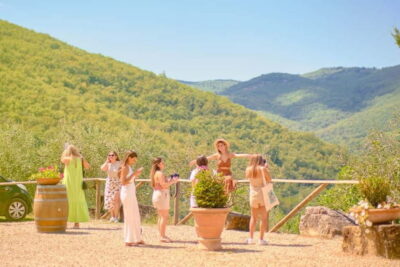
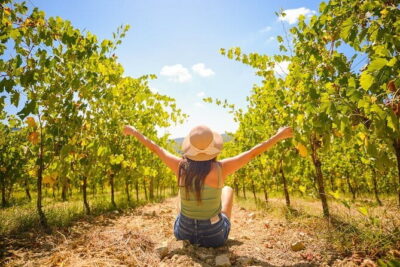
Half day Chianti Vineyard Escape from Florence with Wine Tastings
Read our review →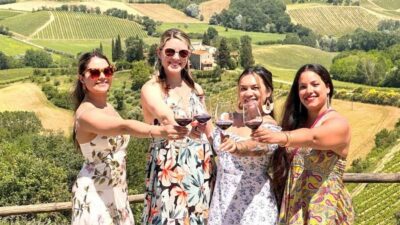
Tuscany Wine Tour: 2 Wineries & San Gimignano from Florence
Read our review →
Chianti Wineries Tour with Tuscan Lunch and San Gimignano
Read our review →
Private Self-Guided E-Bike Ride in Tuscany with Vineyard Visit
Read our review →