
REVIEW · ITALY
Chianti: Lunch with Wine Tasting at Poggio ai Laghi Winery
Poggio ai Laghi pairs a generous Tuscan lunch with five wines, olive oils, and balsamic vinegars in a softly lit stone dining room. The most distinctive touch is the story of Donna Ava and her seven handmaids, whose names and characters inspire the winery’s labels.
I like the way the tasting connects each pour to food instead of treating wine as a stand-alone sample. I also like the relaxed teaching style, especially when guides such as Andrea and Davi explain wine, olive oil, and vinegar in plain terms. The main consideration is that this is a tasting lunch, not a full vineyard or winery tour.
Key points to know
- Five wines are included: two sparkling wines and three reds, including Chianti Classico DOCG, Chianti Riserva DOCG, and a Supertuscan IGT.
- The food is substantial: Tuscan cured meats, pecorino, bruschetta, lasagna with meat ragù, and cantuccini with Vin Santo are part of the planned menu.
- The oils and vinegars are a real feature: taste classic, truffle, and chili oils, plus Modena balsamic and onion-flavored vinegar.
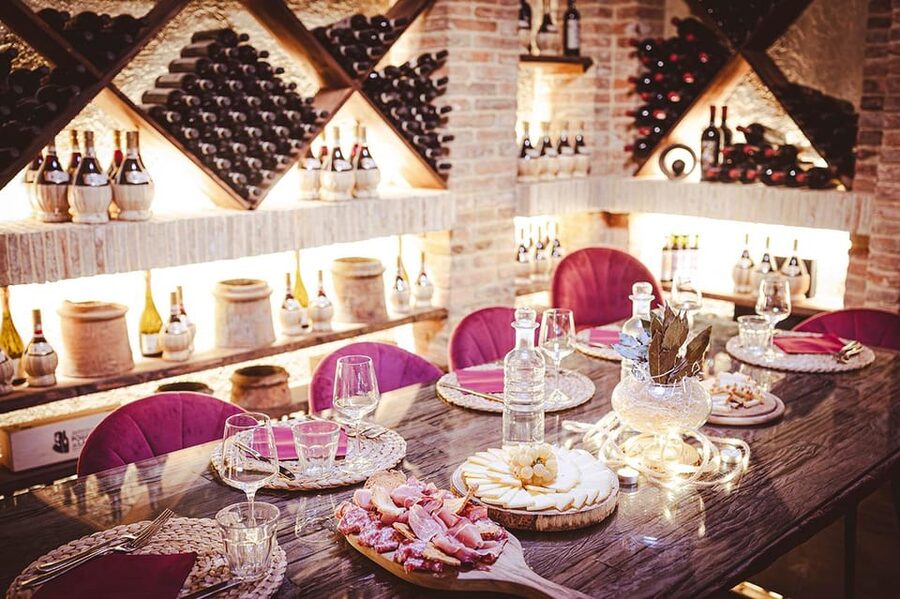
- The setting feels polished: stone walls, soft lighting, and artwork on the bottles give the lunch a special-occasion feel.
- The price is strong: at $41 per person, the meal, wine, and product tastings offer good value in Tuscany.
- The visit lasts two hours: that is enough time for a leisurely tasting, but not enough for a full estate visit.
A Tuscan lunch built around the bottle
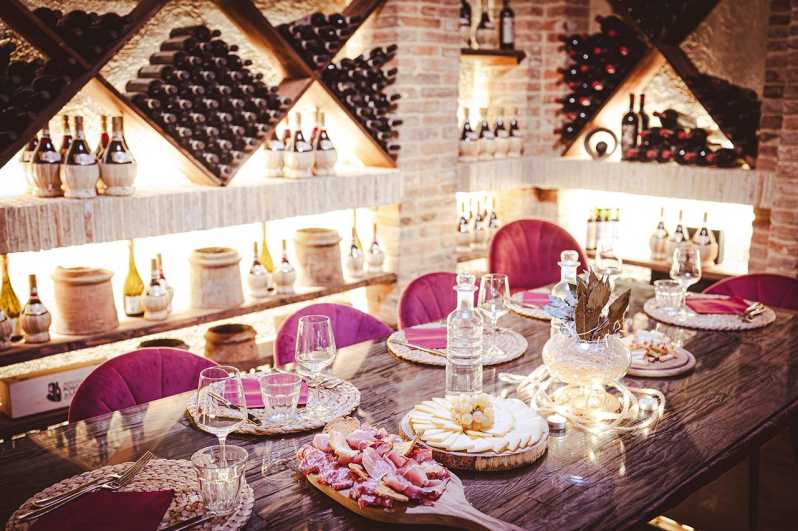
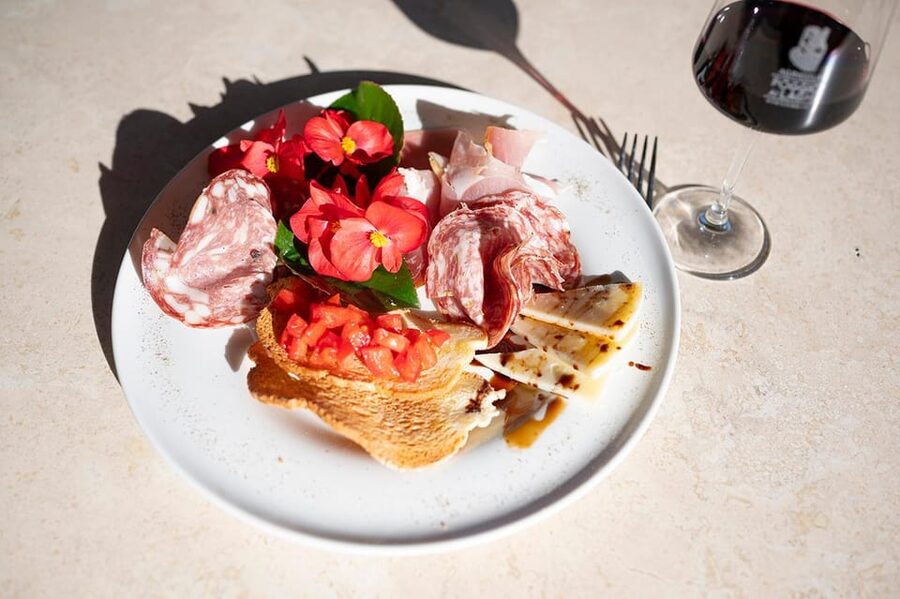
At Poggio ai Laghi, lunch is not simply a meal followed by a few samples. The food acts as a guide through the tasting. Salami, finocchiona, prosciutto, pecorino, tomato bruschetta, and toasted Tuscan bread give you different textures and flavors to try with the wines, oils, and vinegars.
That approach matters if you are new to wine tasting. You can notice how salt, fat, acidity, sweetness, and herbs change the way a wine tastes. You do not need to know the difference between Chianti Classico and a Supertuscan before arriving. The guide takes you through the basics as you eat.
The room also helps set the mood. The experience takes place among stone walls and soft lighting, with bottle artwork tied to the winery’s story. This is more refined than a quick roadside tasting, but it is still centered on food and conversation rather than ceremony.
You should expect a hosted tasting rather than a self-guided meal. The wine expert explains the wines, the production process, and the links between the labels and Tuscan culture. Andrea has been praised for his wine instruction, while Davi is especially good at explaining the wines, oils, and vinegars in detail. Guide language options are English, German, and Italian.
More Chianti Wine Tours from Italy:
- Florence: Chianti Wineries Tour with Wine Tasting
★ 4.5 · 10,071 reviews - Half day Chianti Vineyard Escape from Florence with Wine Tastings
★ 4.5 · 2,196 reviews - From Florence: Private Chianti Hills Tour with Tasting
★ 4.3 · 809 reviews
The Donna Ava story gives the wines a personality
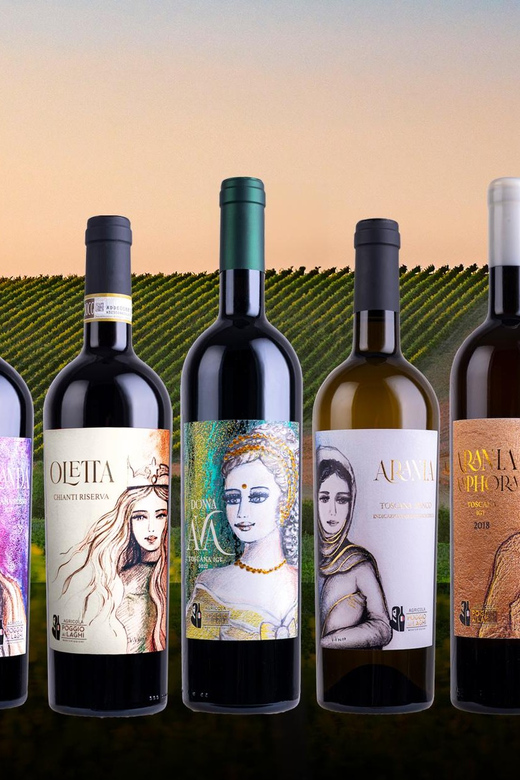
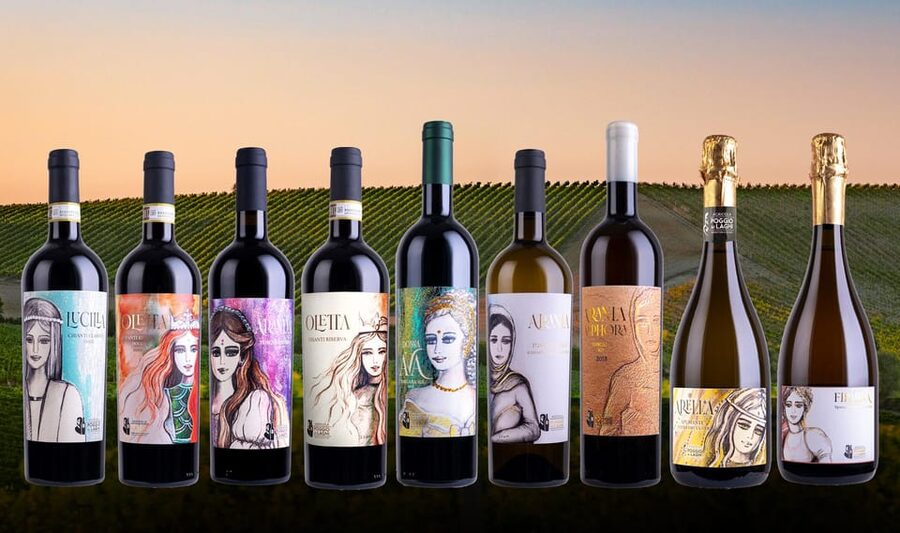
The winery’s labels draw on the legend of Donna Ava and her seven handmaids. Each woman represents qualities such as strength, grace, and harmony, giving the bottles a more personal identity than a standard list of grape names and production terms.
I like this part because it gives you something to remember after the tasting. Wine education can become a blur of regions, grapes, and aging terms. A story attached to the labels makes the experience easier to follow, especially if you are visiting several wineries in Tuscany.
The guide also explains the winemaking process from vineyard to bottle. You will hear about the work behind the labels and the care given to the oils and vinegars as well as the wines. The focus is not only on drinking. It is on how these products fit into a Tuscan table.
Do keep your expectations clear. The standard experience does not include an estate, vineyard, or winery tour. The stated program is the lunch and tasting in the dining setting. One family received a trip around the vineyard, but that should not be assumed as part of every booking.
Five wines, from sparkling aperitif to Tuscan reds
The wine selection begins with two sparkling wines:
- Arella, Spumante Cuvée Extra Dry
- Firmina, Spumante Rosé Extra Dry
These give the tasting a light opening before the reds arrive. An extra-dry sparkling wine can work well with cured meats and salty cheeses, while the rosé brings a fruitier color and style to the table.
The three red wines are:
- Lucilla, Chianti Classico DOCG
- Oletta, Chianti Riserva DOCG
- Aranda, Supertuscan IGT
Chianti Classico gives you a taste of the best-known local category in the lineup. The Riserva offers a more mature expression within the Chianti family, while the Supertuscan gives the guide a chance to explain a broader Tuscan style outside the traditional DOCG framework.
You are not expected to judge the wines like a professional. Swirl, smell, taste, and compare. Try each wine with the food in front of you. A slice of finocchiona may make a red taste softer, while pecorino can bring out a wine’s fruit or acidity.
The tasting includes five wines, but the amount poured and the order of service can vary. Several people found the hospitality generous, with more wine and food than expected. That is pleasant, but pace yourself. Five wines alongside lunch can catch up with you, especially if you arrive after a morning of sightseeing.
The lunch: cured meats, lasagna, and dessert wine
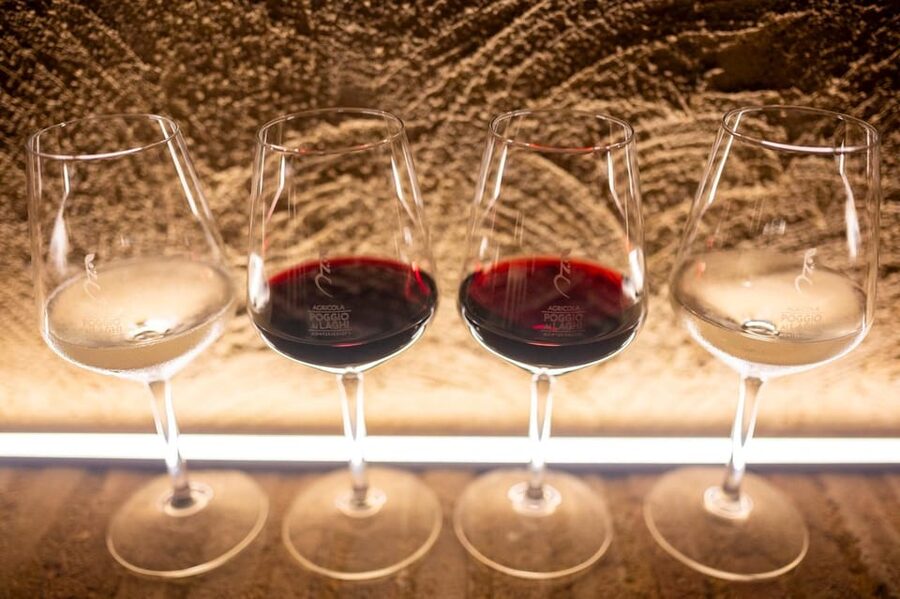
The opening platter is classic Tuscan fare. You get salame toscano, finocchiona, Tuscan prosciutto crudo, pecorino, fresh tomato and basil bruschetta, and a crisp toasted bread wafer served with extra virgin olive oil.
This is a useful first course for tasting because it offers variety without being fussy. The cured meats bring salt and spice. The pecorino adds firmness and dairy richness. The tomato and basil provide freshness, while the bread and oil give you a simple way to judge the olive oil on its own.
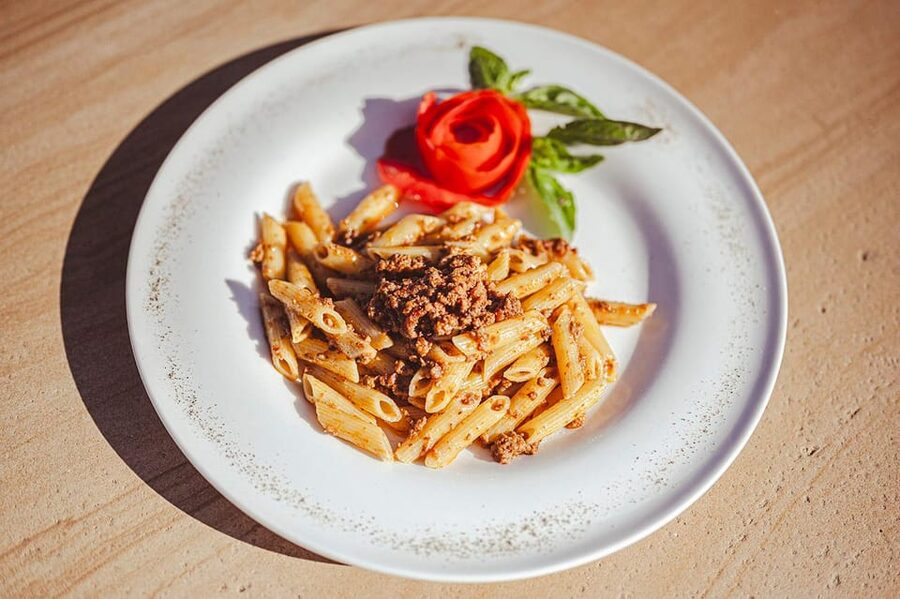
The planned first course is lasagna with Tuscan meat ragù. It is a hearty middle dish, and it makes sense with the Chianti wines. The tomato and meat sauce give the reds something substantial to meet, while the pasta keeps the meal firmly rooted in the food traditions of central Italy.
The listed dessert is cantuccini with Vin Santo. The dry, crunchy biscuits are traditionally made for dipping, and the sweet dessert wine changes the pace of the meal. It is a small but important Tuscan finish, since dessert wine shows another side of the region’s drinking culture.
There is one point to clarify: the menu can differ from the published description. One meal included veal tenderloin with green beans and roasted potatoes in addition to pasta. You might receive a different main course depending on the day, so treat the listed menu as the planned offering rather than an absolute guarantee.
A few more vineyard days around Italy worth a look
- Tuscany Day Trip from Florence: Siena, San Gimignano, Pisa and Lunch at a Winery
★ 5.0 · 21,634 reviews - From Florence: Siena, San Gimignano, Pisa & Lunch at Winery
★ 4.8 · 4,538 reviews - Chianti Wineries Tour with Tuscan Lunch and San Gimignano
★ 5.0 · 793 reviews - Modena: Balsamic Lunch with Vinegar Cellar Tour and Tasting
★ 5.0 · 395 reviews
Do not overlook the oils and vinegars
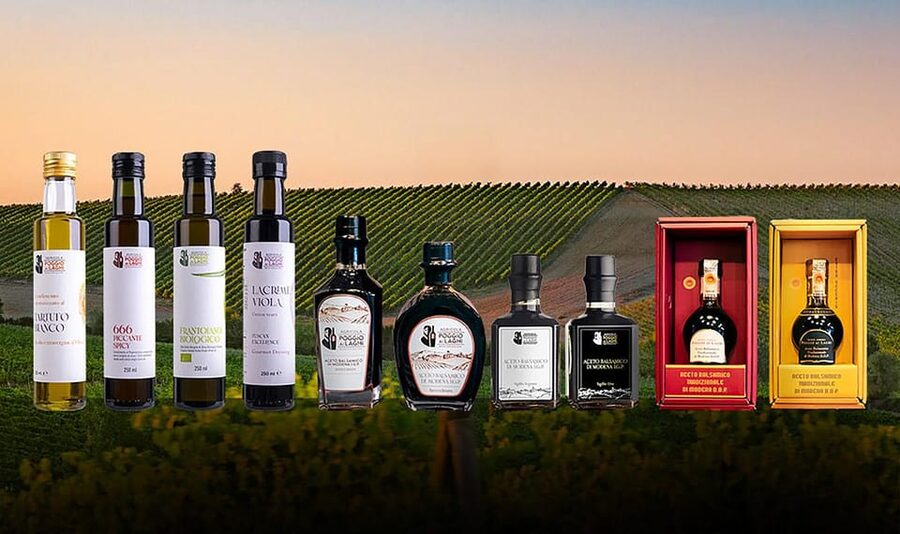
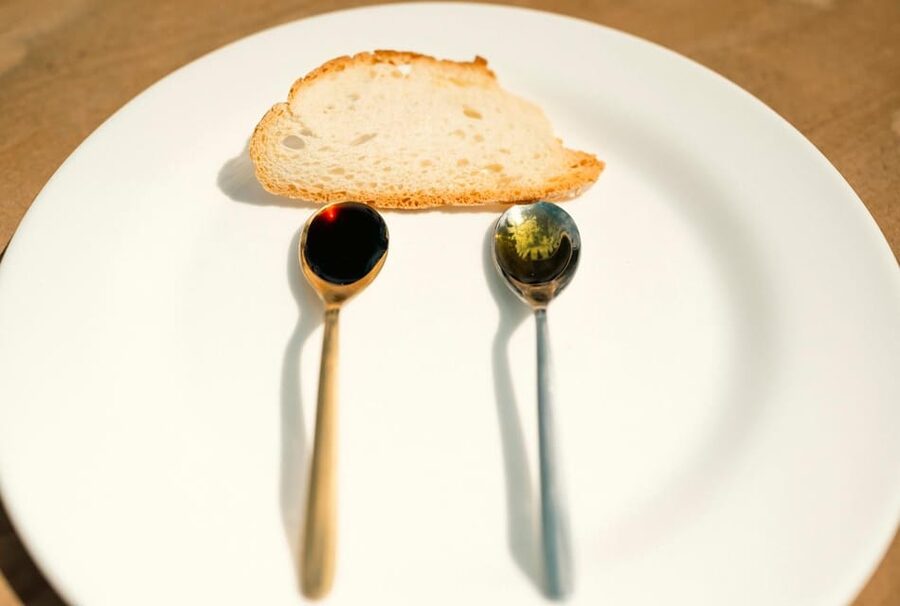
For many people, the olive oil and balsamic tasting becomes the surprise favorite. The selection includes classic extra virgin olive oil, white truffle olive oil, and chili pepper olive oil.
The classic oil is the useful baseline. Taste it on toasted bread, then compare it with the truffle version. The truffle oil brings a stronger savory aroma, while the chili oil adds heat. These are not just decorative products on the table. They show how a basic Tuscan ingredient can change the character of bread, pasta, meat, or vegetables.
The vinegars include Balsamic Vinegar of Modena IGP Selezione Oro and Lacrime Viola, an onion-flavored vinegar described as a Tuscan specialty. This part gives you a chance to compare sweetness, acidity, and savory flavor in small quantities.
If you enjoy cooking, this is the section most likely to affect what you buy afterward. Several people ordered oils or vinegar to take home, and the products are easier to use in your own kitchen than a bottle of wine that may not travel well. Ask the guide how each product is best used before you decide.
What the two-hour format means
Two hours is a comfortable length for lunch and tasting. You have time to hear the story, taste the wines, eat several courses, and ask questions without turning the visit into an all-day commitment.
The short format also makes this easy to add to a day in Chianti. You can plan it as a midday stop rather than giving up an entire afternoon. If your schedule is tight, this is a practical way to include a winery experience without signing up for transport, a long tour, and several estate visits.
The tradeoff is depth. You will learn about the wines and production, but you will not receive the full behind-the-scenes experience of walking through the estate, vineyards, and winery. If your main goal is agricultural detail or cellar access, you may want a different type of visit.
The atmosphere is polished and unhurried. Some people stayed longer than two hours because the staff did not rush them out, but you should not count on extra time if another seating follows. The official duration remains two hours.
Is $41 good value?
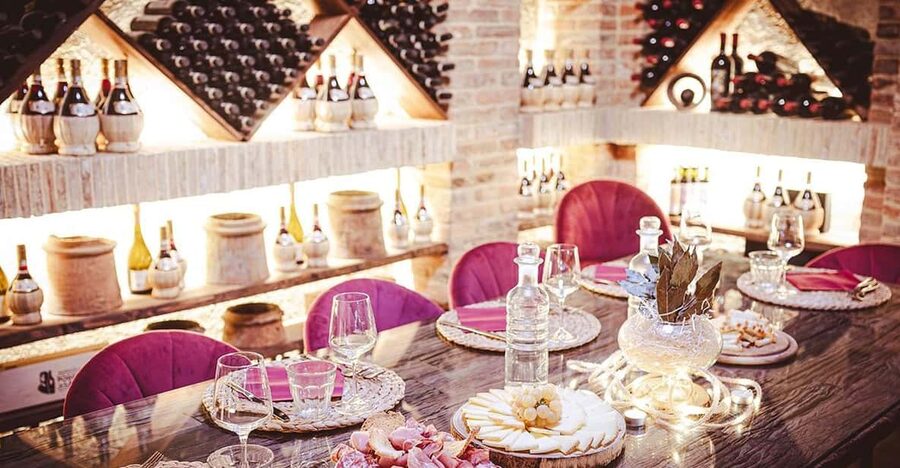
At $41 per person, this is a strong value for Tuscany if you want food with your wine. You are paying for a guided tasting of five wines, three olive oils, two vinegars, a substantial Tuscan meal, and a hosted presentation in a dedicated dining room.
A simple winery tasting may cost less, but it may not include a full lunch. A restaurant meal with several wines can easily reach or exceed this price, especially in a well-known wine region. Here, you get both the educational part and the meal in one booking.
The value is best for someone who will actually taste the products thoughtfully. If you only want a scenic lunch and are not interested in wine, oil, or vinegar, the experience may feel longer than necessary. The format asks you to pay attention, compare flavors, and listen to the guide.
You also need to arrange your own transport. Pick-up and drop-off are not included, so build the cost and time of reaching Poggio ai Laghi into your plan. Do not assume a winery lunch automatically includes transportation from Florence or another Tuscan base.
Who will enjoy this most?
I would recommend this to couples, families, food-focused visitors, and first-time wine tasters. The meal gives non-drinkers and beginners something to enjoy, while the guide’s explanations add enough substance for people who want to learn more.
Families can make it work, though the polished setting and wine-centered pace may not thrill every teenager. One parent found the elegant atmosphere slightly uncomfortable for a teenage son, but still considered the meal and tasting worthwhile.
It is also a good fit for wheelchair users because the experience is wheelchair accessible. The available guide languages are English, German, and Italian, which helps if you want more than a basic tasting explanation.
I would be less likely to choose it if your priority is a long vineyard walk, a cellar tour, or a highly technical wine seminar. None of those is part of the standard program.
A few practical tips before you book
Check the available start time before committing, since the exact schedule can vary. A midday slot works best if you want the lunch to serve as your main meal rather than an extra course between restaurant stops.
Come hungry, but do not arrive expecting only a small plate of samples. The cured meats, cheese, pasta, and dessert make this a proper lunch. Wear something comfortable enough for a two-hour seated meal, especially if you plan to continue sightseeing afterward.
If you are driving, take the tasting seriously and plan carefully. The experience includes five wines, and the amount served may feel generous. A designated driver or another transport plan is the sensible choice.
Ask about shipping if you like the oils, vinegar, or wine. The products are a major part of the experience, and ordering them for home delivery may be easier than packing bottles in your luggage.
Cancellation is flexible: you can cancel up to 24 hours in advance for a full refund, and you can reserve now and pay later. That is useful when your Tuscany schedule is still moving around.
Should you book Poggio ai Laghi?
Book it if you want a two-hour Tuscan food and wine experience with a proper lunch, a comfortable setting, and a guide who explains more than just what is in your glass. The oils and vinegars add variety, and the Donna Ava story gives the tasting a memorable thread.
The strongest reason to choose it is the combination of quantity and price. Five wines, a broad appetizer plate, lasagna, dessert, oil tasting, vinegar tasting, and a live guide for $41 is hard to dismiss.
Skip it if your dream winery visit means walking through vineyards, touring production rooms, or spending half a day on the estate. For everyone else, especially anyone who wants an easy introduction to Chianti’s food and wine culture, Poggio ai Laghi makes a sensible and enjoyable stop.
FAQ
How long does the Poggio ai Laghi lunch and wine tasting last?
The experience lasts two hours. Starting times vary, so check availability when booking.
How much does the experience cost?
The price is $41 per person.
Which wines are included?
The tasting includes two sparkling wines, Arella Spumante Cuvée Extra Dry and Firmina Spumante Rosé Extra Dry, plus three reds: Lucilla Chianti Classico DOCG, Oletta Chianti Riserva DOCG, and Aranda Supertuscan IGT.
What food is included?
The planned meal includes Tuscan cured meats, finocchiona, prosciutto, pecorino, tomato and basil bruschetta, toasted Tuscan bread with extra virgin olive oil, lasagna with Tuscan meat ragù, and cantuccini with Vin Santo.
Are olive oil and balsamic vinegar tastings included?
Yes. You taste classic extra virgin olive oil, white truffle olive oil, chili pepper olive oil, Modena balsamic vinegar, and onion-flavored Lacrime Viola vinegar.
Is transportation included?
No. Pick-up and drop-off are not included.
Is a vineyard or winery tour included?
No. The standard experience includes the lunch and tastings but does not include an estate, vineyard, or winery tour.
Is the experience wheelchair accessible?
Yes, the experience is wheelchair accessible. Live guidance is available in English, German, and Italian.
More Food and Drink Experiences in Italy
- Lucca: Guided Winery Tour with Wine Tasting
★ 4.7 · 611 reviews - Montepulciano: Wine Tasting and Cellar Tour
★ 4.8 · 545 reviews - Olbia: Gallura Winery Guided Tour with Tasting
★ 4.7 · 451 reviews - Private 6-Hour Tour of Three Etna Wineries with food&wine tasting
★ 5.0 · 417 reviews
Just added around Italy
- Vineyard Tour and Tasting of Lugana Wines★ 4.5 · 6 reviews
- Visit winery and vineyards, tasting 4 wines with 3 matching dishes★ 5.0 · 3 reviews
- Picnic and Lugana Tour at Perla del Garda winery★ 5.0 · 6 reviews
- Winery tours and tastings in Bolgheri with Wine Guide★ 5.0 · 16 reviews
- Guided tour of vineyards and winery with tasting 4 wines★ 4.5 · 12 reviews
- Private Chianti and SuperTuscan Tour 2 wineries with Light Lunch from Livorno★ 4.5 · 5 reviews
- Winery Tour & Tasting in Pisa Countryside★ 5.0 · 2 reviews
- San Gimignano and Winery Experience with Lunch from Livorno★ 5.0 · 3 reviews
Italy Vineyard Tours, compared.
Tuscany Day Trip from Florence: Siena, San Gimignano, Pisa and Lunch at a Winery
Read our review →

Half day Chianti Vineyard Escape from Florence with Wine Tastings
Read our review →
Tuscany Wine Tour: 2 Wineries & San Gimignano from Florence
Read our review →
Chianti Wineries Tour with Tuscan Lunch and San Gimignano
Read our review →
Private Self-Guided E-Bike Ride in Tuscany with Vineyard Visit
Read our review →
Browse the lists this tour appears in