
REVIEW · MILAN
Wine Tasting Experience – Urban Cellar
Milan is not the first Italian city you think of for wine production, which is exactly what makes Cantina Urbana interesting. In this working city cellar, you see wine made with steel tanks, amphorae, and barriques, then taste the results at the source.
I like the small group limit of 10 and the friendly, easygoing teaching style. I also like the food board, which gives the tasting real substance rather than leaving you with four sips and an empty stomach. The main consideration is value: at $60.01, this is a good introduction to urban winemaking, but not the biggest wine pour or longest cellar tour for the price.
Key things to know before booking
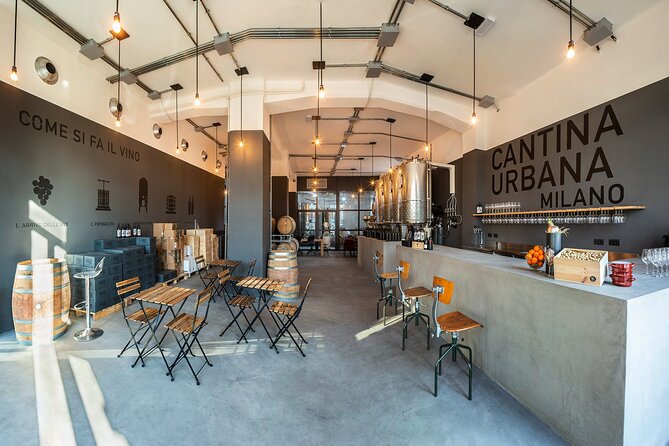
- Milan-made wine in a working city cellar: You see how production happens far from the classic vineyard setting.
- Four wines are clearly described in the activity: The inclusions also mention six wines, so confirm the exact number when booking.
- Steel, amphora, and barrique all feature: The visit connects winemaking equipment with taste and aging.
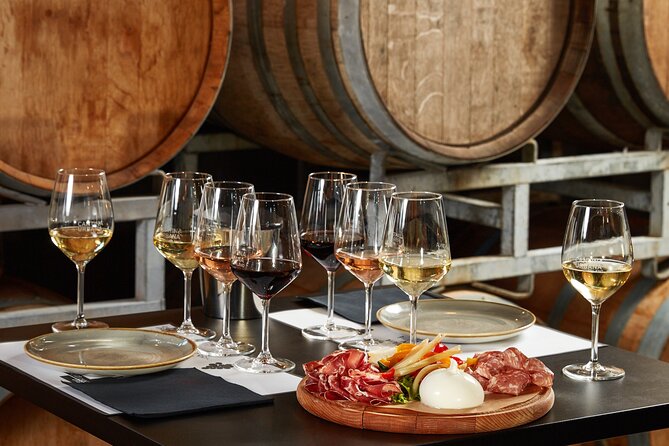
- A board of cured meats and cheeses is included: The food is one of the strongest parts of the experience.
- Small groups keep the format personal: A maximum of 10 people makes questions easier.
- Plan on about 90 minutes: The experience begins and ends at Via Ascanio Sforza, 87.
Why an urban winery makes sense in Milan
Cantina Urbana gives you a look at wine outside the usual Tuscan hill or Piedmont village setting. The grapes may come from elsewhere, but the making, aging, and tasting happen inside Milan. That idea is central to the visit, not just a backdrop for a few glasses.
You start in the production area. This is where the experience earns its keep. Instead of hearing only broad statements about Italian wine, you can see the vessels used in the cellar and learn how each one affects the finished bottle.
Steel tanks are familiar to anyone who has seen a modern winery. They offer a clean, controlled setting for fermentation and storage. Amphorae bring a more traditional approach, while barriques add the role of oak and aging. The point is not simply to identify three containers. It is to understand why a winemaker chooses one vessel over another.
That makes the tour useful even if you already know your way around a wine list. You get a practical explanation of production choices, then a chance to connect those choices with what is in your glass.
More Wine Cellar Visits in Italy
- Montepulciano: Wine Tasting and Cellar Tour
★ 4.8 · 545 reviews - Modena: Balsamic Lunch with Vinegar Cellar Tour and Tasting
★ 5.0 · 395 reviews - Tasting Tour in One of The Most Beautiful Cellars in the World
★ 5.0 · 278 reviews
What happens during the 90-minute visit
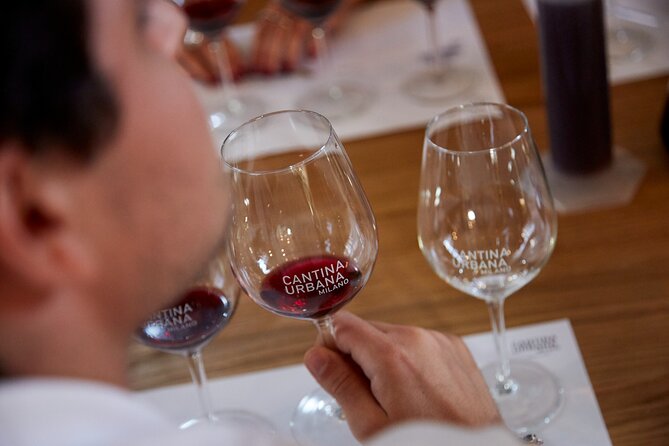
The experience is built in three parts: a production-area visit, an explanation of the cellar’s winemaking concept, and a tasting with food.
The tour begins at Via Ascanio Sforza, 87, in Milan. You return to the same place at the end, so there is no need to coordinate a second pickup point. The location is near public transportation, which helps if you are staying outside the city center.
The production visit is not presented as a grand estate tour. It is a compact look at an active urban facility. That distinction matters. You are coming for access to the making of the wine, not for acres of vines or a long walk through rural scenery.
Expect the cellar portion to explain the daily work behind the bottles. The stated experience lasts about 90 minutes, while one detailed account found the guided portion closer to 30 minutes before the tasting. I would plan for the full 90-minute window, but understand that the balance may lean toward conversation and tasting rather than an extended technical tour.
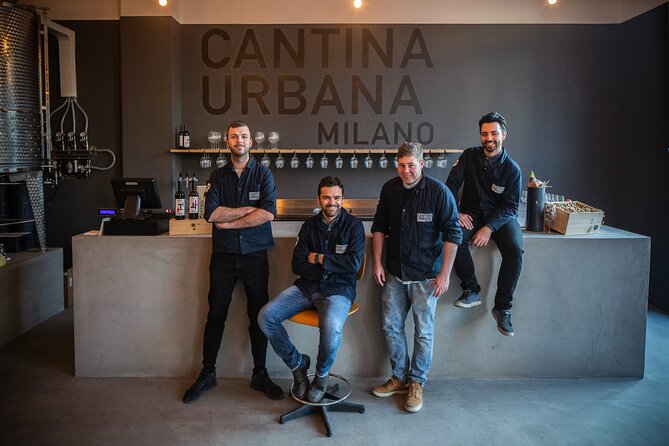
The group size is capped at 10. I prefer that limit for a cellar visit because you can usually hear the guide and ask questions without turning the session into a lecture. If Mai is leading the experience, you can expect a warm and personable style. Another host may lead your session, but the format is designed for questions and discussion.
Steel tanks, amphorae, and barriques
The equipment is the most distinctive part of the visit. Many city wine tastings offer a glass and a short explanation. Here, you get a chance to see the vessels used to make and age the wines.
The steel tanks represent precision and control. They are a useful starting point because most people can quickly grasp their clean, modern role in production. From there, the amphora and barrique introduce two different directions.
Amphorae connect the cellar with older winemaking methods. Their shape and material can influence how a wine develops, and they give the cellar a different feel from a purely modern operation. Barriques bring oak aging into the discussion. You can ask how time in wood changes aroma, texture, and the final balance of a wine.
The value is in seeing these choices together. You are not just told that the wines are unusual. You are shown the practical reasons they may taste different from more familiar Italian wines.
One useful question to ask is how the same grape or style changes from one vessel to another. The experience is specifically designed around the idea that wines made in the city can be related to, yet different from, standard Italian examples. The more curious you are, the more you can get from the explanation.
Four glasses, or possibly six
The main tasting is described as four different wines. You can expect small pours rather than full restaurant glasses, with each wine introduced as part of the cellar’s production story.
There is a detail worth checking before you pay. The included items also refer to an alcoholic beverage tasting of six wines, while the main description says four and the clearest tasting account describes four glasses. Since the information does not match, ask Cantina Urbana to confirm the current number of pours. I would make my decision on the four-wine expectation and treat anything beyond that as a bonus.
Four wines can be enough for a focused introduction. It gives you room to compare styles without turning the session into a long drinking event. It also suits a 90-minute visit in Milan, especially if you have dinner plans later.
The drawback is quantity. One account describes the pours as small, and the experience is not designed for someone seeking a full afternoon of generous servings. If your main goal is to sample as much wine as possible, you may find better value at a larger regional winery. If your goal is to understand a city-based cellar and taste a representative set, the format makes sense.
The staff are described as friendly and open to questions. That matters more here than formal tasting language. You can ask about the production process, the difference between the vessels, or what makes these wines unlike more familiar Italian bottles.
Same wine country, a different day out:
- Tuscany Day Trip from Florence: Siena, San Gimignano, Pisa and Lunch at a Winery
★ 5.0 · 21,634 reviews - Florence: Chianti Wineries Tour with Wine Tasting
★ 4.5 · 10,071 reviews - From Florence: Siena, San Gimignano, Pisa & Lunch at Winery
★ 4.8 · 4,538 reviews - Half day Chianti Vineyard Escape from Florence with Wine Tastings
★ 4.5 · 2,196 reviews
The food board is more than a garnish
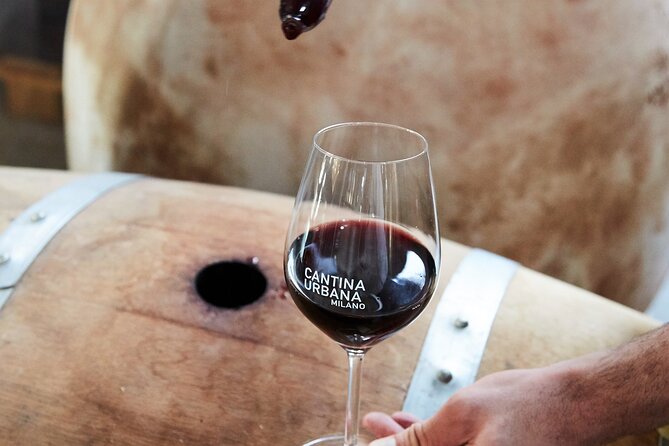
The pairing includes a cutting board with cured meats and cheeses, described as typical products. Bottled water is also included.
I like this part of the format because wine tasting is easier when there is something substantial to eat. The food gives you a chance to notice how salt, fat, and texture affect the wines. It also makes the experience feel closer to an Italian aperitivo than a classroom exercise.
The food has been singled out as a highlight, and that is believable from the format itself. A good board can turn four small pours into a relaxed afternoon, especially if you arrive hungry. You should not expect a full meal, but it is more useful than a few crackers placed beside the glasses.
The pairing also helps if people in your group have different levels of wine interest. A serious wine drinker can focus on the production methods, while someone less invested in fermentation and aging can enjoy the food, setting, and social side of the visit.
A relaxed stop away from central Milan
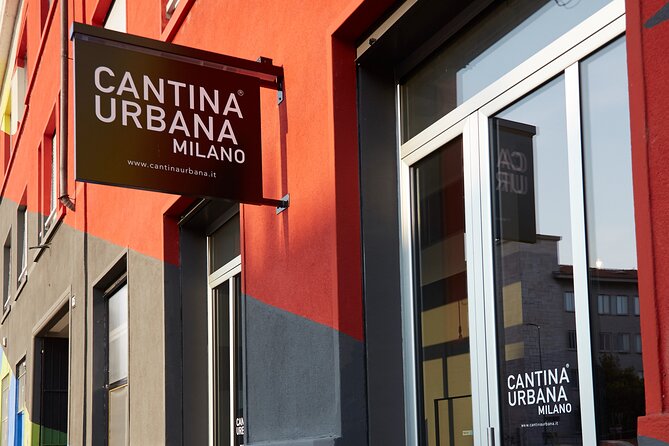
Cantina Urbana is on Via Ascanio Sforza, 87, in Milan. The experience begins and ends there, and the site is near public transportation. The practical lesson is simple: allow time to get to this part of the city and do not schedule a major attraction immediately afterward.
The venue can work well as a change of pace from central Milan. One account describes arriving early for drinks, staying after the tasting, and buying bottles. The supplied details do not promise that early arrival, extra drinks, or bottle purchases are always available, so you should treat those as possibilities rather than guaranteed parts of the booking.
Still, the setting appears suited to lingering. If you have a free afternoon or evening, this can become more than a quick appointment. Check whether the cellar is serving before or after your scheduled time if you want to extend the visit.
The experience is offered in English. That makes it practical for international visitors who want a clear explanation of the winemaking process rather than a tasting conducted mainly in Italian.
What the price includes at $60.01
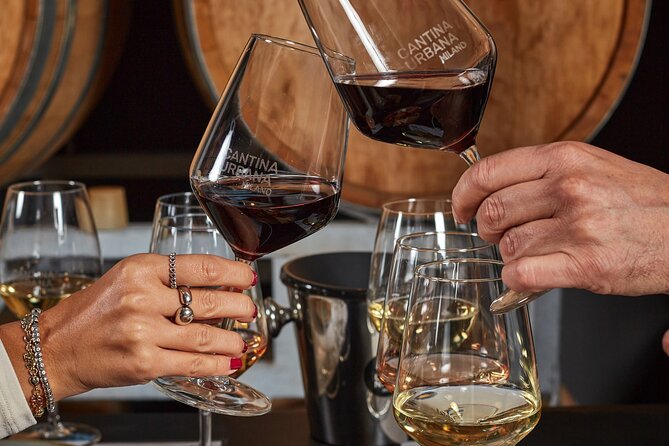
At $60.01 per person, the price is not cheap for four small pours. It becomes easier to justify when you count the production visit, the explanation of three vessel types, the food board, bottled water, and the small group setting.
I would compare it with what you want from a wine tour. A traditional countryside visit may give you vineyard views, a longer cellar walk, and more wine. Cantina Urbana gives you something those visits cannot: a look at wine made within Milan itself, with the city setting forming part of the story.
The food helps the value. So does the chance to ask questions in a group of no more than 10. If you are curious about how wine can be produced in an urban space, the unusual concept may be worth paying for even though the quantity is modest.
If your priority is volume, this is less convincing. One detailed assessment compared it unfavorably with wine experiences in Florence, Lisbon, Bordeaux, and Barcelona for the amount and quality of wine offered. That is a fair warning. You should book this for the concept, explanation, and atmosphere, not simply to maximize the number of glasses.
Who will enjoy this experience most
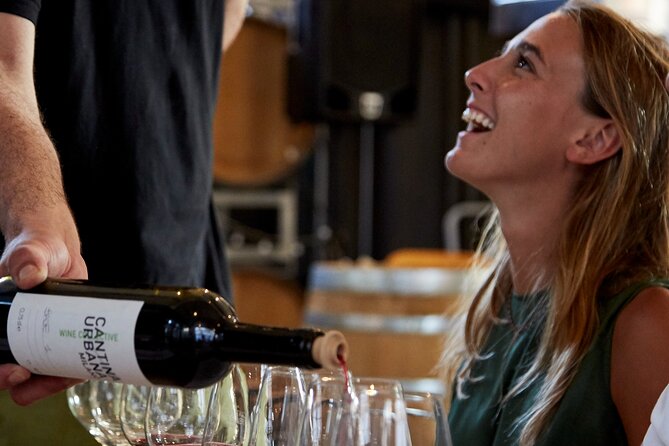
I would choose this for a first-time wine visitor who wants a friendly introduction without committing to a full-day excursion. The session is short enough to fit into a Milan itinerary, and the food makes it approachable.
It also suits someone who has already visited famous wine regions and wants a different angle. You will not get a rural vineyard setting, but you will see how a city winery works and how different vessels shape production.
Couples, small groups of friends, and solo visitors can all fit the format. The maximum of 10 keeps it from feeling like a large bus tour. Most people can participate, and service animals are allowed.
I would be more cautious if you are a serious collector looking for rare bottles, a long technical cellar tour, or extensive tastings. The supplied details do not promise those things. The experience is best understood as a compact urban wine lesson with food.
Practical details that matter
Confirmation is provided at booking, and you can use a mobile ticket. The activity is offered in English and returns to its starting point.
Free cancellation is available if you cancel at least 24 hours before the start time. Cancellations or changes made inside that window are not accepted for a refund, and the cut-off follows Milan’s local time.
The booking is made through Cantina Urbana. Since the tasting count is described inconsistently, I would confirm whether your session includes four or six wines before finalizing plans. That is the one practical detail most worth checking.
Should you book Cantina Urbana?
Book it if you want a compact, personal look at Milan-made wine, enjoy asking questions, and value the combination of cellar access with cured meats and cheeses. It is a smart choice for an afternoon away from the busiest central sights.
Think twice if you want a large tasting, generous pours, vineyard scenery, or a long technical tour. At $60.01, the experience depends on your interest in the urban winery concept. For the right person, that concept, plus the friendly staff and solid food board, makes the price reasonable. For a wine hunter focused only on quantity, it may feel average.
FAQ
Where does the wine tasting take place?
The experience takes place at Cantina Urbana, at Via Ascanio Sforza, 87, 20141 Milan, Italy.
How long does the experience last?
The stated duration is approximately 1 hour and 30 minutes.
Where does the activity end?
It ends back at the meeting point on Via Ascanio Sforza, 87.
How many wines are included?
The main description says four different wines. The inclusion details also mention six wines, so you should confirm the current number with Cantina Urbana before booking.
Is food included?
Yes. The experience includes a cutting board with cured meats and cheeses, described as typical products. Bottled water is also included.
Is the activity offered in English?
Yes. The experience is offered in English.
How large is the group?
The activity has a maximum of 10 travelers.
Is the cellar near public transportation?
Yes. The meeting point is near public transportation.
What is the cancellation policy?
You can cancel at least 24 hours before the experience starts for a full refund. Cancellations or changes made less than 24 hours before the start time are not accepted for a refund.
More Food and Drink Experiences in Italy
- Florence: Chianti Wineries Tour with Wine Tasting
★ 4.5 · 10,071 reviews - From Florence: Private Chianti Hills Tour with Tasting
★ 4.3 · 809 reviews - Lucca: Guided Winery Tour with Wine Tasting
★ 4.7 · 611 reviews - Olbia: Gallura Winery Guided Tour with Tasting
★ 4.7 · 451 reviews
Just added around Italy
- Primitivo and Negroamaro wine tour: a visit to two wineries and typical lunch. From Lecce★ 5.0 · 19 reviews
- Visit to a Winery in Salento with Wine tasting and light lunch. From Lecce★ 4.5 · 10 reviews
- Discover the best cellars of Salento★ 5.0 · 30 reviews
- Full Day Tour to Gallipoli, Galatina, Coast, Beaches and Winery★ 5.0 · 39 reviews
- “Between Langhe and Monferrato” – Wine Tasting and Cellar Visit★ 5.0 · 86 reviews
- Visit among vineyards and wine cellar with wine tasting in Nizza Monferrato★ 5.0 · 10 reviews
- Barolo Tasting and Vineyard Tour and Winery Visit★ 4.5 · 2 reviews
- Guided Walk and Lunch in the Vineyard in Alba★ 4.5 · 2 reviews
Milan Vineyard Tours, compared.
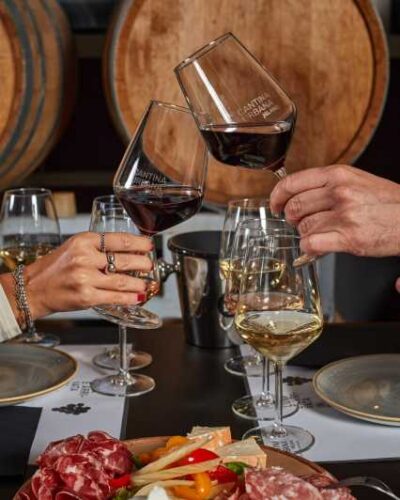
Milan Urban Winery: Taste & Tour at Cantina Urbana
Read our review →
Lake Iseo & Franciacorta Winery. Scenic & Wine Tasting tour
Read our review →
From Milan: Langhe Wine Region Day Trip with Barolo Tasting
Read our review →
Winter Games Vineyards Milan’s Perfect Wine Tasting
Read our review →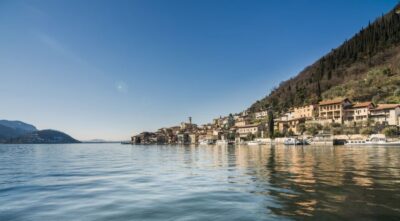
From Milan: Full Day in Franciacorta. 2 Wineries & Lunch
Read our review →Browse the lists this tour appears in