
REVIEW · LISBON
Tile painting experience and visit Azeitão wine cellar
The most unusual part of this Lisbon outing is the switch from looking at Portuguese tiles to making one yourself. You learn the basic painting techniques behind the colorful tiles found across the city, then visit an Azeitão wine cellar where Periquita and old Setúbal Moscatel rest in oak casks.
I like the hands-on tile class, since it gives you a better eye for the work you see on Lisbon buildings. I also like the three-cellar visit, especially Adega da Mata, where Periquita matures, and Teares Velhos, home to some of the oldest Moscatels.
The main consideration is the price, $145.12 per person, which is a serious spend for four hours. Lunch, snacks, taxes, and delivery of your finished tile are not included, but the small group, private transport, wine tasting, and two different activities make the cost easier to justify.
Key points to know before booking
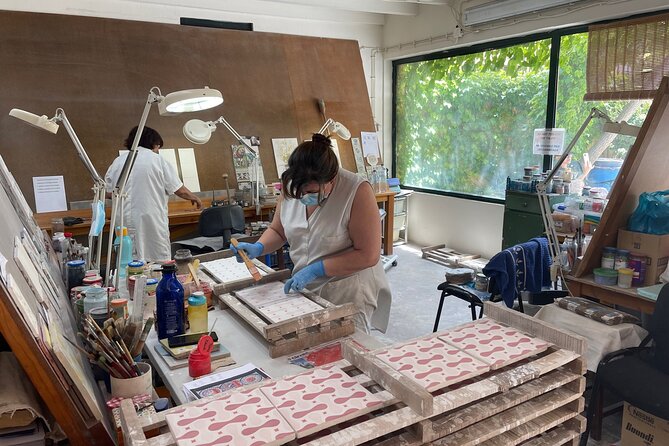
- You paint one traditional Portuguese tile and learn techniques connected to the tiles seen throughout Lisbon.
- You visit three Azeitão cellars, each with a different role in the wine company’s story.
- Adega da Mata holds aging Periquita, while Teares Velhos contains old Setúbal Moscatels.
- The group is limited to six people, allowing a more personal experience with the guide.
- Carlos may be your host, providing pickup, transport, explanations, and help throughout both activities.
- Wine, private transport, and one tile are included, but food, taxes, and tile delivery cost extra.
Why combine tile painting with an Azeitão wine visit?
Lisbon is famous for its tiled façades, but it is easy to admire them without thinking about how much work goes into each piece. This experience fixes that. You handle a tile, learn the painting process, and leave with a clearer sense of the patience and skill involved.
Then the focus shifts from clay and pigment to wine and oak. That change works well. The tile workshop gives you something active to do, while the cellar visit gives you time to look, listen, and taste. You are not spending four hours on a standard sightseeing loop.
I especially like this pairing because both subjects are tied to Portugal’s identity. The tiles connect you with Lisbon’s streets and buildings. The wines connect you with Azeitão and the Setúbal area. You get a small lesson in craft, followed by a look at how wine is made, aged, and remembered.
The four-hour format also keeps the outing manageable. You can fit it into a Lisbon visit without giving up a full day. Still, the time is approximate, and pickup arrangements can affect the pace. If you have a tight evening plan, leave some breathing room.
More Wine Cellar Visits in Portugal
- From Lisbon: Private Sintra Tour with Cellar Visit & Tasting
★ 4.6 · 28 reviews - Private Tour to History of Porto & Porto Calem Cellars & Wine Tasting
★ 4.0 · 14 reviews - Private Sintra Tour from Lisbon with Cellar Visit and Wine Tasting
★ 5.0 · 11 reviews
Starting near the Ponte 25 de Abril
The listed first stop is Ponte 25 de Abril, Lisbon’s famous suspension bridge. The tour information does not specify how long you stop there or whether you view it from a particular point, so treat this as part of the route rather than a full bridge sightseeing visit.
The bridge matters because it helps place the rest of the experience geographically. You are leaving central Lisbon for an outing connected with Azeitão, and this crossing or nearby stop marks that change. It can also provide a useful photo opportunity, depending on the exact pickup route and timing.
Private transportation is included, which is one of the stronger practical features here. You do not need to work out a separate route to the workshop or cellar, and a host can keep the two parts of the day connected. With a maximum of six people, the vehicle should feel more personal than a large coach excursion, though the exact vehicle is not specified.
Pickup is offered, but you should confirm the meeting details when your booking is accepted. Confirmation arrives within 48 hours and depends on availability. The experience is offered in English.
Learning to paint a Portuguese tile
The workshop is not just a demonstration. You receive one tile per person and take part in a practical painting activity. The lesson introduces traditional Portuguese tile-painting techniques and explains how tiles relate to the country’s buildings and visual character.
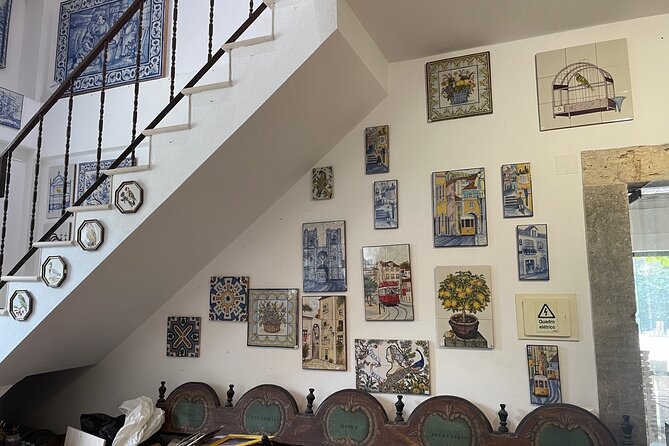
That hands-on element is the heart of the first half. You can look at thousands of tiles in Lisbon and still miss the small details. Once you try to plan a design and apply paint yourself, uneven lines and careful patterns become easier to notice.
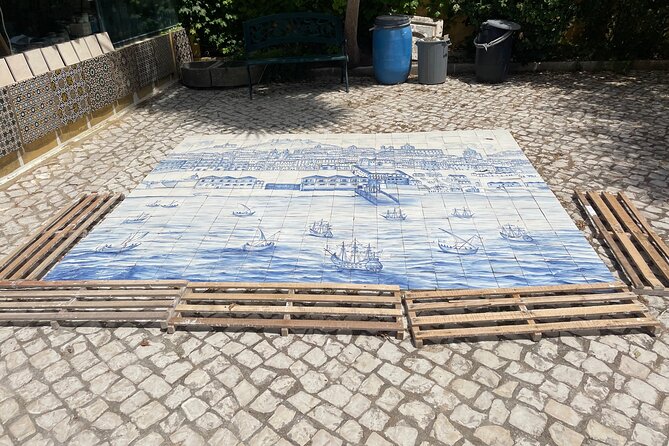
The activity also gives you a better reason to pause in front of tiled walls later in your trip. You may start asking how the pattern was made, how many pieces were needed, and how difficult it would be to keep the design consistent across a large façade.
The information provided does not state how long the painting portion lasts, what design choices are available, or whether the tile is fired before collection. Do not assume you will take it home immediately. Tile delivery is not included, so ask about the delivery process and cost if you want your finished piece sent on.
The class should suit adults, families, and anyone who prefers doing something rather than only listening. Most people can participate, according to the tour details. You do not need to be a skilled artist. The point is to understand the process, not to produce a museum piece.
A useful tip is to wear something you do not mind using during a creative activity. No special clothing requirement is given, so this is simply sensible preparation rather than a stated rule.
The museum room and the company story
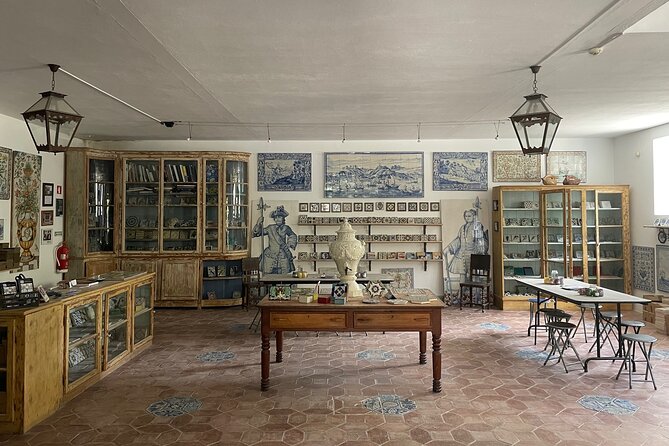
The cellar portion begins in a museum room with a short account of the company’s history. This introduction gives you a frame for the buildings, barrels, and wines you see afterward.
I like this order. Without context, an old cellar can look like a room full of barrels. A short company story helps explain why particular wines matter and why certain rooms are preserved. The introduction is described as brief, so do not expect a long museum visit or a large collection of exhibits.
From there, you walk through lovely gardens before entering the cellars. The garden walk gives the visit a pause between the indoor presentation and the wine tasting. It also keeps the experience from feeling like a rushed series of rooms.
The exact garden route and accessibility details are not provided. If you have mobility concerns, ask the provider before booking, since the visit includes walking through the gardens and moving among three cellars.
More Wine Cellar Visits in Lisbon:
- Porto: Bridges Cruise & Sunset & Port Wine Cellar Option
★ 4.2 · 4,180 reviews - Porto: Cálem Cellar Tour, Interactive Museum & Wine Tasting
★ 4.5 · 4,113 reviews - Porto: Cálem Cellar Tour, Fado Show & Wine Tasting
★ 4.4 · 3,530 reviews - Porto: Taylor’s Port Cellars & Tasting
★ 4.6 · 3,374 reviews
Adega da Mata and the aging of Periquita
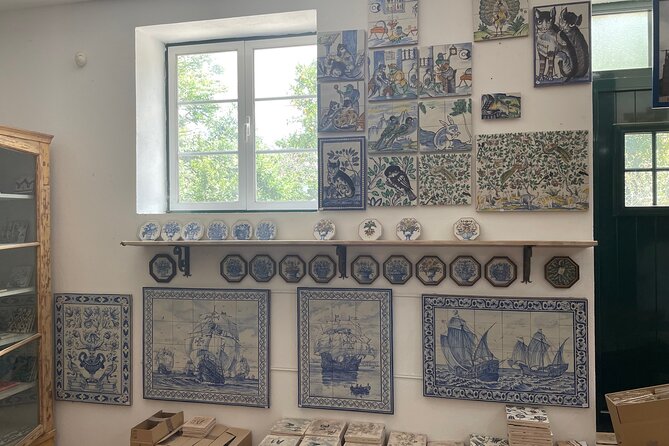
The first cellar is Adega da Mata. This is where the famous Periquita matures in oak casks.
That detail makes this more than a basic tasting stop. You are seeing where the wine develops, not only sampling it at the end of the process. Oak casks also give the room a working cellar atmosphere, though the tour information does not say how many casks you will see or whether production is taking place during your visit.
The Periquita name is part of the appeal for anyone interested in Portuguese wine. You can connect the taste in your glass with the aging space in front of you. That link between cellar and tasting is more useful than tasting several wines without knowing where they came from.
Your guide can add the human side of the visit. Carlos is named in the available tour information and is described as staying with the group through the tile activity and cellar visit. His role includes pickup and hosting, so you may have one person guiding the whole experience instead of being handed from one operator to another.
Teares Novos and the Periquita Brotherhood
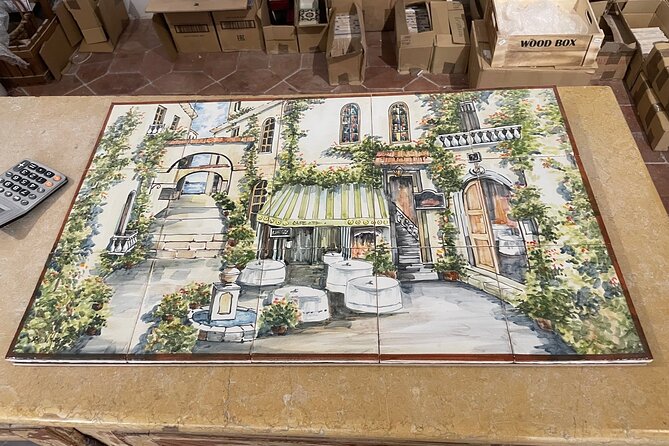
The second stop is Teares Novos Cellar. It is the site of the annual assembly of the Periquita Brotherhood, giving the room a ceremonial role as well as a practical one.
You may find this stop particularly interesting if you enjoy the traditions that grow around food and drink. Wine culture is not only about farming, fermentation, and bottles. It also includes clubs, gatherings, rituals, and the people who keep a name alive over time.
The tour details do not explain the Brotherhood’s membership or activities, so the guide’s explanation will be important here. Ask questions if you want more than a quick look at the room. A small group of no more than six should make that easier than a large organized tour.
This is also where the experience’s personal hosting can matter. The strongest praise for Carlos focuses on his engaging manner, his willingness to stay with the group, and his care with the details of the day. Those qualities are useful when a tour combines a class, transport, and a cellar visit, since you are not left to figure out the transitions alone.
Teares Velhos and old Setúbal Moscatel
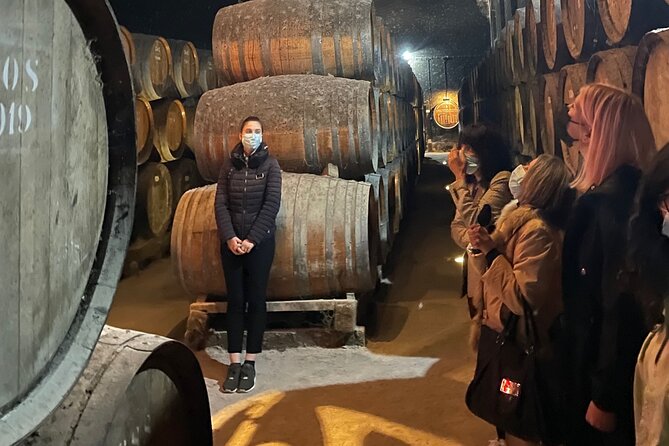
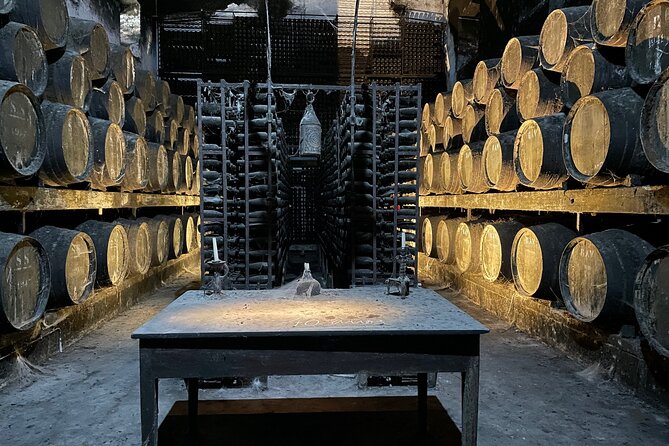
The final cellar is Teares Velhos, where the oldest Setúbal Moscatels rest. The description of these wines resting in silence gives the room a more historic, slow-moving character than the first cellar, where Periquita is described as maturing in oak casks.
This is likely the most atmospheric cellar stop, but keep expectations sensible. The provided information does not give the age of the barrels, the number of wines tasted, or the length of the explanation. You can expect the focus to be on the old Moscatels and the cellar itself, not a full wine course.
The wine tasting is included, along with alcoholic beverages. That is important when judging the $145.12 price. You are not paying only for transport and a craft activity. You are also receiving access to the cellar visit and tasting, with the chance to connect the wines to the rooms where they are kept.
If you do not drink alcohol, the tile workshop still gives the experience value, but the cellar portion will naturally be less rewarding. The supplied details do not mention nonalcoholic alternatives, so ask before booking if that matters to you.
What the $145.12 price really covers
At $145.12 per person, this is not a budget activity. The price makes the most sense for someone who wants a guided, compact outing rather than arranging each piece separately.
Included are:
- Private transportation
- A tile for painting
- Cellar visit
- Wine tasting and alcoholic beverages
Pickup is offered, and the group is capped at six. Those details can save time and reduce the uncertainty that comes with getting to a workshop and wine cellar on your own.
The price is less attractive if you want a quick tasting or a simple art class. You could find each type of activity separately at a lower cost, though the provided information does not give comparison prices. Here, you are paying for the combination, the transport, the guide, and the small group.
Remember the extra costs. Lunch and snacks are not included, and neither are all fees and taxes. Delivery of the finished tile is also separate. A useful practical detail from the experience is that extra time may sometimes allow for an espresso and pastry, but this is not listed as a standard inclusion, so do not count on it.
Who will get the most from this four-hour outing?
I would recommend this to you if you want a cultural activity with something to do with your hands. It fits visitors who like local crafts, wine, small-group outings, and guides who stay involved throughout the day.
It also works well for couples, families, and small groups of friends. The maximum of six helps keep the tone personal. Group discounts are offered, which may make the price more appealing if you are booking with several people.
You may want to skip it if your main goal is a long wine tour with extensive tasting notes. The cellar visit is one part of a combined experience, not the entire focus. The same applies if you want to take your tile home immediately, since delivery is not included and the timing is not explained.
The activity is offered in English, so it suits English-speaking visitors who want explanations throughout. Most people can participate, but the walking between gardens and cellars may matter if mobility is limited.
Booking, cancellation, and practical planning
The tour is often booked about 19 days ahead, so planning early is sensible, especially if you want a particular date. Confirmation is sent within 48 hours, subject to availability.
You can cancel for a full refund if you do so at least 24 hours before the local start time. Changes or cancellations made within 24 hours are not accepted for a refund. Keep that deadline in mind when arranging other plans.
The provider is Watermelon Experiences. Since pickup is offered, confirm the pickup point and time once your booking is confirmed. The exact duration is about four hours, but avoid scheduling a flight, train, or important dinner immediately afterward.
Should you book the tile and wine experience?
Book it if you want two distinctly Portuguese experiences joined in one small outing. The strongest reasons are the chance to paint a real tile, the three-cellar route, the included wine tasting, and the personal guidance associated with Carlos.
I would hesitate only if $145.12 is beyond your comfort zone, if you want a full-day wine program, or if you need every cost included upfront. Ask about tile delivery, taxes, the exact pickup plan, and what wines are poured before you commit.
For the right visitor, this is a thoughtful break from standard Lisbon sightseeing. You look at the city’s tiles with new respect, then taste wines connected to their own aging rooms. That combination gives the four hours a clear purpose and makes the outing easier to remember than a routine tour bus stop.
FAQ
How long does the tile and wine experience last?
The experience lasts approximately four hours.
What is included in the price?
The price includes private transportation, a tile for painting per person, the cellar visit, and wine tasting with alcoholic beverages.
Is pickup available?
Yes. Pickup is offered, though you should confirm the exact meeting details after booking.
How many people can join the tour?
The activity has a maximum of six participants.
Is the experience offered in English?
Yes. The experience is offered in English.
Can I cancel for a full refund?
Yes. You can receive a full refund if you cancel at least 24 hours before the experience start time. Cancellations or changes made less than 24 hours beforehand are not accepted for a refund.
Just added around Lisbon
- Wine tasting at Quinta das Murgas★ 4.5 · 11 reviews
- Óbidos, Nazaré and Wineries, Day Private Tour by SUV from Lisbon★ 5.0 · 2 reviews
- Évora, Esporão Winery & Monsaraz | Exclusive Private Wine Tour★ 3.5 · 2 reviews
- Sintra,Palácio da Pena,Quinta da Regaleira and Cascais★ 5.0 · 11 reviews
- 1 day tour of Sintra and Cascais, Palácio da Pena, Quinta da Regaleira ….★ 3.0 · 4 reviews
- South Portugal Wine Route Private Full Day Tour from Lisbon★ 4.0 · 2 reviews
- Quinta da Regaleira and Cabo da Roca Half Day Private Tour★ 5.0 · 2 reviews
- Private Sintra Tour from Lisbon with Cellar Visit and Wine Tasting★ 5.0 · 11 reviews
Lisbon Vineyard Tours, compared.


Sintra, Pena Palace, Quinta da Regaleira & Cascais Group Tour
Read our review →
Private Wine Tasting in the Setúbal Wine Region, from Lisbon
Read our review →
Sintra, Quinta da Regaleira, Cabo da Roca & Cascais
Read our review →
Experience a magical day in Sintra, Palace of Pena, Quinta da Regaleira and Cabo da Roca from Lisbon
Read our review →
Lisbon to Sintra Pena & Regaleira guided tour in 8pax group
Read our review →
Private Lisbon-Arrábida Wine Tour: 3 Wineries, Coast & Heritage
Read our review →
Sintra Tour with Pena Palace and Quinta da Regaleira
Read our review →Browse the lists this tour appears in