
REVIEW · FRANCE
Chablis: Visit of the Grand Cru vineyard
Chablis makes its best impression in the vines, where a short walk explains far more than a tasting-room speech alone. This two-hour visit takes you from Domaine Céline et Frédéric Gueguen to the Grand Cru vineyard, then back for five wines and a close look at the soil, grape varieties, ageing, and AOC rules behind them.
I like the way the tour links the vineyard to the glass, and I like the small scale and friendly tone reported by several visitors. The 50-minute walk also gives you time to see the vines rather than simply pose beside them. The main caution is value: at $58 per person, you will want attentive tasting service and generous pours, and one poor experience involved small samples and little guidance at the tasting.
Key points to know before booking
- The vineyard walk is the heart of the visit: You spend about 50 minutes seeing the Chablis Grand Cru growing area and hearing how the wine is made.
- Five wines complete the lesson: The tasting compares wines from Chablis and Auxerre, with attention to grape varieties and ageing potential.
- Short van transfers save time: The ride to the vines takes about five minutes each way.
- English and French are available: You can choose a tour with a live guide in either language.
- Good shoes matter: The vineyard visit involves walking, so leave flimsy footwear at the hotel.
- Service can affect the value: Most feedback praises the guide and instruction, but one visit had a poorly handled tasting and very small pours.
Why the Chablis Grand Cru vines matter
Chablis is often treated as a simple name for crisp white wine. This visit helps correct that shortcut. The Grand Cru vineyards represent the top level of the Chablis appellation, and the walk gives you a practical way to understand why a particular patch of ground matters.
You learn about terroir, the French idea that soil, slope, exposure, climate, and farming work together to shape a wine. That word can sound grand in a brochure. It makes more sense when you are standing among the vines and hearing how the vineyard’s setting affects the grapes that later reach your glass.
The tour also explains the AOC system, short for Appellation d’Origine Contrôlée. In plain terms, AOC rules define where a wine may come from and how it can be produced. This gives you a useful framework for judging the bottle in front of you. It also explains why two wines made from the same broad grape type can differ because they come from different places or follow different production rules.
For anyone who enjoys wine but finds French labels confusing, this is one of the most useful parts of the experience. You are not just hearing that a bottle is special. You are learning the system that gives the name Chablis its meaning.
A few more vineyard days around France worth a look
- Medoc or Saint Emilion Wine Tasting and Chateau from Bordeaux
★ 5.0 · 1,415 reviews - Saint-Émilion: Grand Cru Classé Winery Visit and Tasting
★ 4.6 · 1,118 reviews - Saint Emilion Half-Day Trip with Wine Tasting & Winery Visit from Bordeaux
★ 4.5 · 1,034 reviews
The five-minute ride from the Gueguen domaine
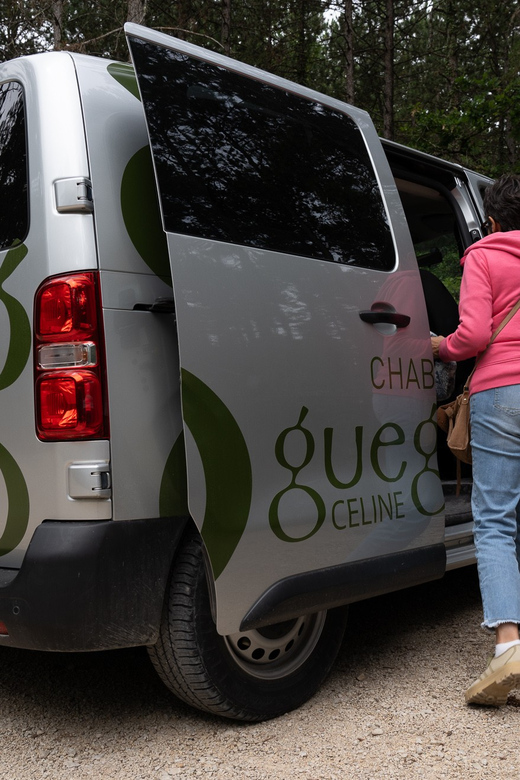
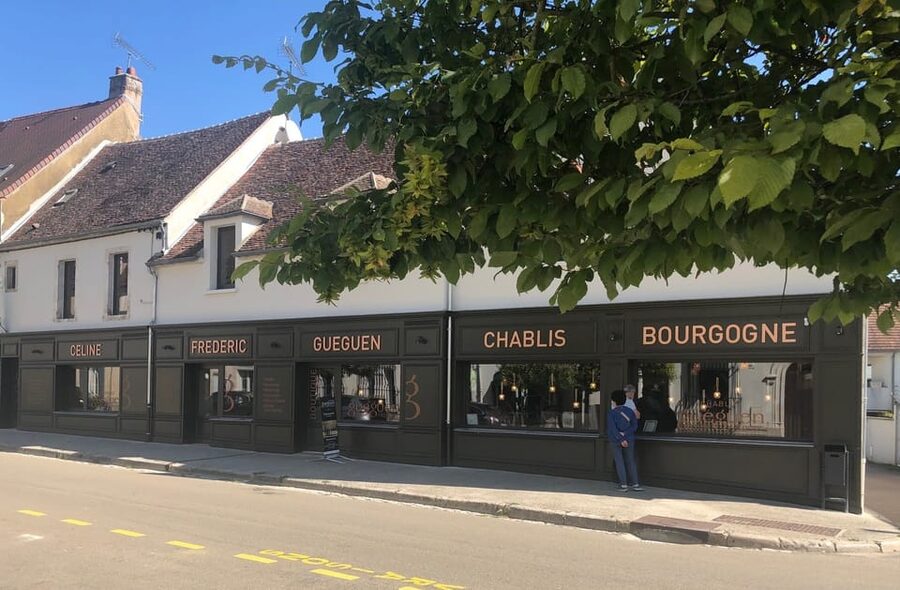
You begin at Céline et Frédéric Gueguen, the home base for the experience. From there, a van takes you to the vineyard in about five minutes. It is a minor detail, but a helpful one: you do not need to spend the short tour walking along roads between the domaine and the vines.
The ride is simply a transfer, not a sightseeing trip in its own right. The real value comes from the time it saves and the way it lets the visit use its two hours well. After the drive, the focus shifts to the Grand Cru vineyard and the work behind the wine.
The compact format suits a day in Burgundy when you want a clear introduction rather than a full-day wine program. You can fit it around other Chablis plans without giving up half your day. It also makes the activity practical for people who want more than a shop tasting but less than a long technical visit.
Walking the vines for about 50 minutes
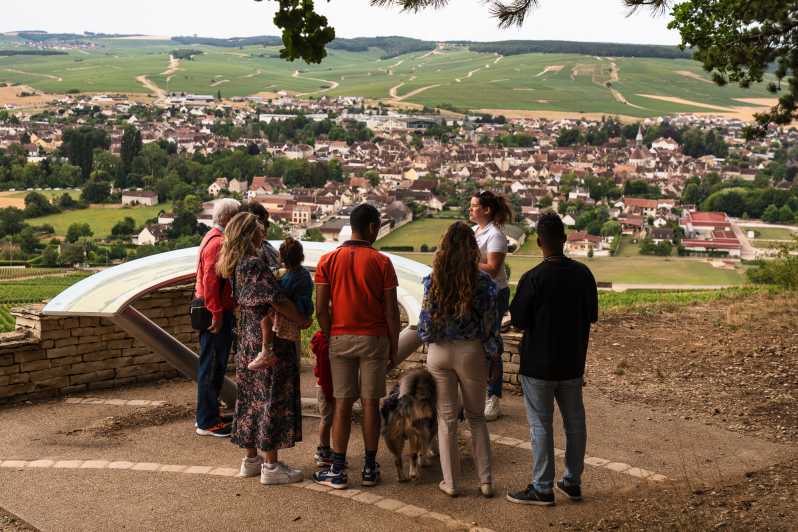
The guided vineyard walk lasts around 50 minutes. You get sightseeing, views along the way, and an explanation of the winemaker’s year-round work. The point is not simply to see rows of vines. It is to understand that wine production is a continuing job, not something that begins and ends at harvest.
This is where the experience earns its place over a standard tasting. The guide can point out the setting that gives Chablis its identity, then connect that setting to the wines you will taste later. That order matters. Once you have seen the growing area, the discussion of origin and ageing has a physical reference.
The walk is also the most weather-sensitive part of the outing. One visit had to be changed because of bad weather. Instead of a full vineyard walk, the group saw the vines from a lookout point, visited other nearby areas, and looked at the wine press before returning for the tasting. The guide adapted, but the experience was not the same as walking among the vines.
Wear walking shoes, as requested by the provider. The instruction is simple and worth following. Vineyard paths are not the place for delicate city footwear, and comfortable shoes let you pay attention to the guide instead of your feet.
The activity data does not specify a group size or the exact route. Do not book this expecting a private walk unless that is confirmed separately. Think of it as a short, guided introduction with a strong connection between place and wine.
Learning how a winemaker’s year really works
A good wine visit explains more than the finished bottle. Here, the discussion covers the winemaker’s work throughout the year and the choices that shape the final wine. That broad view helps you understand why a tasting can never tell the whole story by itself.
You hear about grape varieties, vineyard conditions, and the rules attached to the AOC system. The tasting then gives you a chance to test those ideas. If the guide is having a strong day, you should leave with a better sense of why one wine may drink well now while another has more room to develop.
I especially like this teaching approach for people who want to build their wine vocabulary without sitting through a formal class. The material is serious, but the visit is still social. Reports describe the guides as friendly and happy to answer questions, without making the group feel rushed or pressured.
That last point is important. Wine tours can sometimes turn into sales talks. The best feedback here describes a relaxed visit rather than a hard sell. At the same time, one report felt that buying bottles became almost expected at the end. You should feel free to taste, ask questions, and decide for yourself.
Same wine country, a different day out:
- Champagne Day Trip with 6 Tastings, Reims and Winery from Paris
★ 5.0 · 902 reviews - From Reims: Champagne and Family-Run Wineries Tour
★ 4.8 · 671 reviews - Saint-Emilion Afternoon Wine Tour – 2 Wineries & delicacies
★ 5.0 · 614 reviews - Saint-Émilion: Bordeaux Vineyard Tour and Wine Tasting
★ 4.8 · 578 reviews
Returning for five Gueguen wines
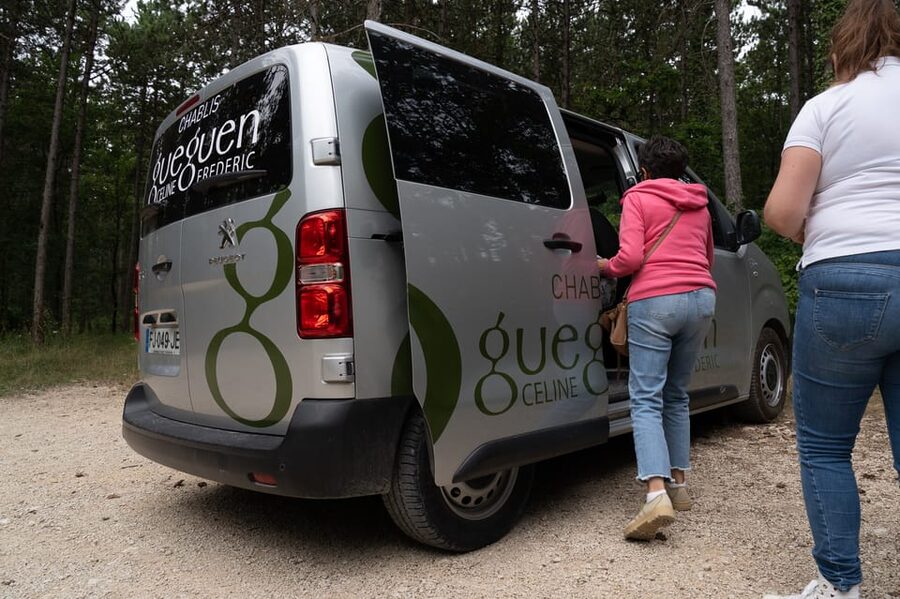
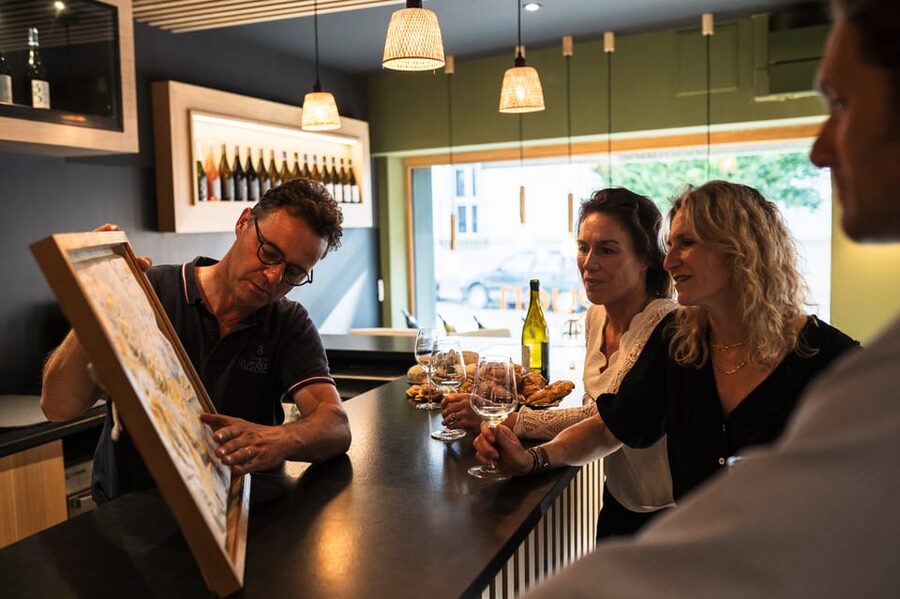
After the vineyard, the van takes you back to the domaine for a tasting of five wines from Gueguen. The selection is meant to show wines from Chablis or Auxerre, along with differences in grape varieties, ageing potential, and origin.
Five samples are enough to create a useful comparison. You can pay attention to how the wines differ in freshness, structure, and finish, rather than judging a single glass in isolation. The tasting also puts the vineyard talk to work. You have just heard about place and production, and now you can ask how those ideas appear in the wine.
The information provided does not name each bottle or promise a fixed vintage. Wine selections can change, so do not assume that a particular cuvée will be available. The useful question to ask on the day is what each wine represents and how its origin affects its character.
Portion size deserves a fair warning. One person found the pours much smaller than those at other tastings, while another report described the tasting as enjoyable. That suggests the quality of the tasting may depend partly on how busy the shop is and how much attention the group receives. A separate complaint described people being left without guidance because the boutique was crowded, with concerns about glassware and serving temperature.
That criticism should not be ignored at this price. The tasting is not an optional extra. It is one of the two central parts of the visit. If service is distracted, the value drops quickly, since five tiny pours do not provide much time to study the wines.
Is $58 a fair price?
At $58 per person, this is not a bargain tasting. You are paying for a two-hour experience that combines transport, a guided vineyard visit, instruction about Chablis production, and five wines. The price makes more sense if you value the vineyard access and the explanation of AOC rules, not just the alcohol in the glass.
If you only want to sample local wine, a simpler tasting may cost less and give you a similar number of pours. One visitor judged this activity closer to a $20 experience, even while calling it a pleasant and instructive outing. That is a strong reminder to compare it with other tastings in the area.
I would see the price as reasonable for a visitor who wants context and has limited time. The short van rides and focused schedule make it efficient. You are not paying for a long meal or a full-day estate visit. You are paying for a compact lesson in Chablis, followed by five wines.
The value improves when the vineyard walk goes ahead and the guide has time to explain the wines properly. It weakens in bad weather, during a crowded tasting period, or when the pours are unusually small. If you are booking this as a gift, as one person did, that service detail matters even more.
The activity allows free cancellation up to 24 hours before the start and offers reserve now, pay later booking. Those terms help if your Burgundy schedule is still moving around. They do not change the basic price question, so book for the vineyard lesson rather than expecting a large tasting.
Who will enjoy this visit most?
This experience suits you if you are curious about French wine but do not want a long, technical course. It is also a good fit if you want to see the Grand Cru vineyard itself and prefer a guided walk to a tasting room alone.
You will likely get the most from it if you ask questions. Ask where each wine comes from, which grape variety you are tasting, how long it may age, and what part of the vineyard discussion connects to the glass. The format leaves room for that kind of conversation when the guide is not dealing with a busy shop.
It is less suitable if you want a large tasting, a meal, or a full-day estate program. The visit lasts only two hours, and the included experience is a walk plus five wines. Meat is not included, and one person specifically wished for the option to add food to the tasting.
Weather also plays a role. On a clear day, the vineyard walk is the main attraction. In poor weather, the visit may become a shorter lookout stop, a look at other vines, and a wine press visit before tasting. The provider can adapt, but nature controls this part of the experience.
Practical details that shape the day
The start and finish are at Céline et Frédéric Gueguen. You take a van for about five minutes to the vineyard, spend roughly 50 minutes on the guided walk, then return by van for the tasting and discussion.
The total duration is two hours, but the exact starting time depends on availability. English and French live guides are offered. Check that your selected time has the language you want before paying.
Bring walking shoes and dress for outdoor conditions. The information does not specify shade, seating, group size, or indoor alternatives, so you should not count on a fully sheltered outing. If the forecast looks poor, contact the provider or use the flexible cancellation terms rather than assuming the walk will run as planned.
The rating is 4.4 from 15 ratings, which points to a generally positive experience but not a flawless one. The strongest pattern is clear: the vineyard explanation and friendly guidance receive the most praise. The weak spot is tasting service when the boutique is busy.
Should you book the Gueguen vineyard visit?
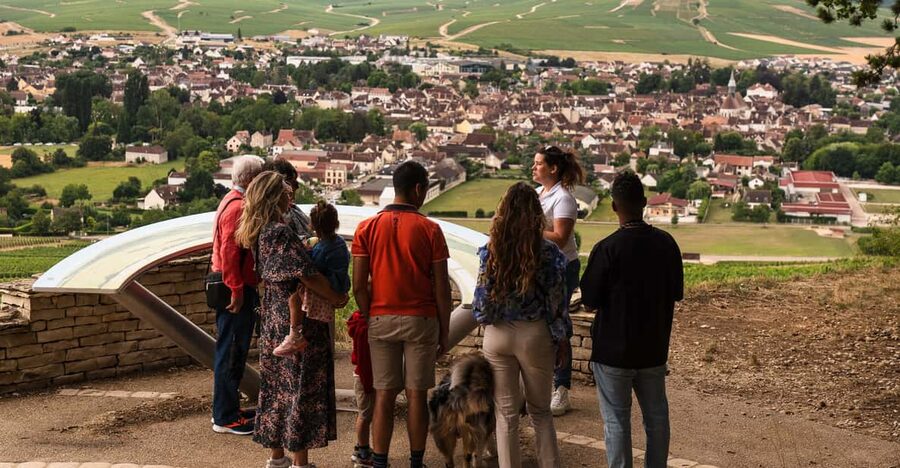
Book it if you want a short, place-based introduction to Chablis. The Grand Cru walk gives the wines a setting, and the five-glass tasting helps you connect AOC rules, origin, grape variety, and ageing to something you can actually taste.
I would skip it if your main goal is maximum wine volume for the lowest price. At $58, the experience depends on good service and decent pours. Go with the right expectation: this is a guided vineyard lesson with a tasting, not an all-afternoon drinking session.
For most visitors who have two hours in Chablis, it is a sound choice, especially in good weather and with an English or French guide available. Wear proper shoes, ask questions, and confirm the tasting details on arrival. Those small steps give you the best chance of getting full value from the visit.
FAQ
Where does the activity begin?
The activity begins at Céline et Frédéric Gueguen.
How long does the experience last?
The experience lasts two hours.
How much does the activity cost?
The listed price is $58 per person.
How do I reach the vineyard?
A van takes you from Céline et Frédéric Gueguen to the vineyard in about five minutes, then returns you to the domaine afterward.
How long is the vineyard walk?
The guided vineyard portion lasts about 50 minutes.
How many wines are included?
The tasting includes five Gueguen wines.
What will the wine discussion cover?
The guide discusses whether the wines come from Chablis or Auxerre, their grape varieties, their ageing potential, and the terroir of Chablis.
Which languages are available?
Live guidance is available in English and French.
What should I wear?
You should wear walking shoes because the activity includes a vineyard walk.
Can I cancel the booking?
You can cancel up to 24 hours in advance for a full refund. Reserve now, pay later booking is also available.
Just added around France
- Day Trip to the Sancerre and Pouilly Vineyards★ 5.0 · 20 reviews
- 3-Hour Private Painting tuition in a beautiful Cognac vineyard★ 3.5 · 2 reviews
- 4×4 tour in a winery followed by a tasting★ 5.0 · 46 reviews
- Winery Visit with Food and Wine in Carcassonne★ 5.0 · 59 reviews
- Walk in the vineyards of Chablis Grands Crus★ 4.5 · 7 reviews
- Wine Getaway with Tasting in the Chablis Vineyard★ 5.0 · 3 reviews
- Winery Tour & Wine Tasting – Deli Plate & 3 Wines★ 5.0 · 72 reviews
- Visit to the Faugères Vineyards with Picnic from Béziers★ 5.0 · 7 reviews
France Vineyard Tours, compared.
Medoc or Saint Emilion Wine Tasting and Chateau from Bordeaux
Read our review →
Saint-Émilion: Grand Cru Classé Winery Visit and Tasting
Read our review →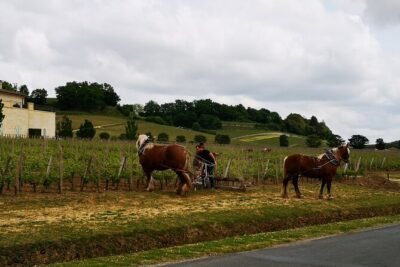
Saint Emilion Half-Day Trip with Wine Tasting & Winery Visit from Bordeaux
Read our review →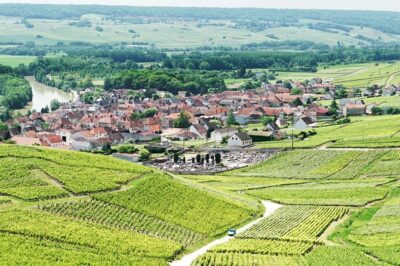
Champagne Day Trip with 6 Tastings, Reims and Winery from Paris
Read our review →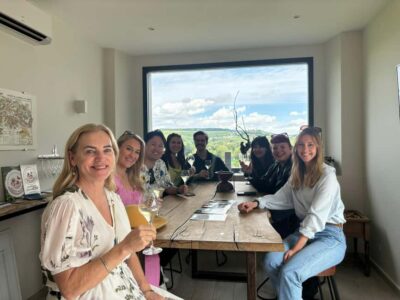
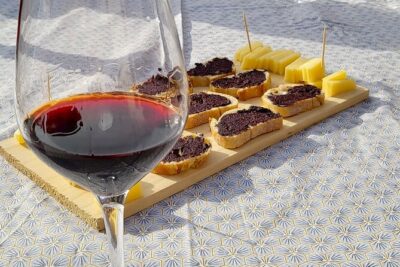
Saint-Emilion Afternoon Wine Tour – 2 Wineries & delicacies
Read our review →
Saint-Émilion: Bordeaux Vineyard Tour and Wine Tasting
Read our review →
Browse the lists this tour appears in