
REVIEW · FRANCE
Chablis: Tour and tasting Family-run winery
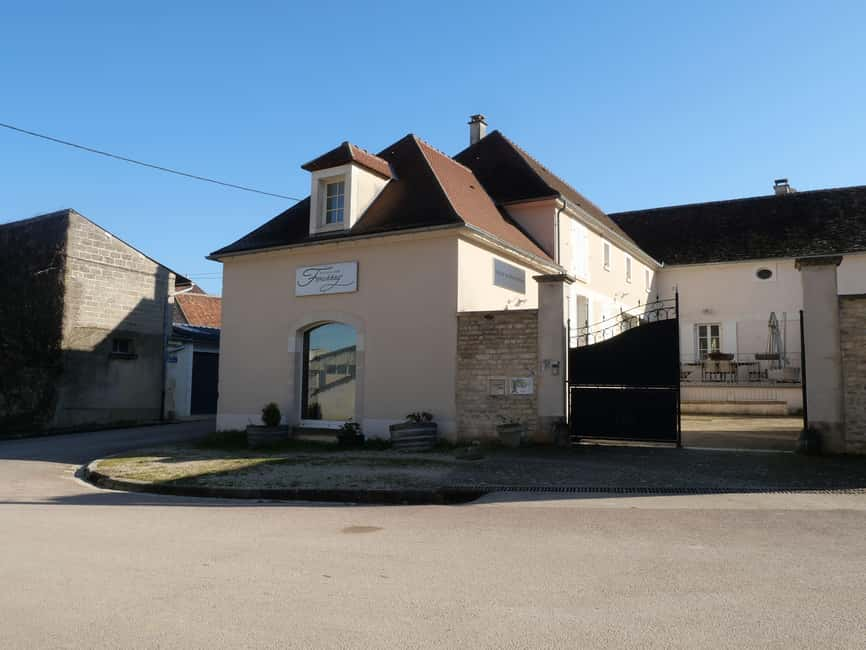
Chablis makes more sense once you see how a family estate turns grapes into wine. At Domaine Fourrey, the visit follows that path from vineyard to bottle, then finishes with five wines across the estate’s range. I like the family-run setting and the chance to taste all four Chablis appellation levels side by side.
I also like the clear attention to traditional methods and ecological care, plus the welcome extended to families with small children. The main consideration is the short 90-minute format: you will get a useful introduction and tasting, but not an extended cellar visit or a long technical wine course.
Key points at a glance
- Four Chablis levels in one tasting: Compare Petit Chablis, Chablis, Chablis 1er Cru, and Chablis Grand Cru.
- A family estate visit: Mr Fourrey explains the vineyard, winemaking, and bottling process in a personal setting.
- A Pinot Noir addition: The tasting is not limited to Chardonnay-based Chablis wines.
- Traditional and ecological methods: The estate explains how its values shape the wine from vineyard to bottle.
- Good for families: Children have games and drawing pencils while adults take part in the tasting.
- Useful booking flexibility: The $17 price includes both the estate tour and tasting, with cancellation available up to 24 hours before the visit.
Seeing Chablis through a family estate
Domaine Fourrey gives you a look at Chablis from the producer’s side, not just the polished tasting-room side. The point is to follow the grape’s route from the vineyard to the finished bottle and understand the decisions made along the way.
That makes the experience useful even if you are new to Burgundy wine. You do not need to arrive knowing the difference between the appellations. The structure of the visit gives you a simple way to learn: first hear how the wine is made, then taste the results.
I especially like the family-run character. A large commercial operation can explain wine clearly, but a small family estate often gives the visit a more personal tone. Here, the estate’s own values, work, and traditions are part of the story.
Mr Fourrey guides the explanation of the vineyard and winemaking process. One family visit was also warmly handled with a young child, which is worth noting if you are traveling with children and do not want a formal tasting to feel stiff or uncomfortable.
More Boutique and Family Wineries in France:
- From Reims: Champagne and Family-Run Wineries Tour
★ 4.8 · 671 reviews - Reims: Veuve Clicquot and Family-Run Winery Day Tour & Lunch
★ 4.9 · 110 reviews - Champagne Area Small-Group Tour including a Top Champagne house & Family Winery
★ 4.0 · 78 reviews
The 90-minute route from grape to bottle
The experience lasts about an hour and a half. That is long enough for a proper introduction and tasting, while still fitting neatly into a day of exploring Chablis.
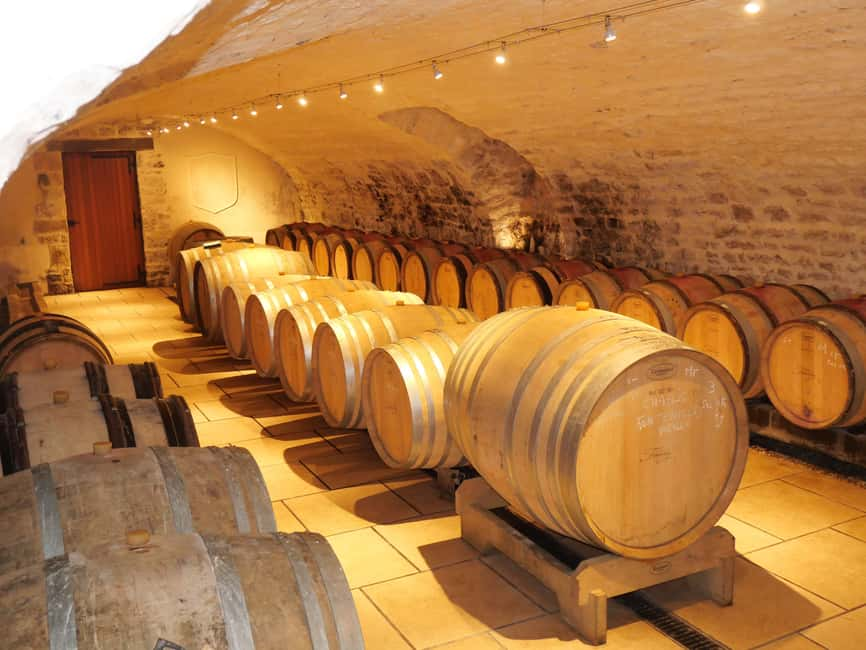
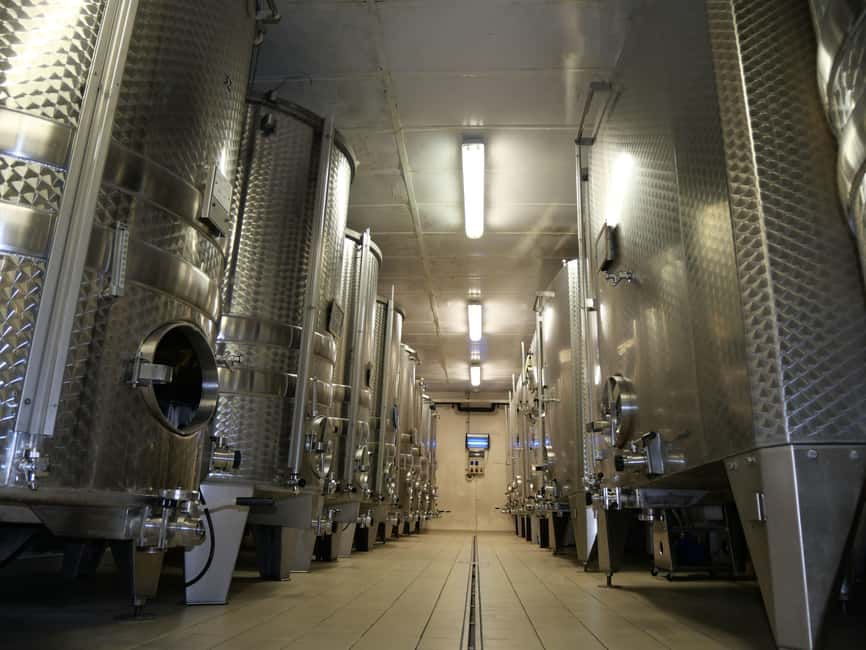
The tour focuses on the full production chain. You will hear about the vineyard, the role of the estate, the way the wines are made, and the final step of bottling. The aim is not simply to pour wine and list tasting notes. It is to show how the finished bottle begins with decisions made in the vineyard.
You should expect the guide to explain the estate’s values as part of this process. The focus on respect for tradition gives the visit a sense of continuity, while the ecological approach brings the discussion into the present. Those two ideas work well together: the winery is not presenting tradition as a museum piece, but as part of how it works now.
The exact route through the property is not specified, so I would not book this expecting a long walk through every part of the estate. Think of it as a guided introduction to production, followed by a structured tasting.
That distinction matters. If you want a highly technical cellar tour, extensive vineyard walking, or a full meal with wine pairings, this is probably too short. If you want to understand the basics and taste a broad selection, the 90-minute plan is efficient.
Four appellations, one clear comparison
The strongest part of the tasting is the chance to compare the four Chablis appellation levels:
- Petit Chablis
- Chablis
- Chablis 1er Cru
- Chablis Grand Cru
This sequence gives you a useful framework for understanding Burgundy’s classification system. Instead of tasting one bottle in isolation, you can consider how the wines differ as the appellation level changes.
Petit Chablis provides the starting point. Chablis follows, allowing you to compare the two categories directly. The tasting then moves to Chablis 1er Cru and Chablis Grand Cru, the higher classifications in the estate’s range.
I like this format because it turns an abstract label system into something you can experience with your own palate. You may notice changes in texture, concentration, balance, or finish, although the exact character of each wine will depend on the vintage and the individual bottle.
The order also helps you avoid a common problem at wine tastings: sampling several wines without understanding why they were chosen. Here, each appellation has a clear place in the progression.
The Grand Cru is likely to attract the most attention, but do not rush past the Petit Chablis. The lower classification is important because it gives you a reference point. Without that first wine, the later bottles have less context.
Why the Pinot Noir matters
Chablis is closely associated with white wine, so the inclusion of Pinot Noir adds welcome variety. It prevents the tasting from becoming five versions of the same style.
The Pinot Noir also gives you a chance to consider what else the estate makes beyond its four Chablis appellations. That broader view can be useful if you are buying wine to take home or deciding which style suits your table.
I would treat the Pinot Noir as a comparison point rather than the main reason to book. The heart of the experience is still the Chablis progression. But the red wine gives the tasting a change of pace and makes the estate’s range feel more complete.
Because the supplied details do not give grape percentages, vintages, ageing periods, or tasting notes, you should ask the guide about those points if they matter to you. Mr Fourrey can explain the winemaking choices during the visit, but the exact bottles poured may vary.
More Food and Drink Experiences in France:
- Medoc or Saint Emilion Wine Tasting and Chateau from Bordeaux
★ 5.0 · 1,415 reviews - Saint-Émilion: Grand Cru Classé Winery Visit and Tasting
★ 4.6 · 1,118 reviews - Saint Emilion Half-Day Trip with Wine Tasting & Winery Visit from Bordeaux
★ 4.5 · 1,034 reviews - Saint-Émilion: Bordeaux Vineyard Tour and Wine Tasting
★ 4.8 · 578 reviews
Traditional methods and ecological care
The winery presents its wines as being made with respect for tradition. That phrase is broad, so the value comes from hearing how the estate defines it in practice.
The visit also explains the estate’s ecological approach. For many wine drinkers, this is more useful than a general sustainability slogan. You can ask what ecological choices are made in the vineyard, how those choices affect the work, and whether they change the style or handling of the wine.
I appreciate that the ecological discussion is included alongside the production story. It lets you connect farming decisions with the bottle in your glass. You are not just hearing about a finished product. You are learning how the estate sees its responsibilities from the start of the growing cycle through bottling.
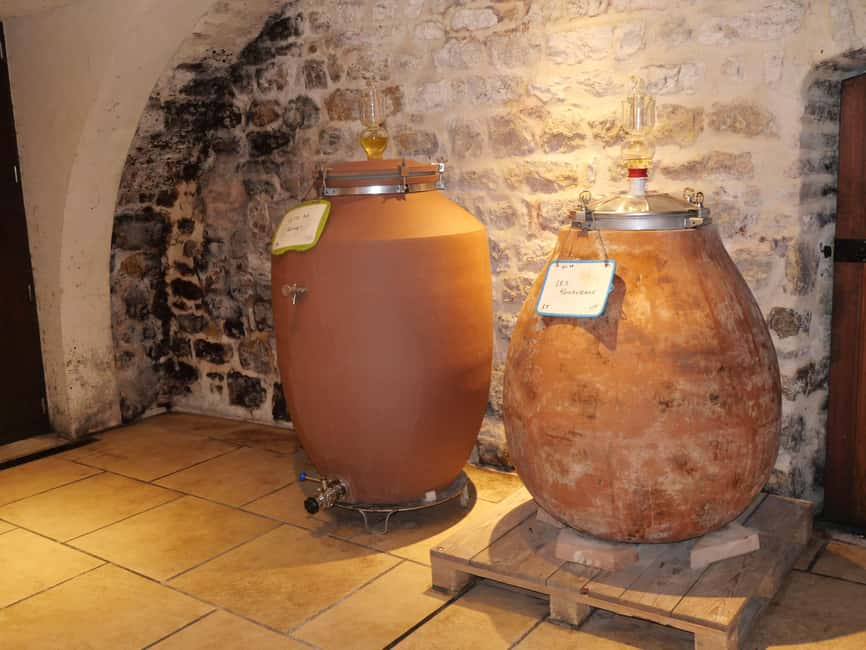
Still, do not expect this short tour to answer every technical question. The provided details do not specify the exact farming practices, certifications, cellar equipment, or ageing vessels. If those subjects are important to you, prepare a few direct questions before arriving.
A friendly choice for families with children
Wine tastings can be awkward with young children, especially when the adults are expected to stand quietly through a long explanation. Domaine Fourrey makes a practical effort to include them by providing games and pencils for drawing.
That does not turn the visit into a children’s tour. The main content remains focused on wine, vineyards, and production. But the activity gives children something to do while adults listen and taste.
I would consider this one of the more useful details for family planning. A small child may not follow a discussion about appellations or bottling, but drawing materials can make the setting easier for everyone. The warm welcome given to a family with a young daughter also suggests that parents are not treated as a nuisance.
You should still judge your child’s patience realistically. The tour lasts 90 minutes, and the subject is adult-focused. The games help, but they do not replace a dedicated children’s program.
What the guide adds to the experience
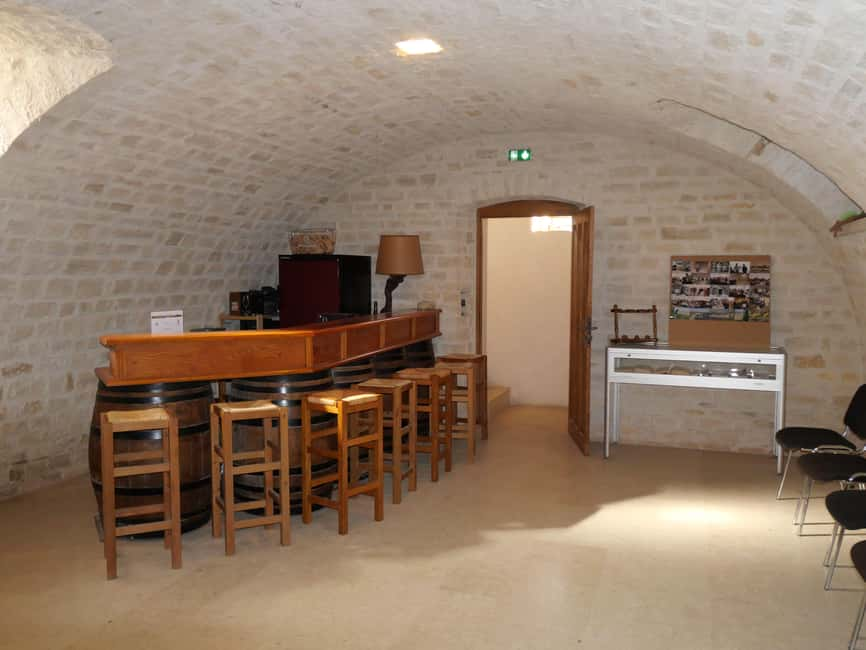
The guide makes a major difference in a small winery visit. Mr Fourrey explains the estate’s story and the stages of vinification, from the character of the vineyard through to the bottle.
That personal explanation is likely to be the main advantage over tasting wine on your own. A label tells you the appellation. The guide explains how the estate works within that appellation and what the family considers important.
A family-run visit can also feel less formal than a large scheduled group presentation. One visit was conducted with only the visiting party present, creating a more relaxed atmosphere. You should not assume every time slot will be private, but a small-scale setting may allow more room for questions.
English and Spanish are available as tour languages. Some content may be shown in its original language, so you should be comfortable asking the guide to clarify anything you miss. The language options make this experience easier to fit into an international trip, though the available guide for a particular time should be confirmed when you check the schedule.
Is $17 a fair price?
At $17 per person, the experience offers solid value if you want both education and tasting. The fee includes the estate tour and the wines, rather than charging separately for each part.
The four appellations are the main reason the price works. Buying or ordering several levels of Chablis independently could quickly cost more, especially once you reach Premier Cru and Grand Cru. Here, you can compare them in one sitting and decide which style appeals to you.
The price also makes sense for a short stop in Chablis. At 90 minutes, the visit does not consume an entire afternoon. You can pair it with other activities in the area without committing to a long winery program.
The value is less obvious if you are looking only for a generous amount of wine or a full food pairing. No meal is included, and there is no stated mention of local products, cellar snacks, or a longer tasting menu. This is a focused estate visit, not a full culinary event.
I would book it for the insight and comparison. I would not book it expecting a luxury wine day.
Practical details before you book
The duration is 90 minutes, and you need to check available starting times. That makes advance planning sensible, particularly if you are building a day around several stops.
The activity is located in Bourgogne-Franche-Comté, France, in the Chablis wine area. The supplied details do not give transport instructions, parking information, or a precise meeting point, so check those details before setting out.
The booking terms are flexible. You can cancel up to 24 hours before the experience for a full refund, and you can reserve now while paying later. That is useful if your schedule depends on weather, transport, or a changing Burgundy itinerary.
The tour and tasting are included in the advertised price. English and Spanish are supported, and some material may remain in its original language.
Because the tasting includes several appellations, avoid packing the rest of your day with activities that require complete concentration immediately afterward. The experience is short, but you are still sampling wine.
Who will enjoy Domaine Fourrey most?
I would recommend this visit to several kinds of visitors:
- You want a straightforward introduction to Chablis and Burgundy’s appellation levels.
- You prefer small family estates to large, highly staged wine attractions.
- You want to compare Petit Chablis, Chablis, Chablis 1er Cru, and Chablis Grand Cru in one sitting.
- You care about traditional methods and want to hear how ecological choices fit into winemaking.
- You are traveling with children and need a tasting that makes some provision for them.
- You are looking for a reasonably priced wine activity that takes about 90 minutes.
I would be more cautious if your main goal is a long vineyard walk, a technical course in wine production, or a meal paired with every pour. Those are not part of the information provided for this experience.
Should you book this Chablis tasting?
I would book Domaine Fourrey if you want the clearest possible introduction to the four Chablis classifications, with a family estate’s own explanation of how the wines are made. The combination of traditional methods, ecological discussion, and a Pinot Noir tasting gives the visit more substance than a simple pour-and-buy stop.
The best reason to go is the comparison. Tasting the appellations in sequence helps you understand what the labels mean, and the $17 price keeps the experiment affordable.
Book it if you value personal explanation and a compact schedule. Skip it if you need a large cellar complex, a full meal, or a long technical tour. For families, first-time Chablis drinkers, and anyone curious about the difference between the appellation levels, it is a sensible stop.
FAQ
How long does the Domaine Fourrey tour and tasting last?
The experience lasts 90 minutes.
How much does the activity cost?
The listed price is $17 per person.
Which wines are included in the tasting?
The tasting includes Petit Chablis, Chablis, Chablis 1er Cru, Chablis Grand Cru, and Pinot Noir.
Is the estate family-run?
Yes. Domaine Fourrey is described as a family estate.
What does the tour explain?
The tour explains the journey from vineyard to bottle, the estate’s values, how the wines are made, and its ecological approach.
Is the tour available in English?
Yes. English and Spanish are listed as tour languages. Some content may be shown in its original language.
Are children allowed?
Yes. Games and pencils for drawing are available for children during the experience.
Does the price include the tour and tasting?
Yes. Both the estate tour and tasting are included.
Can I cancel the booking?
Yes. You can cancel up to 24 hours in advance for a full refund. You can also reserve now and pay later.
Just added around France
- 3-Hour Private Painting tuition in a beautiful Cognac vineyard★ 3.5 · 2 reviews
- 4×4 tour in a winery followed by a tasting★ 5.0 · 46 reviews
- Winery Visit with Food and Wine in Carcassonne★ 5.0 · 59 reviews
- Walk in the vineyards of Chablis Grands Crus★ 4.5 · 7 reviews
- Wine Getaway with Tasting in the Chablis Vineyard★ 5.0 · 3 reviews
- Winery Tour & Wine Tasting – Deli Plate & 3 Wines★ 5.0 · 72 reviews
- Visit to the Faugères Vineyards with Picnic from Béziers★ 5.0 · 7 reviews
- Languedoc Vineyard Tours★ 5.0 · 25 reviews
France Vineyard Tours, compared.
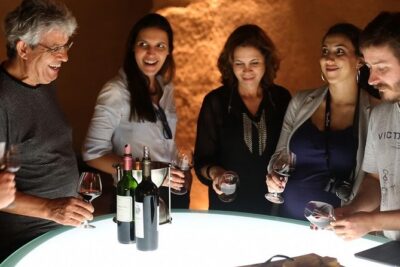
Medoc or Saint Emilion Wine Tasting and Chateau from Bordeaux
Read our review →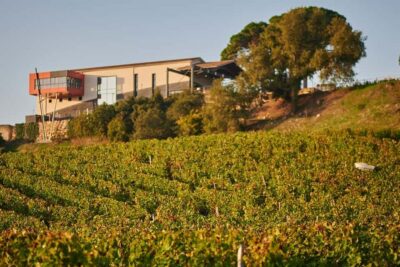
Saint-Émilion: Grand Cru Classé Winery Visit and Tasting
Read our review →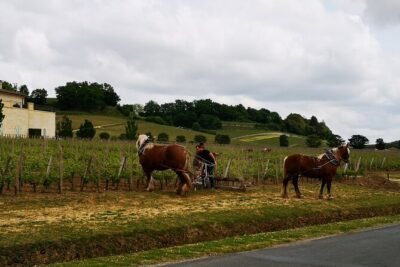
Saint Emilion Half-Day Trip with Wine Tasting & Winery Visit from Bordeaux
Read our review →
Champagne Day Trip with 6 Tastings, Reims and Winery from Paris
Read our review →
Saint-Emilion Afternoon Wine Tour – 2 Wineries & delicacies
Read our review →
Saint-Émilion: Bordeaux Vineyard Tour and Wine Tasting
Read our review →
Browse the lists this tour appears in