
REVIEW · PORTUGAL
Casa Relvas, Évora – Visit to the Winery with Tasting of Portuguese Grape Varieties and Tapas
Casa Relvas gives you a close look at how Alentejo wine moves from grape to bottle, then puts five single-varietal wines, tapas, and olive oils on the table. The visit is rooted in the daily work of a modern family winery, not just a tasting room speech.
I like the practical winery tour, especially the explanation of stainless steel tanks, oak barrels, and temperature control. I also like the chance to compare Portuguese grape varieties side by side, with local food to help make sense of the wines. The main consideration is the price: at $76 per person for 90 minutes, this is best for visitors who care about wine rather than anyone looking for a quick, inexpensive sample.
Key points to know before booking
- See the working winery: Follow the stages from grape reception and destemming to pressing and alcoholic fermentation.
- Learn what oak really changes: The aging-cellar visit covers oak origin, barrel size, toasting, and their effect on taste.
- Taste five single-varietal wines: This format makes grape-to-grape comparison easier than a mixed flight.
- Expect food with the wine: Tapas and Casa Relvas olive oils are included in the tasting.
- Ana may guide your visit: A private visit with Ana received especially warm praise for her time and clear explanations.
- Plan for 90 focused minutes: The short format works well as an Évora-area stop, though it leaves little room for a leisurely winery lunch.
A family winery with a practical Alentejo focus
Casa Relvas grew from a family connection to the land. That matters here because the visit is framed around the property, the region, and the everyday work of making wine. You are not simply shown a row of bottles and asked to choose a favorite.
The opening reception gives you a brief introduction to the winery’s story and the terroir of the Alentejo. Terroir is a useful word in wine, but it can become vague. Here, it serves as a starting point for understanding why the region’s grapes, climate, soil, and winemaking choices produce the wines in your glass.
I like that the introduction is followed by the working areas. You can connect the explanation to actual equipment instead of trying to remember a list of wine terms in a tasting room. If you are new to Portuguese wine, this order helps: first see how wine is made, then taste the result.
The available information does not give a detailed description of the property’s setting or the size of the group. I would therefore book this for the winery content, not for sweeping views or a long outdoor visit. The emphasis is on production, cellaring, and tasting.
More Wine and Tapas Tours in Portugal
- Albufeira/Vilamoura: Winery Tour with Wine Tasting and Tapas
★ 4.7 · 336 reviews - Wine Lovers: Winery Tour w/ Tasting & Tapas (Albufeira/Vilamoura)
★ 4.5 · 246 reviews - Herdade Canal Caveira – Winery Visit 4 Wines & Tapas
★ 4.5 · 15 reviews
From grape reception to fermentation tanks
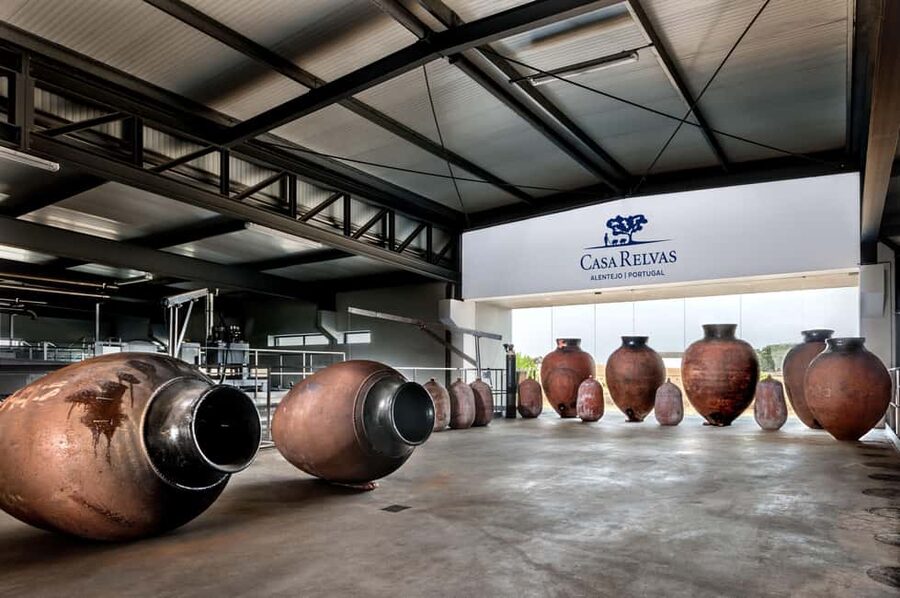
The production portion begins with grape reception. This is where the winery receives the harvested grapes before they enter the next stages of production. You then see or learn about destemming, pressing, and alcoholic fermentation.
These steps can sound technical, but they answer basic questions you may have while drinking wine. What happens to the grapes when they arrive? Why remove the stems? What does pressing do? How does grape juice become wine? Casa Relvas uses the equipment and process to give those questions a clear place in the visit.
The explanation includes stainless steel tanks and oak barrels. That comparison is useful because the two materials play different roles. Stainless steel is associated here with controlled fermentation and a clean setting for managing the wine. Oak brings another set of choices, including the origin of the wood, its toasting, and the barrel’s capacity.
Temperature control is also part of the discussion. It is an easy detail to overlook, yet it helps explain why winemaking involves more than simply putting grape juice into a container. Control over fermentation affects the final wine, and the guide can connect that technical point to the wines you later taste.
I appreciate this part because it gives you a way to listen actively. Instead of asking only if a wine tastes good, you can notice whether the wine feels fresher, rounder, more wooded, or more fruit-driven. The tour does not promise a winemaking course, but it offers enough structure to make your tasting more useful.
Inside the aging cellar and the barrel choices
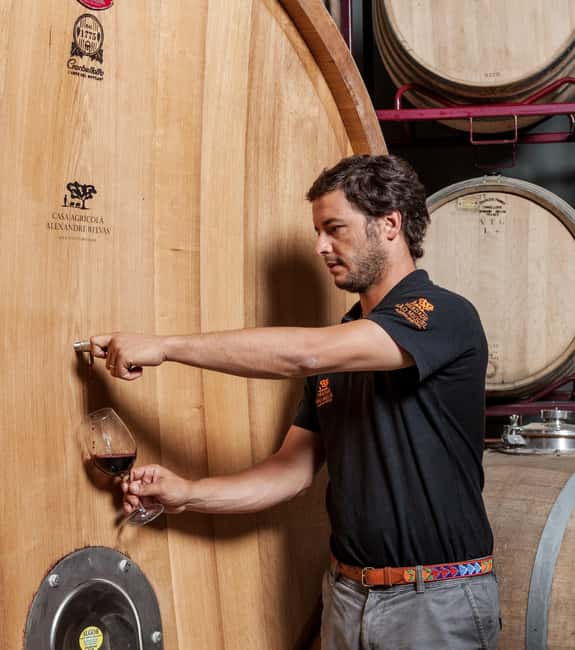
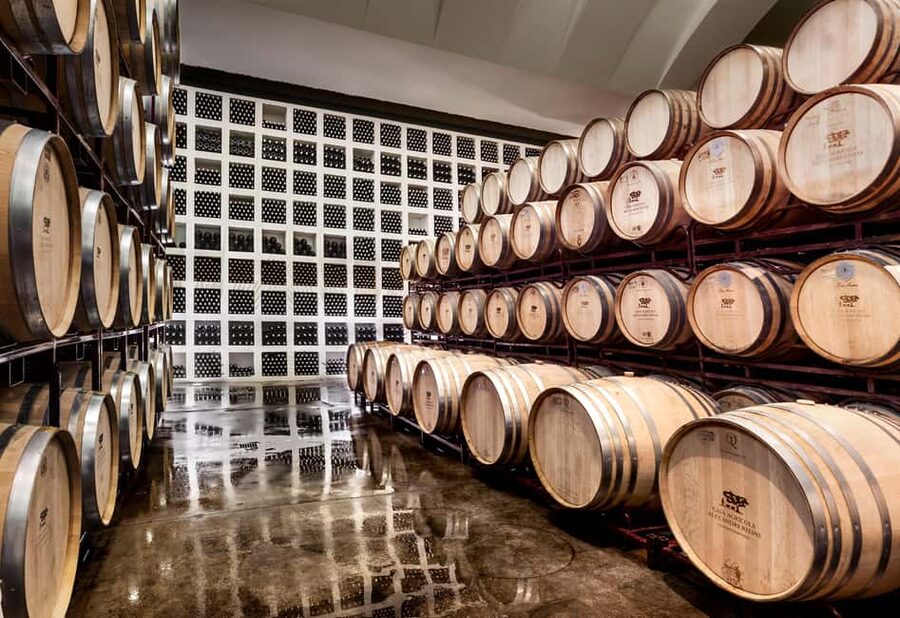
The aging cellar shifts attention from the early work of fermentation to the period when wine develops over time. You learn how Casa Relvas chooses barrels, including the oak’s origin, its level of toasting, and the barrel’s capacity.
Those details are not decoration. Each choice can change the wine’s aroma, texture, and overall balance. Oak can influence how a wine smells and feels, while barrel capacity affects the relationship between the wine and the wood. Toasting adds another variable to the sensory result.
For you, the value is the connection between a physical object and a tasting impression. When the guide later talks about wood, spice, softness, or structure, you have already seen the barrels and heard why they were selected.
The cellar also gives the visit a useful contrast. Stainless steel and oak are not simply two fashionable winery features. They represent different tools and different aims. A wine may spend time in one, the other, or both, depending on the style the producer wants.
The information supplied does not specify how long the wines age, how many barrels are in the cellar, or which wines come from which vessels. Do not expect a detailed vintage-by-vintage cellar inventory. Expect an explanation of barrel selection and its sensory effect.
Five single-varietal wines at the tasting table
The final stage is a tasting of five Casa Relvas wines made from single grape varieties. This is one of the strongest reasons to choose this experience. Tasting single-varietal wines gives you a cleaner comparison than a flight made from blends, since the grape itself becomes a major point of reference.
You can consider how each wine differs in aroma, body, acidity, fruit character, and finish. You do not need formal tasting language. Start with simple questions: Which wine smells most familiar? Which feels lightest? Which has the most noticeable oak? Which would you order with food?
The tasting follows the production visit, so you have context before the first sip. You have heard about fermentation, temperature, stainless steel, and barrels. That lets you ask better questions and notice more than you would during a stand-alone tasting.
I would not assume that all five wines will suit every palate. Single-varietal flights are educational, but comparison can expose differences you like less as well as those you prefer. That is part of the point. You are tasting across styles and grape varieties, not being guided toward one universally safe choice.
The supplied details do not name the five grape varieties or specify the order of service. If a particular Portuguese grape is important to you, ask the guide what is being poured when you arrive. The languages offered are English, Spanish, and Portuguese, though some content may be presented in its original language.
Same wine country, a different day out:
- Porto: Douro Valley with Winery Lunch, Tastings & Cruise
★ 4.7 · 7,002 reviews - From Porto: 2 Wine Regions, Farm-to-Table Lunch & Boat
★ 4.9 · 5,724 reviews - Porto: Bridges Cruise & Sunset & Port Wine Cellar Option
★ 4.2 · 4,180 reviews - Porto: Cálem Cellar Tour, Interactive Museum & Wine Tasting
★ 4.5 · 4,113 reviews
Tapas and olive oils make the tasting more useful
Casa Relvas serves tapas and its own olive oils with the wines. This is more than a pleasant extra. Food changes how wine tastes, and small savory portions give you a chance to compare the wines with something on the table.
The olive oils also widen the tasting beyond wine. Alentejo is strongly associated with agricultural products, and sampling the oils gives you another way to think about the property’s connection to the land. You can pay attention to how the oils taste on their own and how they work with the tapas and wine.
The available details do not list the specific tapas or explain how much food is served. Treat this as a wine tasting with accompanying bites, not a replacement for a full meal. If you are hungry, plan another meal around the visit.
The combination does add value at the table. At $76 per person, a tasting with five wines, tapas, and olive oils feels more complete than five small pours alone. Still, the price is not aimed at bargain hunters. The cost makes the most sense if you want the production visit and the guided explanation as well as the food and wine.
What the guide can add to the experience
The guide matters here because much of the value comes from interpretation. A quiet walk past tanks and barrels would tell you only so much. You need someone to explain why a winery uses different materials, how temperature enters the process, and what barrel decisions may do to the wine.
Ana received especially strong praise for her time and explanations. One visit was handled privately, even with only one person attending, and Ana gave that guest generous attention. Another booking also identified the guide as Anna and described her as informative. The names may reflect a spelling difference, but you should expect that Ana may be your guide.
A private or very small visit can make technical questions easier to ask. The supplied information does not guarantee a private tour or state the standard group size, so do not book on the assumption that you will have Ana alone. Still, the personal attention described gives you a useful reason to ask about the guide and group arrangement when making plans.
Guide languages are English, Spanish, and Portuguese. That is helpful for international visitors, but some content may appear in its original language. If you want every technical explanation in English, confirm that your selected session is suitable before booking.
Who will get the most from 90 minutes?
The 90-minute length is a real advantage in an Évora itinerary. You can fit the visit between other plans without giving up half a day. The schedule also keeps the focus clear: reception, production, aging cellar, then tasting.
I would choose this tour if you want to understand wine production rather than spend an entire afternoon at a vineyard. It suits couples, solo visitors, and small groups who enjoy asking questions and comparing wines. It also works for someone who already drinks wine but wants more context about oak and fermentation.
The short duration has a limit. You will not have much time for a slow, extended tasting after the winery explanations. The experience is organized around several distinct stages, so the pace may feel brisk if you prefer to linger over each glass.
It is less suitable if you want a full meal, an outdoor estate visit, or a broad tour of many producers. Casa Relvas focuses on its own wines, its own facilities, and its way of working. That focused approach is useful for learning, but it is not the same as a regional wine day with several stops.
Is $76 per person fair value?
At $76, I would judge the price against the full package, not the number of wine samples. You receive a 90-minute guided visit, a look at production equipment, an aging-cellar explanation, five single-varietal wines, tapas, and olive oils.
The value is strongest for curious wine drinkers. You are paying for access to the working process and for the guide’s interpretation of what you see. The tasting then gives you a chance to apply that information.
The value is weaker if you mainly want a cheap drink. Five pours and small bites alone would not make this an obvious budget choice. The winery visit is the reason to consider the price.
You may also buy bottles after tasting. One booking included the purchase of a couple of bottles, which suggests the tasting can help you decide what you actually like before buying. There is no need to buy anything, but tasting single-varietal wines first gives you a sensible basis for choosing.
Booking details that matter
You can cancel up to 24 hours in advance for a full refund. A reserve-now, pay-later option is also available, which helps if your Évora plans are still changing.
Check the available starting times because the tour lasts 90 minutes. The information provided does not give a fixed daily schedule, so availability will determine how easily you can fit it around sightseeing.
The experience is offered in Spanish, English, and Portuguese. Some content may be shown in its original language. If language is important to you, confirm the session details before committing.
The provider is Casa Relvas Lda. The listed price is $76 per person. No transportation details are provided, so you should confirm how to reach the winery and whether transport is included before booking.
Should you book Casa Relvas?
Book it if you want a focused Alentejo wine experience with real production content, not just a tasting flight. The strongest features are the explanation of stainless steel versus oak, the barrel-selection discussion, and the five single-varietal wines served with tapas and olive oils.
I would be especially inclined to book if Ana is leading the visit and you value patient explanations. The private visit described above suggests the tour can feel personal when numbers are small, though a private format is not guaranteed.
Skip it if $76 feels high for a 90-minute activity, if you need a full meal, or if you want several wineries in one day. For the right audience, Casa Relvas offers a compact and useful way to connect Alentejo wine with the work behind it.
FAQ
How long does the Casa Relvas winery visit last?
The experience lasts 90 minutes.
How many wines are included?
The tasting includes five single-varietal wines from Casa Relvas.
Is food included with the wine tasting?
Yes. Tapas and Casa Relvas olive oils are included.
What parts of winemaking will I see?
The visit covers grape reception, destemming, pressing, and alcoholic fermentation. It also explains stainless steel tanks, oak barrels, and temperature control.
Can I visit the aging cellar?
Yes. The experience includes a visit to the aging cellar, where the guide explains barrel origin, toasting, capacity, and sensory effects.
What languages are available?
The live guide is available in English, Spanish, and Portuguese. Some content may be presented in its original language.
More Food and Drink Experiences in Portugal
- Porto: Cálem Cellar Tour, Fado Show & Wine Tasting
★ 4.4 · 3,530 reviews - Porto: Taylor’s Port Cellars & Tasting
★ 4.6 · 3,374 reviews - Porto: Burmester Cellar Tour with Tasting & Pairing Options
★ 4.4 · 1,534 reviews - Loulé: Quinta da Tôr Winery Guided Tour and Wine Tasting
★ 4.7 · 661 reviews
Just added around Portugal
- Lisbon & The South Side Wine Regions Private Luxury Tour★ 5.0 · 4 reviews
- Urban winery tour, premium tasting flight & tapas★ 5.0 · 4 reviews
- Arrábida Wine Tour – 3 Wineries, Traditions & Views from Lisbon★ 4.5 · 6 reviews
- Lisbon: Sintra Town,Pena Palace, Moorish Castle& Quinta Regaleira★ 5.0 · 7 reviews
- Pena Palace, Moorish Castle and Quinta da Regaleira Walking tour★ 5.0 · 2 reviews
- Full Day Private Tour – Arrábida Beaches and Azeitão Wine Region★ 5.0 · 2 reviews
- Setúbal: Winery & Fish Market Tasting Tour from Lisbon★ 5.0 · 35 reviews
- Sintra Palaces Private Tour with Pena Palace and Quinta da Regaleira★ 4.5 · 31 reviews
Portugal Vineyard Tours, compared.

Douro Valley with Winery Lunch, Tastings & Cruise
Read our review →
Cálem Cellar Tour, Interactive Museum & Wine Tasting
Read our review →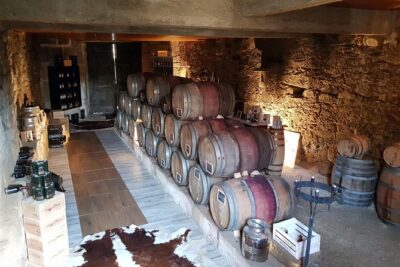
Douro Valley Tour: 2 Vineyard Visits, River Cruise, Winery Lunch
Read our review →

Tastings at 2 Wineries, Chef’s Lunch & Boat Tour
Read our review →
Douro Valley with Two Winery, Boat Trip and Lunch From Porto
Read our review →Browse the lists this tour appears in