
REVIEW · FRANCE
Chablis Tour and Tasting at Domaine Clotilde Davenne in French
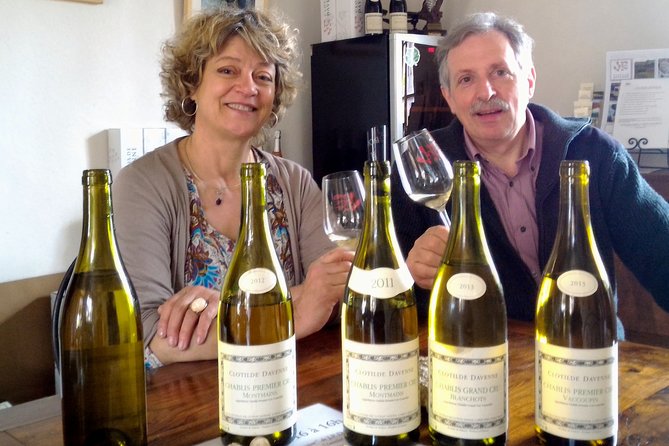
At Domaine Clotilde Davenne, the best part is the simple order of the visit: vineyard first, winery second, tasting last. You begin among the vines near the estate, connect the soil and setting to the wines, then taste a broad selection from Chablis and nearby Burgundy appellations.
I like the small scale, limited to 12 people, and the chance to choose wines from several appellations instead of tasting only one label. I also like the clear regional focus, with explanations of Chablis history, terroir, and the estate’s own production.
The main consideration is language. The standard experience is in French, while English tours are offered only at 9:30 a.m. or 2:00 p.m. The visit also depends on good weather because part of it takes place outdoors.
Key points to know before booking
- A small estate visit in Préhy: The meeting point is Domaine Clotilde Davenne, at 3 Rue de Chantemerle.
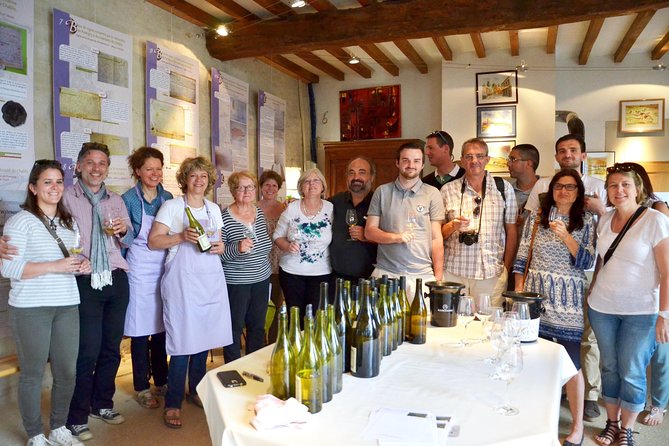
- A 90-minute format: You visit the vines, see the winery, and finish with a commented tasting.
- Several Burgundy appellations: The tasting can include Chablis, Saint-Bris, Irancy, Bourgognes, and Crémants.
- French by default: English is available at 9:30 a.m. or 2:00 p.m.
- A personal, human-scale setting: The group maximum is 12, which suits visitors who prefer a quieter winery visit.
- Good booking flexibility: Cancellation is free up to 24 hours before the start time, subject to the weather policy.
Starting among the vines in Préhy
The visit begins at Domaine Clotilde Davenne in Préhy, a village in the Chablis wine area. Rather than starting indoors with a sales pitch, you first go to the vines at the foot of the estate.
That opening matters. Wine can feel abstract when you only hear names on a tasting sheet. Seeing the vineyard first gives the rest of the visit a physical anchor. You hear about the terroir and the area’s wine history while standing in the place where the grapes begin.
The available information does not promise a long vineyard walk, so you should think of this as a short introduction to the vines rather than a full countryside hike. That is a sensible format for a 90-minute visit. You get the setting and the essential explanation without spending most of your appointment walking between rows.
I especially like this part for first-time visitors to Chablis. You are not asked to know the difference between the local appellations before arriving. The visit begins with the basic connection between place, vines, and wine, then builds toward the tasting.
The weather policy is worth taking seriously. Because the experience requires good weather, an outdoor portion is central to the format. Bring a jacket or rain layer when conditions look uncertain, and remember that a cancellation caused by poor weather should result in either another date or a full refund.
More Food and Drink Experiences in France:
- Medoc or Saint Emilion Wine Tasting and Chateau from Bordeaux
★ 5.0 · 1,415 reviews - Saint-Émilion: Grand Cru Classé Winery Visit and Tasting
★ 4.6 · 1,118 reviews - Saint Emilion Half-Day Trip with Wine Tasting & Winery Visit from Bordeaux
★ 4.5 · 1,034 reviews
Understanding Chablis terroir and wine history
The explanations cover the terroir and the history of Chablis wines. Those subjects are especially useful here because the tasting includes more than Chablis alone.
You may taste Chablis alongside Saint-Bris, Irancy, Bourgognes, and Crémants. Without some context, those names can blur together. A good explanation helps you understand why the estate produces a range of wines and gives you a way to compare the appellations rather than treating every bottle as simply another Burgundy wine.
The visit also includes information about the history of Chablis wines. This was one of the most praised parts of the experience, and I can see why. Wine tasting becomes more rewarding when the explanation covers not only flavor, but also how the regional identity developed.
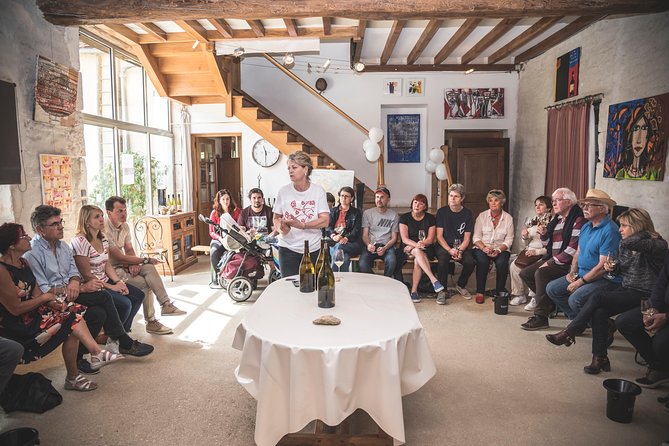
The format appears friendly rather than formal. The estate is described as an authentic setting, and the small size supports a more conversational feel. You should still expect a guided winery presentation, not an unstructured drop-in tasting. The visit has a clear progression and commentary throughout the tasting.
Because the tour is in French, your comfort with spoken French will shape how much you get from this section. English sessions are available at 9:30 a.m. or 2:00 p.m., so choose one of those times if you want the explanations in English. Do not assume every departure is bilingual.
Touring the winery at Domaine Clotilde Davenne
After the vineyard introduction, you discover the winery. The supplied details do not specify the exact cellar equipment, production methods, or age of the buildings, so you should not book this expecting a technical production tour with a long list of machinery and processes.
What you can expect is a look at the place where the estate’s wines are made, followed by tasting the production. That connection is valuable. You have just heard about the soil and local wine tradition, and now you see the estate that turns its grapes into finished bottles.
The small scale is part of the appeal. One review described the estate as a human-sized operation, and that is a useful way to picture the experience. This is not presented as a large commercial wine attraction with a crowd moving from room to room. The maximum of 12 people keeps the appointment manageable and should make it easier to follow the explanations.
The winery visit is also a practical middle step. If you went directly from the vines to the tasting table, the experience might feel like a standard sampling session. Seeing the winery gives you another point of reference before you begin comparing the wines.
Choosing from Chablis, Saint-Bris, Irancy, and more
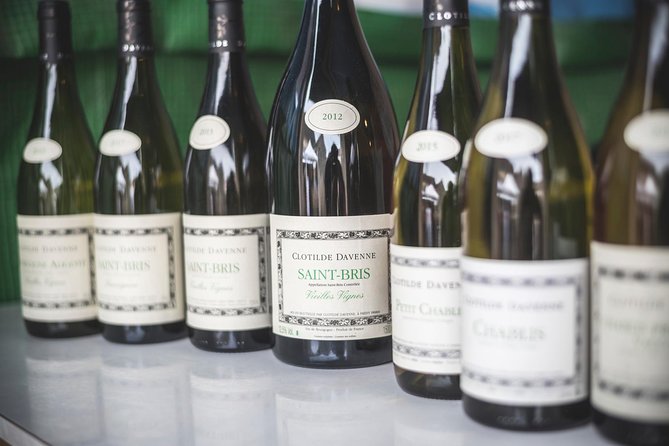
The tasting is not limited to one style. You can choose wines from the estate’s appellations, including:
- Chablis
- Saint-Bris
- Irancy
- Bourgognes
- Crémants
That range is one of the strongest reasons to book this visit. At about $20.74 per person, you are paying for a 90-minute combination of vineyard explanation, winery discovery, and guided tasting. The value is better if you want a regional overview rather than a single-wine introduction.
The wording indicates that you can taste wines of your choice from the available appellations. It does not specify a fixed number of pours, so I would not assume that every wine listed will be served or that you will taste the entire range. The exact selection may depend on the tasting discussion and what you choose.
Chablis is the obvious starting point, but the other names make the visit more useful for anyone trying to understand northern Burgundy. Saint-Bris, Irancy, Bourgognes, and Crémants give you a wider view of what the estate produces and how varied the regional offering can be.
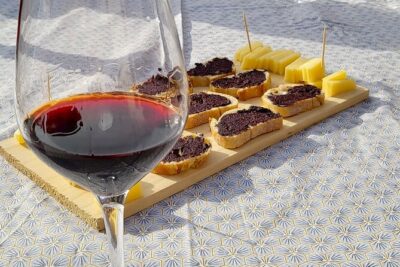
The tasting is commented, not simply poured. That means the wines are explained as you taste them. One of the strongest points in the feedback was the quality of the information during both the wine and Crémant tasting. This should help you pay attention to differences between bottles rather than judging each one in isolation.
I would take notes if you are considering buying wine later. Even a few words about the wines you prefer can help you remember which appellation or style appealed to you. The available details do not state that purchases are included, guaranteed, or required, so treat any bottle buying as separate from the tour price.
Same wine country, a different day out:
- Champagne Day Trip with 6 Tastings, Reims and Winery from Paris
★ 5.0 · 902 reviews - From Reims: Champagne and Family-Run Wineries Tour
★ 4.8 · 671 reviews - Saint-Emilion Afternoon Wine Tour – 2 Wineries & delicacies
★ 5.0 · 614 reviews - Saint-Émilion: Bordeaux Vineyard Tour and Wine Tasting
★ 4.8 · 578 reviews
Why the 12-person limit matters
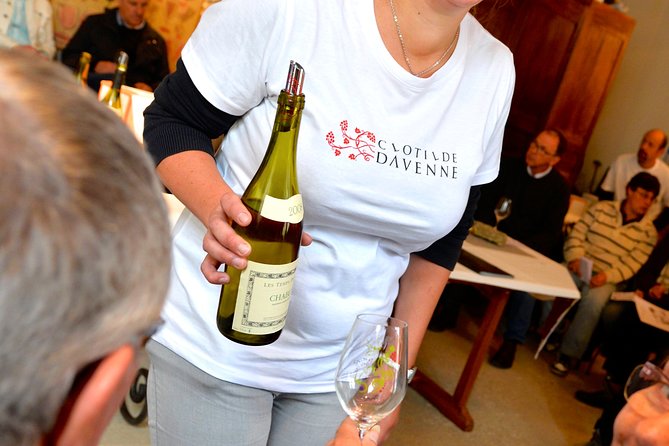
The group maximum is 12 people. That is large enough to create a social tasting, but small enough to avoid the feel of a bus tour.
For you, the main benefit is access to the explanation. A tasting works better when you can hear the comments and ask a question without competing with a large crowd. The experience is described as convivial and friendly, which fits a small group around a shared set of regional wines.
The small group does not guarantee a private tour. Twelve people is still a group, and the visit may feel less personal if it fills completely. Still, it is a useful limit, especially compared with larger winery operations.
This format suits couples, small groups, and solo visitors who want a guided introduction without committing to a full day of wine touring. It also works for people who want a focused stop between other Chablis activities. At 90 minutes, it gives you a clear appointment without taking over the day.
French sessions and English timing
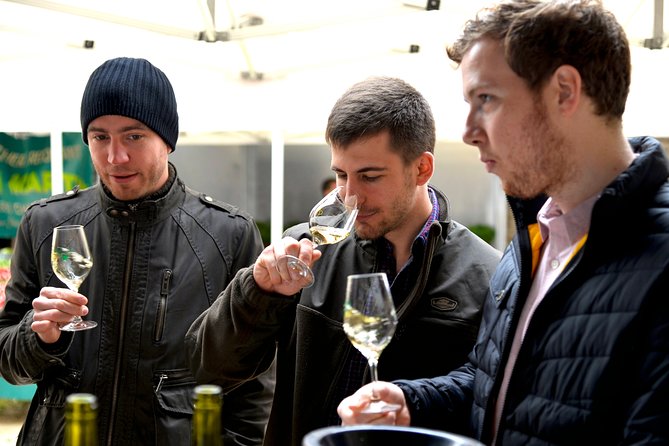
The experience is offered in French, with English tours available at 9:30 a.m. and 2:00 p.m. That is a helpful option, but it makes timing important.
If you need English, book one of those two sessions rather than selecting a different time and hoping the explanation will be translated. Wine terms can be easy to follow in another language, but the detailed discussion of terroir and history is where language matters most.
The information does not identify individual guides by name. The experience is operated by Clotilde Davenne SARL, but you should not expect to meet a specifically named host based on the available details.
The appointment begins and ends at Domaine Clotilde Davenne, 3 Rue de Chantemerle, 89800 Préhy, France. Since no transport from another town is included, you need to arrange your own way to the estate. The return to the same meeting point is convenient if you are driving or building a local route around the winery.
Confirmation arrives at booking. The experience is booked, on average, seven days in advance, which suggests that you should reserve ahead if your schedule is fixed. That is especially sensible for an English session, since only two times are specified.
The real value of the $20.74 price
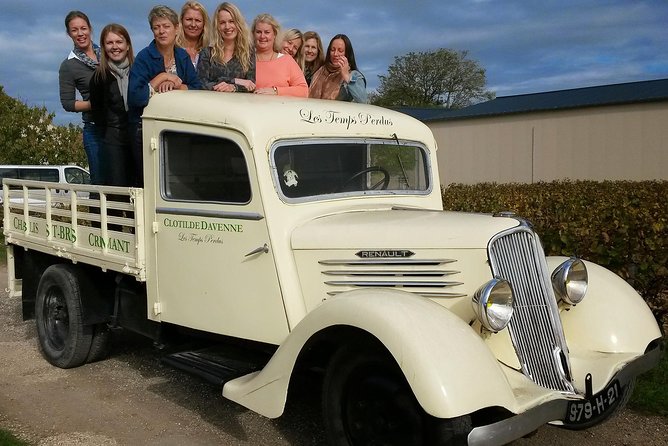
At $20.74 per person, this is priced as a modest introduction rather than a full-day wine program. The 90-minute visit includes three useful parts: the vines, the winery, and a commented tasting.
I consider that good value if you already plan to be in the Chablis area and want a structured way to learn about local wine. The price is particularly reasonable for anyone who values explanation. You are not paying only for samples. You are paying for the setting, the guided context, and the chance to compare wines from several appellations.
The value is less clear if you want an extensive estate visit, a long vineyard walk, or a large meal paired with the wines. None of those is listed. This is a compact wine appointment, not a full-day food and wine experience.
The broad selection helps the price. You may compare Chablis with Saint-Bris, Irancy, Bourgognes, and Crémants, which gives you more regional perspective than a tasting focused on a single bottle. Still, because the exact number of wines is not provided, I would judge the value by the quality of the commentary and the range available on the day, not by expecting a set number of pours.
Who will get the most from this visit
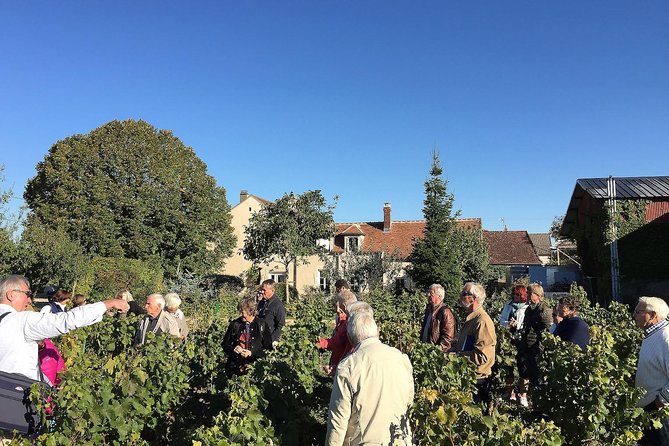
I would recommend this experience to you if you want a friendly, small-scale introduction to Chablis wine and prefer learning in the place where the wine is made.
It is a good fit for:
- First-time visitors to the Chablis area
- Wine drinkers who want context before tasting
- People interested in comparing several Burgundy appellations
- Couples and small groups seeking a short local activity
- Visitors comfortable with French, or those who can attend the English session times
- Anyone who prefers a winery with a group limit of 12
It may not suit you if you need a fully indoor activity, since part of the visit takes place in the vines and depends on good weather. It may also disappoint if you are looking for a long technical cellar tour, a meal, or transportation from another location. Those elements are not part of the stated format.
Service animals are allowed, and most people can participate. No special fitness requirement is given, but the outdoor vineyard portion means you should be ready to spend some time outside.
Cancellation, weather, and planning tips
You can cancel for a full refund up to 24 hours before the experience begins. Cancellations made less than 24 hours before the start time are not refunded, and changes inside that same window are not accepted.
The cutoff follows local time in France. If poor weather forces the estate to cancel, you should be offered another date or a full refund.
I would book at least several days ahead, especially for an English departure. Arrive at the stated meeting point, Domaine Clotilde Davenne at 3 Rue de Chantemerle in Préhy, and allow enough time to find the estate without rushing into the vineyard portion.
Because the activity ends where it starts, it is easy to fit into a day based in Préhy or nearby. The tour itself lasts about one hour and 30 minutes, but you should leave extra time afterward if you expect to continue tasting or shopping independently.
Should you book Domaine Clotilde Davenne?
Book it if you want a compact, fairly priced introduction to Chablis that connects the vines, the winery, and the glass. The small group limit, broad choice of appellations, and well-commented tasting make it more useful than a quick counter tasting.
I would choose the English session at 9:30 a.m. or 2:00 p.m. if you want the full explanation in English. I would also check the forecast before committing, since the vineyard visit depends on good weather.
Skip it if your priority is an all-day wine route, a large meal, or a highly technical cellar tour. For a 90-minute visit focused on regional wines and a personal estate setting, though, Domaine Clotilde Davenne offers a sensible way to get oriented in Chablis.
FAQ
Where does the Chablis tour begin?
It begins at Domaine Clotilde Davenne, 3 Rue de Chantemerle, 89800 Préhy, France.
Where does the tour end?
The activity ends back at the meeting point at Domaine Clotilde Davenne.
How long does the experience last?
The tour and tasting last approximately one hour and 30 minutes.
What language is the tour offered in?
The stated experience is in French. English tours are available at 9:30 a.m. or 2:00 p.m.
What wines can be tasted?
The tasting can include wines from the Chablis, Saint-Bris, Irancy, Bourgognes, and Crémant appellations.
Can I choose which wines to taste?
The experience includes a commented tasting of wines of your choice from the estate’s listed appellations.
How many people can join the tour?
The activity has a maximum of 12 participants.
Is the tour suitable for most people?
Yes. Most people can participate, and service animals are allowed.
How far ahead is the experience usually booked?
It is booked on average seven days in advance.
Can I cancel for a full refund?
Yes. You can cancel at least 24 hours before the start time for a full refund. Cancellations within 24 hours are not refunded.
Just added around France
- 3-Hour Private Painting tuition in a beautiful Cognac vineyard★ 3.5 · 2 reviews
- 4×4 tour in a winery followed by a tasting★ 5.0 · 46 reviews
- Winery Visit with Food and Wine in Carcassonne★ 5.0 · 59 reviews
- Walk in the vineyards of Chablis Grands Crus★ 4.5 · 7 reviews
- Wine Getaway with Tasting in the Chablis Vineyard★ 5.0 · 3 reviews
- Winery Tour & Wine Tasting – Deli Plate & 3 Wines★ 5.0 · 72 reviews
- Visit to the Faugères Vineyards with Picnic from Béziers★ 5.0 · 7 reviews
- Languedoc Vineyard Tours★ 5.0 · 25 reviews
France Vineyard Tours, compared.
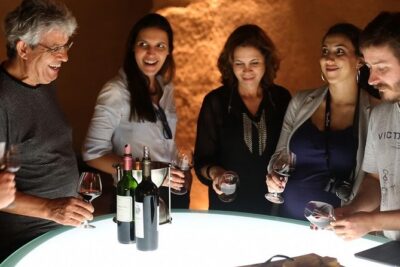
Medoc or Saint Emilion Wine Tasting and Chateau from Bordeaux
Read our review →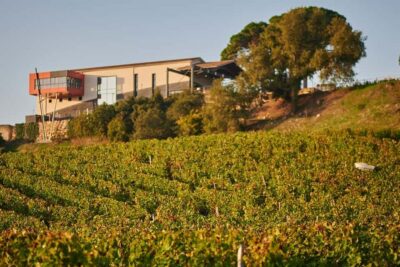
Saint-Émilion: Grand Cru Classé Winery Visit and Tasting
Read our review →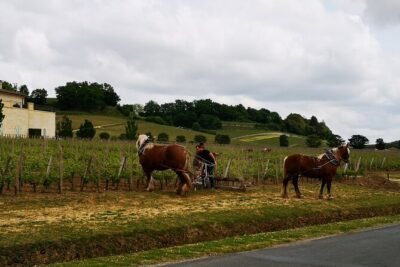
Saint Emilion Half-Day Trip with Wine Tasting & Winery Visit from Bordeaux
Read our review →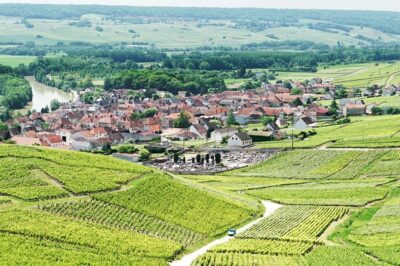
Champagne Day Trip with 6 Tastings, Reims and Winery from Paris
Read our review →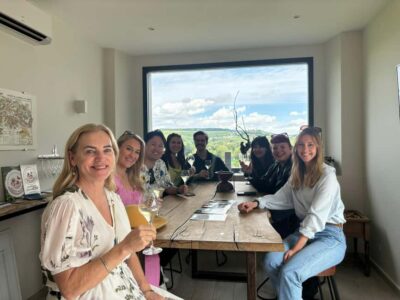
Saint-Emilion Afternoon Wine Tour – 2 Wineries & delicacies
Read our review →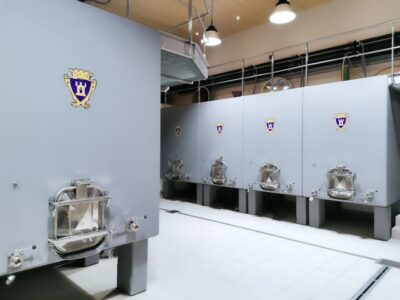
Saint-Émilion: Bordeaux Vineyard Tour and Wine Tasting
Read our review →
Browse the lists this tour appears in