
REVIEW · FRANCE
Tasting of 6 wines at Château Haut Breton Larigaudière
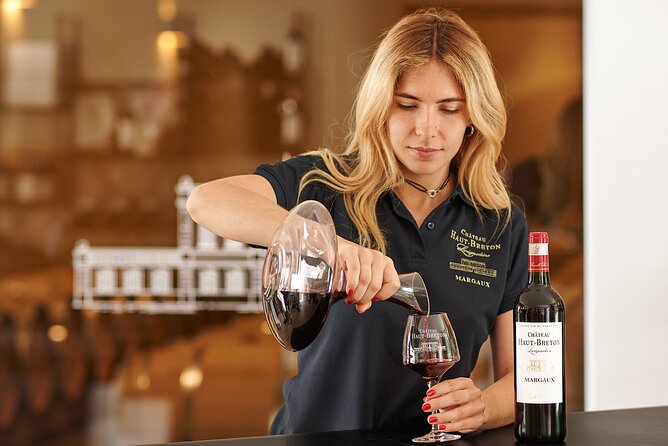
The main appeal here is simple: you taste six wines from three Bordeaux appellations in a small château shop setting, then learn how their styles differ. Lola, one of the hosts, has been praised for explaining each wine’s character, serving temperature, and useful food matches without making the session feel like a lecture.
I like the small group limit of 10 and the clear one-hour format. I also like that the tasting includes wines from Margaux, Bordeaux Supérieur, and Saint-Émilion Grand Cru, giving you a wider look at the De Schepper family’s production than a single-bottle sampling would.
The main consideration is that this is a tasting, not a full château tour or vineyard walk. You should book it for focused wine time, not for a long property visit, and remember that extra bottles or other purchases cost more.
Key points to know before booking
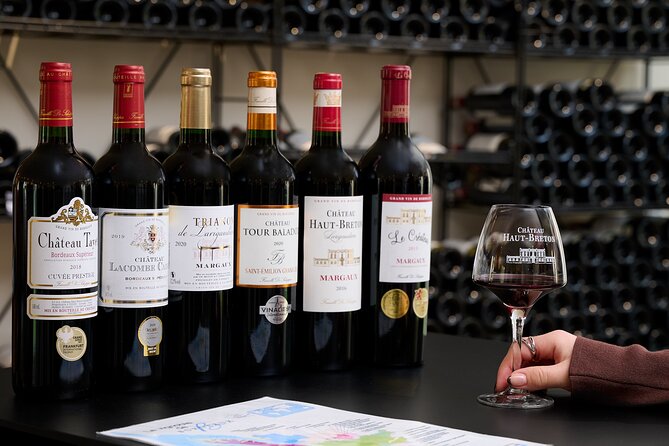
- Six wines in one hour: You taste six included glasses, enough for variety without turning the visit into an all-afternoon event.
- Three Bordeaux appellations: The selection covers AOC Margaux, Bordeaux Supérieur, and Saint-Émilion Grand Cru.
- Lola may lead your tasting: She has received special praise for explaining wine character, temperature, and food pairing.
- Small group setting: The maximum is 10 people, which should allow room for questions and conversation.
- Central meeting point: You begin and end at 3 Rue des Anciens Combattants in Soussans.
- Flexible cancellation: You can receive a full refund if you cancel at least 24 hours before the start time.
Six Bordeaux glasses at Château Haut Breton Larigaudière
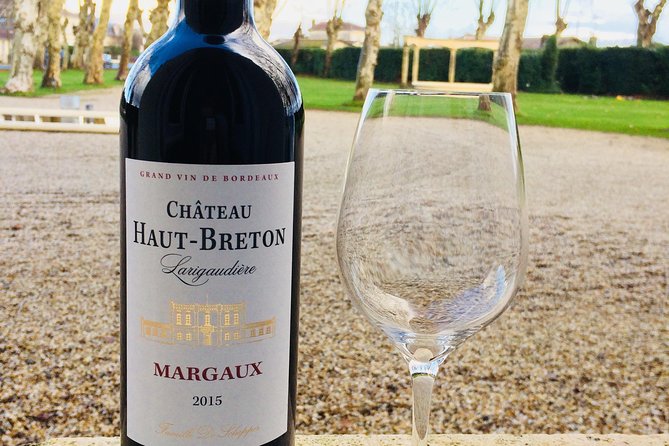
This experience puts the wine first. At the château shop, an expert introduces you to six bottles connected with the De Schepper family. The selection represents three familiar Bordeaux names: Margaux, Bordeaux Supérieur, and Saint-Émilion Grand Cru.
That range gives the tasting a useful shape. You are not simply sampling six unrelated wines. You are comparing wines from different appellations, each with its own place within the Bordeaux system. Even if you already know a little about French wine, the side-by-side format can help you sort out what you like.
The tasting includes six glasses of alcoholic beverages. That matters because the price covers the central part of the experience rather than only an introduction followed by a sales pitch. Additional purchases are not included, so you can enjoy the tasting without committing to buy anything.
You should expect a guided session in the château shop, not a formal meal. The supplied details do not promise snacks, a vineyard walk, cellar access, or a full estate tour. If any of those matter to you, ask before booking. The strongest reason to choose this activity is the chance to taste and compare.
More Food and Drink Experiences in France:
- Medoc or Saint Emilion Wine Tasting and Chateau from Bordeaux
★ 5.0 · 1,415 reviews - Saint-Émilion: Grand Cru Classé Winery Visit and Tasting
★ 4.6 · 1,118 reviews - Saint Emilion Half-Day Trip with Wine Tasting & Winery Visit from Bordeaux
★ 4.5 · 1,034 reviews
What the one-hour format gives you
An hour is a sensible length for six wines. It leaves enough time to taste each glass and hear basic information about its character, while keeping the appointment easy to fit into a day around Soussans and the wider Bordeaux wine area.
A shorter tasting can feel rushed if every wine gets only a quick sip and a name. Here, the available feedback points to a more useful rhythm. Lola explained the six wines individually, including their characteristics, serving temperatures, and possible food pairings. Those details turn a tasting from a checklist into practical advice you can use later.
You will not have unlimited time to study each wine. Six wines in approximately 60 minutes means the session needs to keep moving. That is fine for most people, but serious wine students may want a longer appointment with more technical detail. This is best seen as an accessible introduction or a well-planned stop for people who want variety without spending half a day in one place.
The one-hour length also helps if your group includes mixed interests. A wine fan gets a guided comparison, while someone who is curious but not committed to the subject does not have to sit through a long seminar.
Comparing Margaux, Bordeaux Supérieur, and Saint-Émilion Grand Cru
The most valuable part of the tasting is the chance to place three appellations beside one another. Margaux is part of the famous Médoc wine area, while Saint-Émilion Grand Cru comes from the Right Bank. Bordeaux Supérieur offers another point of comparison within the wider Bordeaux category.
The tasting description does not promise a fixed order or list the six specific labels. That is worth noting. The exact lineup may depend on availability, so you should avoid arriving with expectations about particular vintages or bottles.
Still, the appellation mix gives your host useful material. You can ask how the wines differ in style, how they are meant to be served, and which foods suit them best. Lola’s guidance on serving temperature is especially handy. Wine that is too warm can seem heavy, while wine served too cold may hide some of its character. You do not need to become a wine expert to make better choices at dinner.
The session may also help you understand why a familiar Bordeaux name does not tell you everything. Appellation, producer, vintage, and serving conditions all affect what reaches your glass. Six wines cannot explain every part of Bordeaux, but they can give you a practical starting point.
Lola’s practical approach to the tasting
The clearest personal detail available about the hosting comes from Lola. Her role was not limited to pouring wine. She explained the character of all six selections and added serving-temperature advice and possible food pairings.
That is exactly the sort of help I value in a short tasting. Tasting notes can become a parade of fruit, spice, oak, and other terms that mean little once you leave the room. Temperature and food pairing are more concrete. You can carry those tips into a restaurant, a market, or your next dinner at home.
Lola also responded warmly to the people she hosted, which suggests a friendly tone rather than a stiff classroom presentation. You should not assume she will lead every departure, since the experience is offered by the château and host assignments can vary. But her contribution is a useful sign of the level of personal explanation you may receive.
Because the group is capped at 10, you should have a better chance to ask questions than you would at a large commercial tasting. The small size does not guarantee a private appointment, but it keeps the session from becoming a crowd around one table.
Same wine country, a different day out:
- Champagne Day Trip with 6 Tastings, Reims and Winery from Paris
★ 5.0 · 902 reviews - From Reims: Champagne and Family-Run Wineries Tour
★ 4.8 · 671 reviews - Saint-Emilion Afternoon Wine Tour – 2 Wineries & delicacies
★ 5.0 · 614 reviews - Saint-Émilion: Bordeaux Vineyard Tour and Wine Tasting
★ 4.8 · 578 reviews
The château shop setting
The tasting takes place at the château shop. This is practical and direct: you arrive at the stated meeting point, take part in the tasting, and finish back there.
The shop setting also makes additional purchases possible, although they are not part of the $24.03 price. You can treat the included tasting as a chance to decide what you actually enjoy before buying anything. That is a better approach than choosing a bottle based only on its label or appellation.
The information does not describe the shop’s design, the surrounding grounds, or any formal presentation of the château itself. I would therefore keep your expectations focused. You may find the setting pleasant and atmospheric, but the confirmed feature is the guided wine tasting.
This distinction matters when comparing wine activities. Some experiences sell a full estate visit with architecture, vineyards, cellars, and a tasting. This one offers a tighter format. If you want to spend your time discussing what is in the glass, that focus is a strength. If you want a broad sightseeing stop, it may feel limited.
Is $24.03 a fair price?
At $24.03 per person, the value comes from six included tasting glasses and guided interpretation in a group of no more than 10. You are paying about four dollars per wine before placing any value on the host’s time, the setting, or the convenience of a scheduled appointment.
That is a reasonable structure for a visitor who wants to compare several Bordeaux wines without buying six full bottles. The tasting also lowers the risk of spending money on a bottle you may not enjoy. You can listen, taste, and decide later.
The value is less clear if you mainly want a quick drink or a scenic château photo. Six wines may be more than you want, and the one-hour appointment is built around learning about the selections. Also remember that extra purchases are separate. The tasting price is not a credit toward bottles.
For people who enjoy wine, the price looks strongest when you use the session as a comparison lesson. Pay attention to what you prefer, take note of the serving advice, and use the food-pairing suggestions when you order Bordeaux elsewhere. That makes the experience useful beyond the hour itself.
Who will enjoy this experience most?
I would recommend this tasting to anyone who wants an approachable introduction to Bordeaux appellations. You do not need advanced wine knowledge. The structure gives you six chances to compare styles, and the practical explanations help you understand what to do with the information.
It also suits couples, small groups of friends, and people planning a wine-focused day in the area. The maximum of 10 keeps the appointment intimate enough for questions while still allowing you to meet other wine drinkers.
The activity is offered in English, which removes one common barrier for international visitors. If your group includes people with different levels of interest, the one-hour length is helpful. The wine enthusiast can concentrate on the details, while the less committed person gets a contained experience rather than a long tour.
Service animals are allowed. The provided details do not state other accessibility features, so anyone with specific mobility or access needs should confirm arrangements before booking.
Who may want a different Bordeaux visit?
You may want another option if your priority is a full château tour. No vineyard walk, cellar visit, meal, or architectural tour is listed here. You should not book this expecting a broad estate program.
It may also be a poor fit if you do not drink alcohol. The included experience is six alcoholic tastings, and there is no stated nonalcoholic alternative.
Finally, people searching for a highly technical wine course may find the hour too short. The session appears designed for clear, useful guidance rather than advanced study of soils, winemaking methods, or vintage variation. You can ask questions, but the confirmed format is a tasting with explanations, not a specialist certification class.
Timing, meeting point, and booking details
The meeting point is 3 Rue des Anciens Combattants, 33460 Soussans, France. The activity ends at the same location, so you do not need to arrange a separate return point for the tasting itself.
The experience is available with a mobile ticket and is offered in English. Confirmation arrives within 48 hours of booking, subject to availability. It is booked about 14 days ahead on average, so I would not leave it until the last minute if your schedule is fixed.
Free cancellation is available when you cancel at least 24 hours before the local start time. Cancel later than that, or request changes within the final 24 hours, and you should not expect a refund or an accepted change.
The price and duration make this easy to add to a larger day, but plan your timing carefully if you are arranging other appointments. The tasting lasts about one hour, and the listing does not include transport to or from Soussans.
What to pay attention to during the six glasses
Start by noticing which wines you prefer before trying to find the correct vocabulary. Your own response is useful. Then listen for the host’s explanation of how the wines differ and ask about the appellation connected with each glass.
Serving temperature is one of the most practical subjects to remember. If Lola is leading, expect this to receive attention. Ask which wines benefit from being served cooler and which should have more time at a warmer temperature, but do not assume every detail will be identical for every vintage.
Food pairing is another good topic. The available guidance specifically includes possible pairings, so ask about dishes you enjoy rather than only accepting general suggestions. A question about a favorite meal can make the advice more useful to you.
You can also ask which wines are intended for immediate drinking and which might suit longer keeping, but only if the host chooses to cover that subject. It is not promised in the description, so treat it as a possible question rather than part of the fixed program.
Should you book the Château Haut Breton Larigaudière tasting?
Book it if you want a compact, English-language introduction to six Bordeaux wines, especially if comparing Margaux, Bordeaux Supérieur, and Saint-Émilion Grand Cru sounds more useful than touring a large property. The price is fair for six included glasses, a small group, and practical guidance on temperature and food.
I would be particularly happy to choose it as a focused stop during a Bordeaux wine day. Lola’s clear explanations are a strong reason to look forward to the session, though the host may vary.
Skip it if you want a vineyard walk, a meal, or a full château visit. This is a one-hour tasting in the château shop, and its value depends on your interest in learning through comparison. For wine-curious visitors who want a manageable appointment and the freedom to buy only what they like, it is a sensible choice.
FAQ
Where does the wine tasting begin?
The experience begins at 3 Rue des Anciens Combattants, 33460 Soussans, France.
Where does the activity end?
The tasting ends back at the meeting point.
How many wines are included?
Six tasting glasses of wine are included.
Which wine regions or appellations are represented?
The tasting includes wines representing AOC Margaux, Bordeaux Supérieur, and Saint-Émilion Grand Cru.
Is the tasting offered in English?
Yes. The experience is offered in English and includes a mobile ticket.
What is the cancellation policy?
You can cancel for a full refund if you do so at least 24 hours before the local start time. Cancellations or changes made less than 24 hours before the start are not accepted for a refund.
Just added around France
- Day Trip to the Sancerre and Pouilly Vineyards★ 5.0 · 20 reviews
- 3-Hour Private Painting tuition in a beautiful Cognac vineyard★ 3.5 · 2 reviews
- 4×4 tour in a winery followed by a tasting★ 5.0 · 46 reviews
- Winery Visit with Food and Wine in Carcassonne★ 5.0 · 59 reviews
- Walk in the vineyards of Chablis Grands Crus★ 4.5 · 7 reviews
- Wine Getaway with Tasting in the Chablis Vineyard★ 5.0 · 3 reviews
- Winery Tour & Wine Tasting – Deli Plate & 3 Wines★ 5.0 · 72 reviews
- Visit to the Faugères Vineyards with Picnic from Béziers★ 5.0 · 7 reviews
France Vineyard Tours, compared.
Medoc or Saint Emilion Wine Tasting and Chateau from Bordeaux
Read our review →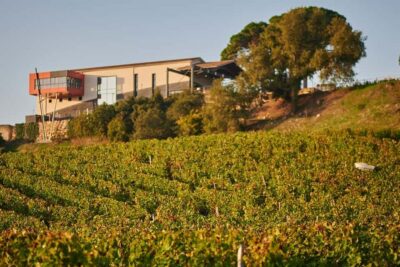
Saint-Émilion: Grand Cru Classé Winery Visit and Tasting
Read our review →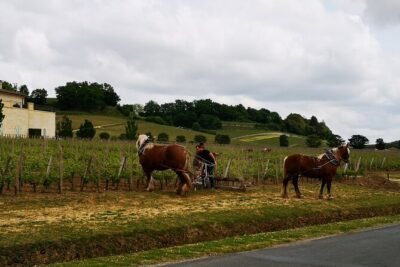
Saint Emilion Half-Day Trip with Wine Tasting & Winery Visit from Bordeaux
Read our review →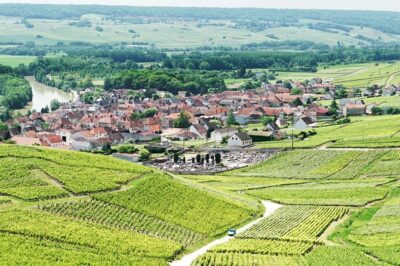
Champagne Day Trip with 6 Tastings, Reims and Winery from Paris
Read our review →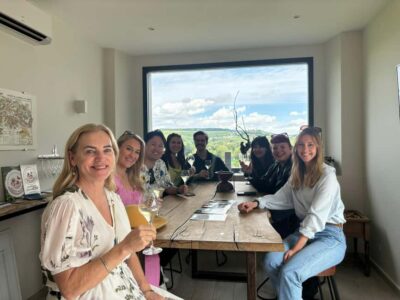
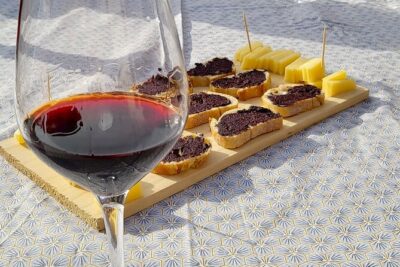
Saint-Emilion Afternoon Wine Tour – 2 Wineries & delicacies
Read our review →
Saint-Émilion: Bordeaux Vineyard Tour and Wine Tasting
Read our review →
Browse the lists this tour appears in