
REVIEW · BORDEAUX
Discovery of the Bordeaux vineyard in 3 wines
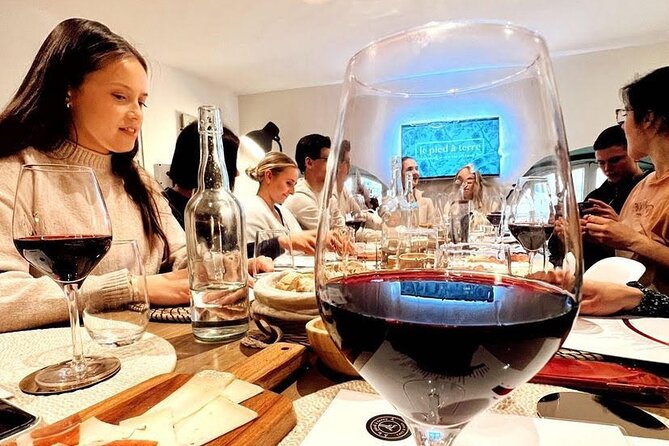
Bordeaux makes more sense once you taste its contrasts side by side. At Le Pied à Terre, you try three wines: a powerful red from the Left Bank, a graceful red from the Right Bank, and a dry white from a noted estate. The tasting also connects each glass to its grapes, appellation, estate, and winemaking style.
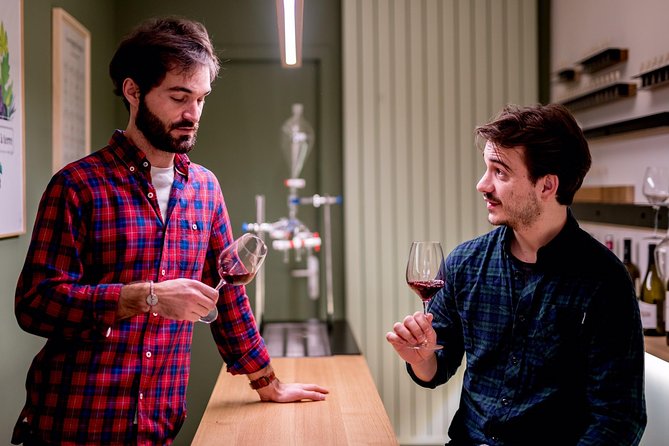
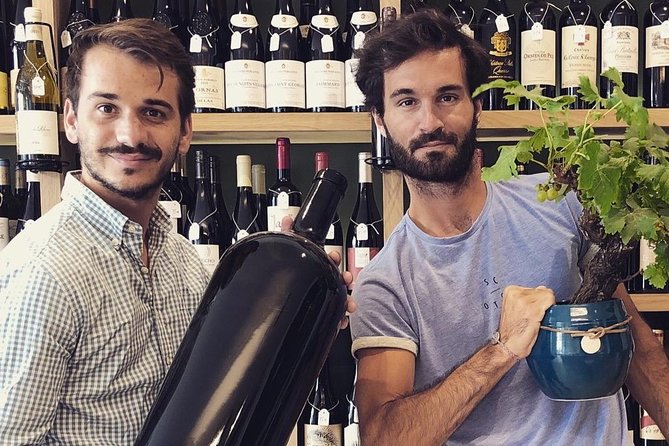
I like the small maximum group of 12, which leaves room for questions, and I like the plain, friendly teaching style. Hosts such as James and Pierre explain wine without making beginners feel foolish. The Basque charcuterie and cheese give you something useful to taste alongside the wine.
The main thing to check is the start time. One booking channel has shown a morning option, while direct experience information says tastings take place at 2:30 p.m. Also, this is a cellar or wine-shop tasting, not a visit to a vineyard or château.
Key points at a glance
- Three distinct Bordeaux styles: Compare a Left Bank red, Right Bank red, and dry white in one sitting.
- A practical introduction: Learn how to taste, read Bordeaux labels, understand appellations, and discuss food pairings.
- Friendly English instruction: James and Pierre have led sessions with humor, patience, and clear explanations.
- Basque food pairing: Charcuterie and cheese from Maison Pierre Oteiza accompany the wines.
- Central Bordeaux setting: Meet at 22 Rue Judaïque, then finish at the same address.
- Good short-format value: The 90-minute session costs $42.33 per person and suits a first afternoon in Bordeaux.
Why three wines explain Bordeaux so well
Bordeaux wine can look confusing on paper. There are many appellations, famous estates, classification systems, grape blends, and river-bank distinctions. A single bottle tells only part of the story.
This tasting gives you three reference points. The first is a strong red from the Left Bank, where Cabernet Sauvignon often plays an important role. The second is a more elegant Right Bank red, associated with a different balance of grapes and a different local character. The third is a dry white, a useful reminder that Bordeaux is not only about big red wines.
You do not simply taste and move on. Each glass is placed in context. You hear about the appellation, grape varieties, estate history, and winemaking methods. That makes the comparison useful after the session, when you are looking at a Bordeaux wine list or trying to choose a bottle in a shop.
The tasting is also designed to explain what you should notice. You learn how to look at the wine, smell it, taste it, and describe its character without needing specialist vocabulary. This is especially helpful if wine tasting usually feels like a performance where everyone else knows the right answer.
A few more vineyard days around Bordeaux worth a look
- Medoc or Saint Emilion Wine Tasting and Chateau from Bordeaux
★ 5.0 · 1,415 reviews - Saint Emilion Half-Day Trip with Wine Tasting & Winery Visit from Bordeaux
★ 4.5 · 1,034 reviews - Saint-Emilion Afternoon Wine Tour – 2 Wineries & delicacies
★ 5.0 · 614 reviews
At Le Pied à Terre on Rue Judaïque
The meeting point is 22 Rue Judaïque, 33000 Bordeaux, at Le Pied à Terre. The address is easy to find in the city, and the activity begins and ends there. You do not need to arrange transport to a remote château or spend half a day getting out to the vineyards.
That central format is both a benefit and a limitation. You save time and get a focused lesson in the city, which works well if your Bordeaux visit is short. You will not see vines, cellars beneath a historic estate, or production equipment. If your main goal is to walk through a vineyard and watch wine being made, choose a separate château visit.
The tasting room has been described as an attractive upstairs space in the shop. The setting is more intimate than a large commercial class, with a maximum of 12 people. That size matters because wine questions are part of the experience. You can ask about a grape, a label, a tasting smell, or a food pairing without waiting for a huge group to move along.
The international mix can also add to the afternoon. People from different countries and with different levels of wine experience share the same table. Solo visitors may find this format easy because the class naturally gives you something to discuss.
The opening lesson: how to taste without the fuss
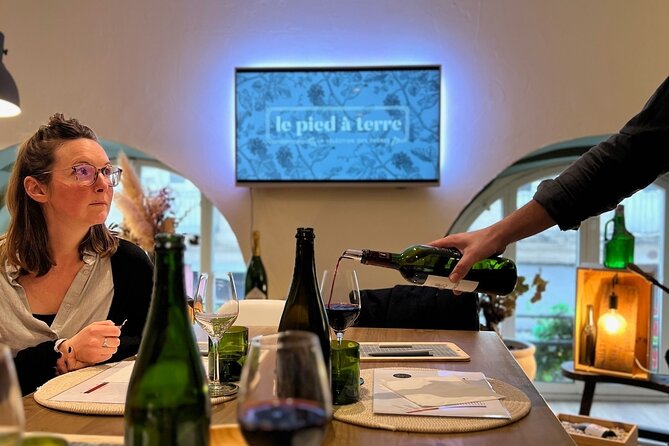
The session begins with the basics of tasting. You learn a simple method for assessing wine rather than being told to admire it in vague terms. The teaching is practical, with attention to appearance, aroma, flavor, balance, and finish.
That approach suits beginners. You do not need to arrive knowing the difference between Médoc and Saint-Émilion, or to identify every grape in a blend. The point is to give you a framework that you can use later.
The hosts are known for a relaxed delivery. James has been praised for explaining Bordeaux classifications and tasting technique in clear English, while Pierre has been described as an easygoing and entertaining teacher. The exact host may vary, but the format is intended to be interactive rather than a formal lecture.
You should feel free to ask basic questions. This is one of the better reasons to book the tasting early in your Bordeaux stay. The information can help you make sense of later wine-shop visits, restaurant menus, or a longer trip into the surrounding wine country.
First glass: the power of a Left Bank red
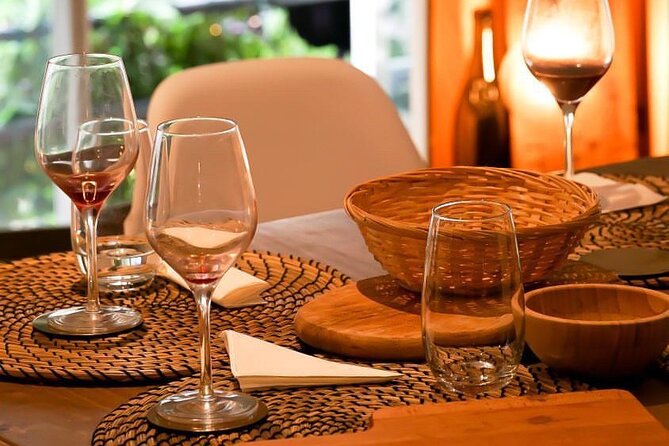
The first red represents the Left Bank style. The purpose is not simply to serve an expensive or famous wine. It is to show how a Bordeaux red can feel structured, powerful, and built for food.
You may hear about the grape blend, the local appellation, and how winemaking choices affect the result. The explanation gives you a way to connect the wine in your glass with the larger Bordeaux system.
This is where the food pairing helps. The accompanying bread, cheese, and Basque charcuterie give you a chance to notice how salt, fat, and texture change the wine. The food comes from Maison Pierre Oteiza, a Basque producer, and adds a regional touch without turning the tasting into a full meal.
Keep your expectations in check about the serving size. The experience includes three tasting-size glasses, not three full pours. That is sensible for a 90-minute class, particularly when you want to compare wines clearly rather than simply drink a large quantity.
Some sessions have included Grand Cru Classé wines, but the exact bottles can vary. Treat the selection as a teaching tool, not as a guaranteed list of specific labels.
Same wine country, a different day out:
- Bordeaux: Vineyards Wine Tasting Half-Day Trip
★ 4.2 · 470 reviews - St-Emilion & Médoc Wine Day Tour: Chateaus, Tastings and Lunch
★ 5.0 · 430 reviews - Half-Day Wine tour across Bordeaux’s Vineyards
★ 3.5 · 429 reviews - Bordeaux Full Day Wine Tour – 3 Wineries & Gourmet Picnic Lunch
★ 5.0 · 307 reviews
Second glass: the Right Bank comparison
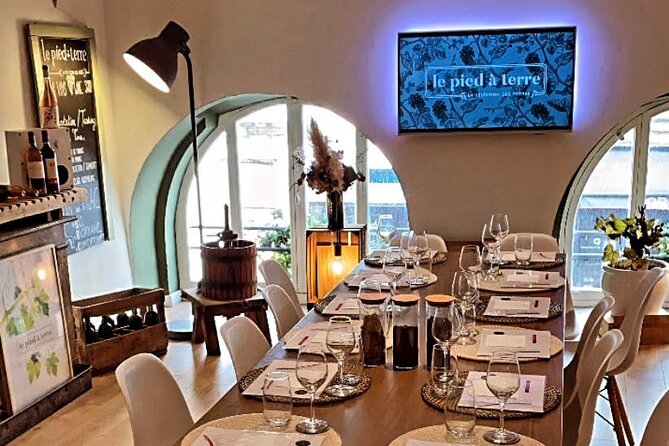
The second red shifts the focus to the Right Bank. This is the most useful comparison of the afternoon because the wines are presented together rather than discussed as separate regional facts.
You can consider the difference in body, aroma, texture, and finish while the first wine is still fresh in your memory. The host explains how the Right Bank’s grapes, appellations, and estate practices create a different style from the Left Bank example.
This side-by-side method makes Bordeaux geography easier to remember. Instead of memorizing a long list of names, you attach each bank to a sensory impression. The lesson also helps you understand why two bottles from the same broad region can taste quite different.
The talk may include Bordeaux’s classification and governance system, including the rules that allow producers to use regional names on their labels. That detail is not the most exciting part of a wine afternoon, but it is useful. Bordeaux labels can seem cryptic, and knowing what an appellation does gives you a better chance of buying intelligently.
One small caution: the teaching style is conversational. That makes it warm and accessible, but the discussion may wander a little if the group asks many questions. Readers who want a tightly scripted, technical master class may prefer a more formal course.
Third glass: dry white Bordeaux
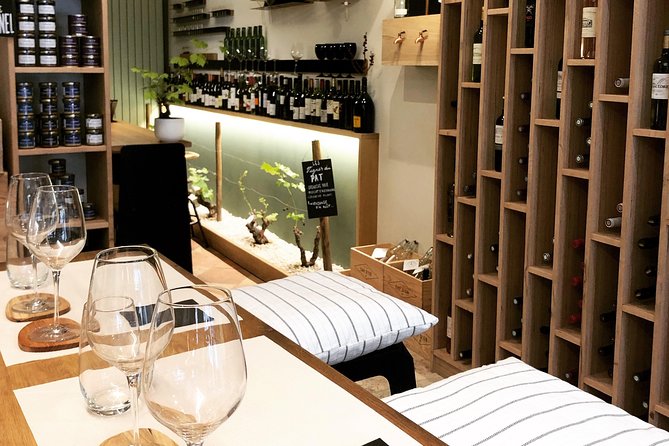
The dry white is an important part of the tasting because it breaks the idea that Bordeaux means only Cabernet-based reds. It brings freshness and a different set of aromas and food matches to the table.
The host explains the estate, grape varieties, and winemaking choices behind the white. You can then compare its acidity and freshness with the fuller red wines. This makes the final glass feel like a real change of direction rather than a repeat of the first two pours.
A dry Bordeaux white also gives you practical restaurant knowledge. It can work with lighter food and seafood, while the reds suit more substantial dishes. The discussion of pairings helps you think beyond rules such as red with meat and white with fish.
The tasting food is modest. A small board has included bread, cheese, and ham, with some descriptions calling it simple rather than generous. It works as a pairing aid, but you should not book this as lunch or dinner. Eat beforehand if you need a full meal.
Vegetarian and vegan adjustments have been possible when arranged ahead of time. If that matters to you, tell the provider before the session rather than waiting until you arrive.
The history behind the glass
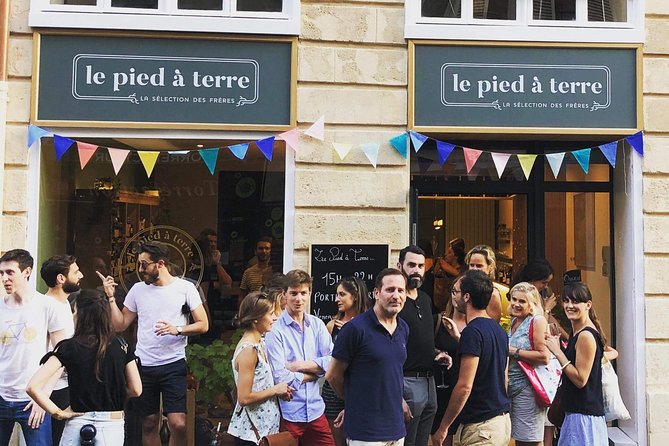
Bordeaux wine has a long story, and the teaching reaches back to Roman times. You hear how the region’s wine culture developed, along with the history of estates and the systems that shape modern labels.
The historical material is most useful when it explains a wine in front of you. You are not sitting through a general history class. Instead, the stories help connect a place, a producer, and a style.
The hosts use humor and anecdotes to keep the subject approachable. That matters because Bordeaux terminology can become dry very quickly. A good story about a producer or an old regional custom can make an appellation easier to remember than a list of facts.
The tone is not snobbish. Several parts of the session are built for complete beginners, yet more experienced wine drinkers can still ask about classification, production, or regional differences. The result is best described as a friendly introductory class with enough detail to reward curious drinkers.
Price, timing, and the practical value
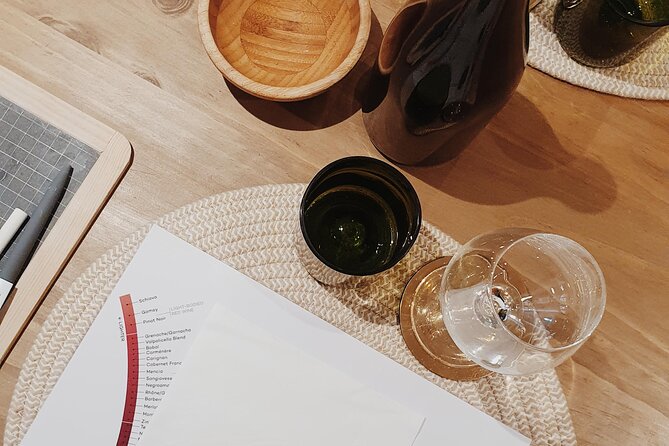
At $42.33 per person, the tasting costs more than a casual glass of wine, but you are paying for three samples, instruction, historical context, and food pairing. For someone new to Bordeaux wine, that is fair value, especially if the session helps you choose better bottles and understand menus during the rest of your trip.
The 90-minute duration is another advantage. A château excursion can take much longer and may require transport outside the city. This session gives you a concentrated introduction without consuming an entire day.
It is commonly booked around 22 days ahead, so I would not leave it until the last morning of your stay. The group limit of 12 also keeps the setting personal, but it means late booking may be less successful during busy dates.
The timing deserves special attention. The supplied experience details indicate an afternoon tasting, and one specific update says the tastings take place at 2:30 p.m., despite a possible 11 a.m. time shown elsewhere. Confirm the start time when you book. Arrive at the stated Rue Judaïque address, and remember that the activity returns to that same meeting point.
Mobile tickets are accepted, and confirmation is sent at booking. The venue is near public transport, and service animals are allowed.
Who will get the most from this tasting
I would choose this for a first-time Bordeaux visitor who wants a clear introduction before spending money on bottles or booking a longer wine-country excursion. It also suits couples, families with adult children, solo visitors, and mixed groups where some people are beginners.
You will get the most from it if you ask questions. Ask what the appellation means, why the Left Bank and Right Bank taste different, or which food would suit the wine. The hosts are used to explaining the basics and can also discuss more advanced points.
Experienced wine drinkers may still enjoy the regional comparison and the Grand Cru Classé examples that can appear. Still, do not expect a specialized certification course or a detailed analysis of dozens of estates. Three wines can show a pattern, but they cannot represent every style in Bordeaux.
The experience is less suitable if you want a vineyard walk, a château tour, or a large amount of wine. It is also not the right pick if your schedule depends on a morning start and you cannot confirm the afternoon timing.
Should you book Discovery of the Bordeaux vineyard in 3 wines?
Book it if you want a short, social, English-language lesson that makes Bordeaux wine easier to understand. The three-wine structure is smart, the small group keeps the class personal, and the food pairing adds useful context.
I would especially recommend it as one of your first Bordeaux activities. You can then use what you learn at restaurants, wine shops, and later château visits. At $42.33, it offers solid value for a focused 90-minute introduction.
Skip it if you need an actual vineyard visit or a full meal. Before paying, confirm that the 2:30 p.m. start fits your plans and ask about dietary needs if you require a vegetarian or vegan pairing. Free cancellation is available up to 24 hours before the start time, but changes or cancellations inside that window are not refunded.
FAQ
Where does the Bordeaux wine tasting begin?
It begins at Le Pied à Terre, 22 Rue Judaïque, 33000 Bordeaux, France.
Where does the activity finish?
The tasting ends back at the same meeting point on Rue Judaïque.
How long does the experience last?
It lasts approximately 1 hour and 30 minutes.
How many wines are included?
The program includes a guided tasting of three Bordeaux wines.
What styles of wine are tasted?
You taste a powerful red associated with the Left Bank, an elegant red from the Right Bank, and a dry white Bordeaux.
Is the tasting offered in English?
Yes. The activity is offered in English.
How many people can join the group?
The maximum group size is 12 people.
Is food included?
Yes. The tasting includes Basque charcuterie and cheese from Maison Pierre Oteiza, along with bread.
Is this a visit to a vineyard or château?
No. The experience takes place at Le Pied à Terre in Bordeaux rather than at a vineyard or château.
Can I cancel for a full refund?
Yes, if you cancel at least 24 hours before the experience start time. Cancellations or changes made less than 24 hours before the start time are not refunded.
Just added around Bordeaux
- Half-Day Guided Wine Tasting Tour in Bordeaux Vineyards★ 5.0 · 15 reviews
- Medoc Afternoon Wine Tour – 2 Wineries, tastings & delicacies★ 4.5 · 74 reviews
- Private tour in the Sauternes wine region – discover Bordeaux sweet Crus Classés★ 5.0 · 7 reviews
- 3H private city tour of Bordeaux and vineyard in a Citroën DS★ 5.0 · 4 reviews
- Private 2cv tour in the vineyards and Wine tasting★ 5.0 · 14 reviews
- Bordeaux Médoc Region Private Wine Lovers Tour with Chateau Visits & Tastings★ 5.0 · 40 reviews
- Bordeaux wine tour off the beaten path (red & white wines)★ 5.0 · 5 reviews
- Half-day in the Médoc : 2 wineries & 6 wines★ 5.0 · 2 reviews
Bordeaux Vineyard Tours, compared.
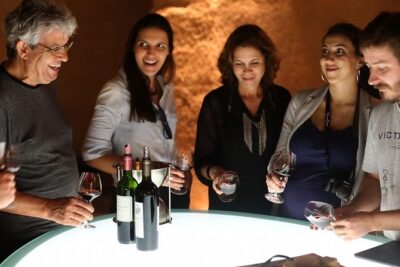
Medoc or Saint Emilion Wine Tasting and Chateau from Bordeaux
Read our review →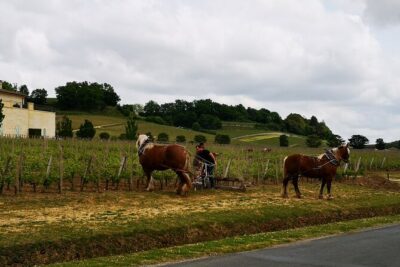
Saint Emilion Half-Day Trip with Wine Tasting & Winery Visit from Bordeaux
Read our review →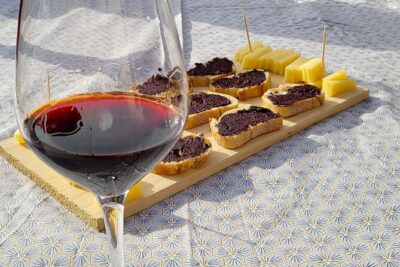
Saint-Emilion Afternoon Wine Tour – 2 Wineries & delicacies
Read our review →
St-Emilion & Médoc Wine Day Tour: Chateaus, Tastings and Lunch
Read our review →
Bordeaux Full Day Wine Tour – 3 Wineries & Gourmet Picnic Lunch
Read our review →
Medoc Region Wine Day Trip with Vineyard Visits & Tastings from Bordeaux
Read our review →Browse the lists this tour appears in