
REVIEW · BORDEAUX
Medoc Afternoon Wine Tour, 2 Wineries, tastings & delicacies
Médoc is where Bordeaux’s grand château image meets the practical work of making wine. This afternoon tour takes you along the famous Route des Châteaux, with a Grand Cru Classé visit near Margaux or Saint-Julien, followed by a smaller château and a cheese pairing.
I like the small eight-person group, which keeps the drive relaxed and avoids the slow shuffle of a large coach. I also like the balance of two stops: one focused on top-ranked Bordeaux, the other on a more approachable Cru Bourgeois tasting. The main drawback is the tight schedule, so you get a useful introduction rather than a long, leisurely day in the vineyards.
Key points at a glance
- Grand Cru Classé near Margaux or Saint-Julien: See the classical château style and learn how the 1855 classification still shapes Bordeaux wine.
- Two distinct winery visits: Taste at a prestigious estate, then compare it with a Cru Bourgeois producer.
- Four to six red wines included: The tasting is built for Cabernet lovers and Bordeaux newcomers alike.
- Cheese and local produce pairing: The final château adds a glass of wine with regional delicacies.
- New eight-seat minivan: Central Bordeaux pickup and drop-off make this easier than arranging your own transport.
- Five-hour afternoon schedule: Meet at 1:30 p.m. and return around 6:30 p.m., with no lunch included.
Why this Médoc afternoon works well
Médoc is not simply a wine region you pass through on the way to somewhere else. It is a long strip of vineyards north of Bordeaux, known for Cabernet-based red wines, formal estates, and a classification system that has guided reputations and prices for generations.
This tour gives you a compact way to understand that world. You do not spend the whole afternoon tasting in one cellar. Instead, you see two different kinds of Bordeaux producer and hear how traditional methods work beside newer technology. That contrast is one of the tour’s best features.
The experience costs $129 per person. That is not a bargain-basement outing, but the price includes transport from central Bordeaux, a local guide, winery fees, two visits, four to six red wine tastings, and a final glass with local food. If you do not have a rental car or prefer not to drive after tasting wine, the value improves quickly.
You should think of this as a focused introduction to Médoc, not a full-day wine course. The afternoon has enough time for the essential pieces, but not much spare time for lingering among the vines or adding an unscheduled stop.
A few more vineyard days around Bordeaux worth a look
- Medoc or Saint Emilion Wine Tasting and Chateau from Bordeaux
★ 5.0 · 1,415 reviews - Saint Emilion Half-Day Trip with Wine Tasting & Winery Visit from Bordeaux
★ 4.5 · 1,034 reviews - Saint-Emilion Afternoon Wine Tour – 2 Wineries & delicacies
★ 5.0 · 614 reviews
Meeting the minivan in central Bordeaux
The tour begins at 1:30 p.m. in front of the Bordeaux Tourist Office at 12 cours du 30 Juillet. The nearest tram access is Quinconces on lines B and C, which makes the meeting point straightforward if you are staying in central Bordeaux.
Arrive early. The vehicle leaves precisely because the wineries expect the group at set times. If you are late, the guide will leave without you. This is not the kind of excursion where you can wander in five minutes after departure and expect the group to still be waiting.
Transport is in a new, air-conditioned eight-seat minivan. With a maximum of eight participants, the format feels more personal than a standard coach tour. You can ask questions while driving, and the guide can explain what you are seeing along the road instead of simply delivering a speech at the first château.
The ride to Médoc takes about an hour. That is useful time, not dead time. Your English-speaking guide introduces Bordeaux’s vineyard areas and points out features of the Route des Châteaux. The drive also helps you understand the scale of Médoc before you walk into a tasting room.
Bring a reusable water bottle. Bottled water is not provided, and an afternoon of wine tasting in warm weather is better with water between samples. Comfortable shoes, a hat, and sunscreen are sensible too, since the route may involve outdoor walking around the estates.
Following the Route des Châteaux
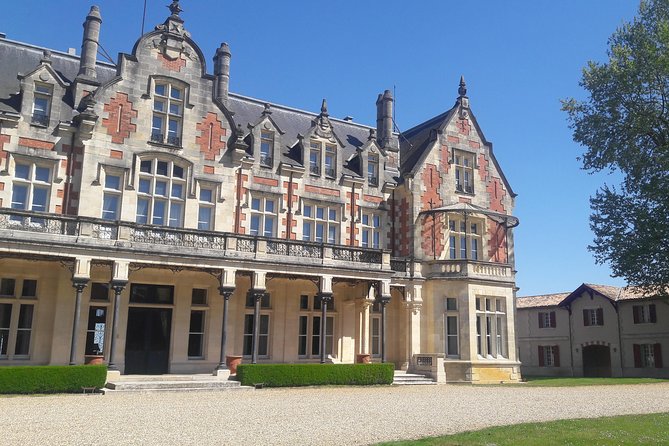
The road through Médoc is part of the experience. Grand estates and vineyard plots create a strong sense of place, while the château buildings give the region much of its visual identity. The tour is designed to show you the classical architecture associated with Bordeaux’s best-known names, particularly around the Margaux and Saint-Julien appellations.
Your guide adds context as you travel. That matters because Bordeaux labels can seem like a puzzle of château names, appellations, classifications, and producer categories. You will hear about the 1855 classification, created for the Paris Exposition, and why Grand Cru Classé status remains such a powerful marker in the region.
The classification is not a simple ranking of every wine in Bordeaux. It applies to selected estates in specific areas, and it helps explain why certain château names carry such weight. Seeing a Grand Cru Classé property in person makes the subject easier to grasp than reading a list of names in a wine shop.
The route itself is scenic, but do not expect a sightseeing tour with long photo stops at every estate. The schedule is built around winery appointments. You see the countryside from the minivan, then spend your limited walking time where the visit and tasting take place.
First stop: Grand Cru Classé near Margaux or Saint-Julien
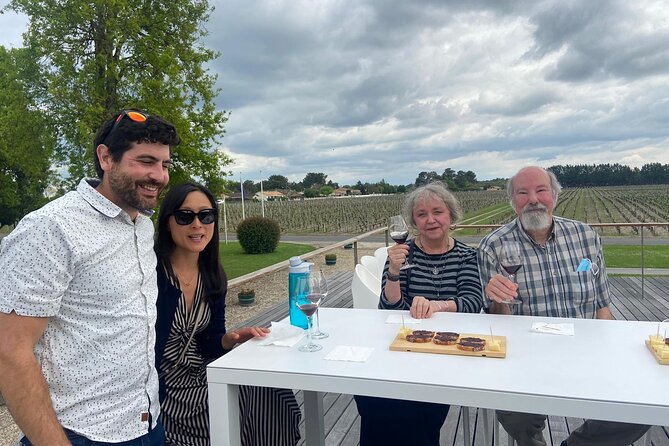
Around 2:30 p.m., you visit a Grand Cru Classé winery in either the Margaux or Saint-Julien appellation. The exact estate is not fixed in the information provided, so you should book this knowing the stop may vary.
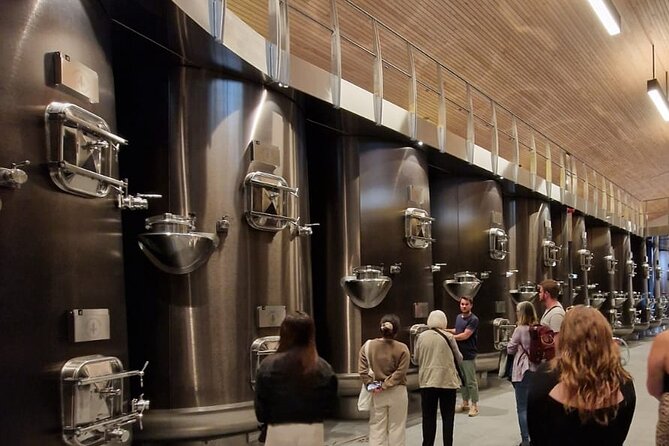
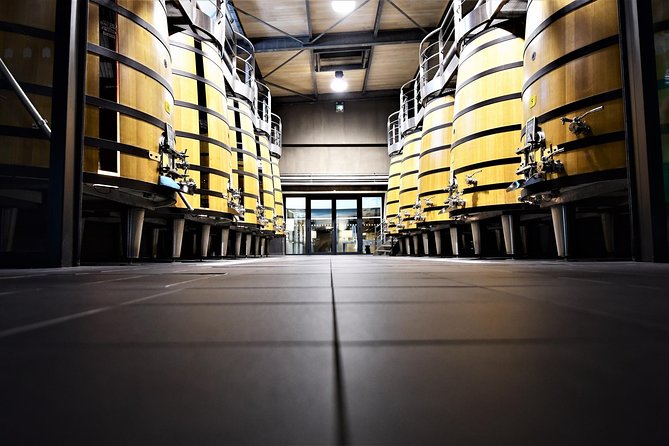
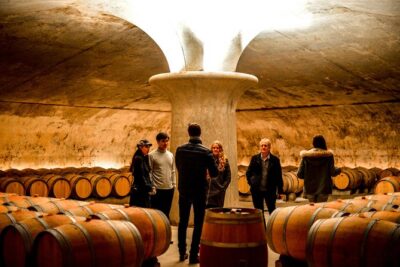
This first visit gives the afternoon its grand Bordeaux setting. You can expect a guided explanation of the winery, its production, and the methods used to make the wines. The tour focuses on the old and new sides of winemaking: traditional practices remain important, but modern equipment and careful control now help producers achieve consistent results.
That combination is worth paying attention to. Bordeaux often presents itself through old stone buildings and long-established names, yet wine production is not frozen in the past. The useful question is not tradition or technology. It is how the two work together.
The tasting includes red wines, with the overall tour offering four to six samples across both wineries. Médoc is a natural fit for people who enjoy Cabernet-led blends, structured reds, and wines made for food. If your taste leans toward light whites or sweet wines, this is probably not the best match.
The Grand Cru Classé stop is also the place to ask about prestige and price. A famous classification can make a bottle expensive, but it does not remove the need to taste thoughtfully. Notice what you like about the wine, then compare that with what you encounter at the second château.
Same wine country, a different day out:
- Bordeaux: Vineyards Wine Tasting Half-Day Trip
★ 4.2 · 470 reviews - St-Emilion & Médoc Wine Day Tour: Chateaus, Tastings and Lunch
★ 5.0 · 430 reviews - Half-Day Wine tour across Bordeaux’s Vineyards
★ 3.5 · 429 reviews - Bordeaux Full Day Wine Tour – 3 Wineries & Gourmet Picnic Lunch
★ 5.0 · 307 reviews
Second stop: Cru Bourgeois and a French-style aperitif
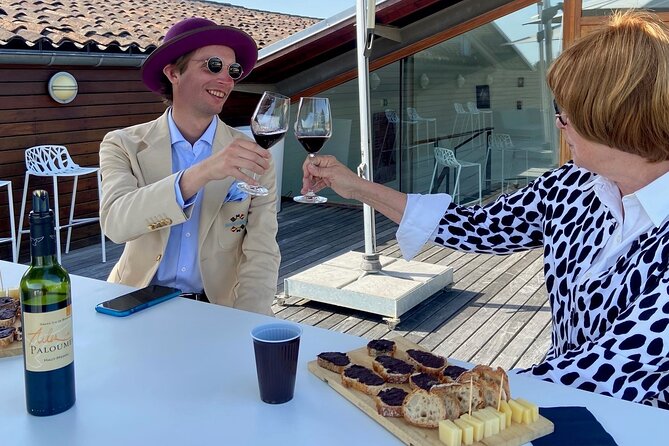
At about 4:15 p.m., the group reaches a Cru Bourgeois winery. This is a useful change of emphasis. Instead of spending the whole afternoon at the most prestigious level of Bordeaux, you see a category that can offer a different route into Médoc wine.
The visit includes another guided look at production and a tasting. The tour description allows for four to six red wines in total, so the exact number may depend on the wineries and the day’s arrangements. You also receive an additional glass paired with local delicacies.
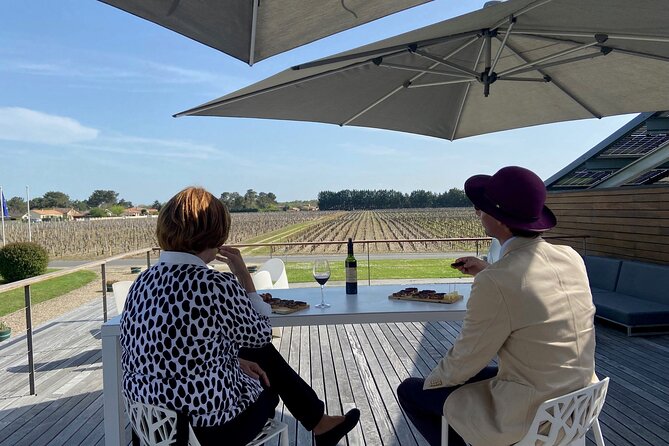
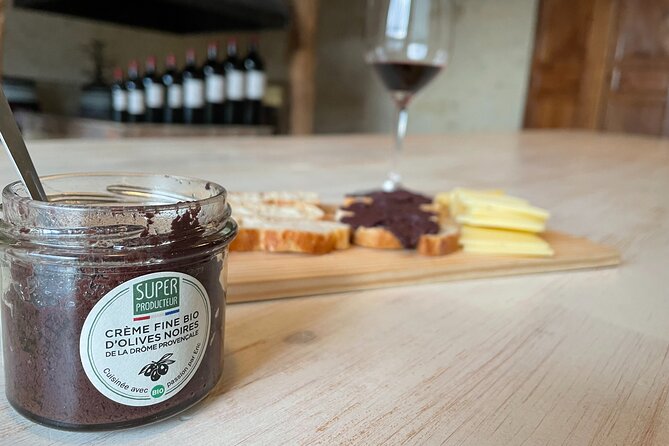
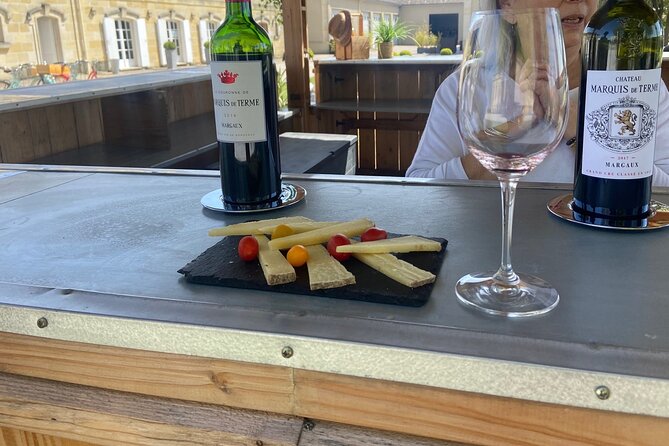
The cheese and local-produce platter makes the second stop more relaxed. Wine can seem abstract when you taste it alone, especially if you are still learning how to identify tannin, acidity, fruit, and oak. Food gives those qualities a practical purpose. A firm red may make more sense alongside cheese than it does from a small tasting glass.
One past version of the visit also included a blending session, described as great fun. Because that activity is not promised in the current details, treat it as a possible extra rather than a guaranteed part of your tour. The reliable feature is the wine tasting with local food.
This stop also helps keep the tour grounded. You see that Médoc is not only about trophy bottles and grand gates. It is also about producers, vineyards, cellar work, and the pleasure of sitting down with a glass and something to eat.
What the small group changes
The limit of eight participants is one of the strongest reasons to choose this outing. A small group allows the guide to handle questions without turning every answer into a formal presentation. It also makes the minivan practical rather than cramped.
Past guests specifically appreciated having only six people in the vehicle, with no long waits for a larger party. That detail matters on a five-hour schedule. Every delayed departure reduces time at the wineries, so a small group can help the afternoon keep its rhythm.
The guide is a major part of the experience. The tour is conducted in English, and guide Laura has been specifically praised for being friendly and well informed. Another guide was noted for speaking fluently in both French and English. You should still view the guide’s role realistically: the château staff lead the formal winery visits, while your tour guide connects the stops and explains the wider Bordeaux picture.
A small group does not guarantee a private tour. You may be sharing the minivan and tastings with other visitors, and the minimum number is two people. If that minimum is not reached, the tour can be rescheduled or canceled with a full refund.
The timing, food, and practical tradeoffs
The schedule runs from 1:30 p.m. to about 6:30 p.m. That makes it easy to fit into a Bordeaux day. You can spend the morning in the city, have lunch before departure, then finish with enough evening left for dinner.
Lunch is not included. Eat beforehand, since the cheese and local-produce pairing comes late in the tour and should not be treated as a full meal. The final food service is a tasting accompaniment, not a restaurant lunch.
You should also plan for the possibility of standing and walking at the wineries. Comfortable shoes are recommended, and outdoor conditions may be warm. A hat, sunscreen, and water bottle are practical additions, even though the tour itself is mainly a vehicle ride, guided visits, and tastings.
Children under 18 are not suitable for this activity, and pets are not accepted. Luggage is not part of the arrangement either. A carry-on may be brought only by request, so leave large bags at your accommodation.
The tour information also notes that Saint-Émilion village is not wheelchair accessible and asks visitors to contact the provider about alternatives. This particular outing is to Médoc, not a Saint-Émilion village visit, but anyone with access needs should contact the provider before booking rather than assume every château stop will work for them.
Is $129 a fair price?
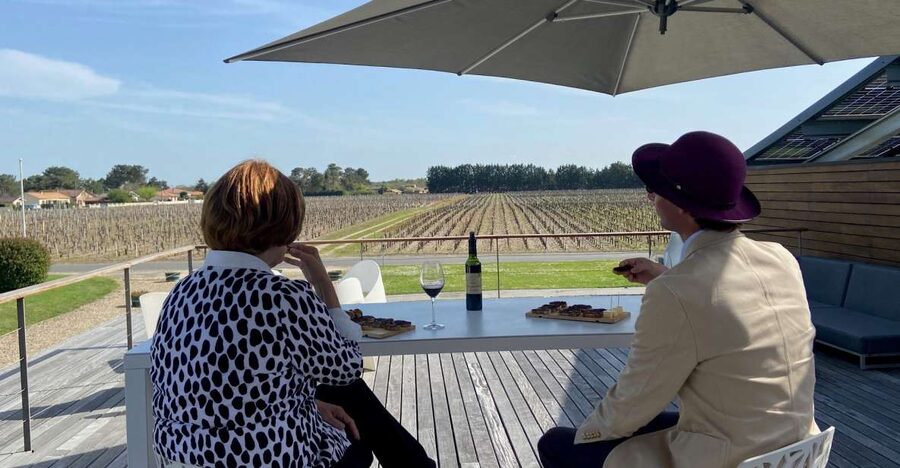
At $129, you are paying for more than the liquid in the glass. The fee covers the return journey from Bordeaux, a new air-conditioned minivan, a live English-speaking guide, winery entry fees, two estate visits, several tastings, and the final food pairing.
That is fair value if you would otherwise need to rent a car, pay for fuel, navigate Médoc roads, and arrange winery appointments yourself. It is also a safer choice than driving between tastings. The small group adds value because you get a more direct experience than a large sightseeing bus usually allows.
The price is less compelling if your main goal is simply to drink a lot of wine for the lowest possible cost. This is a guided regional visit with architecture, production explanations, and a comparison between two types of château. The setting and instruction are part of what you are buying.
Free cancellation is available up to 24 hours before departure, and you can reserve while paying later. Those policies make the tour easier to fit into a changing Bordeaux schedule, though the precise departure time still matters on the day.
Who should book this Médoc tour?
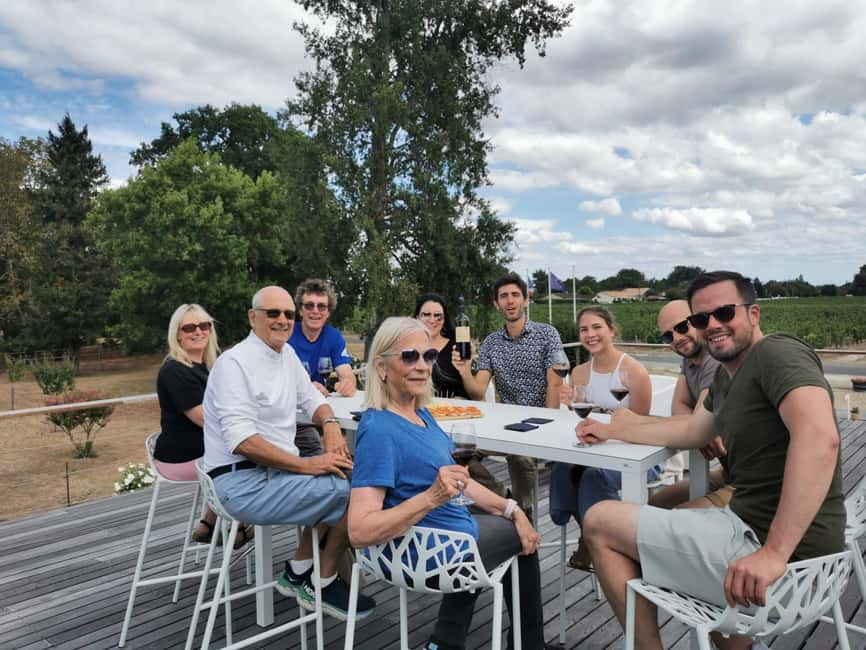
I would choose this tour if you are staying in Bordeaux, enjoy red wine, and want to see Médoc without organizing a car. It suits first-time wine visitors because the guide explains the basic structure of Bordeaux, but it also has enough detail for people who have already visited wineries elsewhere.
Cabernet drinkers are the obvious match. You will mostly taste red wines, and the food pairing gives the final stop a classic French touch. If you prefer Champagne, white Bordeaux, or sweet wine, you may find the focus too narrow.
The afternoon also suits couples, friends, and solo visitors who like a small social setting. It is not suitable for children under 18, and it is not designed for people carrying substantial luggage.
Should you book it?
Book it if you want a compact Médoc introduction with two contrasting château visits, reliable transport, and a small English-speaking group. The Grand Cru Classé stop gives you the famous Bordeaux story, while the Cru Bourgeois visit and cheese pairing make the afternoon feel less formal and more approachable.
Skip it if you want a slow full-day wine experience, a complete meal, or a tour built around several hours at one estate. For most people spending a few days in Bordeaux, though, this is a sensible way to get beyond the city and understand why Médoc names matter.
FAQ
Where does the Médoc wine tour begin?
It begins in front of the Bordeaux Tourist Office at 12 cours du 30 Juillet, near the Quinconces tram stop on lines B and C.
What time does the tour leave and return?
The meeting time is 1:30 p.m., and the tour returns to the Bordeaux Tourist Office at about 6:30 p.m.
How many people can join the tour?
The group is limited to eight participants and requires at least two people to operate.
How many wineries will I visit?
You will visit two wineries, including a Grand Cru Classé winery near Margaux or Saint-Julien and a Cru Bourgeois winery.
How many wines are included?
The two winery visits include four to six red wine tastings, plus one additional glass with local delicacies at the final winery.
Is the tour suitable for children or pets?
No. The activity is not suitable for children under 18, and pets are not accepted.
Just added around Bordeaux
- Half-Day Guided Wine Tasting Tour in Bordeaux Vineyards★ 5.0 · 15 reviews
- Private tour in the Sauternes wine region – discover Bordeaux sweet Crus Classés★ 5.0 · 7 reviews
- 3H private city tour of Bordeaux and vineyard in a Citroën DS★ 5.0 · 4 reviews
- Medoc Afternoon Wine Tour – 2 Wineries, tastings & delicacies★ 4.5 · 74 reviews
- Private 2cv tour in the vineyards and Wine tasting★ 5.0 · 14 reviews
- Bordeaux Médoc Region Private Wine Lovers Tour with Chateau Visits & Tastings★ 5.0 · 40 reviews
- Bordeaux wine tour off the beaten path (red & white wines)★ 5.0 · 5 reviews
- Half-day in the Médoc : 2 wineries & 6 wines★ 5.0 · 2 reviews
Bordeaux Vineyard Tours, compared.
Medoc or Saint Emilion Wine Tasting and Chateau from Bordeaux
Read our review →
Saint Emilion Half-Day Trip with Wine Tasting & Winery Visit from Bordeaux
Read our review →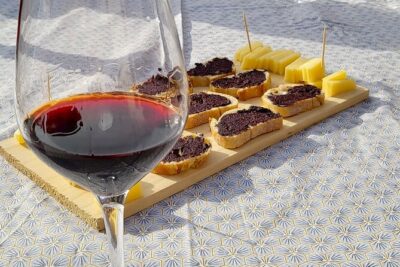
Saint-Emilion Afternoon Wine Tour – 2 Wineries & delicacies
Read our review →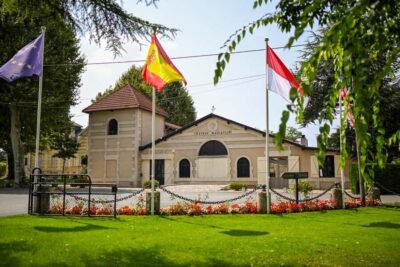
St-Emilion & Médoc Wine Day Tour: Chateaus, Tastings and Lunch
Read our review →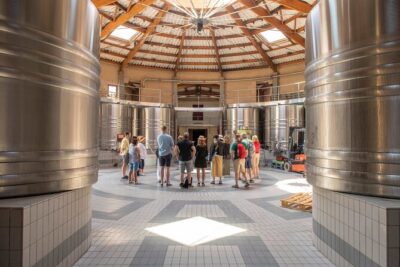
Bordeaux Full Day Wine Tour – 3 Wineries & Gourmet Picnic Lunch
Read our review →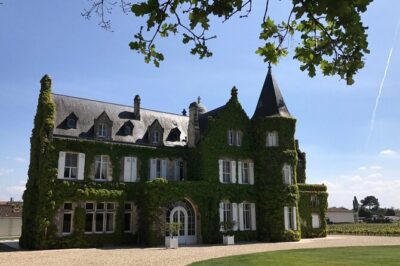
Medoc Region Wine Day Trip with Vineyard Visits & Tastings from Bordeaux
Read our review →Browse the lists this tour appears in