
REVIEW · FRANCE
Tasting tour : The secrets of the vineyard Chateau Capion
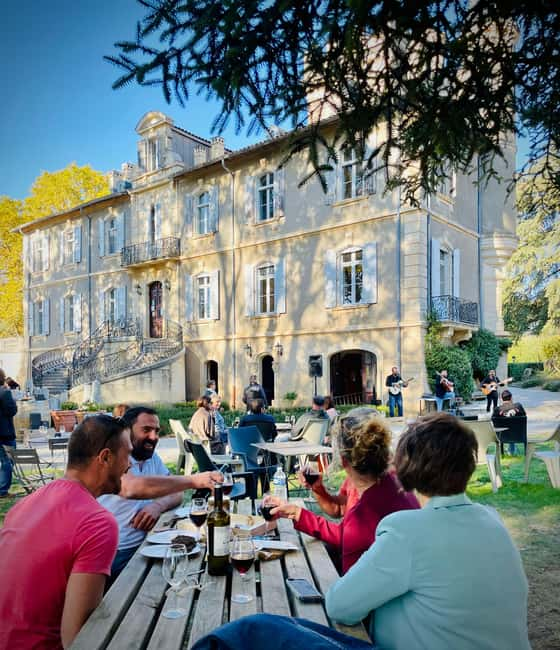
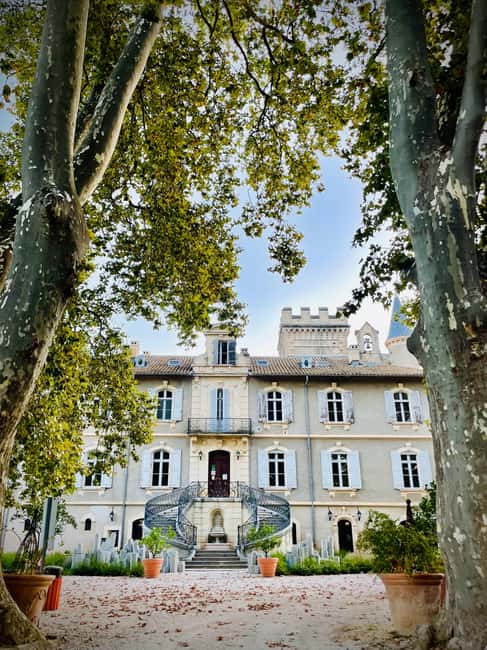
Château Capion puts the wine-making process first. You spend about 30 minutes in the vinification and aging cellars, then sit down to taste a selection of white, red, and rosé wines with explanations from the guide. I like that the tasting is tailored to your tastes, and I like that the château adds a free walk through its formal gardens and 1.2-kilometer vineyard trail.
The main drawback is that the paid visit itself lasts only one hour, so the cellar tour and tasting move at a brisk pace. You should also check your wine purchase carefully before leaving: one visitor had ordered bottles but was given different wine. That is an avoidable nuisance after an otherwise educational visit.
Key points at a glance
- Thirty minutes in the working cellars: See the vinification and aging areas while learning how white, red, and rosé wines take shape.
- Taste 5 to 10 wines: The selection can be adjusted toward white, red, or rosé wines.
- Two regional wine identities: Taste wines labeled IGP Saint-Guilhem-le-Désert and AOP Terrasses du Larzac.
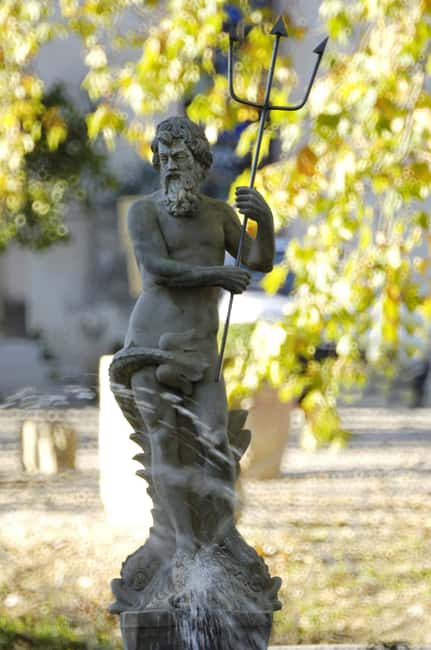
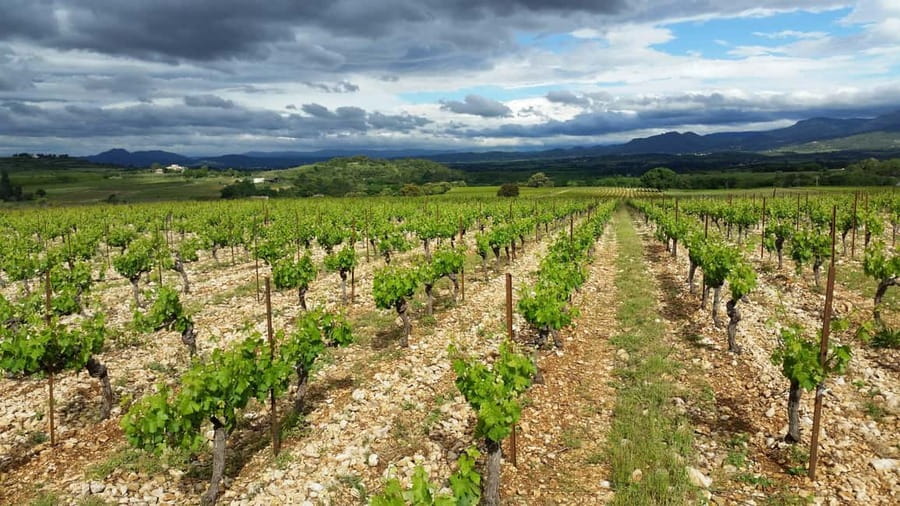
- A free add-on after the tasting: Walk through the château’s formal gardens and follow the 1.2-kilometer educational vineyard trail.
- Private, bilingual visits: Tours are offered in French or English for a private group.
- A short, focused outing: At $23 per person, this works well as a compact wine stop rather than a full-day estate visit.
What makes Château Capion worth a stop
Château Capion offers a simple format that works well for wine beginners and curious drinkers alike: see how the wine is made, taste the results, and then look around the grounds. You are not asked to spend half a day on a technical course. The visit gives you a clear introduction in about an hour, with room to ask questions as you taste.
The setting in Occitanie also gives the experience a useful sense of place. The tasting includes wines from IGP Saint-Guilhem-le-Désert and AOP Terrasses du Larzac, two regional designations that help explain how French wine is classified and marketed. You do not need to know the rules before arriving. The guide can connect the labels to what is in your glass.
I especially like the combination of cellar work and open-air discovery. Many tastings leave you inside a shop or dining room with little sense of where the bottles began. Here, you can add the gardens and vineyard trail at no extra cost, giving you a better feel for the estate after the formal part of the visit ends.
More Food and Drink Experiences in France:
- Medoc or Saint Emilion Wine Tasting and Chateau from Bordeaux
★ 5.0 · 1,415 reviews - Saint-Émilion: Grand Cru Classé Winery Visit and Tasting
★ 4.6 · 1,118 reviews - Saint Emilion Half-Day Trip with Wine Tasting & Winery Visit from Bordeaux
★ 4.5 · 1,034 reviews
Arriving at Chemin de Capion
The meeting point is at Chemin de Capion, and directions are indicated on site. You will need to arrange your own transportation to and from the vineyard, since transfers are not included.
That matters when planning your day in rural Occitanie. This is not a town-center tasting that you can easily fold between two museums. Allow enough time to reach the estate, and do not assume that the one-hour duration includes transportation. The activity begins and ends at the same meeting point.
Once you arrive, the visit is designed to be straightforward. You follow the signs on site, meet the French- or English-speaking guide, and begin the cellar portion. Because the group is private, you have a better chance to ask questions without worrying about holding up a large crowd.
The visit is not designed for children under 10, and it is not suitable for wheelchair users or people with mobility impairments. Wear comfortable shoes, especially if you plan to continue onto the vineyard path after the tasting. A sun hat and water are sensible in warm weather, and a camera will come in handy around the château grounds.
Thirty minutes among the vinification and aging cellars
The first part lasts about 30 minutes and focuses on the facilities where the wine is made and aged. This is the part that gives the tasting its structure. Rather than simply hearing that Château Capion makes several kinds of wine, you learn about the different stages involved in making white, red, and rosé.
The distinction matters because each style follows its own path. Your guide explains the process in practical terms, helping you understand why a white wine, a red wine, and a rosé do not all spend the same amount of time in the cellar or receive the same treatment. You do not need to memorize technical vocabulary. The point is to connect the equipment and cellar spaces with the wine you will taste later.
The cellar visit also gives you something concrete to look at while the guide talks. That makes the 30 minutes more useful than a long speech about the estate. You can ask questions as they occur to you, which is helpful if you are unsure about aging, fermentation, or the difference between the regional wine designations.
Still, keep your expectations in check. This is a short introduction, not a detailed winemaking apprenticeship. If you already know a great deal about cellar management, you may find the explanations basic. For most people, though, the compact format should provide enough background to make the tasting more interesting.
A tasting shaped around your preferences
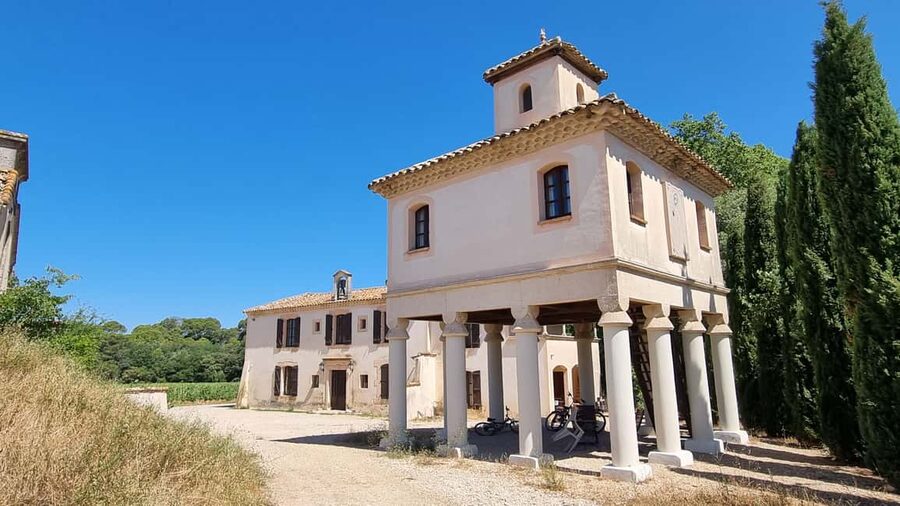
After the cellar tour, you move to the tasting stage. The selection can include five to ten wines, with the choice shaped around your preferences. You can focus on white, red, or rosé, rather than being forced through a fixed list that does not suit your palate.
That flexibility is one of the strongest features of the visit. If you already know you prefer crisp whites, you can ask for more attention in that direction. If you want to compare reds from the regional appellations, the tasting can move that way instead. You can also use the occasion to try a style you normally skip.
The wines come from IGP Saint-Guilhem-le-Désert and AOP Terrasses du Larzac. These labels offer a useful comparison between two recognized regional categories, though the exact wines available will depend on the estate’s selection and the tasting you request. Ask the guide to explain what separates the bottles instead of treating the tasting as a quick series of pours.
This is also where the private format earns its keep. You can ask questions during the tasting rather than waiting until the end. If one wine seems too dry, too full-bodied, or simply unlike what you expected, say so. The guide can help place it in context and adjust the next pour when possible.
The tasting is meant to be informative, but you should not expect a meal. Food is not included, and the experience lasts one hour. Have something to eat before or after if you need more than wine and conversation.
A few more vineyard days around France worth a look
- Champagne Day Trip with 6 Tastings, Reims and Winery from Paris
★ 5.0 · 902 reviews - From Reims: Champagne and Family-Run Wineries Tour
★ 4.8 · 671 reviews - Saint-Emilion Afternoon Wine Tour – 2 Wineries & delicacies
★ 5.0 · 614 reviews - Saint-Émilion: Bordeaux Vineyard Tour and Wine Tasting
★ 4.8 · 578 reviews
Learning through white, red, and rosé
The promise of tasting white, red, and rosé is more useful than it may first appear. It lets you compare the estate’s approach across three very different styles in one sitting. You can pay attention to color, aroma, texture, and finish without needing a formal wine background.
The cellar explanation prepares you for these comparisons. You learn that the choices made during vinification and aging affect the final wine, then you get to test that idea in the glass. This turns the tasting into a small lesson rather than a simple buying opportunity.
I would arrive with two or three questions in mind. You might ask which wine best represents the estate, how the two regional designations differ, or which bottle suits a particular meal. Since questions are encouraged, you should take advantage of the private setting instead of quietly accepting every pour.
The experience works especially well for couples and small private groups with mixed wine knowledge. A serious enthusiast can ask more technical questions, while a beginner can focus on basic differences between styles. The guide speaks French and English, so you can request the language that makes the explanations easiest to follow.
The formal gardens and 1.2-kilometer vineyard trail
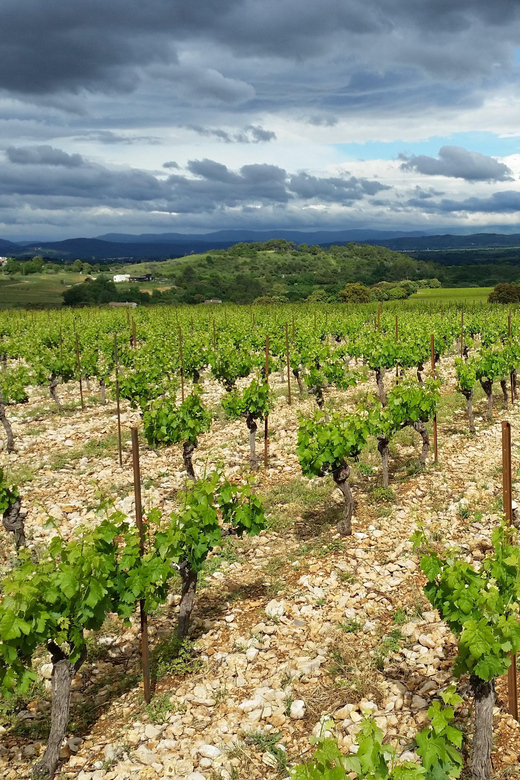
The paid tour ends at the meeting point, but your visit does not have to end there. You can take a free walk through the château’s formal gardens and follow the 1.2-kilometer educational trail through the vineyards.
This extra time changes the pace of the outing. The cellar portion is indoors and focused. The garden and vineyard walk lets you slow down, take photographs, and think about the place behind the wine. It also adds value to the $23 price, since you are not limited to a short tasting room appointment.
The trail is educational, though the available information does not specify how many stops or signs it includes. Treat it as a modest walking route rather than a major hike. Comfortable shoes are important, and a hat and water are wise during sunny weather.
The garden walk is optional, so you can decide how much time to spend outdoors. If you are fitting Château Capion between other stops, the one-hour visit gives you a clear endpoint. If your schedule is more relaxed, stay longer and explore the grounds at your own pace.
Because the route is outdoors and the experience is not suitable for people with mobility impairments, check that the walking portion matches your needs before booking. The trail may be manageable for many visitors, but no accessibility details are provided, so you should not assume smooth or step-free access.
Is $23 good value?
At $23 per person, the experience offers solid value if you want both instruction and tasting. The price covers the 30-minute cellar tour, a guided tasting of five to ten wines, and access to the formal gardens and vineyard trail.
The value is strongest for people who would otherwise pay separately for a tasting and then have little else to do at the estate. Here, the garden and educational path give you extra time on site without another charge. The private-group setup also makes the price more appealing if you are visiting with a small party and want room for questions.
The value is less clear if you are looking only for a quick glass of wine. The activity is built around a guided explanation, so you are paying for the cellar tour as well as the wine. Likewise, experienced wine professionals may find the one-hour introduction too short for advanced study.
Transportation is not included, and neither is food. That does not make the tour poor value, but you need to add the cost and time of getting to Chemin de Capion and plan a meal elsewhere. The flexible reservation option, which lets you reserve now and pay later, may help if your route through Occitanie is still taking shape.
A small but important buying check
The tasting itself is designed to answer questions and help you understand the wines. If you decide to buy bottles afterward, slow down and confirm each selection before leaving.
One customer had an otherwise pleasant and educational visit but received different wine from what was ordered. That is the only specific problem reported in the supplied feedback, but it is worth turning into practical advice: repeat the bottle names or labels, check the quantity, and look over the order before it is handed to you.
This does not cancel out the good parts of the experience. It simply protects you from a frustrating mix-up, especially if you are buying several bottles or selecting wines based on what you tasted. Keep your receipt and make sure the bottles match your order.
Who should book this vineyard visit?
I would recommend Château Capion to you if you want an approachable introduction to Occitanie wine without committing to a long estate program. The format is especially suitable for:
- Wine beginners who want the basic process explained before tasting.
- Couples or private groups that value a quieter, question-friendly visit.
- People who enjoy both wine and gardens.
- Visitors comparing white, red, and rosé styles.
- Anyone interested in the difference between IGP Saint-Guilhem-le-Désert and AOP Terrasses du Larzac.
I would choose a different activity if you need wheelchair access, are bringing children under 10, or want transportation from your hotel. I would also look elsewhere if your main goal is an elaborate meal, a long vineyard hike, or a full-day wine course.
The short duration is both its strength and its limit. You can fit it into a busy day, but you should not mistake it for an expansive estate program. Plan on one focused hour, then decide if you want to add time for the gardens and vineyard trail.
My verdict on Château Capion
Book this tour if you want a compact, private introduction to the wines of Château Capion and the surrounding Occitanie region. The cellar visit gives the tasting a useful foundation, and the choice of five to ten wines lets you spend more time with the styles that interest you.
The free garden walk and 1.2-kilometer vineyard trail make the price more convincing, especially if you have time to linger. Just arrange your own transport, wear sensible shoes, and check any wine purchase before leaving.
For a first look at the estate, this is a well-focused stop. It gives you enough information to understand what is in your glass, without turning a holiday tasting into a classroom lecture.
FAQ
How long does the Château Capion tasting tour last?
The guided activity lasts one hour. About 30 minutes are spent touring the vinification and aging cellars, followed by the guided wine tasting.
Which wines can I taste?
The tasting can include white, red, and rosé wines from IGP Saint-Guilhem-le-Désert and AOP Terrasses du Larzac. The selection is tailored to your tastes and may include five to ten wines.
Is the tour available in English?
Yes. The live guide can conduct the tour in French or English.
Are the gardens and vineyard trail included?
Yes. You can freely visit the château’s formal gardens and follow the 1.2-kilometer educational trail through the vineyards after the guided tour.
Is transportation to Château Capion included?
No. You need to arrange your own transportation to and from the vineyard. The meeting point is at Chemin de Capion, and the activity ends there.
Is this tour suitable for children or wheelchair users?
The activity is not suitable for children under 10, people with mobility impairments, or wheelchair users.
Just added around France
- Day Trip to the Sancerre and Pouilly Vineyards★ 5.0 · 20 reviews
- 3-Hour Private Painting tuition in a beautiful Cognac vineyard★ 3.5 · 2 reviews
- 4×4 tour in a winery followed by a tasting★ 5.0 · 46 reviews
- Winery Visit with Food and Wine in Carcassonne★ 5.0 · 59 reviews
- Walk in the vineyards of Chablis Grands Crus★ 4.5 · 7 reviews
- Wine Getaway with Tasting in the Chablis Vineyard★ 5.0 · 3 reviews
- Winery Tour & Wine Tasting – Deli Plate & 3 Wines★ 5.0 · 72 reviews
- Visit to the Faugères Vineyards with Picnic from Béziers★ 5.0 · 7 reviews
France Vineyard Tours, compared.
Medoc or Saint Emilion Wine Tasting and Chateau from Bordeaux
Read our review →
Saint-Émilion: Grand Cru Classé Winery Visit and Tasting
Read our review →
Saint Emilion Half-Day Trip with Wine Tasting & Winery Visit from Bordeaux
Read our review →
Champagne Day Trip with 6 Tastings, Reims and Winery from Paris
Read our review →
Saint-Emilion Afternoon Wine Tour – 2 Wineries & delicacies
Read our review →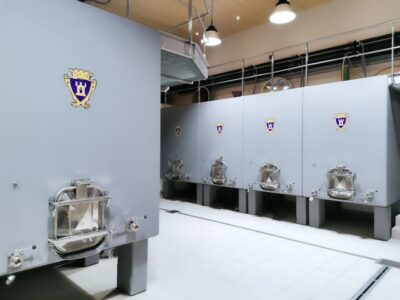
Saint-Émilion: Bordeaux Vineyard Tour and Wine Tasting
Read our review →
Browse the lists this tour appears in