
REVIEW · PORTUGAL
Pico Island: Wine and Vineyards Tour with Tasting
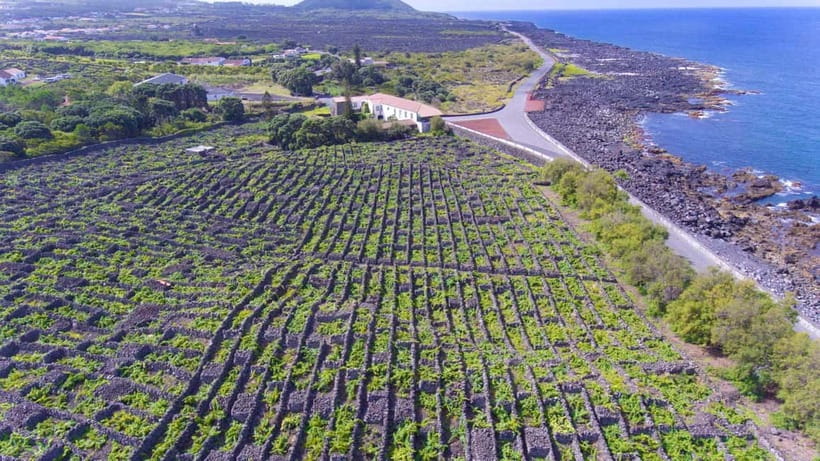
Pico’s wine country is built from black volcanic stone, hard work, and clever use of land that once seemed nearly useless. This three-hour tour takes you from Madalena to the UNESCO-listed vineyards of Criação Velha, then into a working wine cooperative where the story becomes something you can taste.
I like two things here. First, the tour connects the scenery with the people who made it, rather than treating the vineyards as a pretty photo stop. Second, the small group, limited to eight, gives the guide room to explain the adegas, the old wine cellars, and the special growing conditions in useful detail.
The main consideration is that this is a walking and wine-tasting tour, not a general sightseeing trip around all of Pico. You should wear comfortable shoes, and the experience is not suitable for pregnant women or anyone who cannot take part in a wine tasting.
Key points to know before you book
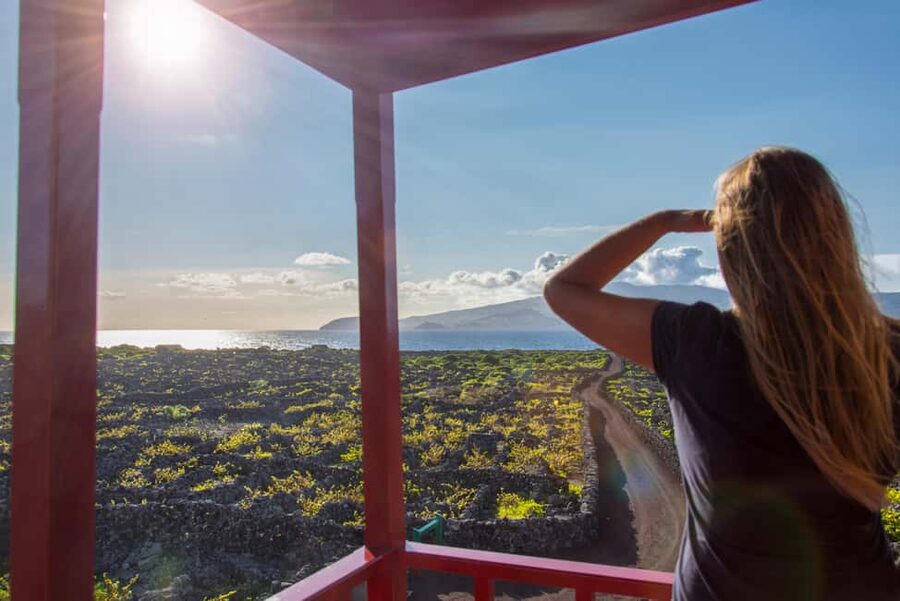
- Criação Velha is the visual highlight: Walk through Pico’s unusual vineyard plots, divided by volcanic stone walls and shaped by years of manual work.
- The wine cooperative dates from 1949: You see how the local wine tradition moved from small adegas into organized production.
- The tour lasts three hours: The schedule includes transport, about an hour in the vineyards, an hour at the winery, and 45 minutes of tasting.
- The group is limited to eight people: That is a useful size for questions and for moving through vineyard paths without a crowd.
- You taste with context: The guide explains why Pico’s wines have their own character before you sample them.
- Old wine centers add a human story: You learn how people on both the south and north coasts built and used wine cellars during Pico’s golden wine age.
Why Pico’s vineyards look unlike ordinary wine country
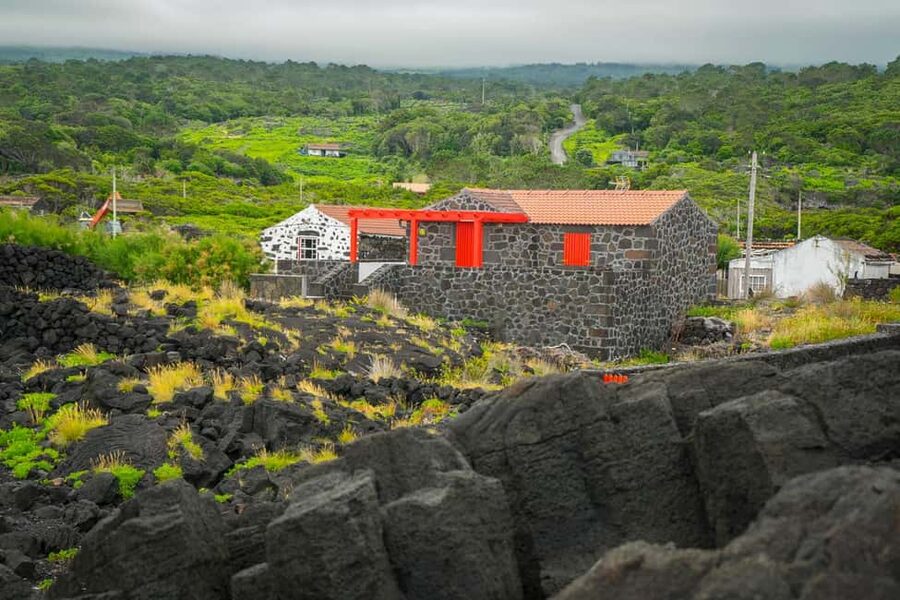
Start at the parking lot beside the Gare Marítima João Quaresma in Madalena. Look for the team in blue shirts with the company logo. From there, a short van ride of about 10 minutes takes you toward Criação Velha.
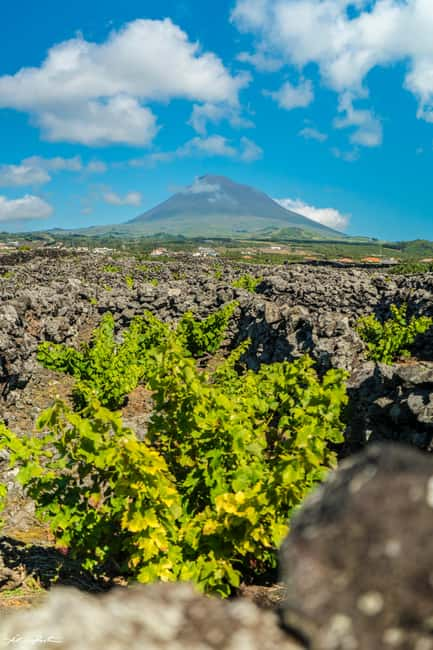
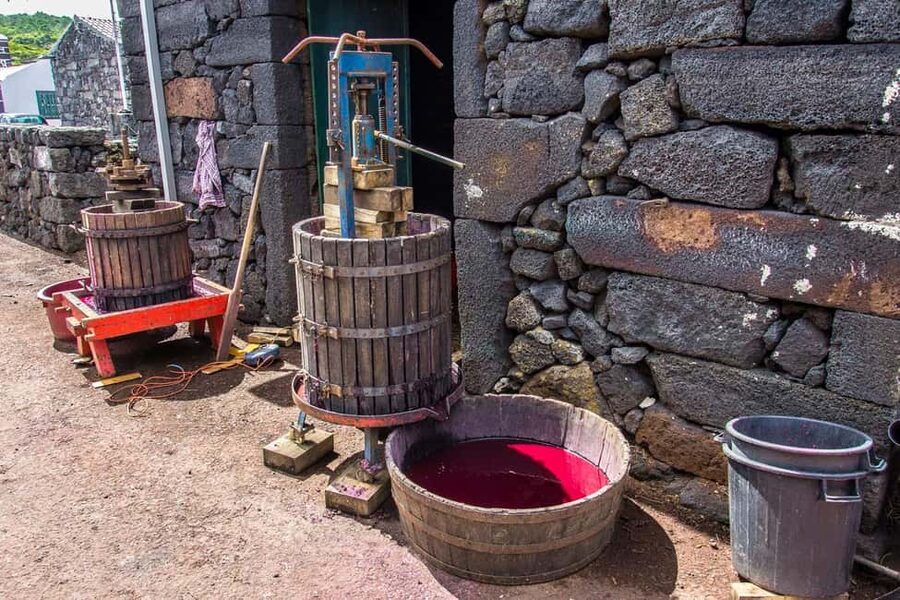
The first surprise is the ground itself. Pico’s vineyards were not laid out across wide, easy fields. Vines were planted in a difficult volcanic setting, with stone walls helping protect them and divide the growing plots. The result is a striking pattern of dark rock and green vines, but the beauty comes with a clear reminder of the labor behind it.
You spend about an hour in the Criação Velha area. This is the part of the tour that gives the wine its proper setting. Instead of hearing only about bottles and tasting notes, you see the terrain where the grapes are grown and learn why cultivating vines here requires such care.
I like this approach because it helps you understand that Pico wine is tied to place in a very direct way. The stone, the small plots, and the effort required to work them are not background decoration. They are part of the wine story.
The walk is also the reason to wear sensible shoes. High heels are not allowed, and comfortable footwear is recommended. The tour data does not give a detailed trail grade or distance, so you should expect ordinary vineyard walking rather than a demanding hike, but uneven ground is a sensible possibility.
More Food and Drink Experiences in Portugal:
- Porto: Cálem Cellar Tour, Interactive Museum & Wine Tasting
★ 4.5 · 4,113 reviews - Porto: Cálem Cellar Tour, Fado Show & Wine Tasting
★ 4.4 · 3,530 reviews - Porto: Taylor’s Port Cellars & Tasting
★ 4.6 · 3,374 reviews
Criação Velha makes the history visible
The Criação Velha vineyards are UNESCO-listed, which gives the area international recognition. The more useful point for you, though, is what that recognition protects: a very particular way of arranging and working vineyard land.
Your guide explains the work involved in growing vines here. That matters because the setting can look simple at first glance. A few vines between dark walls may seem modest compared with a grand European wine estate, yet the small scale is part of the story. The land had to be adapted piece by piece.
The tour also introduces the old built centers connected with the adegas. These wine cellars were not only storage spaces. They formed part of a working network tied to the people who grew, pressed, stored, and moved the wine.
You may see old or apparently abandoned places on the south and north coasts of Pico. The point is not simply to photograph ruins. You learn how local people turned difficult land and basic structures into something valuable during the island’s golden wine age.
That human angle gives the tour more weight than a standard vineyard visit. You are not just being shown where wine grows. You are being shown how a local economy was built through hard work, practical building, and patience.
Inside a wine cooperative founded in 1949
After the vineyard visit, the van takes you to a wine cooperative founded in 1949. The schedule allows about an hour for the winery visit and guided explanation.
This stop shifts the focus from the old vineyard system to organized wine production. You visit the adega where wine is produced and learn about the steps involved. The supplied details do not list specific machinery, grape varieties, or production volumes, so you should not expect a technical cellar tour with every stage described in industrial detail.
What you can expect is a clear connection between the vineyard and the bottle. The guide explains how the grapes move from Pico’s unusual growing conditions into the wine-making process. That context makes the later tasting more useful, especially if you normally find wine descriptions too vague.
The cooperative setting is valuable because it adds a practical side to the historic story. You see how wine-making became more organized while remaining linked to local vineyards and traditions. It also gives you a chance to ask questions in a small group rather than moving through a large public attraction.
The company running the experience is Futurismo Azores Whale Watching. Despite the company name, this particular activity is focused on wine and vineyards, not marine wildlife. That distinction matters when you are comparing it with other Pico excursions.
The tasting lasts 45 minutes
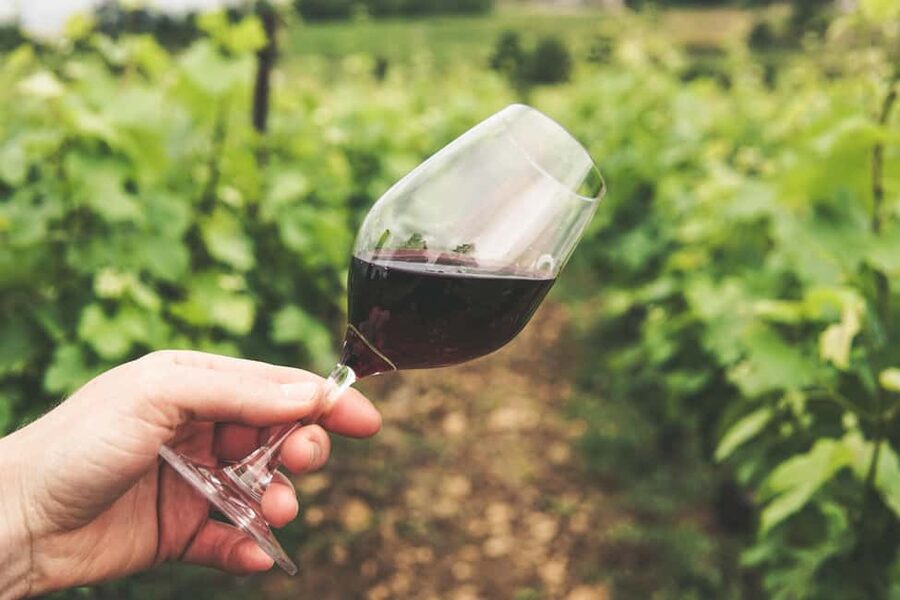
The final tasting takes about 45 minutes. You sample local wines after learning about the vineyards and production process, so the tasting has a clear purpose beyond simply providing drinks.
Pico wines have special characteristics connected to the island’s growing conditions. Your guide explains those qualities and helps you understand what you are tasting. The exact wines served are not specified, and the tour details do not promise a particular number of samples, so you should treat this as a guided local tasting rather than a fixed flight with a published menu.
I like the order of the day. The wine comes after the vineyard and winery visits, when you have enough background to pay attention to differences in style and character. Even if you are not a serious wine enthusiast, this makes the tasting easier to follow.
You must be of legal drinking age to take part. The tour is not suitable for pregnant women, and meals are not included. Personal expenses are also separate, so this is best seen as a focused tasting experience rather than a food-and-wine outing.
Because the tasting is part of the activity, plan your wider day sensibly. The tour ends back at the same Madalena meeting point, but the information provided does not specify the exact starting times or the amount of wine served. Check availability when choosing a departure.
A few more vineyard days around Portugal worth a look
- Porto: Douro Valley with Winery Lunch, Tastings & Cruise
★ 4.7 · 7,002 reviews - Porto: Bridges Cruise & Sunset & Port Wine Cellar Option
★ 4.2 · 4,180 reviews - Douro Valley Tour: 2 Vineyard Visits, River Cruise, Winery Lunch
★ 5.0 · 3,542 reviews - Porto: City Train Tour, River Cruise & Wine Cellar
★ 3.9 · 2,601 reviews
The old adegas tell the island’s harder story
One of the most interesting parts of the experience is the attention given to the built centers of the typical adegas. These places show how wine production shaped parts of Pico beyond the vineyard plots themselves.
The tour introduces the golden wine age and the old structures connected with it. Some may appear abandoned today, but the guide uses them to explain the hardship of earlier generations. You see how people worked with limited resources and transformed land that seemed unsuitable into a valuable source of income.
This is where the tour becomes especially useful for history-minded visitors. You are not asked to admire old buildings without context. Instead, you get a sense of why they existed and what they meant to the communities around them.
The south and north coast references also broaden the experience beyond one single vineyard stop. You get a picture of wine culture as something spread across Pico, with different coastal areas linked by production, storage, and trade.
The details supplied do not promise a long coastal drive or a stop at every historic site. Keep your expectations practical. This is a compact three-hour tour, so the old adegas are part of a focused story rather than a full island archaeology circuit.
Small-group size and guide languages
With no more than eight participants, the group is small enough to keep the day personal without requiring a private tour. That size is useful on vineyard paths, where a large crowd would make it harder to hear the guide or stop for explanations.
A live guide conducts the tour in English or Portuguese. No individual guide names are provided, so you should not book expecting a particular person. The important point is that the explanation is live, which gives you the chance to ask about the vineyards, the cooperative, and the local wine-making process.
The meeting arrangements are simple. Go to the parking lot at the Gare Marítima João Quaresma in Madalena and look for the blue company shirt. Since this is also the return point, it is easy to fit the tour around time in Madalena, though you should leave enough room before any ferry, flight, or other fixed appointment.
Transport between the meeting point and the vineyard area is by van. The listed drive is about 10 minutes, so most of the three hours is devoted to the actual vineyard, winery, and tasting experience rather than sitting in transit.
Is $61 a fair price?
At $61 per person, the value depends on what you want from a Pico wine outing. The price covers a guided vineyard visit, the Criação Velha stop, transport by van, a visit to a wine cooperative, and a tasting. For a short experience that combines scenery, local history, and wine production, that is a reasonable package.
The strongest value comes from the interpretation. If you only want to drink local wine, you may find a simple tasting cheaper. This tour gives you the setting and the backstory first, which makes the wine more meaningful.
The small group also matters. A maximum of eight participants is more appealing than a large coach-style outing, especially in a working vineyard or cellar where questions can improve the experience.
Meals are not included, and personal expenses are separate. You should also remember that the three-hour length means this is an introduction, not a full day of wine estates and extended food pairing.
The booking terms are flexible. You can cancel up to 24 hours before the activity for a full refund, and you can reserve now and pay later. Those policies are useful if your Pico plans depend on weather or ferry schedules, though they should not replace checking the exact departure time before booking.
Who will enjoy this Pico wine tour most?
I would choose this tour if you want to understand why Pico wine is unusual, not simply taste it. It suits adults interested in local agriculture, island history, traditional buildings, and small-scale wine production.
It is also a good fit if you have only a short time in Madalena. Three hours gives you a focused introduction without taking an entire day. The return to the same meeting point makes the plan straightforward.
You may want something else if you dislike walking on vineyard paths, do not drink alcohol, or want a broad tour of Pico’s major sights. The itinerary centers on wine, Criação Velha, adegas, and related history. It does not include meals or a general island tour.
Wear comfortable shoes and avoid high heels. Pets are not allowed. Since the tour includes wine tasting, it is intended for people of legal drinking age and is not suitable for pregnant women.
Should you book the Criação Velha wine tour?
Book it if you want a compact, well-focused look at Pico’s wine culture, especially if the idea of seeing how volcanic land was turned into productive vineyard plots appeals to you. The strongest parts are the UNESCO-listed Criação Velha vineyards, the cooperative founded in 1949, and the explanation of the old adegas and Pico’s golden wine age.
Skip it if you are looking for a full island tour, a meal, or a long list of wineries. At $61, the tour earns its value through its small group, live guide, historical context, and tasting rather than through sheer quantity. For wine-curious adults with three hours in Madalena, it is a practical way to meet Pico through the work behind its wine.
FAQ
Where does the Pico wine tour start?
The tour starts at the parking lot beside Gare Marítima João Quaresma in Madalena. Look for the team wearing a blue shirt with the company logo.
How long does the tour last?
The experience lasts three hours. The schedule includes a short van ride, about one hour in Criação Velha, one hour at the winery, and 45 minutes for wine tasting.
What languages are available?
The live tour guide speaks English or Portuguese.
Is the wine tasting included?
Yes. The tour includes a visit to a wine cooperative and a local wine tasting. Meals and personal expenses are not included.
Is the tour suitable for pregnant women?
No. The activity is listed as not suitable for pregnant women.
Can I cancel the booking?
Yes. You can cancel up to 24 hours in advance for a full refund. You can also reserve the activity and pay later.
Just added around Portugal
- Wine tasting at Quinta das Murgas★ 4.5 · 11 reviews
- Óbidos, Nazaré and Wineries, Day Private Tour by SUV from Lisbon★ 5.0 · 2 reviews
- Évora, Esporão Winery & Monsaraz | Exclusive Private Wine Tour★ 3.5 · 2 reviews
- Sintra,Palácio da Pena,Quinta da Regaleira and Cascais★ 5.0 · 11 reviews
- Tile painting experience and visit Azeitão wine cellar★ 5.0 · 2 reviews
- 1 day tour of Sintra and Cascais, Palácio da Pena, Quinta da Regaleira ….★ 3.0 · 4 reviews
- South Portugal Wine Route Private Full Day Tour from Lisbon★ 4.0 · 2 reviews
- Quinta da Regaleira and Cabo da Roca Half Day Private Tour★ 5.0 · 2 reviews
Portugal Vineyard Tours, compared.
Douro Valley with Winery Lunch, Tastings & Cruise
Read our review →
Cálem Cellar Tour, Interactive Museum & Wine Tasting
Read our review →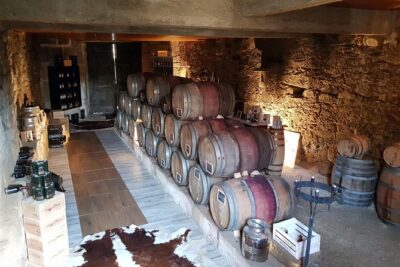
Douro Valley Tour: 2 Vineyard Visits, River Cruise, Winery Lunch
Read our review →
Tastings at 2 Wineries, Chef’s Lunch & Boat Tour
Read our review →
Douro Valley with Two Winery, Boat Trip and Lunch From Porto
Read our review →Browse the lists this tour appears in