
REVIEW · PARIS
Paris : Wine tasting at the cellar of Joël Robuchon
At Joël Robuchon’s cellar, the point is not to race through a long wine list. You taste four wines chosen to show clear contrasts: a light white, a fuller white, a fruity red, and a more structured red. That simple progression makes the session easy to follow, even if wine terms usually leave you cold.
I like the small, friendly tasting room and the chance to compare different winemaking styles in one sitting. I also like that the wines come with varied dishes, so you can judge them with food instead of sipping in isolation. Guides including Igor and Jose have been singled out for their warm, informed hosting.
The main thing to consider is the price: $100 per person is a serious spend for 90 minutes. You are paying for a private-group setting, four wines, food, and guidance, not a full meal or a broad tour of Paris wine culture.
Key points
- Four wines, four distinct styles: Start with a delicate white, then a fuller white, followed by a light red and a more structured red.
- Food served throughout: Varied dishes are offered alongside the wines to make the tasting more complete.
- Private and intimate format: The experience takes place in a tasting room at the back of Joël Robuchon’s cellar.
- English or French guidance: You can take part in either language, with hosts such as Igor and Jose leading the session.
- A flexible finish: You can finish the opened bottles in the tasting room or take them with you.
- Adults only: The tasting is limited to people aged 18 and over.
Four wines that teach you how style changes the glass
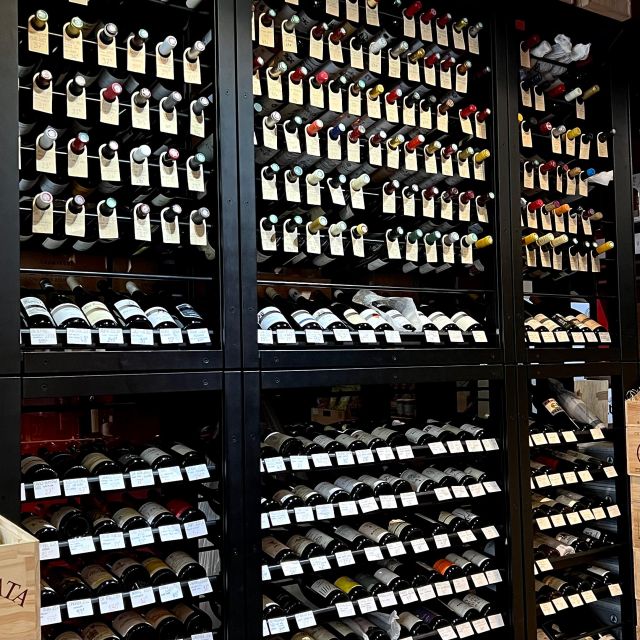
This tasting works because it gives you a clear set of comparisons. Instead of presenting four unrelated bottles, the session moves from lighter to fuller expressions, first with white wine and then with red.
The opening white is described as light, delicate, fine, and elegant. This is a useful first pour because it gives your palate a gentle starting point. You can pay attention to freshness and subtlety before moving to anything heavier.
The second white is more opulent and fleshy. That contrast is the heart of the first half. You are not simply trying another bottle. You are tasting how two white wines can occupy very different places at the table, one restrained and delicate, the other broader and more generous.
The red wines follow the same teaching pattern. First comes a light, fruity, fine red. It should appeal to you if you prefer freshness and an easy style rather than a weighty glass.
The second red is smoother, fuller, and more structured. This gives you a chance to compare body and shape with the earlier wine. Even without advanced wine knowledge, you can notice that the two reds ask for different kinds of attention.
I like this format for beginners because it gives you a vocabulary through contrast. You do not need to memorize technical terms. You can simply ask yourself which wine feels lighter, which seems fuller, and which one works best with the food in front of you.
More Wine Cellar Visits in France
- Paris Art of Pairing Cheese and Wine Tasting in a Cheese Cellar
★ 5.0 · 386 reviews - Paris – Guided Visit & Tasting in a Royal Wine Cellar
★ 4.5 · 221 reviews - Paris: Cheese and Wine Class in a 17th Century Cellar
★ 4.8 · 91 reviews
Inside the intimate tasting room
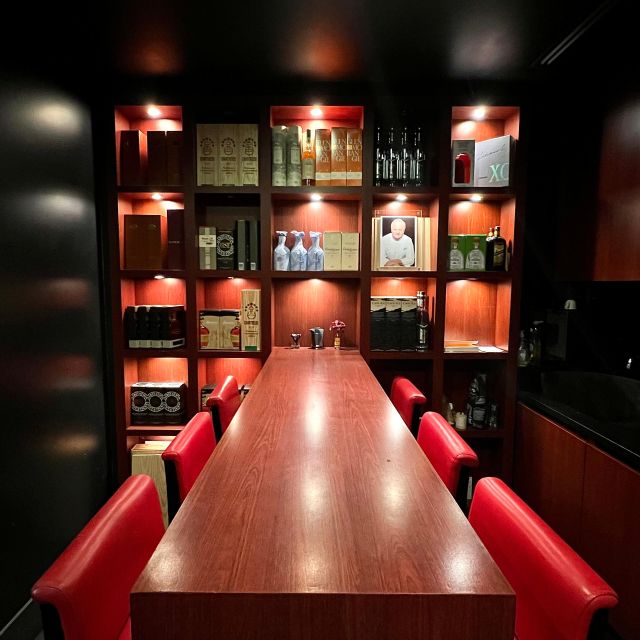
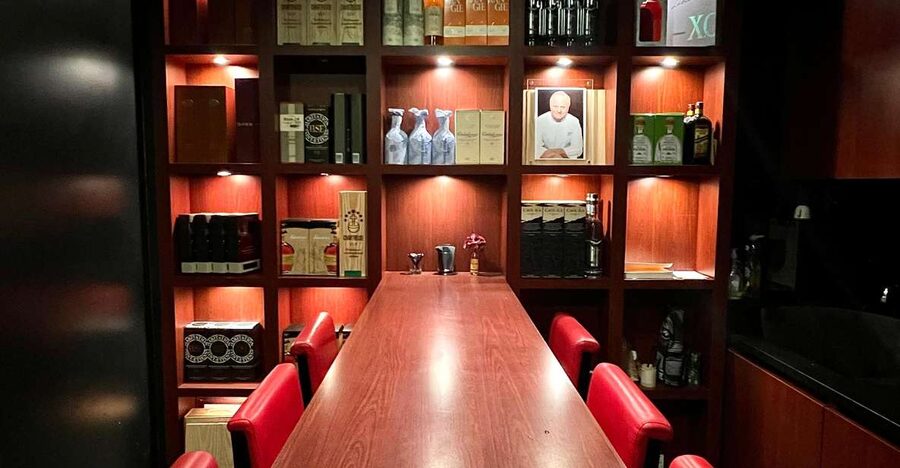
You arrive at La Cave de Joël Robuchon and settle in the tasting room at the back of the shop. The setting is described as intimate and friendly, which matters here. Wine tasting is more useful when you can hear the host, ask a question, and take your time with each pour.
This is a private-group experience, not a large public session. The format should suit you if you prefer direct attention and a quieter setting. It also makes the 90-minute schedule feel focused. There is enough time for four wines and food, but not so much that the tasting turns into a long lecture.
The cellar name adds a clear sense of place, but you should not expect a tour of Paris vineyards or a visit to multiple producers. The activity centers on tasting and explanation in one location. That is a strength if you want an efficient wine session in Paris, and a limitation if you want to see vineyards, production sites, or several wine shops.
The hosts speak French and English. If you are visiting from abroad, that removes a common worry. The strongest personal praise has gone to Igor and Jose, who were described as warm, welcoming, and good at explaining the wines. Those details matter more than a formal script. A wine class can feel stiff when the host talks at you. Here, the available feedback points to a more relaxed approach.
Why the food pairings matter
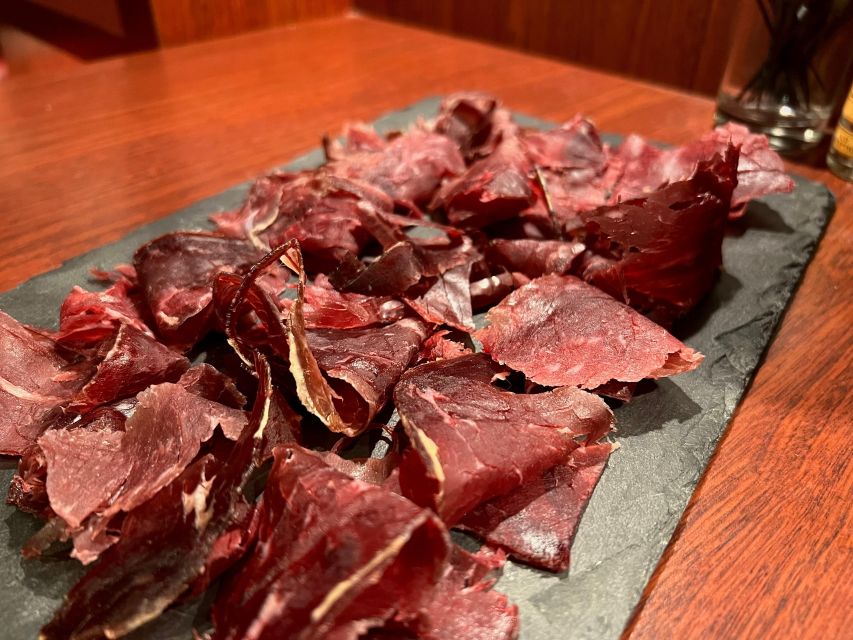
Varied dishes are served during the tasting, and they are an important part of the value. Wine can taste quite different beside food, especially when you compare a delicate white with a fuller one or a light red with a more structured bottle.
The food also turns the session into more than a flight of small pours. You are given something to eat as the wines progress, so the 90 minutes has a fuller rhythm. Still, you should think of this as a tasting with food, not a replacement for a complete Paris dinner. The information provided does not promise a set menu, large portions, or a particular cuisine.
I would approach the dishes as practical tools for understanding the wines. Notice which pairing makes a wine seem softer, fresher, or more complete. If you already enjoy wine, this is where the experience can become more interesting than a simple introduction.
The description says diets are granted to the wines throughout the tasting, meaning dishes are offered with the wines as part of the full tasting setup. If you have a specific dietary need, confirm the details before booking, since no exact menu or dietary list is provided.
The tasting sequence, minute by minute
The session lasts 90 minutes, so expect a compact format with four main wine stages.
More Wine Cellar Visits in Paris:
- Paris: Champagne Cellars Tour and Tastings with a Sommelier
★ 4.9 · 74 reviews - Paris: French Wine Experience in Parisian Cellar
★ 4.5 · 54 reviews - Porto: Bridges Cruise & Sunset & Port Wine Cellar Option
★ 4.2 · 4,180 reviews - Porto: Cálem Cellar Tour, Interactive Museum & Wine Tasting
★ 4.5 · 4,113 reviews
First white: light and delicate
The first bottle opens the tasting with a fine, gentle style. Your host presents the wine and the food served with it, then gives you a chance to taste and compare.
This is a good moment to settle into the room. You can ask basic questions without feeling behind. The first pour sets the reference point for everything that follows.
Second white: fuller and more opulent
The second white changes direction. It is described as more opulent and fleshy, giving you a direct lesson in how texture and weight can differ within the same broad color category.
This is likely the most useful comparison for people who normally say they like white wine but have never worked out why. You may prefer the lighter wine, the fuller wine, or find that your choice changes once food is added.
First red: fruity and light
The first red keeps the progression gentle. It is light, fruity, and fine, making it a natural bridge from the white wines.
If heavy reds are not your style, this is the stage most likely to feel approachable. You can also compare its fruit character with the broader feel of the second red that follows.
Second red: smooth, full, and structured
The final red brings more body and structure. It gives the tasting a clear finish and lets you see how a fuller red behaves beside the food.
The sequence is well judged for a 90-minute session. Each bottle has a job, and the contrasts are easy to understand. You are not left trying to remember a dozen labels and regions. You are learning through four broad styles.
What $100 buys you in Paris
At $100 per person, this is not a bargain tasting. The value depends on what you want from the hour and a half.
You receive four wines, varied food, a private-group setting, and guidance in French or English. You also have the unusual option of finishing the opened bottles in the tasting room or taking them with you. That last detail adds flexibility, though it does not turn the activity into a full wine purchase. Tasting all bottles beyond the included experience is possible at the cellar price, but that additional cost is not included.
I think the price makes the most sense for a wine-focused visitor who wants a polished, contained session rather than a casual glass at a bar. If you are mainly looking for dinner, $100 may feel high because the food is part of the tasting rather than the main event.
The rating of 4.8 from 12 reviews supports the idea that the hosting is a major part of the value. Comments about Igor and Jose repeatedly point to friendly service and strong wine guidance. I would place more weight on that than on the famous name alone. A well-run tasting depends on the person explaining the bottles.
Who will enjoy this cellar experience
This session suits adults who want to understand wine through comparison. You do not need to be a professional or an experienced taster. The four-style structure gives beginners a clear way into the subject, while wine fans can focus on the differences between producers and styles.
It also suits couples, small private groups, and visitors who prefer a calm indoor activity. The session is wheelchair accessible, and the private format may make it easier to take part at your own pace.
You should choose something else if you want to visit vineyards, see how wine is made, or spend several hours moving between Paris wine bars. This is a single-location tasting. Its appeal comes from the focused presentation, not from sightseeing.
The activity is not suitable for children under 18. Every person in the group should be prepared for a wine-centered experience rather than a general food tour.
How to get the most from the 90 minutes
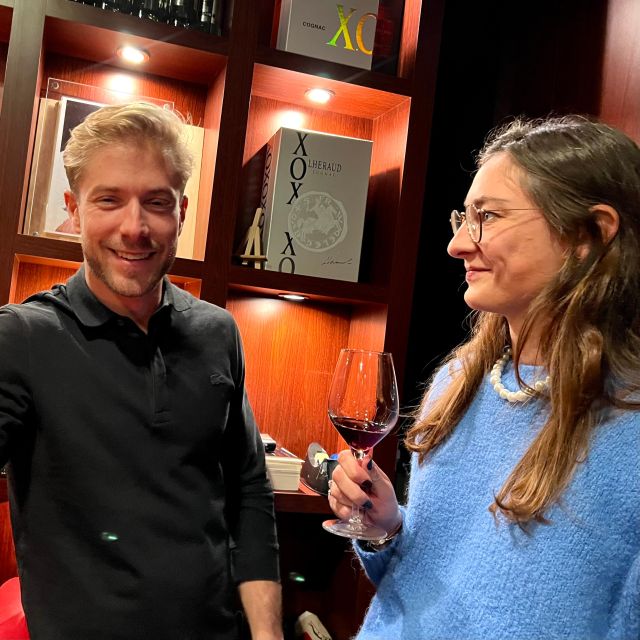
I would arrive ready to compare, not just consume. Before each new pour, decide what you noticed about the previous wine. Was it light or full? Fruity or restrained? Did the dish change your view?
Ask the host to explain the difference between the two whites and then repeat the same question for the reds. That simple approach fits the structure of the session and helps you leave with something more useful than a list of names.
Do not feel pressured to sound like an expert. The best reason to book a guided tasting is that someone can explain what you are noticing in plain language. The available comments about Igor and Jose suggest that the hosts are comfortable making the experience friendly rather than formal.
At the end, decide if you want to finish the bottles in the room or take them with you. That option is especially handy if one of the wines becomes a favorite and you want to continue the tasting later.
Practical booking details
The meeting point is Joël Robuchon’s cellar in the Ile-de-France region. The experience lasts 90 minutes, with starting times based on availability.
You can book now and pay later, which helps if you are still arranging your Paris schedule. Free cancellation is available up to 24 hours in advance for a full refund.
The activity is offered in French and English, is wheelchair accessible, and is limited to a private group. Since the exact dishes and wine labels are not specified, check current details if a particular bottle, meal style, or dietary arrangement is important to you.
Should you book this wine tasting?
Book it if you want a short, focused wine lesson with four contrasting styles, food pairings, and a host who can guide you in English or French. The private setting, flexible bottle finish, and warm hosting associated with Igor and Jose add real appeal.
Skip it if you want a full meal, a vineyard visit, or a lower-cost way to drink wine in Paris. At $100, the session is best for someone who values explanation, comparison, and a polished setting. For that audience, the clear white-to-red progression makes the price easier to justify.
FAQ
How long does the wine tasting last?
The experience lasts 90 minutes.
Where does the tasting take place?
It takes place at Joël Robuchon’s cellar, in the intimate tasting room at the back of the shop.
How many wines are included?
The tasting includes four wines: two whites and two reds.
What styles of wine will be served?
You will taste a light and delicate white, a fuller and more opulent white, a light fruity red, and a smoother red with more body and structure.
Is food included?
Yes. Varied dishes are offered throughout the tasting alongside the wines.
Can I take the wine with me afterward?
Yes. You can finish the bottles in the tasting room or take them with you. Additional tasting of all bottles at the cellar price is not included.
Is the tasting available in English?
Yes. The experience is offered in English and French.
More Food and Drink Experiences in Paris
- Florence: Chianti Wineries Tour with Wine Tasting
★ 4.5 · 10,071 reviews - Porto: Cálem Cellar Tour, Fado Show & Wine Tasting
★ 4.4 · 3,530 reviews - Porto: Taylor’s Port Cellars & Tasting
★ 4.6 · 3,374 reviews - Toledo Tour & Vineyard Walk with Wine Tasting from Madrid
★ 5.0 · 2,546 reviews
Just added around Paris
- Paris: French Wine Experience in Parisian Cellar★ 4.5 · 54 reviews
- Paris: Private Tour of Domaine de Chantilly Ticket&Transfer★ 4.5 · 16 reviews
- 15 Burgundy Wines Chateau Pommard, Chablis Small-Group★ 4.7 · 8 reviews
- Paris: Champagne Cellars Tour and Tastings with a Sommelier★ 4.9 · 74 reviews
- Authentic Champagne Tour: 3 vineyards, 10 Tastings & Lunch★ 4.7 · 6 reviews
- Loire Valley Royal Castles Small Group Day Trip from Paris★ 4.6 · 9 reviews
- Champagne Area Small-Group Tour including a Top Champagne house & Family Winery★ 4.0 · 78 reviews
- Paris: Cheese and Wine Class in a 17th Century Cellar★ 4.8 · 91 reviews
Paris Vineyard Tours, compared.
Champagne Day Trip with 6 Tastings, Reims and Winery from Paris
Read our review →
Paris Art of Pairing Cheese and Wine Tasting in a Cheese Cellar
Read our review →
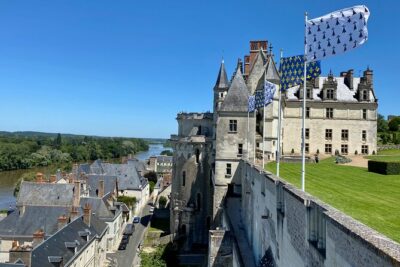
Loire Valley Royal Castles Guided Small group Day Trip from Paris
Read our review →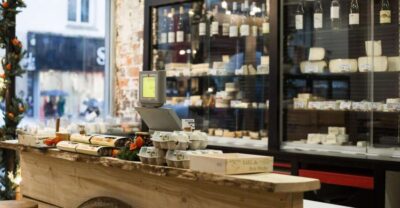
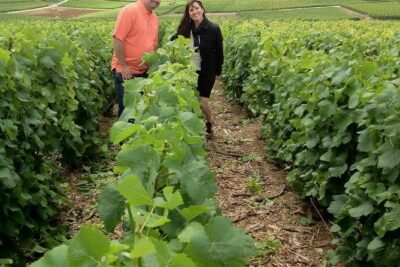
Champagne Area Small-Group Tour including a Top Champagne house & Family Winery
Read our review →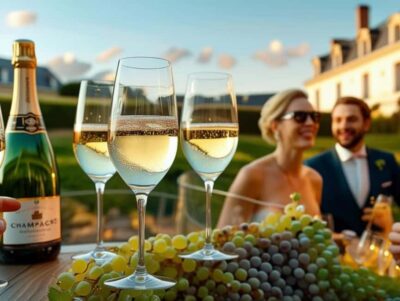
Champagne Cellars Tour and Tastings with a Sommelier
Read our review →
Browse the lists this tour appears in