
REVIEW · MONTEPULCIANO
Montepulciano: Wine Tasting and Cellar Tour
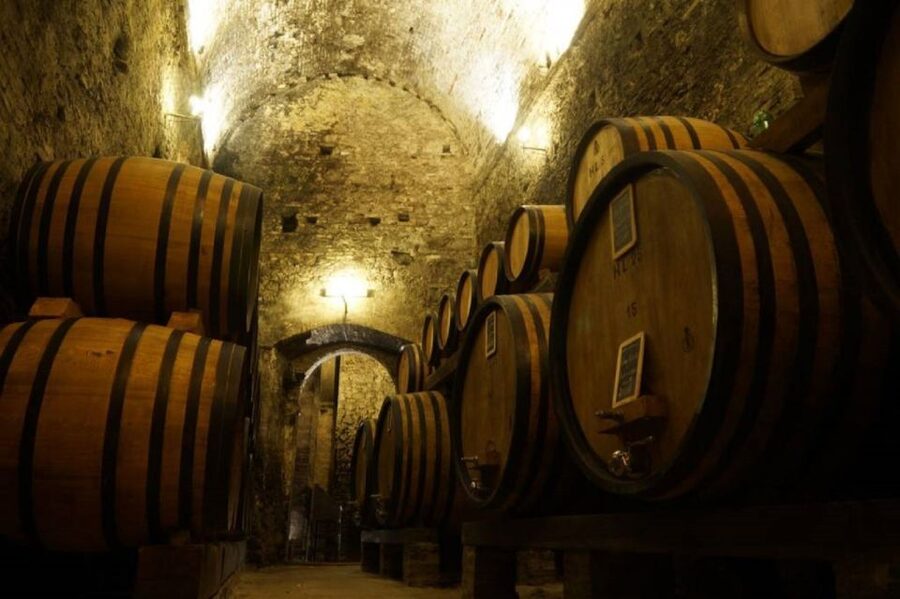
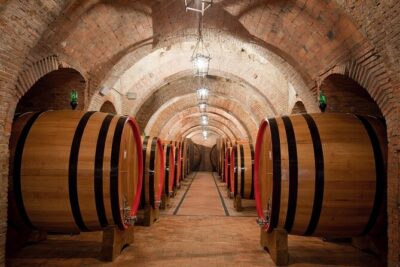
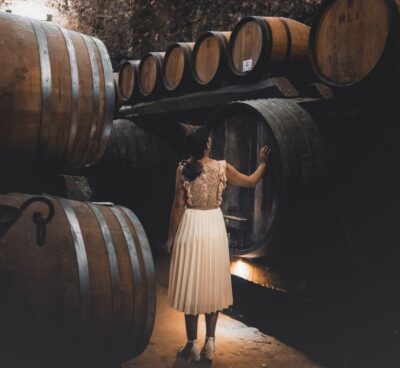
The most memorable part of this Montepulciano experience is below street level. You walk through an old wine cellar lined with enormous Slavonian oak barrels and French-wood casks, then sit down to taste Tuscan wines with local cheese and bruschetta. The sandy tufa soil, fossil finds, and stories of the cellar connect each glass to the town beneath your feet.
I like the historic underground setting and the way the tour explains wine traditions rather than simply pouring samples. I also like the generous local pairings, especially the aged pecorino, extra-virgin olive oil, and crostini. The main limitation is its short one-hour length, so it suits a focused introduction more than a full day of vineyard visits.
Key points to know
- The cellar is in central Montepulciano: You enter on foot because the old town is a no-car zone.
- Five DOC and DOCG wines are included: Some tasting sessions have included six pours, but the stated offer is five wines.
- The barrels are part of the show: Large Slavonian oak casks and French-wood barrels help explain how Nobile di Montepulciano matures.
- The guides add personality: Emilio, Debi, Debbie, Mirko, and Ron have all been praised for clear explanations, humor, and enthusiasm.
- Food comes with the tasting: Expect pecorino of different ages, bruschetta with olive oil, and typical crostini.
- The price is reasonable for a short stop: At $38 per person, the cellar visit and five-wine tasting make sense for a half-day in town.
A cellar beneath Montepulciano’s medieval streets
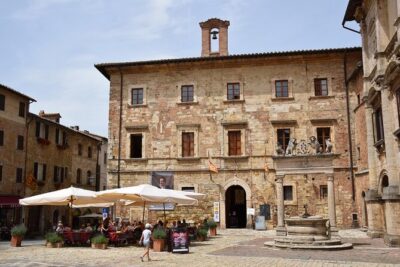
Montepulciano is best known for Vino Nobile di Montepulciano, a Tuscan red made in the hills around town. This tour gives you a close look at the old-fashioned side of that tradition, with the wine stored underground in historic rooms rather than presented only in a modern tasting bar.
The cellar sits in the center of Montepulciano, inside the pedestrian-only part of town. You will need to leave your car outside the historic center, then walk to the meeting point. Parking S. Donato and Parking P8 are the recommended choices.
That location matters. You are not being bused to an isolated estate and rushed through a large production line. Instead, the experience fits neatly into a visit to the old town. You can combine it with Montepulciano’s streets, views, churches, and shops without giving up half a day to transportation.
The cellar itself provides the atmosphere. Rows of huge barrels fill the underground spaces, including casks made from Slavonian oak and others made from French wood. The distinction is useful because wood is not just decoration in wine production. Different woods and barrel sizes can affect how a wine matures, and the guide explains why these materials matter to Nobile di Montepulciano.
More Wine Cellar Visits in Italy
- Modena: Balsamic Lunch with Vinegar Cellar Tour and Tasting
★ 5.0 · 395 reviews - Tasting Tour in One of The Most Beautiful Cellars in the World
★ 5.0 · 278 reviews - Abellonio Cascina Piccaluga – visit to the vineyards, to the wine tasting cellar
★ 5.0 · 237 reviews
What the one-hour itinerary actually includes
The tour follows a simple pattern. You meet your guide, enter the cellar, learn about the building and wine-making traditions, then finish with a tasting and small food pairings.
The cellar walk is the first half of the experience. Expect explanations about the local wine region, the old families connected to production, and the way wine is stored. Several guides have been specifically praised for telling the story of the family and the cellar, not just reciting technical facts.
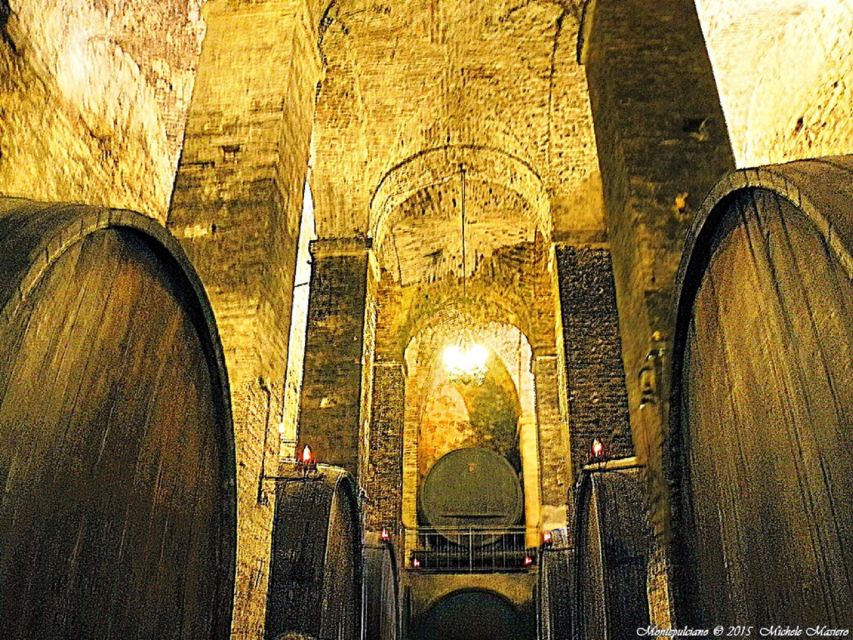
You may hear the cellar referred to as the De’Ricci caves or cellar in connection with the De’Ricci family. The setting is still an active wine-making space, which gives the tour more substance than a decorative historical room. The caves and wine cathedral have been described as especially atmospheric, with careful lighting that makes the underground architecture easy to see.
The local geology also gets a place in the talk. Montepulciano’s soil contains sandy tufa, and fossils found in the area point to its ancient origins. This is a small detail, but it helps you understand why the tour spends time on the ground beneath the vineyards. Wine is not presented as an abstract luxury product. It is tied to soil, climate, wood, and local practice.
After the cellar, you move to the tasting area. The tasting room has been described as modern and comfortable, a useful contrast to the dark stone and old barrels below. You get a selection of five DOC and DOCG wines from Montepulciano. Some tasting sessions have included six wines, so the exact number may vary, but five is the advertised inclusion.
The guide introduces each wine and gives you time to taste. This is not a formal wine course, but you should come away with a clearer sense of the area’s reds and the difference between the bottles in front of you.
The barrels, caves, and wine cathedral
The large wooden barrels are the visual heart of the tour. Slavonian oak is used for some of the Nobile di Montepulciano, while French wood appears elsewhere in the cellar. Seeing the scale of the casks helps you understand that wine production here is a long, physical process.
The cellar is also a useful choice for anyone who enjoys architecture and old town history but does not want a museum-only stop. The rooms are connected to the working life of the winery, so the experience has a practical edge. You are seeing where wine is stored and aged, not simply looking at antique tools behind glass.
The phrase wine cathedral has been used for the grandest part of the underground space. You might find the atmosphere more impressive than the technical wine details, especially if you have already visited several wineries. For that reason, I would place this tour high on the list for someone interested in old cellars, masonry, and family-owned wine traditions.
There is one practical point to keep in mind. The tour lasts only an hour, so the cellar explanation cannot cover every stage from vineyard to bottle. If you want a long vineyard walk, a production demonstration, or a full meal, this is not that kind of outing. It is a compact town-based tasting with a strong historic setting.
Five wines with pecorino and bruschetta
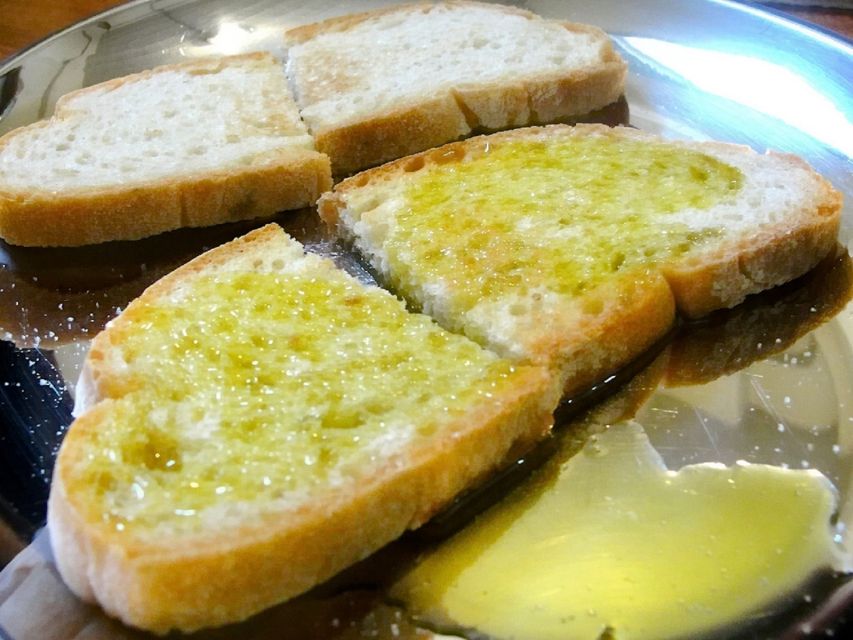
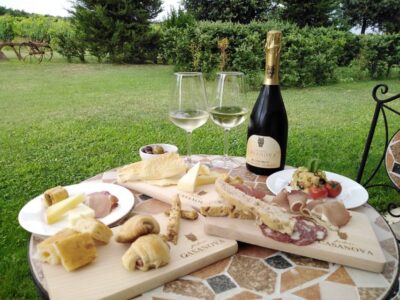
The tasting is more satisfying because food is included. You receive pecorino cheeses at different ages, which lets you compare how the texture and flavor change as the cheese matures. Bread, extra-virgin olive oil, and typical crostini round out the food.
Some descriptions also refer to small antipasti plates with meat and cheese. The amount is not presented as a full lunch, so plan to eat beforehand if you need a substantial meal. Think of the food as a well-chosen accompaniment that helps you taste the wine, not as a replacement for lunch.
The bruschetta is particularly fitting. Olive oil and bread keep the pairing local and straightforward, while the cheese gives you something salty and creamy alongside the reds. This is the kind of tasting I prefer to a table crowded with unrelated snacks, because the food does not distract from the wine.
The five DOC and DOCG wines give you a useful sample of Montepulciano’s wine identity. The tour is not designed for collectors who need a technical comparison of every vintage, but it works well if you want to know what to order with dinner or what to buy from the area.
Several people have chosen to purchase bottles after the tasting, and shipping has been available to some destinations, including the United States. Shipping options are not universal, though. One Canadian visitor specifically noted that delivery to Canada was not available, so ask about your destination before counting on sending bottles home.
Same wine country, a different day out:
- Tuscany Day Trip from Florence: Siena, San Gimignano, Pisa and Lunch at a Winery
★ 5.0 · 21,634 reviews - Florence: Chianti Wineries Tour with Wine Tasting
★ 4.5 · 10,071 reviews - From Florence: Siena, San Gimignano, Pisa & Lunch at Winery
★ 4.8 · 4,538 reviews - Half day Chianti Vineyard Escape from Florence with Wine Tastings
★ 4.5 · 2,196 reviews
The guides make the difference
A short tour depends heavily on the person holding the bottle and telling the story. The named guides associated with especially strong experiences include Emilio, Debi or Debbie, Mirko, and Ron.
Emilio has been praised for stories about the origins of the cellar and the families who run it. Debi and Debbie have been described as funny, warm, and clear in English. Mirko has been singled out for combining enthusiasm with strong explanations, while Ron has been praised for explaining both the De’Ricci family business and the wines in the tasting.
The guide quality matters because the cellar could otherwise become a quick photo stop. A good explanation turns the barrels into evidence of local production, and it gives the tasting a reason to continue after you leave the underground rooms.
Tours are offered in English and Italian. If you want detailed explanations of the family story, the local soil, or the wines, confirm that your preferred language is available at the start time you choose.
Is $38 a fair price?
At $38 per person, I consider this good value if you already plan to visit Montepulciano. The price covers a guide, the cellar tour, five wines, pecorino, bruschetta with extra-virgin olive oil, and crostini. You are also paying for access to an old cellar that you would not experience by simply ordering a glass at a wine bar.
The value is strongest for people who want a complete introduction in a short block of time. You get architecture, local history, wine-making context, and food without needing a car or a separate transfer.
The value is less clear if you are seeking a full winery day. The duration is one hour, transportation is not included, and the tasting food is light. Serious wine enthusiasts may prefer a longer estate visit with vineyard time and more technical detail.
Still, the cost compares well with the price of a casual meal and several separate glasses in a historic town. If you are already in Montepulciano, this is an efficient way to make the wine a central part of your visit.
How to handle the meeting point and timing
The old center is a no-car zone, so do not try to drive to the cellar entrance. Park at S. Donato or P8, then allow time to walk through the medieval streets. A clear meeting-point sign has been requested by some visitors, so read the directions carefully and avoid arriving at the last minute.
The tour has set starting times, and availability changes by date. Since it lasts only an hour, you can fit it between other Montepulciano sights, but you should leave enough time for parking and the uphill or uneven walk through town.
Free cancellation is available up to 24 hours before the activity for a full refund. You can also reserve and pay later, which helps if your Tuscan route is still shifting.
Who will enjoy this tour most?
I would recommend it to:
- First-time visitors to Montepulciano who want a clear introduction to local wine.
- Couples looking for a polished but not overly long tasting.
- History and architecture fans who prefer old cellars to modern tasting rooms.
- Wine drinkers who want to compare several local bottles with simple Tuscan foods.
- Families with older children or adults who can enjoy the cellar and share the food.
- Anyone without a car who wants a wine experience inside the historic center.
It may be less suitable if you want extensive vineyard walking, a full meal, or a long technical seminar. The tasting is guided and informative, but it remains a compact introduction.
My practical verdict
I would book this tour if Montepulciano is already on your route and you have one free hour in town. The combination of underground caves, giant barrels, local geology, family stories, and five wines gives you much more than a standard counter tasting.
Book it especially if you value setting and explanation as much as the wine itself. Skip it only if you have already arranged a longer winery visit or if you need a full meal and transportation from another Tuscan town.
The best plan is to arrive early, park outside the center, wear comfortable shoes, and keep some room in your luggage for a bottle. At $38, this is a well-priced way to meet Montepulciano through the place where its wine spends much of its life: below the town.
FAQ
Where does the Montepulciano wine tasting and cellar tour take place?
The cellar is in the center of Montepulciano, inside a no-car zone. You can park at Parking S. Donato or Parking P8 and walk to the meeting point.
How long does the tour last?
The activity lasts one hour.
How many wines are included?
The stated inclusion is five DOC and DOCG wines from Montepulciano. Some tasting sessions have included six wines, but the advertised selection is five.
What food is served with the wine?
The tasting includes pecorino cheeses of various ages, bruschetta with extra-virgin olive oil, and typical crostini. Some descriptions also mention small servings of meat and other antipasti.
Is transportation included?
No. Transportation is not included, and you must reach the cellar independently.
What languages are available?
The live guide speaks English or Italian.
Can I drive directly to the cellar?
No. The cellar is in a pedestrian-only, no-car area of Montepulciano. Park outside the historic center and walk to the meeting point.
Who are some of the guides?
Guides associated with the experience include Emilio, Debi or Debbie, Mirko, and Ron. Guide assignments can vary by date.
Can I cancel the booking for a refund?
You can cancel up to 24 hours in advance for a full refund.
Can I reserve now and pay later?
Yes. The activity offers a reserve-now-and-pay-later option.
More Food and Drink Experiences in Italy
- From Florence: Private Chianti Hills Tour with Tasting
★ 4.3 · 809 reviews - Lucca: Guided Winery Tour with Wine Tasting
★ 4.7 · 611 reviews - Olbia: Gallura Winery Guided Tour with Tasting
★ 4.7 · 451 reviews - Private 6-Hour Tour of Three Etna Wineries with food&wine tasting
★ 5.0 · 417 reviews
Just added around Italy
- Primitivo and Negroamaro wine tour: a visit to two wineries and typical lunch. From Lecce★ 5.0 · 19 reviews
- Visit to a Winery in Salento with Wine tasting and light lunch. From Lecce★ 4.5 · 10 reviews
- Full Day Tour to Gallipoli, Galatina, Coast, Beaches and Winery★ 5.0 · 39 reviews
- Discover the best cellars of Salento★ 5.0 · 30 reviews
- “Between Langhe and Monferrato” – Wine Tasting and Cellar Visit★ 5.0 · 86 reviews
- Visit among vineyards and wine cellar with wine tasting in Nizza Monferrato★ 5.0 · 10 reviews
- Barolo Tasting and Vineyard Tour and Winery Visit★ 4.5 · 2 reviews
- Guided Walk and Lunch in the Vineyard in Alba★ 4.5 · 2 reviews
Montepulciano Vineyard Tours, compared.
Tasting Tour in One of The Most Beautiful Cellars in the World
Read our review →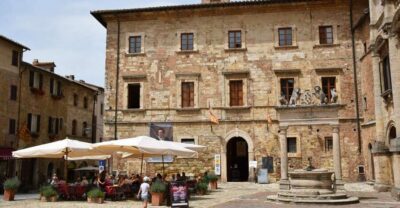
Horseback Ride Through the Vineyards of Montepulciano
Read our review →Browse the lists this tour appears in