
REVIEW · MILAN
Milan Urban Winery: Taste & Tour at Cantina Urbana
Milan is not the first place you expect to find wine production, which is exactly what makes Cantina Urbana so appealing. At Via Ascanio Sforza 87, you can see wine being made inside the city, then taste six house wines with a plate of local cheese, cured meat, and other regional products. The urban winery idea is the star here.
I like the short tour because it gives you a clear look at the barrels, amphorae, and stainless steel tanks without turning the visit into a long technical lecture. I also like the guides. Andrea, Irene, Francesco, Nello, and others have been praised for explaining the process in clear English and for taking questions seriously.
The main drawback is simple: the visit lasts about 90 minutes, so this is a focused tasting rather than a full day among vineyards. A few wines may not suit your palate, and the address is farther from Milan’s main center than some visitors expect. Give yourself enough time to get there.
Key things to know before booking
- Six wines make the stronger choice: The larger tasting gives you a wider range of styles, with white, rosé, orange, and red wines appearing in the selection described by one participant.
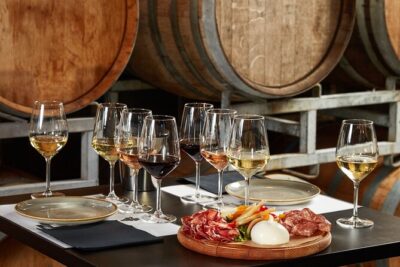
- The winery is inside Milan: You see wooden barrels, terracotta amphorae, and stainless steel tanks in a compact but distinctive city setting.
- Food is part of the experience: A charcuterie plate with local cheese and cured meats accompanies the wines.
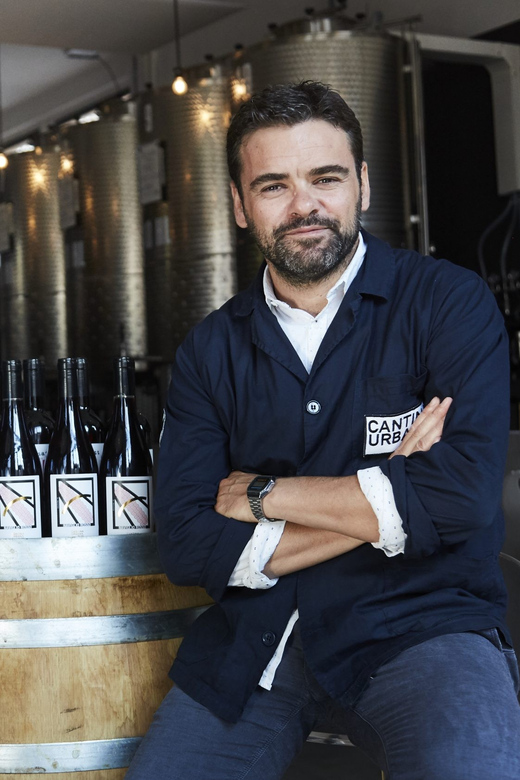
- The guides shape the visit: Andrea, Irene, Francesco, Nello, and other hosts explain production methods, flavors, and food pairings in English or Italian.
- Cantina Urbana is organic certified: The winery focuses on artisanal production, pure wine, and respect for nature.
- You can stay for more food: The venue also operates as a wine bar, with extra dishes and drinks available from the menu.
Why a winery in Milan works
Cantina Urbana begins with a clever question: why should wine production be limited to the countryside? The answer here is a working winery in a metropolis, where grapes become wine among city streets, restaurant tables, and evening aperitivo plans.
That idea gives the visit a different feel from a traditional vineyard tour. You will not be walking through rows of vines or looking over rural hills. Instead, you get close to the practical heart of production: fermentation vessels, storage containers, barrels, and the tools used to turn grapes into finished wine.
I find that useful because it makes the process easier to understand. A vineyard visit can focus on scenery and agriculture, while this experience puts the making of wine first. You see the setting where the important changes happen after the grapes arrive.
The winery is described as small but characteristic. That matters. You should expect a compact tour, not a huge industrial facility. The limited scale can make the stop feel personal, especially when the guide pauses to answer questions or explain why one wine uses a different method from another.
A few more vineyard days around Italy worth a look
- Tuscany Day Trip from Florence: Siena, San Gimignano, Pisa and Lunch at a Winery
★ 5.0 · 21,634 reviews - Florence: Chianti Wineries Tour with Wine Tasting
★ 4.5 · 10,071 reviews - From Florence: Siena, San Gimignano, Pisa & Lunch at Winery
★ 4.8 · 4,538 reviews
Inside the compact winery
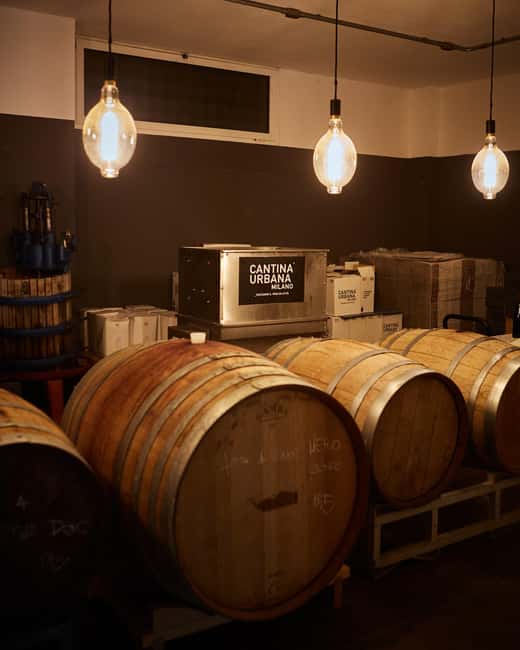
The guided portion takes you around the production space before the tasting begins. The setting includes wooden barrels, terracotta amphorae, and stainless steel tanks, each linked to a different approach to aging, fermentation, or storage.
The materials themselves make the tour interesting. Stainless steel suggests control and precision. Wood can affect the texture and character of wine. Terracotta amphorae connect the modern urban project with older winemaking traditions. You may not become a winemaker in 90 minutes, but you will leave with a better sense of why producers choose one vessel over another.
The guides also explain the winery’s methods and values. Cantina Urbana makes artisanal wines and says it aims to keep the wine pure while respecting nature. Its organic certification gives that approach a concrete foundation, rather than leaving it as a vague promise.
You should expect the explanation to cover general winemaking as well as Cantina Urbana’s own methods. Francesco has been praised for explaining the process in a way that works for first-time tasters, while Irene and Andrea have been singled out for making the talk both clear and friendly. Nello has also handled detailed questions about production and pairing.
The short length works well here. You get enough context to understand the tasting, but you are not stuck in a long lecture before the first glass arrives.
Six wines, four styles, and a useful comparison
The main tasting includes six wines, although a four-wine option is also available. At $47 per person, I would choose the six-wine version if you have a real interest in wine. The extra glasses give you a better chance to compare styles, colors, aromas, and finishes.
The exact lineup can vary, but the experience has included white, rosé, orange, and red wines. That range helps you notice how much variety can come from different grapes and production methods. One selection included two red wines alongside white, rosé, and orange styles, giving the tasting a broad spread rather than six near-identical pours.
The orange wine is particularly useful for people who want to understand current wine styles. It lets you compare a wine made with more skin contact against the cleaner, lighter impression you may find in some whites. The rosé offers another point of contrast, while the red wines show how texture, aroma, and weight can change across the same general category.
I would not book this expecting every wine to become a personal favorite. One person found that a couple of the wines did not suit their taste, which is normal in a tasting built around variety. The point is comparison, not six guaranteed crowd-pleasers.
The portions also seem generous for a tasting. Several visitors specifically noted that the glasses were not tiny. That improves the value, but it also means you should pace yourself. Six wines in 90 minutes can add up, especially with food.
The guide does more than name each bottle. You will learn about production choices, the qualities of each wine, and ways to pair the wine with the food on the table. That makes the tasting useful for beginners, while experienced wine drinkers can ask more detailed questions.
The local food plate matters
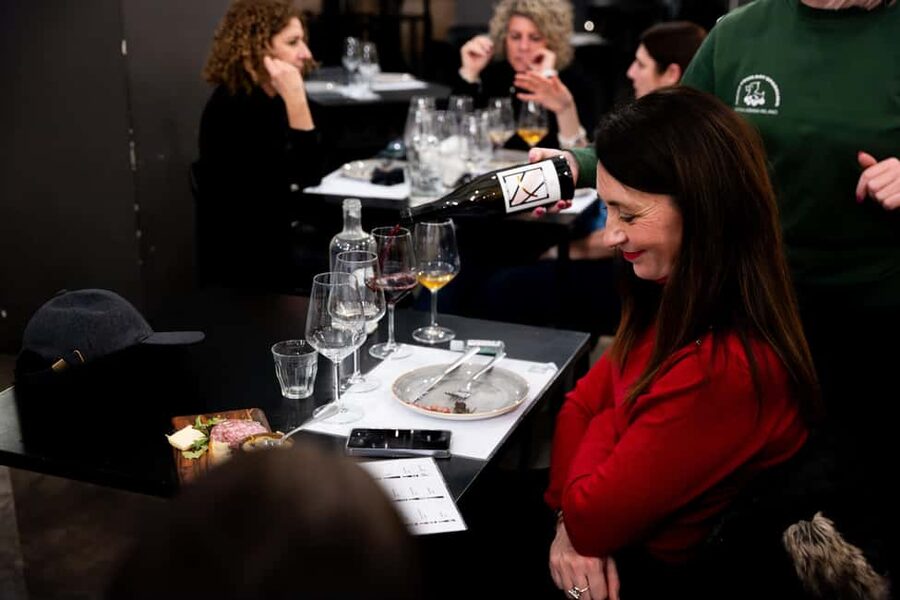
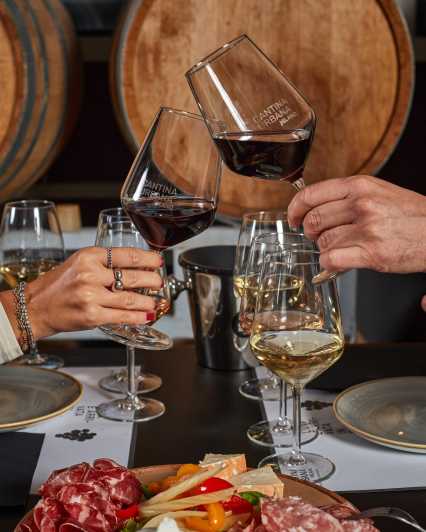
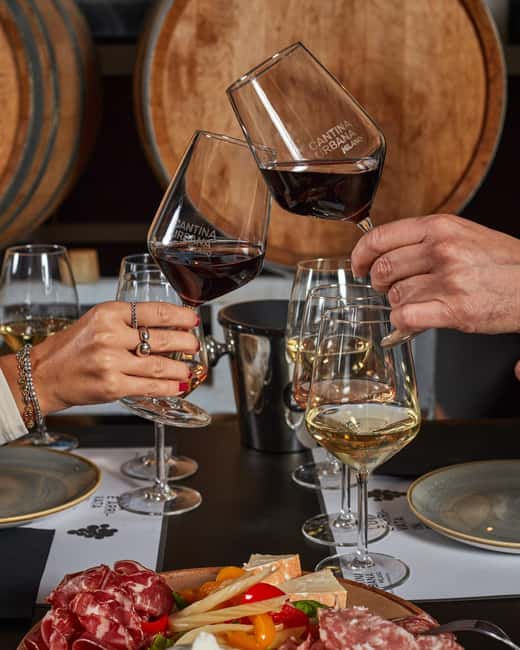
Wine without food can leave a tasting feeling incomplete. Cantina Urbana includes a charcuterie plate with typical local products, usually built around cured meats and cheese. The food gives you something to compare with each wine and helps turn the visit into a light evening meal rather than a row of disconnected pours.
The portions have been described as generous, and the cheese and prosciutto pairing has received especially strong praise. The plate is not simply decoration. Salty cured meat can change how you notice acidity, while cheese can soften sharper edges and bring out fruit or savory notes.
This is also where you can test the guide’s pairing suggestions. Try a bite before the wine, then taste again after the wine. The change can be more instructive than a technical explanation.
Vegetarian visitors should make their preference clear when booking or on arrival. A vegetarian charcuterie request has been accommodated successfully, and the replacement plate was described as delicious. Still, one person felt the vegetarian selection could have included more cheese and substance. That gives you a fair expectation: the staff can adapt, but the standard board is more naturally suited to meat and cheese.
If you want a full meal, you can order additional food and drinks from the à la carte menu. Cantina Urbana is also open as a wine bar, so you are not limited to the included tasting plate. The listed price covers the guided tour, wine tasting, and food tasting, while anything extra costs more.
Same wine country, a different day out:
- Half day Chianti Vineyard Escape from Florence with Wine Tastings
★ 4.5 · 2,196 reviews - Tuscany Wine Tour: 2 Wineries & San Gimignano from Florence
★ 5.0 · 1,007 reviews - From Florence: Private Chianti Hills Tour with Tasting
★ 4.3 · 809 reviews - Chianti Wineries Tour with Tuscan Lunch and San Gimignano
★ 5.0 · 793 reviews
The guides make the difference
A wine tasting can feel stiff if the person pouring the wine simply recites facts. Here, the hosts appear to be an important part of the experience.
Andrea has been praised for friendly service, good English, and a lively explanation of the wines. Irene has been described as enthusiastic and willing to spend time with each table. Francesco has received repeated praise for his passion and for explaining both the winery concept and the production process.
Nello is a good example of what suits this experience. He has handled groups with many questions, explained flavor profiles, and offered pairing advice without rushing the conversation. That is useful if you already know a little about wine and want more than a basic introduction.
The tours run in English and Italian. English-language visitors should find the main explanations accessible, though the experience still depends on the guide assigned that day. The available hosts have been praised for clear English, warmth, and patience.
You may also find that the level of interaction changes with the group. A small party can lead to more personal attention. One booking had only two people, while another group was given warm, attentive service throughout. Larger groups may feel more like a standard tasting, but the format still allows questions.
One practical note: the experience may not begin exactly when you enter. One evening group waited until the scheduled 7:30 p.m. start before the tasting began. Arrive ready for a fixed start time rather than assuming the first glass will be poured immediately.
Is $47 a fair price?
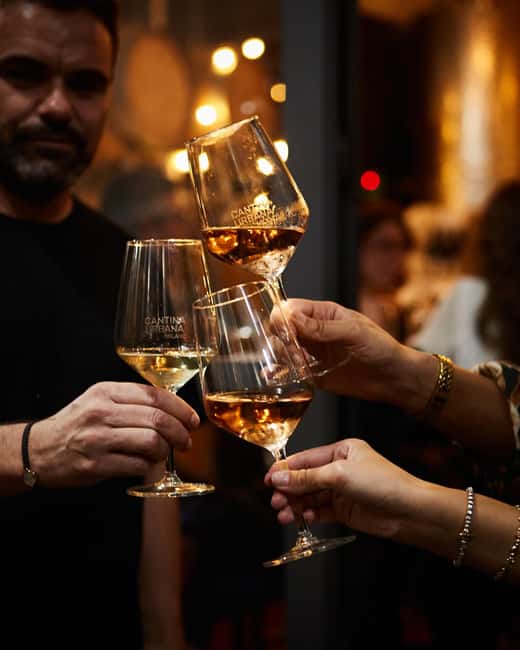
At $47 per person, this is not the cheapest way to drink wine in Milan. You can find a glass and a snack for less at a bar. That comparison misses the point, though.
The price includes a guided look at an unusual production space, four or six wines depending on the option, and food to pair with them. With the six-wine version, you are paying for a structured tasting, instruction, and a meal-sized snack plate rather than just alcohol.
I consider the price fair for anyone who wants to learn while tasting. The value improves if you ask questions, compare the wines carefully, and use the food to explore pairings. It is less compelling if you only want a quick aperitivo or if you do not enjoy trying styles that may fall outside your usual taste.
The food also adds real value. Several tastings were described as generous, and the local products help anchor the wines in Italian eating culture. If you order more from the menu, remember that those items are not part of the base price.
You can also buy bottles at the winery. One person ordered a crate to be delivered, while another took several bottles home. If you find a wine you like, ask about buying it before you leave.
Getting there and planning your evening
The meeting point is at Via Ascanio Sforza 87 in Milan. The information allows for two starting options, but both are listed at the same address, so check your booking details carefully.
The venue is farther from the main city center than some people expect. I would not schedule this with a major attraction immediately before it unless you have allowed extra time. Plan your route in advance and arrive with enough margin for the fixed start.
At 1.5 hours, the tasting fits neatly into an evening. You can make it your main dinner plan by ordering more food, or treat it as a substantial aperitivo before eating elsewhere.
The activity is wheelchair accessible. English and Italian are available, and you can cancel up to 24 hours before the start for a full refund. The reserve now and pay later option can also help if your Milan plans are still changing.
Who will enjoy Cantina Urbana most?
This is a strong choice for wine lovers who want more than a glass at a restaurant. You will get the most from it if you enjoy asking how wine is made, comparing different styles, and noticing how food changes the taste.
It also suits first-time wine tasters. The setting is less intimidating than a formal wine school, and the guides explain the basics without assuming that you already know technical terms. The four-wine option may be enough if you want an introduction without committing to six pours.
Couples, small groups, and anyone looking for an unusual Milan evening should consider it. The urban setting gives you a story to take home, and the wine bar format makes the visit feel social rather than academic.
It may not suit you if you want a vineyard view, a long countryside outing, or a large meal included in the price. The tour is short, the winery is compact, and the tasting is the main event.
Should you book this Milan wine tasting?
I would book Cantina Urbana if you like wine and want to see a side of Milan that does not involve another church, gallery, or shopping street. The city winery concept is unusual, the production details give the visit substance, and the six-wine option offers a useful range of styles.
Choose the larger tasting if you want to compare white, rosé, orange, and red wines. Choose the shorter option if you are new to wine or prefer a lighter stop. Make a vegetarian request in advance, allow extra travel time to Via Ascanio Sforza 87, and treat the $47 price as payment for instruction, food, and a guided tasting rather than just a few drinks.
FAQ
Where does the Cantina Urbana wine tasting take place?
The experience takes place at Cantina Urbana Milano, Via Ascanio Sforza 87, Milan.
How long does the experience last?
The guided visit and tasting last about 1.5 hours.
How many wines are included?
The available options include either four or six wines. The six-wine option is best for a broader comparison of styles.
What food is included?
A food tasting is included, with a charcuterie plate featuring typical local products such as cured meats and cheese.
Can I order more food or drinks?
Yes. Cantina Urbana also operates as a wine bar, and you can order additional items from the à la carte menu.
Is the experience offered in English?
Yes. Live guides are available in English and Italian.
Is the winery wheelchair accessible?
Yes. The activity is listed as wheelchair accessible.
Can I cancel for a full refund?
Yes. You can cancel up to 24 hours in advance for a full refund.
Can I reserve now and pay later?
Yes. The reserve now and pay later option lets you hold a place without paying at the time of booking.
Just added around Italy
- Primitivo and Negroamaro wine tour: a visit to two wineries and typical lunch. From Lecce★ 5.0 · 19 reviews
- Visit to a Winery in Salento with Wine tasting and light lunch. From Lecce★ 4.5 · 10 reviews
- Full Day Tour to Gallipoli, Galatina, Coast, Beaches and Winery★ 5.0 · 39 reviews
- Discover the best cellars of Salento★ 5.0 · 30 reviews
- “Between Langhe and Monferrato” – Wine Tasting and Cellar Visit★ 5.0 · 86 reviews
- Visit among vineyards and wine cellar with wine tasting in Nizza Monferrato★ 5.0 · 10 reviews
- Barolo Tasting and Vineyard Tour and Winery Visit★ 4.5 · 2 reviews
- Guided Walk and Lunch in the Vineyard in Alba★ 4.5 · 2 reviews
Milan Vineyard Tours, compared.
Lake Iseo & Franciacorta Winery. Scenic & Wine Tasting tour
Read our review →
From Milan: Langhe Wine Region Day Trip with Barolo Tasting
Read our review →
Winter Games Vineyards Milan’s Perfect Wine Tasting
Read our review →
From Milan: Full Day in Franciacorta. 2 Wineries & Lunch
Read our review →Browse the lists this tour appears in