
REVIEW · ITALY
Marsala: Historic winery tour with wine tasting
Marsala’s wine story begins behind the heavy doorway of a 19th-century baglio, a fortified Sicilian farm courtyard now home to Cantine Mothia. The short visit moves from the old marble-paved courtyard to modern stainless-steel tanks, oak barrels, and a tasting room where you sample white, red, sweet, and Marsala wines.
I like the family-led tour, especially when Marialena or another Bonomo family member guides it. I also like the chance to taste wines made from native grapes that you are unlikely to find in ordinary shops. The main consideration is sound: background work has occasionally made the guide hard to hear, and the advertised one-hour visit can stretch to around 90 minutes.
Key points to know before you book
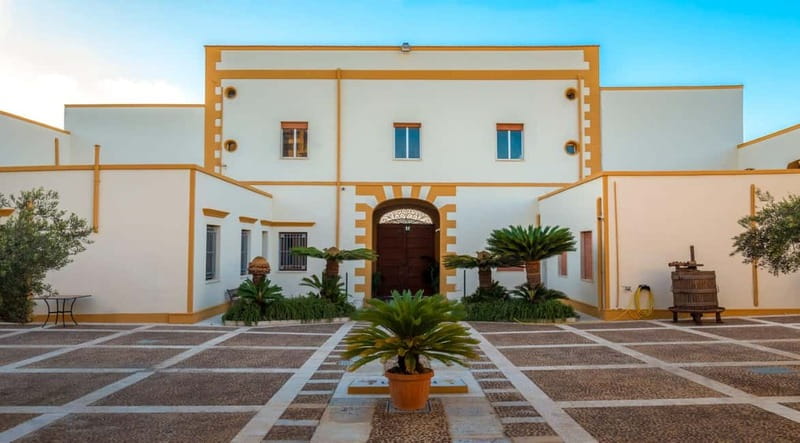
- Historic setting: Enter through the baglio’s large wooden doorway into a courtyard with 19th-century marble paving still marked by wagon wheels.
- Family hosts: A Bonomo family member leads the visit and explains both the winery and the family’s restoration of the building.
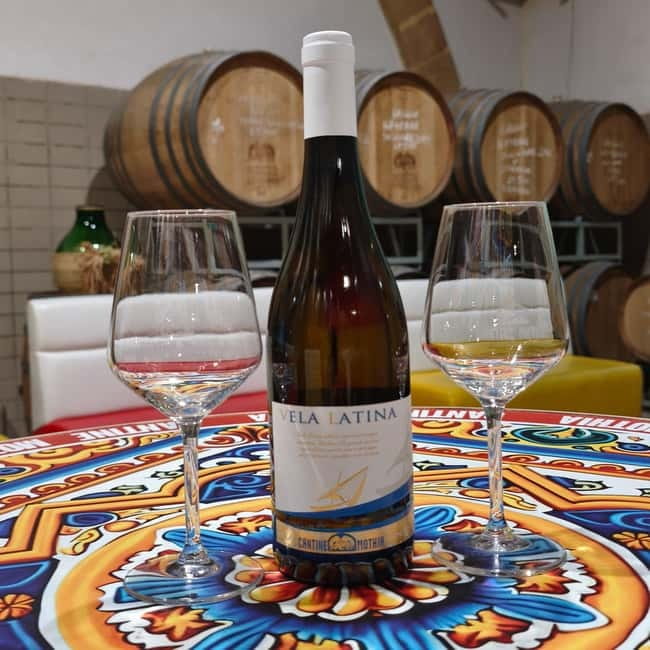
- Four advertised wines: Expect a white, red, sweet wine, and Marsala, with some tastings offering five wines.
- Sicilian pairings: Seasoned olives, sun-dried tomatoes, pizza rianata, and sesame cookies accompany the pours.
- Good location: Cantine Mothia sits between central Marsala and the salt pans, near the road to Mothia Island.
- Practical value: At $29 per person, the price covers the tour, four wine samples, food pairings, and access to wines not sold through large-scale distribution.
Entering Cantine Mothia near Marsala’s salt pans
Cantine Mothia is at 22 Giovanni Falcone Magistrate Street, just after the traffic circle when you come from downtown. Follow the signs rather than expecting a dramatic roadside entrance. The winery is positioned conveniently between Marsala’s historic center and the salt pans, so it works well as part of a day exploring western Sicily.
The setting gives you useful context before the tasting even begins. Mothia Island, once an important Phoenician settlement, lies nearby, while the salt pans bring another of the area’s old industries into view. Wine, salt, farming, and sea trade have long shaped this corner of Trapani province.
Parking is available right next to the winery, which is handy if you are driving. The site is wheelchair accessible. Starting times vary, so check the available slot when booking.
The price is $29 per person. For a one-hour visit, that is fair rather than cheap, but the value improves if your tasting lasts closer to 90 minutes. You are paying for a guided look behind the scenes, not simply a flight of wine at a bar. The food, family presentation, and access to small-production bottles make the cost reasonable for anyone already planning to visit Marsala.
More Winery Tours in Italy
- Lucca: Guided Winery Tour with Wine Tasting
★ 4.7 · 611 reviews - Olbia: Gallura Winery Guided Tour with Tasting
★ 4.7 · 451 reviews - Bolgheri: Classic Wine Tasting with Winery Tour
★ 4.5 · 325 reviews
The baglio courtyard tells the first part of the story
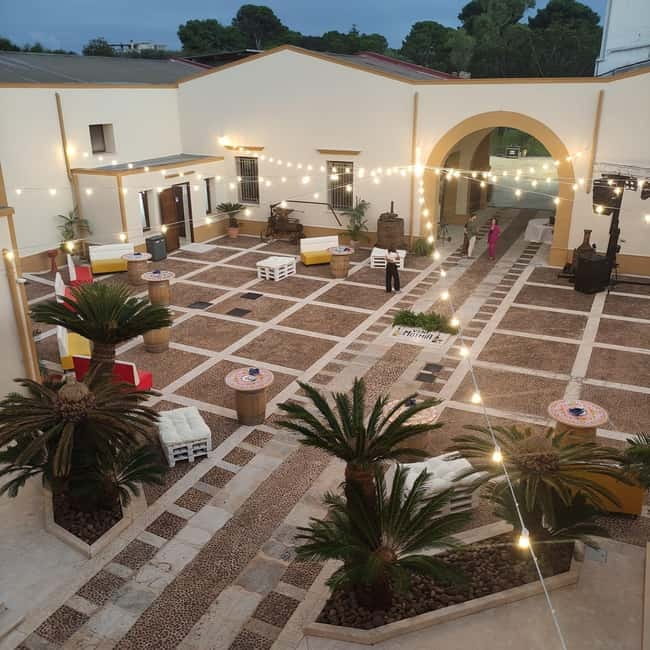
The tour begins in the inner courtyard of the old baglio. The Bonomo family bought the building in 1997, when Francesco Bonomo founded Cantine Mothia, and the family began restoring the property soon afterward.
A baglio is more than a pretty old building. These enclosed rural complexes were working centers, with rooms and storage areas arranged around a protected courtyard. At Cantine Mothia, the courtyard gives you an immediate sense of the building’s former agricultural role.
Look for the imposing central doorway, the decorative wrought-iron grille, and the tuff-stone details inside. The marble paving is especially interesting. It still carries marks left by wagons that once hauled grapes through the courtyard.
That detail helps the tour avoid becoming a generic winery visit. You are not only hearing about grape varieties and fermentation. You are standing in a place that was built for agricultural work and later adapted for modern wine production.
The courtyard is also the most atmospheric part of the visit. Behind the entry door, the busy road falls away, and the enclosed space can feel surprisingly rural. If you enjoy architecture, restoration, or old farm buildings, allow a few minutes to look around before moving on.
From stainless-steel tanks to oak barrels
The next stops show how the restored building now functions as a working winery. Cantine Mothia combines modern winemaking equipment with older storage traditions.
In the winemaking department, the guide explains how grapes are processed and how white and red wines differ. The explanation is aimed at general visitors, so you do not need technical wine knowledge to follow it. If you have questions, ask them. The tour is relaxed, and guides have taken time to explain details about production, serving, and storage.
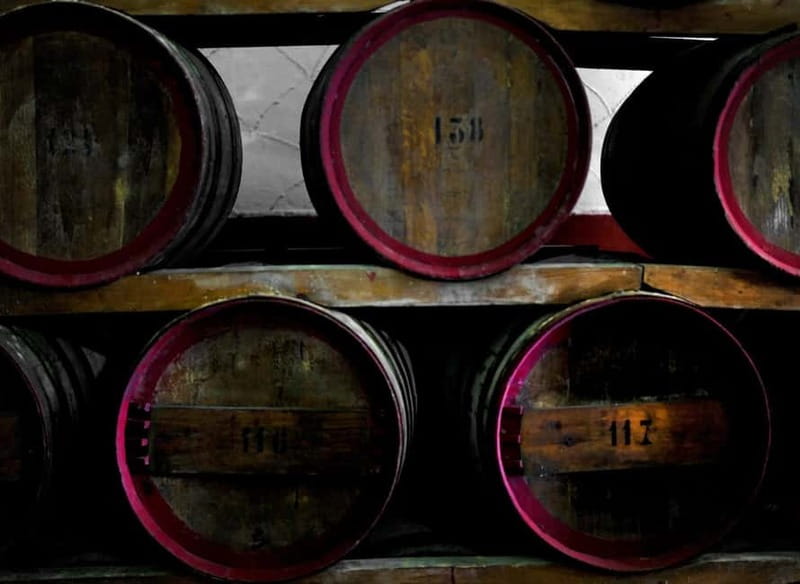
The aging department uses stainless-steel tanks and oak barrels. This contrast is useful because it lets you see two different sides of wine production in one short visit. Stainless steel helps preserve a wine’s clean fruit character, while oak can add texture and flavor during aging. The guide connects the equipment to the styles you later taste.
The winery was designed with modern technical needs in mind during the restoration. That matters because the old baglio is not just a museum set. It remains a functioning production site, with contemporary equipment placed inside a historic shell.
The tour can be especially helpful if you are new to wine. You will leave with a clearer idea of why a white wine is handled differently from a red, how fortified Marsala differs from table wine, and why aging in wood changes the final bottle.
The old cooperage and the story of Marsala wine
The ancient cooperage is where the visit shifts from general production to Marsala’s local identity. Here, fine oak barrels and the history of Marsala wine take center stage.
Marsala is a fortified wine, meaning alcohol is added during production. It can be dry or sweet and is made in styles that work with food, desserts, or slow sipping. The guide explains the wine’s place in the region and how the local tradition fits into the wider story of Sicilian wine.
This is a valuable stop because many visitors know Marsala mainly as a cooking wine. The tasting helps correct that narrow view. A well-made Marsala can show nutty, sweet, dry, or layered flavors, depending on its style and aging.
The small scale of Cantine Mothia also matters here. The winery produces white, red, fortified, Passito, and Marsala wines, including bottles made from native grape varieties. These are not widely distributed through large retail channels, so the tasting can introduce you to wines you may not see in a supermarket or standard wine shop.
Do not expect the polished scale of a major commercial estate. The appeal is the family connection, the local focus, and the sense that the products are tied to this part of Sicily. The winery has received awards and appears in major wine guides, but the visit remains personal rather than showy.
Same wine country, a different day out:
- Tuscany Day Trip from Florence: Siena, San Gimignano, Pisa and Lunch at a Winery
★ 5.0 · 21,634 reviews - Florence: Chianti Wineries Tour with Wine Tasting
★ 4.5 · 10,071 reviews - From Florence: Siena, San Gimignano, Pisa & Lunch at Winery
★ 4.8 · 4,538 reviews - Half day Chianti Vineyard Escape from Florence with Wine Tastings
★ 4.5 · 2,196 reviews
Four wines, Sicilian snacks, and a relaxed tasting
The tasting takes place in a dedicated room after the tour. The advertised program includes four wines: one white, one red, one sweet wine, and one Marsala. Several recent visits have included five wines, so you might receive an extra pour, but treat that as a bonus rather than a guarantee.
The wines are served in individual glasses and paired with small Sicilian foods. Expect seasoned olives, sun-dried tomatoes, pizza rianata, and sesame cookies. The pairings are not a full meal, but they are more useful than a bowl of plain crackers because they show how local food changes the taste of the wine.
The food is also suitable for vegetarians, based on the tasting described by one visitor. That makes the experience easier for many people, though the supplied information does not specify arrangements for other dietary needs. If you have allergies or restrictions, ask the winery before you arrive.
The sequence usually moves from lighter wines toward sweeter or fortified styles. You can pay attention to how the food works with each sample. Salty olives can make a wine seem softer, while a sweet cookie gives you a clear reason to try Passito or a sweeter Marsala with dessert.
The atmosphere is informal. The guide explains the wines, answers questions, and gives you time to taste. Some English-speaking visitors have been the only English speakers in a larger Italian group, but the guides have still provided explanations in English. Marialena, in particular, has guided tours fluently in both Italian and English.
A useful tip: do not rush the final tasting. The tour itself is brief, but the tasting is where you can compare styles and decide what you actually like. You may prefer the red, enjoy the sweet wine with the sesame cookie, or discover that dry Marsala is far more interesting than expected.
What the family guide adds
The family connection is not a decorative detail. It shapes the tone of the visit.
A Bonomo family member can explain why the winery was founded, how the baglio was restored, and how the production rooms were developed. That gives you a direct link between the building, the business, and the wines in your glass.
The style of the tour may vary with the guide and the group. Some visits are private or nearly private, while others include Italian and English speakers together. The guides have been willing to switch languages and stop for questions, which is useful if you want more than a memorized explanation.
The experience is strongest when you are curious. Ask how Marsala should be stored, when it should be served, and how the dry and sweet styles differ. Ask about the local grape varieties and which bottles are made in small quantities. The information provided during the visit includes practical serving advice, not just background facts.
There is one small weakness to keep in mind. Work in the background has occasionally created enough noise to make listening difficult. If that happens, move closer to the guide and ask for a repeat. The winery is a working place, so perfect museum silence should not be expected.
How long the visit really takes
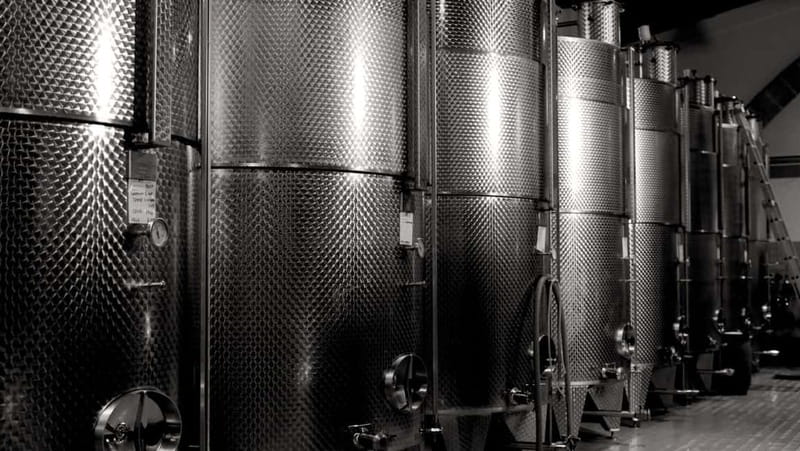
The listed duration is one hour, which is a good planning figure for a tight schedule. In practice, the full experience can last about 90 minutes when the guide takes time with questions and the tasting.
That extra time is usually a benefit, but it matters if you are trying to fit the visit between a train, a meal, or a salt-pan sunset. I would leave a little breathing room rather than scheduling the next activity immediately afterward.
The tour is not a full-day wine excursion. There is no vineyard transport, large meal, or long countryside drive included. You visit one winery, learn how it works, and taste its production. That focused format suits you if you want a local introduction without giving up half a day.
The winery offers the tour in Italian and English. Some material may be presented in its original language, so ask the guide to clarify anything you miss.
Buying bottles after the tasting
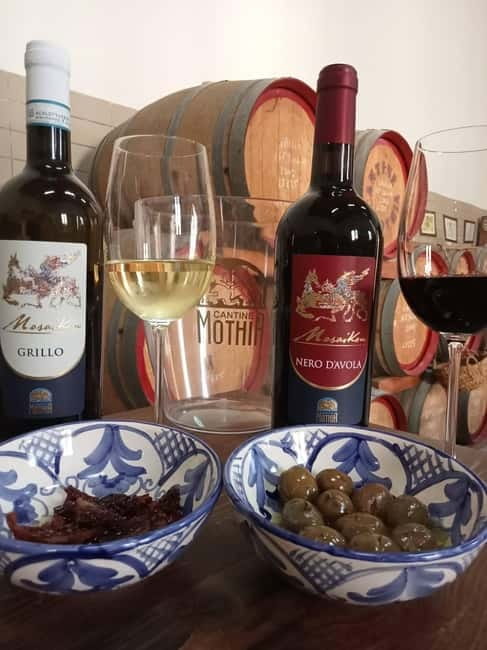
Shopping is available at the winery. This is one of the most practical reasons to taste small-production bottles on site. You can sample first, ask about the style, and then decide instead of guessing from a label.
The winery’s native-grape wines and less widely distributed bottles may be difficult to find outside Sicily. If you discover a favorite, buying it at the source makes sense, provided you can carry it safely and comply with your airline or transport rules.
You do not take home the tasting glasses, bowls, or other serving items. The samples are part of the visit, while bottles are available separately for purchase.
I would wait until the end to shop. The tasting gives you a better idea of whether you prefer a white, red, Passito, or Marsala, and the guide can explain serving suggestions before you choose.
Who will enjoy Cantine Mothia most
I recommend this tour to anyone staying in Marsala or Trapani who wants a compact introduction to Sicilian wine. It is also a good fit if you are already planning to see the salt pans or Mothia Island, since the winery sits in the same general area.
It works especially well for:
- First-time wine tasters who want clear explanations without a formal lecture
- Couples looking for a short food-and-wine stop
- Visitors interested in Sicilian architecture and restored farm buildings
- People curious about dry and sweet Marsala beyond its use in cooking
- Drivers who appreciate parking beside the winery
- English-speaking visitors who want an Italian family setting with English guidance
It may be less satisfying if you want a large estate, vineyard walks, an extensive meal, or a long technical tasting. It is also not the right choice if you need a completely quiet setting, since the winery may have work happening nearby.
Free cancellation is available up to 24 hours before the visit, and you can reserve while paying later. Those policies are useful if your western Sicily schedule depends on weather or changing plans.
Should you book this Marsala winery tour?
Book it if you want a personal, affordable look at Marsala wine in a historic setting. The combination of a restored baglio, family guide, modern production rooms, oak barrels, four or sometimes five wines, and Sicilian snacks gives you more substance than a simple tasting counter.
I would give it extra weight if you are curious about dry Marsala, Passito, or native Sicilian grapes that do not often reach large shops. The tour also makes a good stop between Marsala’s center and the salt pans.
Skip it if you want a full vineyard day or a substantial meal. For everyone else, the $29 price is a sound use of an hour, especially if you allow up to 90 minutes and leave room to buy a bottle you cannot easily find elsewhere.
FAQ
Where is Cantine Mothia located?
Cantine Mothia is at 22 Giovanni Falcone Magistrate Street in Marsala. Coming from downtown, follow the signs and look for the winery just after the traffic circle.
How long does the winery visit last?
The stated duration is one hour. The visit can last around 90 minutes when the guide allows extra time for questions and the tasting.
Which languages are available?
The tour is offered in Italian and English. Some content may be presented in its original language.
How many wines are included?
The advertised tasting includes four wines: a white, a red, a sweet wine, and a Marsala wine. Some tastings have included five wines.
What food is served with the wine?
The pairings include seasoned olives, sun-dried tomatoes, pizza rianata, and sesame cookies. The food is served as small tastings rather than a full meal.
Is the winery wheelchair accessible?
Yes, Cantine Mothia is listed as wheelchair accessible.
Is parking available?
Parking is available next to the winery.
Can I buy wine after the tour?
Yes. Shopping opportunities are available, including wines from the winery’s production that are not widely sold through large-scale distribution.
More Historical Tours in Italy
- Montepulciano: Historical Cellars Guided Tour & Wine Tasting
★ 4.4 · 83 reviews - Tasting in the historic cellar of Marsala
★ 4.5 · 59 reviews - Abruzzo: Historic Cellar Wine Tour and Tasting
★ 4.8 · 41 reviews - Partinico: Historic Sicilian Vineyard & Wine Tasting Tour
★ 4.8 · 36 reviews
More Food and Drink Experiences in Italy
- Florence: Chianti Wineries Tour with Wine Tasting
★ 4.5 · 10,071 reviews - From Florence: Private Chianti Hills Tour with Tasting
★ 4.3 · 809 reviews - Montepulciano: Wine Tasting and Cellar Tour
★ 4.8 · 545 reviews - Private 6-Hour Tour of Three Etna Wineries with food&wine tasting
★ 5.0 · 417 reviews
Just added around Italy
- Primitivo and Negroamaro wine tour: a visit to two wineries and typical lunch. From Lecce★ 5.0 · 19 reviews
- Visit to a Winery in Salento with Wine tasting and light lunch. From Lecce★ 4.5 · 10 reviews
- Full Day Tour to Gallipoli, Galatina, Coast, Beaches and Winery★ 5.0 · 39 reviews
- Discover the best cellars of Salento★ 5.0 · 30 reviews
- “Between Langhe and Monferrato” – Wine Tasting and Cellar Visit★ 5.0 · 86 reviews
- Visit among vineyards and wine cellar with wine tasting in Nizza Monferrato★ 5.0 · 10 reviews
- Barolo Tasting and Vineyard Tour and Winery Visit★ 4.5 · 2 reviews
- Guided Walk and Lunch in the Vineyard in Alba★ 4.5 · 2 reviews
Italy Vineyard Tours, compared.
Tuscany Day Trip from Florence: Siena, San Gimignano, Pisa and Lunch at a Winery
Read our review →

Half day Chianti Vineyard Escape from Florence with Wine Tastings
Read our review →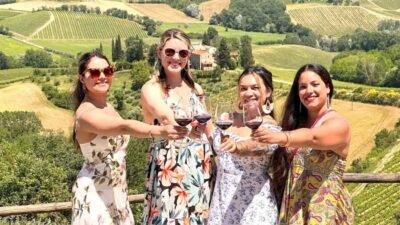
Tuscany Wine Tour: 2 Wineries & San Gimignano from Florence
Read our review →
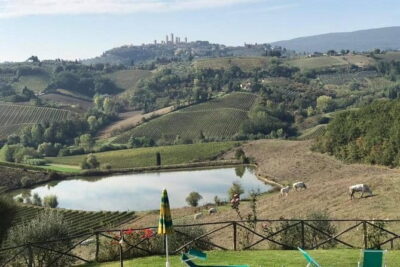
Chianti Wineries Tour with Tuscan Lunch and San Gimignano
Read our review →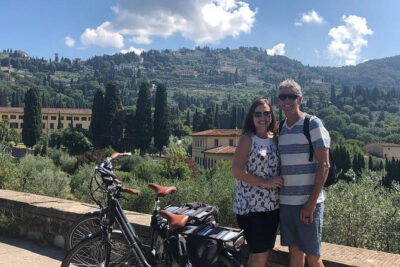
Private Self-Guided E-Bike Ride in Tuscany with Vineyard Visit
Read our review →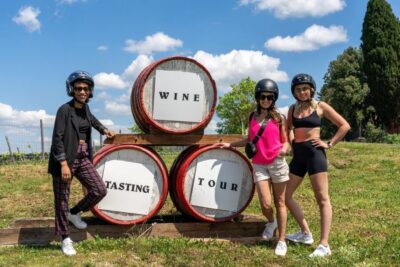
Browse the lists this tour appears in