
REVIEW · ITALY
LAKE GARDA: VINEYARD AND WINERY TOUR
The most interesting part of this Lake Garda outing is its close look at the link between soil, vineyard, and wine. At LE FRAGHE, an independent historic winery, you learn why the company chose certified organic production in 2009, then see how that choice carries through to the cellar and the bottle.
I like the small group of up to 10 people, which gives you room to ask about local winemaking rather than simply standing in line for a tasting. I also like the five-wine format: one white, two rosés, and two reds, served with local specialties. The main consideration is the short length. The tour lasts 90 minutes, so this is a focused introduction, not a full-day wine-country outing.
Key points to know
- Organic winemaking since 2009: Learn why LE FRAGHE changed its vineyard practices and what that means for the wines.
- Five wines in one sitting: Taste one white, two rosés, and two reds alongside local products.
- A compact vineyard and cellar visit: The guided walks take about 10 minutes each, leaving about an hour for tasting and discussion.
- Small groups only: With no more than 10 participants, the visit feels personal and questions are easier to ask.
- Three listed tour languages: Italian, English, and German are available, with some material presented in its original language.
- A practical address check: Confirm the meeting location and directions before setting out, since one booking link was reported to send a visitor to the wrong address.
A small Lake Garda winery with a clear point of view
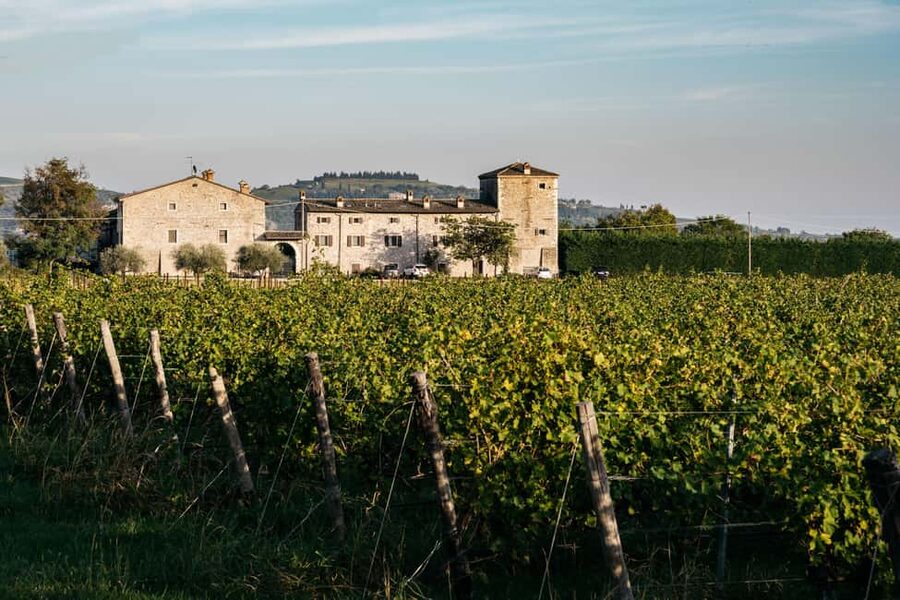
LE FRAGHE azienda agricola offers a direct way to understand wine from this part of Italy. Rather than beginning with a grand production facility or a long bus ride through several estates, you meet at one historic company and follow the path from earth to grape to finished wine.
That makes the experience useful for both wine beginners and people who already know what they like. You hear about the geography of the area and the soils beneath the vines, then connect those ideas to the wines in your glass. The emphasis is not only on tasting, but on understanding why the wines taste the way they do.
The setting also matters. You start in front of the courtyard, then walk through the vineyard and into the cellar before returning to the winery for the tasting. The route is short and easy to follow, but it gives the visit a natural rhythm. First comes the place, then the work, then the reward.
More Winery Tours in Italy
- Lucca: Guided Winery Tour with Wine Tasting
★ 4.7 · 611 reviews - Olbia: Gallura Winery Guided Tour with Tasting
★ 4.7 · 451 reviews - Bolgheri: Classic Wine Tasting with Winery Tour
★ 4.5 · 325 reviews
The courtyard welcome and the story of the estate
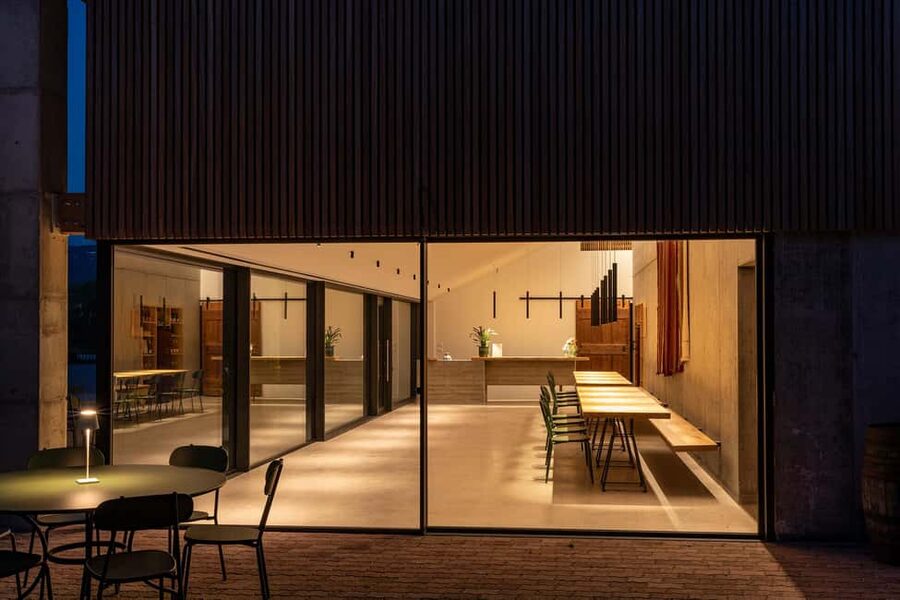
Your visit begins at LE FRAGHE azienda agricola, where the guide welcomes you in front of the courtyard. This opening is more useful than a quick pour at the door because it gives you a basic map of the estate before the wine appears.
You learn about the soils, the geography around Lake Garda, and the company’s past. The winery is described as historic, but the focus is not on old buildings alone. You are shown how the company’s identity developed and how its farming choices became part of the way it makes wine today.
The guide’s explanation of the decision to go organic in 2009 is one of the strongest parts of the experience. Organic certification can sound like a label on a bottle, but here you hear it in the setting where the grapes are grown. That helps you connect farming methods with the final product.
The presentation is available in Italian, English, or German. Some content is shown in its original language, so you may encounter a small amount of material that is not translated word for word. Still, the listed guide languages make the tour accessible to a broad range of visitors.
A ten-minute walk among the vines
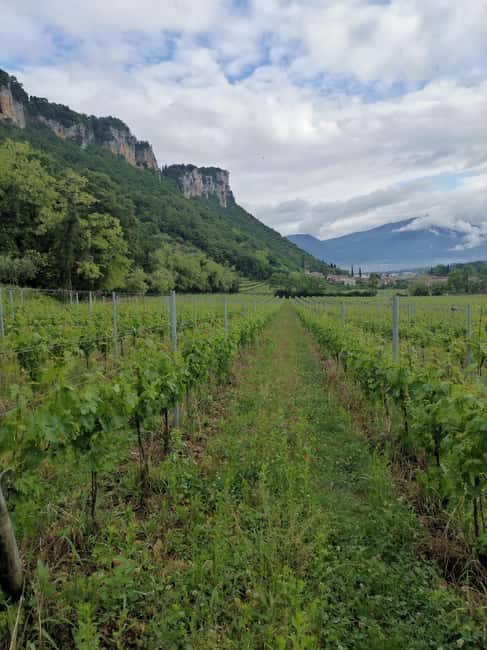
The vineyard portion takes about 10 minutes. That is not long enough for a detailed farming lesson, but it is enough to place the winery’s methods in a real setting rather than discussing them only indoors.
The guide points out the soil and explains the geography of the area. You also hear more about the move to organic production in 2009. I find this short walk particularly valuable for anyone who wants to understand wine beyond grape names. The ground beneath the vines and the conditions around them are part of the story, and you get to see the source before tasting the result.
Keep your expectations in proportion. This is a brief guided visit, not an extensive agricultural tour. If you want hours among the vines or a long technical discussion about pruning and harvest work, this experience may feel too compact. If you want a clear introduction without using half a day, the timing works well.
The vineyard also provides a change of pace from the cellar. You are not simply moving from one tasting table to another. You get a short outdoor section that helps you picture where the grapes begin their journey.
Inside the cellar: methods, materials, and choices
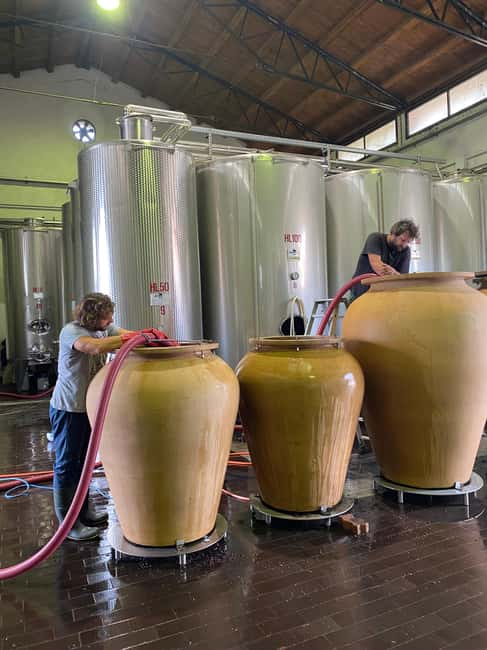
The cellar visit also takes about 10 minutes. Here, the guide explains how different wines are made and why different materials are selected for aging.
That last point gives the cellar visit some useful depth. Aging is not treated as a single formula for every bottle. The winery uses different approaches for different types of wine, and the guide explains the reasoning behind those choices. You may not leave with a full winemaking education, but you should have a better sense of why two wines from the same producer can be handled in different ways.
The cellar is also where the organic approach meets production. The vineyard work and the winemaking methods are not separate subjects. You first hear about how the grapes are grown, then see how the winery handles them after harvest.
Because the cellar tour is short, listen for the practical links between the explanation and the wines you will taste. You can ask questions about the styles being produced, the aging materials, and how the winemaking changes from one wine to another. A group capped at 10 people gives you a better chance to do that than a large coach-based tasting.
Same wine country, a different day out:
- Tuscany Day Trip from Florence: Siena, San Gimignano, Pisa and Lunch at a Winery
★ 5.0 · 21,634 reviews - Florence: Chianti Wineries Tour with Wine Tasting
★ 4.5 · 10,071 reviews - From Florence: Siena, San Gimignano, Pisa & Lunch at Winery
★ 4.8 · 4,538 reviews - Half day Chianti Vineyard Escape from Florence with Wine Tastings
★ 4.5 · 2,196 reviews
Five wines and local food at the center of the visit
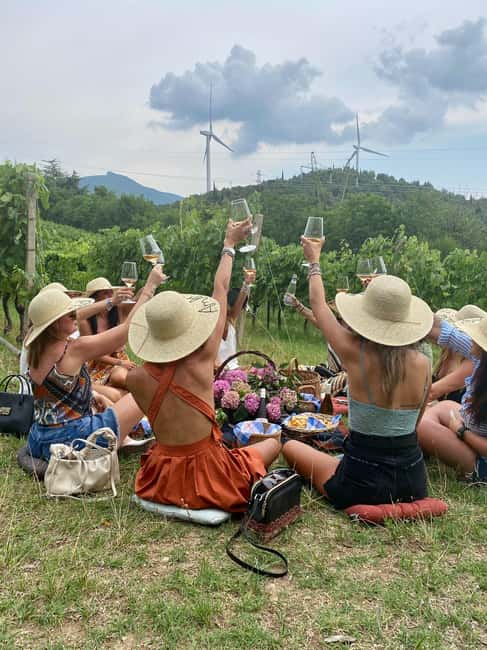
The tasting lasts about an hour, making it the main event. You sample five wines from LE FRAGHE’s production:
- One white wine
- Two rosé wines
- Two red wines
This sequence gives you a broad look at the winery rather than a narrow focus on one style. You can compare the lighter wines with the reds and see how the same producer works across several categories.
The two rosés are especially useful for comparison. Rosé is often treated as one broad style, but tasting two examples from the same estate lets you notice differences in structure, freshness, and balance. The white gives you another point of reference, while the two reds show how the winery approaches fuller wines.
Local specialties accompany the tasting. That is important because wine is rarely enjoyed in isolation in Italy. Food changes how you notice acidity, fruit, texture, and finish. The pairings also make the tasting feel like a small regional meal rather than a string of unrelated samples.
I recommend taking your time with each pour. First notice the smell and taste on their own. Then try the local food and taste again. You do not need advanced wine vocabulary. The guide can help you connect the wines to dishes and explain how local products affect the experience.
The tasting is also where the tour’s educational idea becomes practical. You have heard about soil, geography, organic farming, and cellar choices. Now you can test those ideas with five different wines in front of you.
What the small group changes
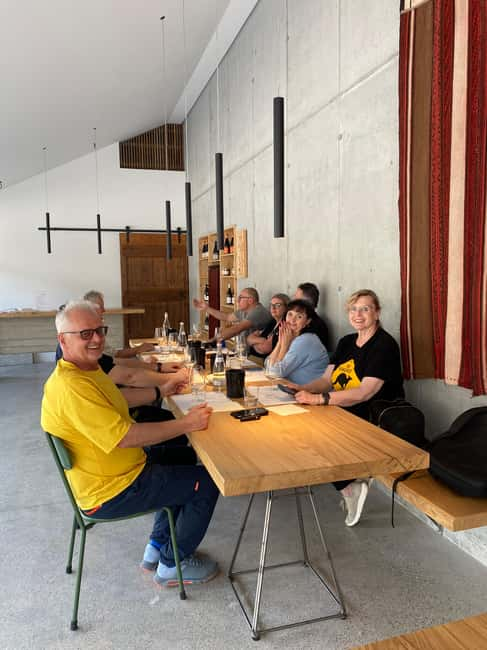
The maximum group size is 10 people. That is a major advantage for this type of visit.
In a large tasting room, the guide often has to repeat the same short speech and move quickly from one group to the next. Here, the smaller size should make it easier to ask about wine styles, organic production, food pairings, or the materials used for aging. A personal conversation is also more likely, which is useful if you are curious about how wine is made locally rather than simply looking for a souvenir bottle.
The group size can also affect the mood. A small tasting tends to be quieter and more focused. You are still sharing the experience with other people, but the format is closer to a guided conversation than a busy public tasting.
There is one tradeoff. If you prefer a lively social event with many producers and a large selection of bottles, this visit may feel restrained. LE FRAGHE gives you a close look at one winery, not a broad comparison of the entire Lake Garda wine area.
Price, timing, and the value of 90 minutes
At $54 per person, the tour is not the cheapest way to taste wine, but the price covers more than five samples. You receive a vineyard visit, a cellar visit, an explanation of the company and its organic choices, five wines, and local food.
The value is strongest if you care about context. A simple tasting can offer wine without much explanation. This experience gives you a short tour before the tasting, so you can understand what the winery is trying to do and why the bottles differ.
The 90-minute length is another part of the value. You can fit the visit into a busy Lake Garda day without giving up an entire afternoon. The schedule is divided into roughly 10 minutes in the vineyard, 10 minutes in the cellar, and one hour for wine and food. That balance puts most of the time where it matters, while still giving you a look at the property.
The short duration also limits what the tour can cover. You will not see every stage of production or spend a long time walking through the vineyards. Think of it as a focused winery introduction with a substantial tasting, not a full agricultural study.
You can cancel up to 24 hours before the experience for a full refund, and the reserve-now, pay-later option gives you some flexibility while planning. Starting times vary, so check availability for your date.
Practical details before you go
The meeting point is LE FRAGHE azienda agricola, and you return there after the tasting. Check the address carefully before leaving. One booking communication was reported to contain an incorrect link, which led someone to the wrong location. This is an easy problem to avoid if you compare the meeting point with your map before setting off.
The tour is wheelchair accessible. Smoking indoors is not allowed, and strong fragrances are not permitted. Avoid perfume or cologne, since heavy scents can interfere with the smell of the wines and make the tasting less pleasant for everyone.
This is an adults-only experience for people aged 18 and over. It is not suitable for children under 18, even if they would not be tasting the wine.
The listed languages are Italian, English, and German. If your language is not one of those, some material may be shown in its original language. The experience is guided, rather than self-led, so the language choice is worth checking when you reserve.
There is also an opportunity to purchase wine at the end. That gives you a chance to take home a bottle you tasted, but buying is optional and not needed to take part in the tour.
Who will enjoy this winery visit most?
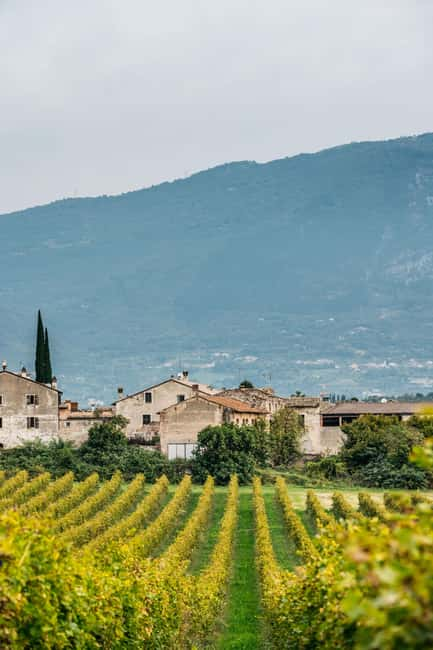
I would choose this experience if you want a compact, personal introduction to Lake Garda wine. It suits couples, solo visitors, and small groups who prefer a quiet tasting with a guide rather than a large commercial operation.
It is also a good fit if organic farming matters to you. The winery’s decision to work organically in 2009 is not a side note. It is one of the main subjects, and the vineyard visit gives that decision a physical setting.
Wine beginners should feel comfortable here. You taste several styles, receive explanations before drinking, and have local food to help you compare the wines. You do not need to know technical terms in advance.
Experienced wine drinkers may appreciate the chance to ask more specific questions, especially about aging materials and the differences between the white, rosés, and reds. Still, the limited 90-minute format means specialists should not expect a long cellar seminar or a large portfolio tasting.
I would skip it if you want a full-day wine route, several wineries, extensive vineyard walking, or a family activity that includes children. The appeal here is focus: one historic estate, one guide, five wines, and enough explanation to connect them.
Should you book the LE FRAGHE tour?
Book this tour if you want to understand a Lake Garda winery without spending half a day on it. The best reasons are the small group, the organic focus, the chance to see both vineyard and cellar, and the generous one-hour tasting with local food.
The main limitation is simple: 90 minutes goes quickly. You get a clear introduction, not an exhaustive study of the estate or the region. Confirm the address, choose a suitable language, and arrive ready to taste five different wines rather than expecting a long walk through the countryside.
For an adult wine lover who values local production and a personal guide, the $54 price is reasonable. It gives you enough background to make the tasting meaningful, with the option to buy a bottle afterward and continue the experience at your own table.
FAQ
Where does the Lake Garda vineyard tour begin?
The tour begins at LE FRAGHE azienda agricola and returns to the same location after the tasting.
How long does the experience last?
The full experience lasts 90 minutes. About 10 minutes are set aside for the vineyard visit, 10 minutes for the cellar visit, and about one hour for wine and food tasting.
How many wines are included?
You taste five wines from the winery’s production: one white, two rosés, and two reds.
Is food included with the wine tasting?
Yes. The wine tasting includes local specialties.
Which languages are available?
The live guide is available in Italian, English, and German. Some content may be presented in its original language.
Are children allowed to join the tour?
No. The experience is not suitable for children under 18.
Is the winery wheelchair accessible?
Yes, the activity is listed as wheelchair accessible.
Just added around Italy
- Vineyard Tour and Tasting of Lugana Wines★ 4.5 · 6 reviews
- Picnic and Lugana Tour at Perla del Garda winery★ 5.0 · 6 reviews
- Visit winery and vineyards, tasting 4 wines with 3 matching dishes★ 5.0 · 3 reviews
- Winery tours and tastings in Bolgheri with Wine Guide★ 5.0 · 16 reviews
- Guided tour of vineyards and winery with tasting 4 wines★ 4.5 · 12 reviews
- Private Chianti and SuperTuscan Tour 2 wineries with Light Lunch from Livorno★ 4.5 · 5 reviews
- Winery Tour & Tasting in Pisa Countryside★ 5.0 · 2 reviews
- San Gimignano and Winery Experience with Lunch from Livorno★ 5.0 · 3 reviews
Italy Vineyard Tours, compared.
Tuscany Day Trip from Florence: Siena, San Gimignano, Pisa and Lunch at a Winery
Read our review →
Half day Chianti Vineyard Escape from Florence with Wine Tastings
Read our review →
Tuscany Wine Tour: 2 Wineries & San Gimignano from Florence
Read our review →
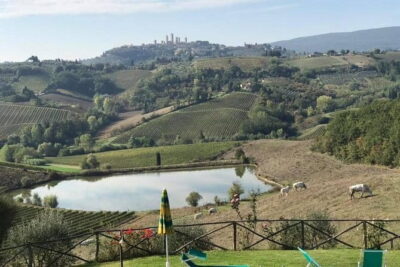
Chianti Wineries Tour with Tuscan Lunch and San Gimignano
Read our review →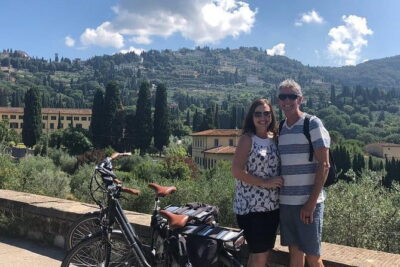
Private Self-Guided E-Bike Ride in Tuscany with Vineyard Visit
Read our review →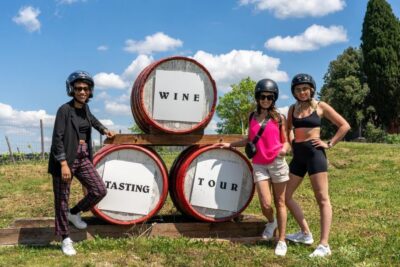
Browse the lists this tour appears in