REVIEW · FOOD & DRINK
Ica: Tacama Winery and Pisco Tasting Tour with Hotel Pickup
Ica’s wine country is a striking contrast: fertile fields spread through a desert valley, and old haciendas still produce Peru’s best-known spirit, pisco. This tour brings you to three working wineries, from a hands-on family-style cellar to Peru’s oldest vineyard.
I like the generous tasting program, which includes wines, piscos, and cachinas rather than just one token sample. I also like the mix of stops: El Catador for production, Lazo for its unusual museum, and Tacama for the bell tower and colonial setting.
The main caution is the schedule information. The activity is labeled as lasting three days, but the description reads like a single winery outing, so confirm the exact pickup time and duration before paying. The experience is also not suited to people with mobility impairments.
Key points to know before booking
- Three very different wineries: Compare artisanal production at El Catador, Lazo’s historic cava and museum, and Tacama’s large colonial estate.
- Pisco is the main event: Tastings include pisco, wine, cachina, Pisco Sour, and Pisco Cream.
- Tacama’s bell tower: Climb for wide views over Ica’s cultivated fields and the desert valley beyond.
- Small-group format: The group is limited to 10 people, with English and Spanish guiding.
- Useful transport: Pickup from your hotel is included, with return to your hotel or the bus terminal.
- Check the timing: The stated duration says three days, while the route itself is described as a winery day tour.
Why Ica is the right place for a pisco tour
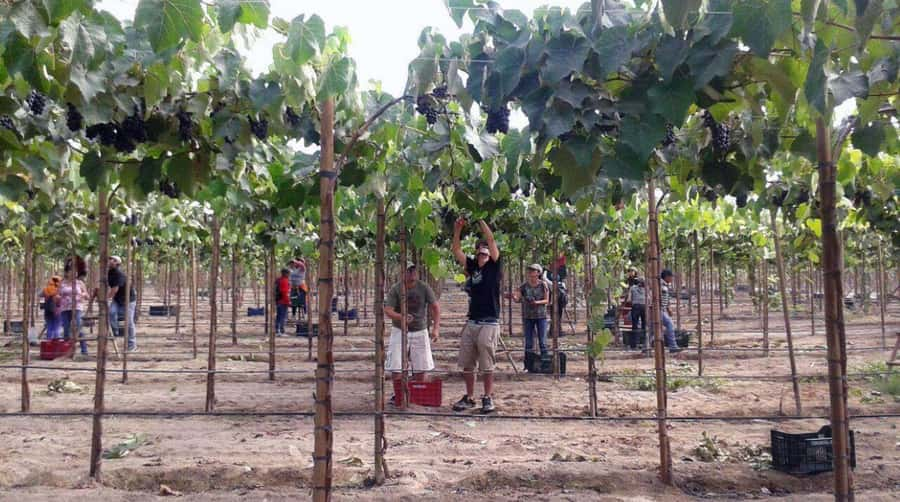
Ica makes sense for this outing because the wineries sit in an oasis surrounded by dry country. The contrast is part of the pleasure. You pass from sun-baked desert to irrigated fields, then into shaded courtyards, cellars, and tasting rooms where grapes become wine and pisco.
Pisco is Peru’s grape brandy, and Ica is one of the country’s key production areas. Here, you do more than sample a drink. You see the vessels, stills, tools, and old storage methods that help explain how the spirit reaches the bottle.
The Campiña Iqueña, the rural area around Ica, is known for traditional wine cellars. That gives the tour a local focus rather than a city tasting-room feel. You get to compare different producers and see how an artisanal operation differs from a much larger historic estate.
At $35 per person, the tour offers solid value if you want transport, three winery visits, a guide, and several tastings in one outing. It is less attractive if you do not drink alcohol or prefer to spend a full day at one estate. The value comes from the variety.
More Food and Drink Experiences in the world:
- Florence: Chianti Wineries Tour with Wine Tasting
★ 4.5 · 10,071 reviews - Porto: Cálem Cellar Tour, Interactive Museum & Wine Tasting
★ 4.5 · 4,113 reviews - Porto: Cálem Cellar Tour, Fado Show & Wine Tasting
★ 4.4 · 3,530 reviews
Starting with El Catador’s handmade production
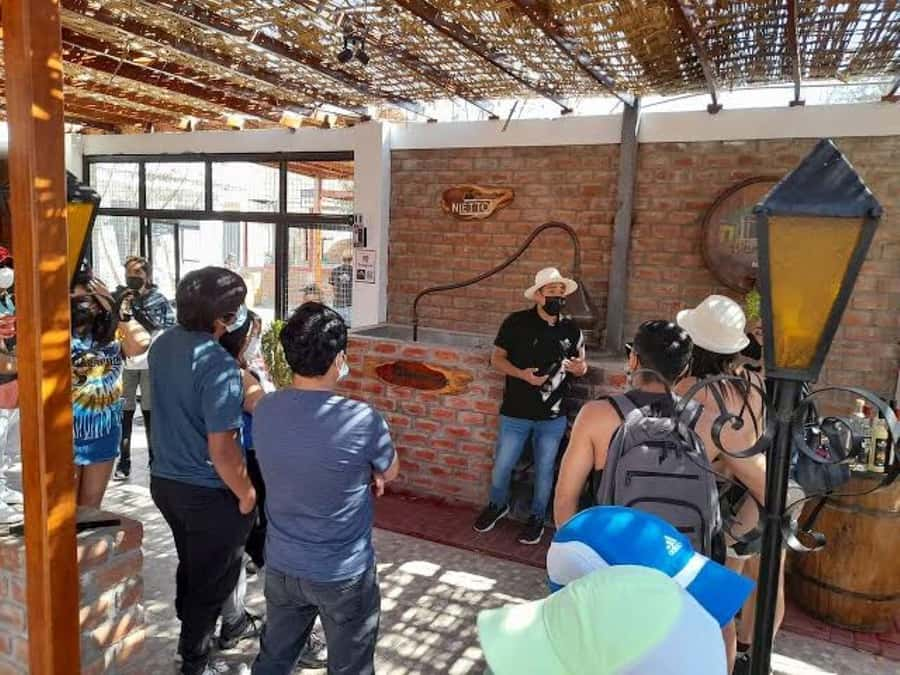
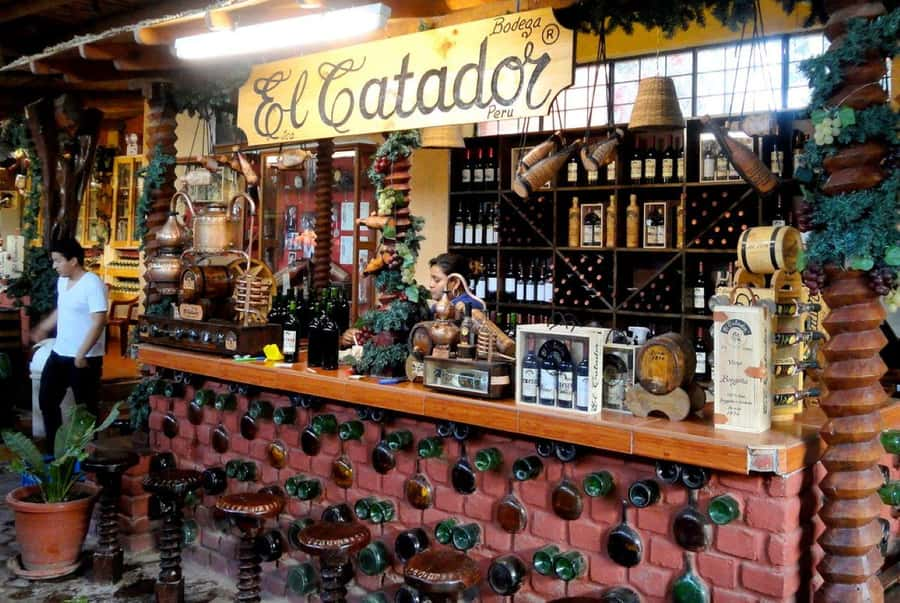
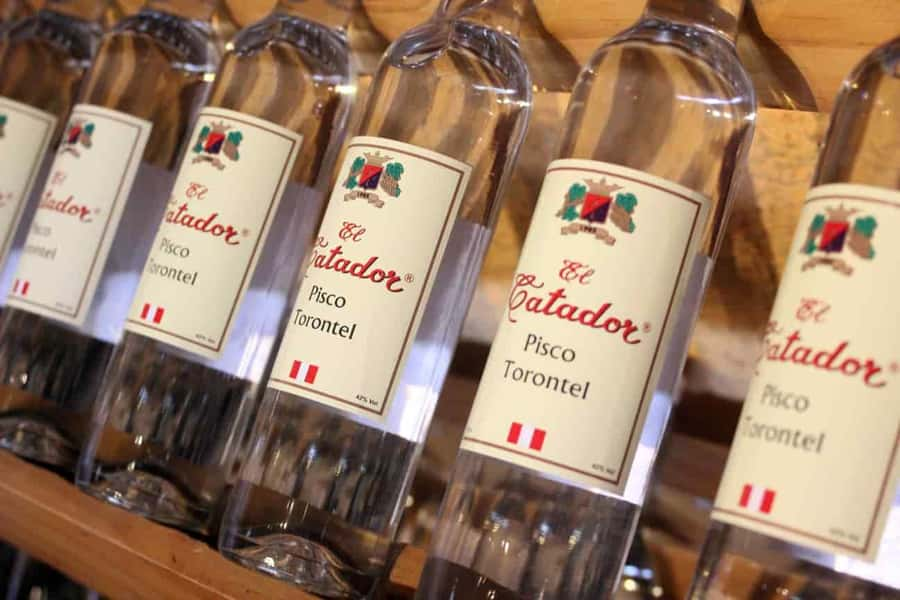
The first stop is Bodega El Catador, an artisanal winery where the focus is on the practical work of making pisco. You learn how the spirit is produced and get a look at a smaller-scale operation rather than only polished displays.
This is a useful opening stop because it gives you the basic vocabulary for the rest of the day. You will hear about pisco production, see the sort of equipment used, and then taste the finished products with a better idea of what you are sampling.
The tasting includes award-winning varieties, along with a semi-prepared Pisco Sour and Pisco Cream. Those sweeter drinks make the stop approachable if straight pisco feels too strong. Still, pace yourself. Multiple tasting rooms can add up quickly, even when each pour seems modest.
El Catador is also where you can get a sense of the local cellar tradition. The word artisanal matters here. You should expect an informal, production-centered visit rather than a grand estate tour. If you want the most polished setting of the three, Tacama will likely suit you better. If you want to understand how a local producer works, El Catador is the stronger start.
Lazo Winery’s cava and curious museum
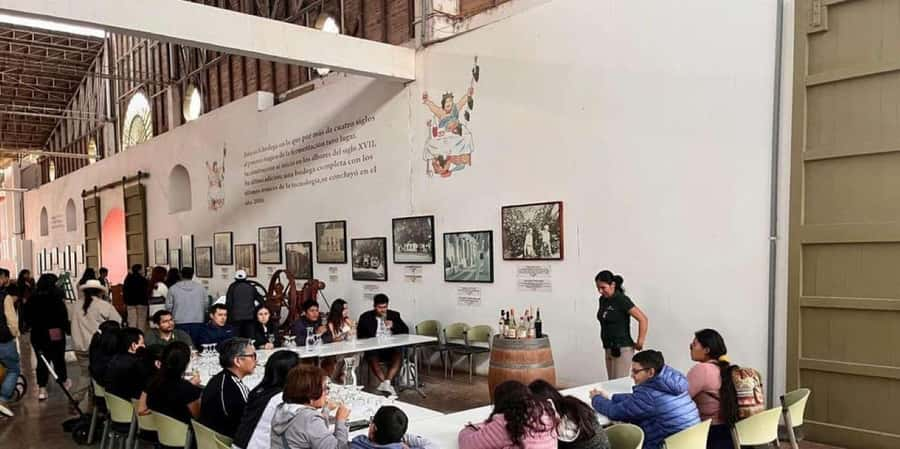
Lazo Winery adds a different note. Along with wine and pisco tastings, it has a historic Spanish cava dating from the 16th and 17th centuries. That old cellar gives the visit a physical link to the early colonial period, when wine production took root in Peru.
The term cava can refer to a cellar or storage space, and here it is one of the stop’s main sights. You can expect a more atmospheric setting than a simple tasting counter, with old masonry and a sense of how wine was stored before modern facilities.
Lazo also has a rustic museum filled with unusual objects. The collection includes mummified trophy heads, ceramics, goldsmith work, and weapons from different eras. It is an odd assortment, but that is exactly why it can be memorable. This is not a carefully focused wine museum. It is more like a local collection assembled around the winery’s past and regional artifacts.
I would keep an open mind here. Some people will enjoy the eccentric museum as much as the tasting. Others may find the collection distracting or unsettling, especially the mummified heads. You are not visiting Lazo only for wine technique. You are visiting for a blend of cellar, objects, and local character.
The tastings include several wines and piscos. Comparing Lazo with El Catador is one of the day’s useful moments. You can notice how the same broad categories of drink feel different from one producer to another, even without having expert tasting skills.
Tacama and Peru’s oldest vineyard
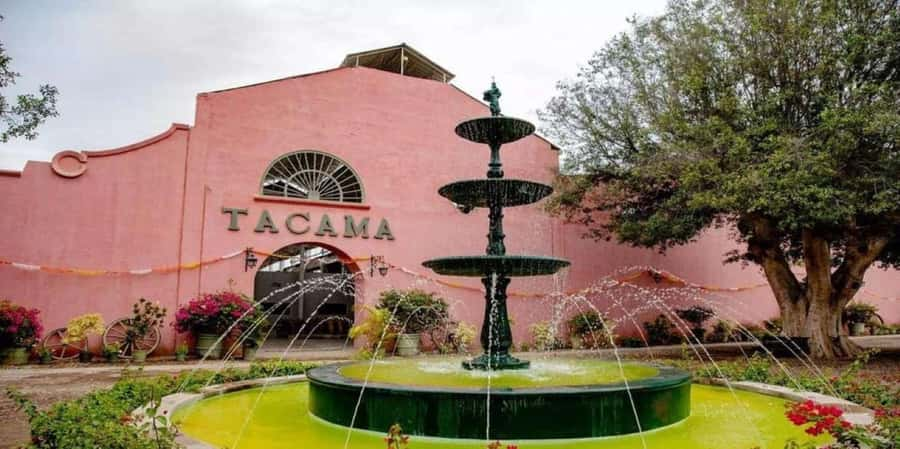
Tacama is the grandest stop and the one with the clearest historical importance. Founded in the Ica oasis, it is described as Peru’s oldest vineyard. The estate covers 180 hectares in a fertile valley about 300 kilometers from Lima and roughly 400 meters above sea level.
That scale changes the feel of the visit. El Catador offers a close look at handmade production. Tacama gives you a sense of a long-running estate with room for fields, production buildings, old tools, and formal views across the valley.
Tacama occupies a colonial hacienda built in the 16th century. You will see instruments used in wine and pisco production, as well as stills and botijas. Botijas are large earthenware vessels traditionally used for storage, and they help make the production process easier to picture.
The route begins with a climb to the bell tower. From the top, you get a panoramic view over the crop fields. The view matters because it explains the entire Ica system in one glance: irrigated agriculture in a dry valley, with the desert beyond. Bring a hat and sunscreen, since the exposed climb and bright conditions can be tough in midday heat.
The tower is also the clearest reason to wear comfortable shoes. The activity is not suitable for people with mobility impairments, and the climb may be tiring for anyone who has trouble with stairs. That limitation is worth taking seriously, since the bell tower is a central part of the Tacama visit.
After the climb, the tour moves through the estate and tasting areas. You can observe production equipment before sampling Tacama’s wines and piscos. The old hacienda setting gives the drinks a stronger sense of place than they would have at a bar in town.
A few more vineyard days around the world worth a look
- Tuscany Day Trip from Florence: Siena, San Gimignano, Pisa and Lunch at a Winery
★ 5.0 · 21,634 reviews - Porto: Douro Valley with Winery Lunch, Tastings & Cruise
★ 4.7 · 7,002 reviews - Barcelona: Montserrat, Cogwheel, Black Madonna & Winery Tour
★ 4.8 · 5,633 reviews - Montserrat with Black Madonna & Medieval Winery with Tapas/Lunch
★ 5.0 · 5,209 reviews
What the tasting experience is really like
The tasting room experience is included, and the program covers more than one drink style. You can expect wine, several piscos, and cachina, a young grape drink associated with the Ica wine tradition. El Catador also includes Pisco Sour and Pisco Cream.
This range is useful because pisco can be unfamiliar. Some samples may be bold and spirit-forward, while others are sweeter or mixed. You do not need a trained palate to enjoy the activity. Pay attention to the differences in aroma, sweetness, and strength, then ask your guide what you are drinking.
A practical point: alcohol is not allowed in the vehicle. That rule is sensible, but it means you should finish purchases and samples at the wineries rather than opening anything during the ride. Smoking is also not allowed.
The tastings are generous according to the tour description, but the exact pour sizes and bottle prices are not specified. If you want to buy a bottle, ask about shipping or carrying it before making a purchase. The tour includes the tasting experience, not a stated bottle allowance.
Hotel pickup, guide quality, and group size
Hotel pickup is one of the tour’s strongest practical features. Ica can be spread out, and arranging separate taxis to three wineries would add cost and hassle. At the end, you can be returned to your hotel or taken to the bus terminal, which is helpful if Ica is one stop on a longer Peru route.
The group is limited to 10 people. That is small enough for questions and easier movement through cellars and tasting rooms, though it does not guarantee a private tour. Guiding is available in English and Spanish.
One guide named in the service feedback is William. He handled transport, explained notable places along the route, suggested food, and even helped look after a small dog while the owners toured the wineries. If William is assigned to your outing, that kind of local commentary can add a lot, especially between stops. Do not assume he will be your driver, though, since guide assignments can vary.
The transport details deserve a quick check before departure. One booking had a missed pickup at the stated meeting point and was refunded. That does not prove a regular problem, but it is a good reason to confirm the hotel address, pickup time, and contact method with Sierra Travel. The positive experience with William also shows how much the day depends on the driver and guide.
Timing, comfort, and the strange three-day label
The stated duration is three days, but the description presents a sequence of three winery visits followed by a return to your hotel or bus terminal. That sounds like a day excursion, not a three-day program. Since no overnight stays or separate daily schedules are described, you should ask Sierra Travel to clarify this before booking.
The same question applies to start times. Availability determines the starting hour, but a precise schedule is not provided here. Ask how long the vehicle ride lasts, how much time is spent at each winery, and when you should expect to return.
For comfort, bring:
- Comfortable shoes for the winery grounds and bell tower
- A hat for the strong sun
- Sunscreen
- A camera
The activity is not suitable for pregnant women or people with mobility impairments. It also involves alcohol tasting, so anyone who does not drink should confirm what nonalcoholic participation is possible before booking. No such alternative is specified.
How the $35 price measures up
At $35, this is a fairly efficient way to see the Ica wine area. The price includes hotel pickup, transport between three wineries, the visits, tastings, a live guide, and return to your hotel or the bus terminal. Paying separately for several rides could easily reduce the apparent savings.
The strongest value comes from the range of places. You are not paying for one tasting and a short transfer. You get El Catador’s artisanal focus, Lazo’s old cava and eccentric museum, and Tacama’s large historic estate with bell-tower views.
The price is less compelling if you are already staying at Tacama or have a private driver. In that case, a smaller single-estate visit might give you more time for questions and a slower tasting. This tour is built for coverage and comparison.
The group cap of 10 improves the value, since the guide should have more time for interaction than on a large coach outing. Still, the low rating of 3.1 from only three reviews signals that logistics deserve attention. One person missed pickup and received a refund, while another praised William’s service, local explanations, food suggestions, and practical help. The sample is too small to judge the operation firmly, but it is enough to make confirmation worthwhile.
Who should book this winery outing
I would recommend it to you if you are staying in Ica, want an easy introduction to pisco, and prefer seeing several places rather than spending all day at one winery. It suits curious drinkers who enjoy production details, old buildings, local collections, and a bit of scenery.
It is also a useful choice if you are moving through Peru by bus. The return to the bus terminal can save time and avoid backtracking, provided your departure schedule allows room for the full outing.
You may want another option if you need step-free access, dislike strong spirits, or want a quiet, refined wine tasting. Lazo’s museum is rustic and unusual, not polished. The tour also does not give you a stated choice of wineries, so you should book it for the complete mix rather than for one favorite producer.
Should you book the Tacama tour?
Book it if the mix appeals to you: three wineries, broad tastings, old cellars, a colonial hacienda, and hotel transport for $35. Tacama’s bell tower and status as Peru’s oldest vineyard give the outing a clear centerpiece, while El Catador and Lazo keep it from feeling repetitive.
Before booking, confirm the pickup details and ask why the duration is listed as three days when the route appears to be a single excursion. If those points are clear, this is a practical and affordable way to understand Ica’s pisco tradition without arranging your own transport.
FAQ
How many wineries does the tour visit?
The tour visits three wineries: Bodega El Catador, Lazo Winery, and Tacama Winery.
What drinks are included in the tastings?
Tastings include wines, piscos, and cachinas. El Catador also offers a semi-prepared Pisco Sour and Pisco Cream.
Is hotel pickup included?
Yes. Pickup from your hotel is included, and the return can be to your hotel or the bus terminal.
Are English-speaking guides available?
Yes. The tour is offered with live guiding in English or Spanish.
How large is the group?
The tour is limited to 10 participants.
What can I see at Tacama Winery?
You can climb the bell tower for views over the crop fields, see tools used in wine and pisco production, observe stills and botijas, and visit the historic colonial estate.
Can I cancel the booking?
You can cancel up to 24 hours in advance for a full refund. The tour also offers a reserve-now-and-pay-later option.
Just added around the world
- Vineyard Tour and Tasting of Lugana Wines★ 4.5 · 6 reviews
- Day Trip to the Sancerre and Pouilly Vineyards★ 5.0 · 20 reviews
- Picnic and Lugana Tour at Perla del Garda winery★ 5.0 · 6 reviews
- Visit winery and vineyards, tasting 4 wines with 3 matching dishes★ 5.0 · 3 reviews
- Winery tours and tastings in Bolgheri with Wine Guide★ 5.0 · 16 reviews
- Guided tour of vineyards and winery with tasting 4 wines★ 4.5 · 12 reviews
- Private Chianti and SuperTuscan Tour 2 wineries with Light Lunch from Livorno★ 4.5 · 5 reviews
- Winery Tour & Tasting in Pisa Countryside★ 5.0 · 2 reviews
Food & Drink, compared.


Cálem Cellar Tour, Interactive Museum & Wine Tasting
Read our review →

Burmester Cellar Tour with Tasting & Pairing Options
Read our review →
Barossa Premium Wine Tasting tour & Winery Lunch
Read our review →
Medoc or Saint Emilion Wine Tasting and Chateau from Bordeaux
Read our review →
Full-Day Winelands Tour with Wine Tastings & Food
Read our review →